
No single product secures every door in the house. The right choice depends entirely on the specific hazard you are trying to mitigate—whether that is preventing finger crushing at the hinges, restricting access to dangerous rooms, or keeping a door propped open to prevent slamming. For parents in the Philippines looking for the ideal pang harang sa pintuan for baby, navigating the sea of baby-proofing gadgets can be challenging. Our tropical climate often requires keeping doors and windows open to invite cooling breezes, but these sudden drafts can turn an ordinary door into a heavy, fast-moving hazard. Understanding how each safety device functions is the first step toward creating a secure environment for your growing child.
When baby-proofing, many parents make the mistake of buying a single type of door guard in bulk, assuming it will solve all their safety concerns. However, a device designed to keep a door open will not stop a toddler from turning a knob, and a knob cover cannot prevent a door from slamming shut on a crawling baby’s fingers. By analyzing the unique layout of your home, the weight of your doors, and your child’s current developmental stage, you can strategically deploy the right combination of finger pinch guards, door knob covers, and door stoppers. This targeted approach ensures maximum safety without unnecessarily restricting your daily household routines.
Defining the Risks: What Each Baby Door Guard Actually Prevents
Finger pinch guards are designed to address one of the most common and painful home injuries: crushed fingers. These guards are typically C-shaped pieces of dense foam or flexible plastic that slip onto the outer edge of the door or fit over the hinge gap. By physically blocking the door from closing completely, they maintain a safe gap of several centimeters. This gap ensures that even if a door is pushed or blown shut with significant force, it cannot pinch or crush tiny fingers caught in the frame. Some advanced models are designed specifically for the hinge side, covering the vertical gap that opens when a door is ajar—a notorious spot where curious toddlers often insert their hands.
Products mentioned in this guide
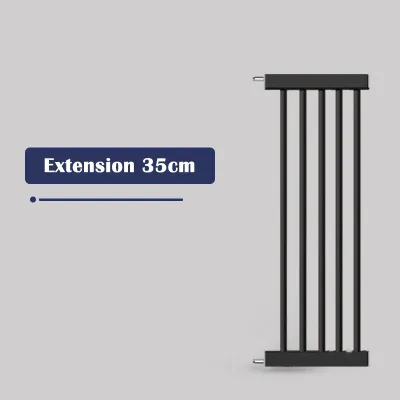
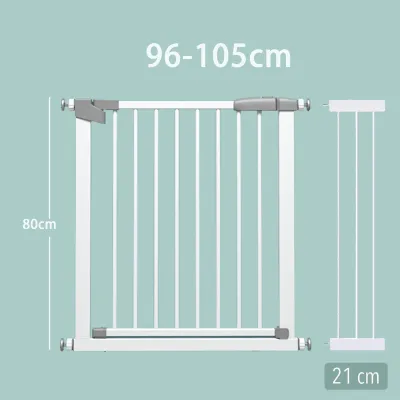
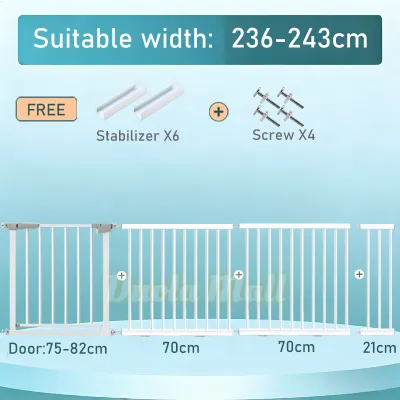
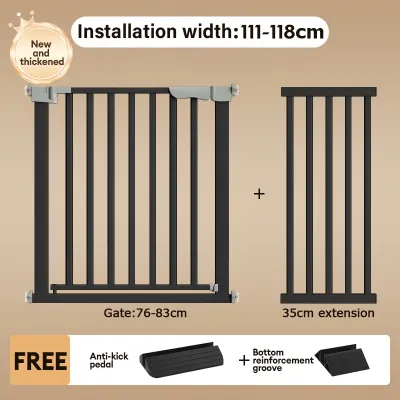
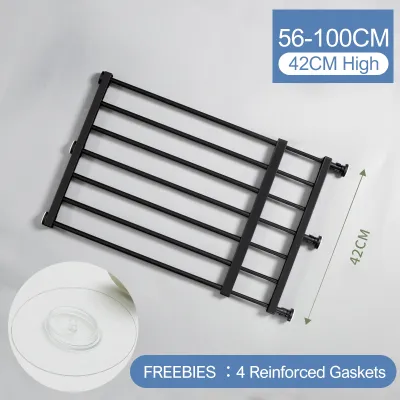
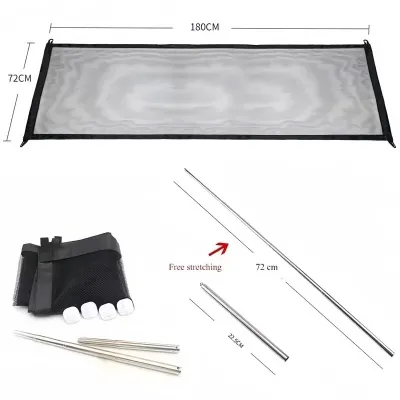
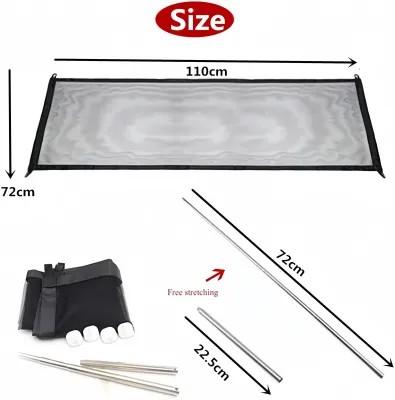
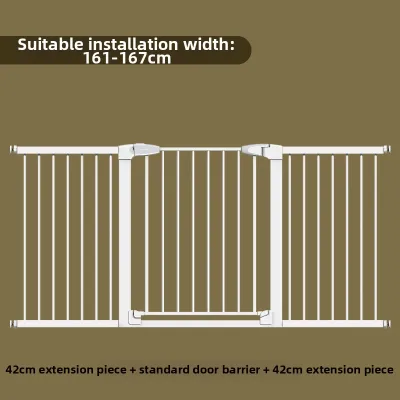
Prices are valid at publication and may change. Please refer to the product page for the latest price.
Door knob covers, on the other hand, serve a completely different safety function by restricting access to entire rooms. These devices enclose standard round door knobs in a smooth, durable plastic shell that spins freely when a child attempts to turn it. To open the door, an adult must squeeze specific pressure points on the cover to grip the actual knob underneath. This mechanism relies on a combination of hand strength, finger length, and manual dexterity that young toddlers simply do not possess. By preventing children from turning the knob, these covers effectively keep them out of hazardous areas without requiring permanent locks or keys.
Door stoppers, often searched locally as baby door stoppers, are designed to keep doors firmly propped open. These products come in various designs, including heavy floor wedges, magnetic holders, or wall-mounted catches. In a tropical household where cross-ventilation is essential for managing heat and humidity, keeping doors open is a daily necessity. However, unsecured doors can easily slam shut due to sudden drafts, trapping a child inside a room or causing severe impact injuries. A reliable door stopper ensures that doors remain securely in place, maintaining open lines of sight and airflow throughout the home.
Room-by-Room Guide: Matching the Right Guard to Each Door
High-risk rooms such as kitchens, bathrooms, and utility areas require strict access control. These spaces contain numerous hazards, including standing water, cleaning chemicals, sharp utensils, and electrical appliances. For these doors, restricting entry entirely is the priority, making door knob covers or specialized lever locks the most effective choice. In many local households, bathrooms may contain open water storage containers like a balde or drum for daily use, which present immediate drowning hazards for unsupervised toddlers. Keeping these doors securely closed and locked to young children is a critical safety measure that should not be overlooked.

High-traffic entryways and nursery doors require a different approach that balances safety with visibility and airflow. In these areas, using a door stopper is often the best solution. Propping these doors open allows parents to easily monitor their children while ensuring that fresh air can circulate freely, which is vital for maintaining a comfortable indoor temperature. If a door must remain open, a heavy-duty floor stopper or a wall-mounted door holder ensures that a sudden gust of wind won’t cause a violent slam that could startle or injure a child.
Heavy doors, such as main entrance doors or solid wood bedroom doors, pose the highest risk of severe crush injuries due to their weight and momentum. For these doors, installing a finger pinch guard on the top or outer edge is essential. Even if the door is accidentally pushed or blown shut, the guard ensures it stops short of fully closing, protecting any hands that might be resting on the frame. The hinge side of these heavy doors is particularly dangerous, as the leverage force exerted near the hinges can cause severe injuries even with minimal closing force.
In some cases, a single door may present multiple risks that require a combination of safety solutions. For example, a heavy bathroom door might need a door knob cover to keep a crawling baby out when the room is unsupervised. However, when the room is being aired out to prevent mold and mildew in humid weather, a finger pinch guard or a door stopper should be deployed to prevent the door from slamming on a child who might wander nearby. Assessing each door’s specific environment and usage patterns allows you to customize your baby-proofing strategy effectively.
Age and Mobility: Adjusting Protections as Your Child Grows
During the crawling and early walking stages, babies explore their environment primarily at floor level. They pull themselves up using furniture, walls, and door frames, making their fingers highly vulnerable to hinge gaps and closing edges. At this stage, children do not yet have the height or coordination to reach door knobs, so your primary focus should be on installing finger pinch guards and heavy-duty door stoppers. These physical barriers prevent crush injuries from swinging doors and ensure that your baby can safely explore the lower levels of your home.
As children transition into the toddler stage, their height, mobility, and curiosity increase significantly. They begin to target door handles and knobs, realizing that opening doors grants access to new and exciting areas. This is the developmental milestone where door knob covers become essential. It is important to choose covers that fit your specific handle type and to verify that your child cannot easily pull them apart or figure out the squeezing mechanism. Regularly testing the covers yourself ensures they remain secure as your child’s hand strength develops.
Children are quick learners and will eventually develop the cognitive ability and physical strength to bypass door guards. If you notice your child climbing on furniture to reach a pinch guard, attempting to pull down foam guards to chew on them, or successfully squeezing a knob cover, it is time to re-evaluate your setup. At this point, physical guards may pose new hazards, such as choking risks from chewed foam or fall risks from climbing. Transitioning to active supervision, safety gates, or teaching door safety rules becomes necessary as your child outgrows these physical barriers.
Installation Limits and Safety Checks to Verify Before Buying
Before purchasing any door-proofing product, it is crucial to verify its physical compatibility with your existing door hardware. Standard round door knob covers will not work on lever-style handles, which require specialized lever locks. Similarly, foam pinch guards must be thick and dense enough to support the weight of your specific door; cheap, low-density foam can compress completely under a heavy wooden door, failing to protect fingers. Taking precise measurements of your door thickness and handle dimensions can save you from purchasing incompatible items.
Safety products must never compromise your ability to evacuate quickly during an emergency. Ensure that any installed door knob covers or locks can be easily operated by adults from both sides of the door. Never use devices that lock a door from the outside in a way that could trap a child or prevent a caregiver from entering quickly during a crisis, such as an earthquake or fire. It is also important to verify that adhesive or screw-mounted guards do not damage fire-rated doors or block emergency escape routes.
Many cheap baby-proofing items are made of soft foam or brittle plastic that can easily break or be bitten off by a teething child. Regularly inspect foam pinch guards for bite marks or tears, and check plastic knob covers for cracks. If a guard shows signs of wear, replace it immediately to prevent small pieces from becoming choking hazards. Choosing high-quality, non-toxic materials is essential for ensuring the long-term safety of your child.
Always read and follow the manufacturer’s instructions regarding age limits, weight capacities, and installation methods printed on the packaging. Do not assume a product is safe just because it is labeled as a baby-proofing device. Verify that the materials used are non-toxic and that the product is rated for the specific type of door you have. If you are unsure about a product’s safety or compatibility, consult the manufacturer or a qualified professional before installation.
Decision Framework: Which Baby Door Guard Should You Choose?
To help you make the right choice for each door in your home, consider this simple decision framework based on your primary safety goal. Choose finger pinch guards if your main concern is preventing severe crush injuries on heavy doors, doors prone to catching drafts, or doors where children frequently play near the hinges. These guards are ideal for maintaining a physical gap that protects tiny hands from sudden slams.
Choose door knob covers if you need to restrict access to high-risk rooms like bathrooms, kitchens, or home offices, and your child has developed the height and coordination to reach and turn standard round knobs. These covers provide an effective barrier that keeps curious toddlers out of dangerous areas while allowing adults easy access.
Choose door stoppers if you want to keep doors securely open to maintain airflow, monitor your child, and prevent accidental lock-ins or wind-induced slams. These are particularly useful in high-traffic areas and rooms where ventilation is a priority. Always verify the physical compatibility of the product with your door hardware and regularly inspect all devices for wear and tear to ensure they remain safe and effective.
Frequently Asked Questions (FAQ)
Can I use a door stopper and a pinch guard on the same door?
Yes, combining a door stopper and a pinch guard on the same door is often an excellent safety strategy. They serve different functions: the door stopper keeps the door propped open for ventilation, while the pinch guard acts as a secondary safety backup in case the stopper is accidentally dislodged or bypassed. When using both, ensure they do not physically interfere with each other’s mechanisms or create a tripping hazard on the floor.
Are adhesive door knob covers safe for all door finishes?
Adhesives can damage paint, varnish, or delicate wood finishes, especially in hot and humid tropical climates where adhesives can melt or bond permanently to surfaces. Before applying any adhesive product, check the manufacturer’s guidelines and test a small, inconspicuous area of the door. For sensitive finishes, consider tension-based, slip-on, or mechanical covers that do not rely on strong chemical adhesives to stay in place.
At what age can I safely remove baby door guards?
There is no universal age for removing door guards, as children develop physical and cognitive skills at different rates. Generally, guards can be removed when the child fully understands door safety rules, can safely operate doors without placing their hands in hazard zones, and no longer attempts to enter restricted areas unsupervised. Regular safety education and active supervision should always accompany the gradual removal of physical barriers.
Community discussion
Share your experience or ask a question. Comments are reviewed before publication.