
Quick Answer: Choosing Between Powder and Oil
Every parent wants to keep their baby’s skin soft, dry, and comfortable, but choosing the right post-bath product can be challenging. The choice between baby powder and baby oil is not about finding a single “better” product. Instead, it depends entirely on your baby’s specific skin needs, the area of the body you are treating, and your primary skincare goal. If you are looking to reduce friction in chubby skin folds and keep sweat-prone areas dry, a high-quality cornstarch-based powder is the ideal choice. Conversely, if your goal is to lock in moisture and address dry, flaky patches on the limbs, a gentle baby oil is much more effective.
In the tropical, highly humid climate of the Philippines, post-bath skincare requires extra care. High humidity levels mean babies sweat easily, making them highly susceptible to clogged pores and heat rash (bungang-araw). Traditional choices like Johnson’s baby powder have evolved over the years to offer talc-free, cornstarch-based options that help absorb excess moisture without irritating the skin. When navigating the local heat, caregivers must focus on lightweight application. Heavy layers of any product can trap heat and sweat, so understanding how and where to apply both powder and oil is essential for maintaining healthy infant skin.
Why Tropical Climates Change Post-Bath Skincare Rules
Infant skin is significantly thinner and more delicate than adult skin, making it highly sensitive to environmental changes. In the tropical climate of the Philippines, where high temperatures and intense humidity are year-round realities, the skin’s natural barrier faces unique challenges. While babies have the same number of sweat glands as adults, their glands are smaller and less developed, which limits their ability to regulate body temperature effectively. This developmental stage makes infants highly prone to sweat retention, leading to blocked sweat ducts and the rapid development of miliaria, commonly known as heat rash.
Products mentioned in this guide
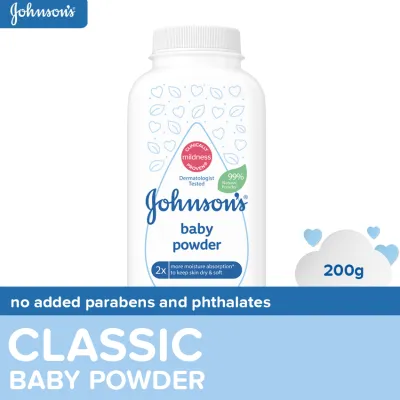
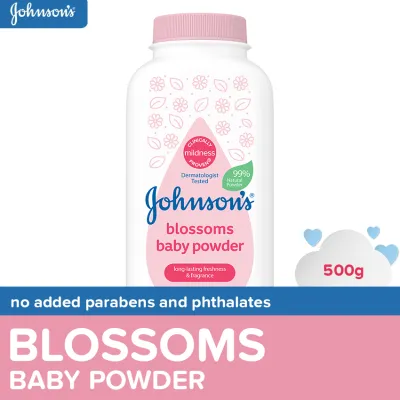
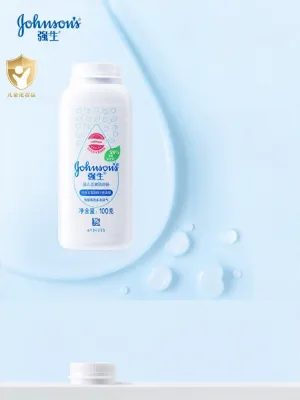
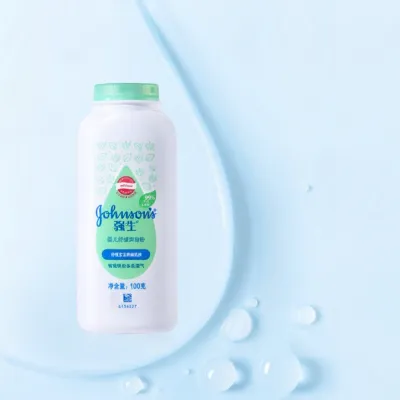
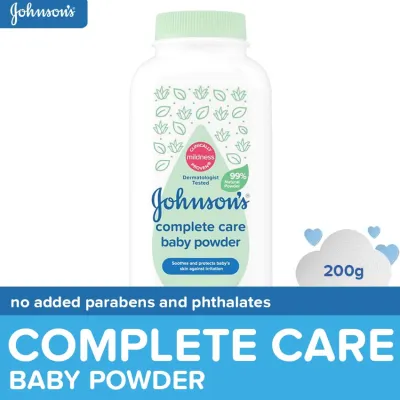
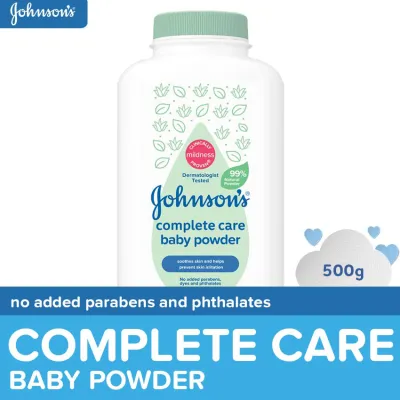
Prices are valid at publication and may change. Please refer to the product page for the latest price.

At the same time, baby skin loses moisture more rapidly than adult skin due to a higher rate of transepidermal water loss. This creates a delicate skincare paradox for parents: how do you keep the skin adequately hydrated while preventing excess sweat from pooling in delicate areas? In a cooler or more temperate climate, applying thick, heavy moisturizing barriers might be the standard recommendation. However, in a tropical environment, these same heavy barriers can easily trap sweat, dust, and environmental pollutants against the skin.
Therefore, the dual goal of post-bath care in a tropical environment is to support the skin’s natural moisture barrier while keeping friction-prone areas completely dry and well-ventilated. When moisture becomes trapped in deep skin folds—such as around the neck, underarms, thighs, and diaper area—it quickly creates a warm, damp breeding ground for bacteria and yeast. Heavy, highly occlusive cosmetic products can exacerbate this issue by sealing the pores, preventing the skin from breathing, and turning minor chafing into painful, inflamed rashes. Caregivers must learn to adjust their product choices based on daily weather conditions, whether the baby spends the day in an air-conditioned room, and which specific body parts require attention.
Baby Powder: Friction Control and Crucial Safety Checks with Johnson's Baby Powder
Benefits for Friction and Sweat Management
Baby powder functions primarily as a mechanical barrier that absorbs excess surface moisture and reduces skin-on-skin friction. When babies move, their chubby skin folds—particularly around the neck, thighs, and diaper line—rub against each other and against clothing. This constant friction can wear down the delicate outer layer of the skin, leading to painful chafing and redness. By applying a fine layer of powder, caregivers can create a smooth glide that minimizes this physical irritation.
Additionally, the high humidity in the Philippines means that even immediately after towel-drying, a baby can begin to sweat. Baby powder helps absorb this residual moisture, keeping the skin surface dry and comfortable. This targeted absorption is especially useful in the diaper area, where excess moisture from urine and sweat can weaken the skin barrier and make it more vulnerable to diaper rash.
Safety Checks: Ingredients and Inhalation Risks
While baby powder is highly effective for friction control, it requires strict safety protocols to protect your baby’s developing respiratory system. The American Academy of Pediatrics (AAP) and pediatricians worldwide have long warned against the inhalation risks associated with airborne powders. When powder is shaken directly onto or near a baby, it creates a cloud of fine particles. If inhaled, these tiny particles can irritate the baby’s sensitive lungs, potentially leading to breathing difficulties or chronic respiratory issues.
To minimize these risks, caregivers must always verify the ingredients on the product label. Historically, many baby powders were made using talcum powder (talc). However, modern pediatric guidelines strongly recommend choosing cornstarch-based formulas instead. Cornstarch has larger particles that do not float in the air as easily, making it a safer option for infant skincare. Trusted global brands, including the makers of Johnson’s baby powder, have transitioned their classic formulations to pure cornstarch in many markets to align with these safety recommendations. Always check the ingredient list before purchasing to ensure you are using a talc-free, cornstarch-based product.
To apply baby powder safely, never shake the container directly onto your baby’s body. Instead, follow these steps:
- Step 1: Step slightly away from your baby to avoid creating an airborne cloud near their face.
- Step 2: Shake a small, controlled amount of the cornstarch powder directly into your own palms.
- Step 3: Gently rub your hands together to distribute the powder evenly and minimize loose dust.
- Step 4: Pat your hands gently onto the baby's skin folds, focusing on the neck, underarms, and thigh creases.
- Step 5: Smooth the powder over the skin in a thin, even layer, ensuring there are no thick clumps left behind.
- Step 6: Store the container tightly closed and completely out of reach of your baby or older children to prevent accidental spills or inhalation.
Baby Oil: Moisture Locking and Humid Weather Drawbacks
Benefits for Moisture Retention
Baby oil is a highly effective occlusive agent designed to lock in hydration by forming a protective barrier over the skin’s surface. Unlike lotions that introduce water into the skin, oils work by trapping existing water that is already present. This makes baby oil exceptionally powerful when applied to damp skin immediately after a bath, sealing in the moisture before it has a chance to evaporate into the air.
This moisture-locking ability is highly beneficial for babies who suffer from naturally dry, flaky skin, or those who spend a significant amount of time in air-conditioned environments. Air conditioners remove moisture from the air, which can quickly dehydrate an infant’s delicate skin. Applying a thin layer of mineral- or plant-based baby oil to the baby’s arms, legs, and back can help maintain a healthy, supple skin barrier, preventing the dry patches and itching that often lead to scratching and secondary irritation.
Drawbacks and Risks in High Humidity
Despite its excellent moisturizing properties, baby oil has notable drawbacks when used in hot, humid weather. Because oils are highly occlusive, they create a thick, water-resistant seal on the skin. In the tropical heat of the Philippines, this seal can easily trap sweat underneath the surface of the skin. When sweat cannot evaporate, the sweat ducts can become inflamed and blocked, rapidly triggering heat rash or worsening existing skin irritation.
Applying baby oil to deep skin folds—such as the neck, armpits, and groin—is particularly risky in a humid climate. These areas are already prone to high moisture levels and friction. Adding oil to these creases can create a heavy, greasy environment that traps sweat, dead skin cells, and natural bacteria, creating an ideal setup for fungal or bacterial infections.
To use baby oil safely in a tropical climate, caregivers should avoid applying it to the baby’s face, chest, or deep skin folds. Instead, use oil sparingly and focus its application on the outer extremities, such as the arms and legs, where sweat glands are less concentrated and the skin is more prone to dryness. Always ensure the skin is slightly damp during application to maximize the moisturizing effect without needing to use a large, heavy amount of product.
Side-by-Side Comparison: Powder vs. Oil
To help you quickly decide which product fits your baby’s immediate skincare needs, review this side-by-side comparison of cornstarch-based baby powder and baby oil.
| Feature | Baby Powder (Cornstarch-based) | Baby Oil (Mineral/Plant-based) |
|---|---|---|
| Primary Function | Absorbs excess moisture and reduces skin-on-skin friction | Locks in moisture by forming an occlusive barrier on damp skin |
| Best Application Areas | Deep skin folds, neck, underarms, and diaper line | Arms, legs, back, and other non-fold areas |
| Climate Suitability | High humidity, hot weather, and sweat-prone environments | Cool, dry, or air-conditioned indoor environments |
| Key Safety Concern | Inhalation of airborne particles (requires careful hand application) | Trapping sweat and heat, leading to clogged pores or heat rash |
| Skin Type Match | Normal, sweaty, or chafing-prone skin | Dry, flaky, or dehydrated skin |
Both products serve distinct dermatological purposes. Rather than choosing one as a permanent replacement for the other, many caregivers find that keeping both on hand allows them to address different skin zones and changing weather conditions throughout the year.
The Decision Framework: What to Use When
To make the safest and most effective choice for your baby’s post-bath routine, look at their skin condition and their immediate environment. You can use this practical decision framework to guide your daily choices:
Choose Baby Powder if:
- Your baby has deep, chubby skin folds that are prone to chafing, redness, and friction.
- The weather is particularly hot and humid, and your baby is sweating heavily after their bath.
- You are focusing on the diaper area to absorb residual moisture before putting on a clean diaper.
- Remember: Always choose a talc-free, cornstarch-based formula and apply it using your hands to prevent airborne dust.
Choose Baby Oil if:
- Your baby's skin appears visibly dry, rough, or flaky, especially on the arms, legs, or back.
- Your baby spends most of their time indoors in a cool, air-conditioned room that dries out their skin.
- You want to perform a gentle baby massage post-bath to promote relaxation and bonding.
- Remember: Apply a very thin layer only to damp, non-fold areas, and avoid the face and chest if your baby is prone to heat rash.
Neither May Fit / Verify First if:
- Your baby has an active case of heat rash (bungang-araw), broken skin, open scratches, weeping eczema, or a diagnosed fungal infection in their skin folds.
- In these situations, applying cosmetic powders or oils can worsen the irritation, trap bacteria, or cause intense stinging. You should immediately stop using these over-the-counter cosmetic products on the affected areas. Instead, consult your pediatrician to obtain a proper diagnosis and appropriate medicated treatments, such as targeted barrier creams or therapeutic ointments.
Before introducing any new product—whether it is a new brand of cornstarch powder or a botanical baby oil—always perform a simple patch test. Apply a tiny amount of the product to a small, clean patch of skin on your baby’s forearm or leg. Monitor the area closely for 24 hours. If you notice any redness, swelling, tiny bumps, or itching, wash the area gently with mild soap and water, discontinue use immediately, and consult a healthcare professional. This simple step helps prevent widespread contact dermatitis and ensures your baby’s skin remains comfortable and healthy.
Frequently Asked Questions (FAQ)
Can I use baby powder and baby oil together on the same area?
No, you should never apply baby powder and baby oil to the same area of your baby’s skin at the same time. When powder and oil are mixed together, they form a thick, clumpy, paste-like residue. This heavy mixture acts like glue on the skin, trapping sweat, dead skin cells, and environmental bacteria directly inside the pores and skin folds.
This clogged environment significantly increases the risk of skin irritation, heat rash, and folliculitis (inflammation of the hair follicles). It also makes the skin much harder to clean during the next bath, which can lead to further rubbing and chafing. To keep your baby’s skin healthy, always choose one product per specific body area based on the primary need. Use cornstarch powder for friction-prone skin folds, and save baby oil for dry, non-fold areas of the limbs.
Is baby oil a safe substitute for diaper rash cream?
While baby oil can be used to gently wipe away stubborn diaper residue or provide a very mild moisture barrier on perfectly healthy skin, it is not a safe or effective substitute for dedicated diaper rash cream. Diaper rash creams are specifically formulated with thick, protective ingredients like zinc oxide or petrolatum. These ingredients create a heavy, physical barrier that actively shields irritated skin from the harsh, acidic moisture of urine and stool. Baby oil is too thin and fluid to provide this level of robust protection.
Furthermore, applying baby oil heavily in the diaper area can degrade the elastic and absorbent materials of some disposable diapers. This degradation can reduce the diaper’s overall absorption capacity, leading to frequent leaks and leaving the baby’s skin in prolonged contact with wetness—which actually increases the risk of diaper rash. For active diaper rash, always use a dedicated, pediatrician-approved barrier cream.

Community discussion
Share your experience or ask a question. Comments are reviewed before publication.