
Finding a reliable baby powder buy 1 take 1 deal can significantly lower your monthly diapering expenses, but stocking up on these promotional bundles requires more than just clicking “add to cart.” In the Philippines, where high humidity and warm temperatures make moisture control a daily priority for parents, baby powder is a staple in many households. However, smart shopping means balancing promotional discounts with product safety, shelf life, and your baby’s specific skin needs.
Navigating Baby Powder Buy 1 Take 1 Promos
Promotional schedules for baby care products are highly dynamic and rarely follow a permanent calendar. Instead of expecting a single brand to offer perpetual buy 1 take 1 deals, parents should look for patterns in retail cycles. Major online marketplaces frequently host monthly double-day campaigns, such as 9.9 or 11.11, where baby brands launch exclusive bundle deals and flash sales.
Physical supermarkets and local department stores also run seasonal baby fairs or clearance events, particularly during back-to-school seasons or year-end inventory clearances. These physical retail events are excellent opportunities to find genuine buy 1 take 1 packages without waiting for shipping.
Products mentioned in this guide
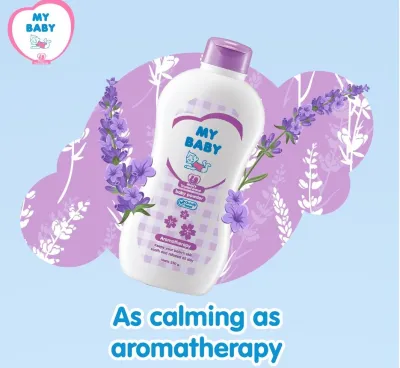
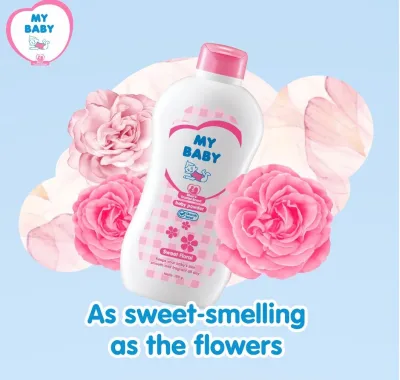
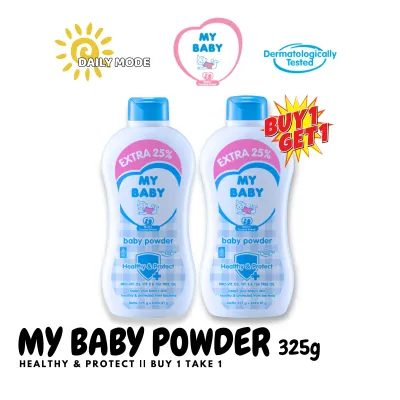
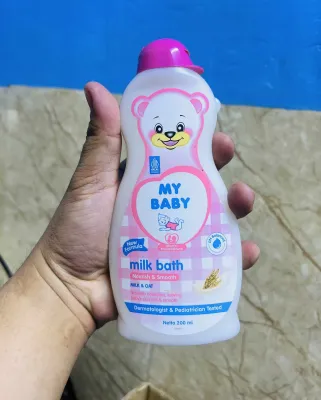
Prices are valid at publication and may change. Please refer to the product page for the latest price.
When shopping online, verifying product authenticity is paramount. Counterfeit baby products can contain harmful contaminants or incorrect ingredients that irritate sensitive skin. Always purchase from official brand flagship stores or authorized digital distributors on your preferred ecommerce platform, looking for verified mall or official store badges.
Parents must also learn to distinguish between genuine bundle discounts and artificial price inflation. Some third-party sellers raise the baseline price of a single bottle of baby powder immediately before a promotional event, making the buy 1 take 1 offer appear far more generous than it actually is. Comparing the promotional bundle price against the standard retail price at a local supermarket is the easiest way to expose this tactic.
How to Calculate the True Value of Bulk Powder Deals
To determine if a buy 1 take 1 deal is truly cost-effective, you must look past the promotional banners and calculate the price per gram. This simple mathematical check allows you to compare different bottle sizes and competing brands on an equal scale.

To find the price per gram, divide the total cost of the promotional bundle by the combined weight of all the bottles included. For example, if a buy 1 take 1 bundle costs ₱180 and contains two 200-gram bottles, the total weight is 400 grams. Dividing ₱180 by 400 grams gives you a unit price of ₱0.45 per gram.
Next, perform the same calculation for a standard, non-promotional single bottle of the same brand. If a single 200-gram bottle normally costs ₱100, the standard price is ₱0.50 per gram. In this scenario, the promotional bundle offers a genuine, albeit modest, saving of ₱0.05 per gram.
Do not forget to factor in secondary costs that can quickly erase your savings. When purchasing online, shipping fees, packaging surcharges, and transaction fees can easily outweigh the discount of a buy 1 take 1 deal. If you must spend an extra ₱150 on shipping to receive a ₱50 discount on powder, the deal is no longer financially practical.
Always check if the online marketplace offers free shipping vouchers or minimum-spend discounts that can be stacked with the buy 1 take 1 promo. If you can stack these discounts, bulk purchasing becomes highly advantageous; if not, buying a single bottle from a local neighborhood grocery store may actually be the cheaper option.
Is Stocking Up on Baby Powder Actually a Smart Choice?
While saving money is highly appealing, stocking up on massive quantities of baby powder is only a smart choice if you can use the product before it degrades. Unopened baby powder generally has a long shelf life, often lasting up to three years from the manufacturing date when stored in ideal conditions.
However, the tropical climate of the Philippines presents unique storage challenges. High humidity and elevated indoor temperatures can cause moisture to seep into even sealed plastic bottles over time. This moisture exposure leads to clumping, which makes the powder difficult to dispense and can foster micro-bacterial growth inside the container.
Once you open a bottle of baby powder, its exposure to ambient air accelerates the degradation process. The recommended usage period after opening is typically much shorter than the total shelf life. If a bottle begins to smell sour, changes color, or forms hard clumps, it must be discarded immediately to protect your baby’s skin.
Furthermore, your baby’s skin care needs will evolve rapidly during their first two years. A newborn who requires frequent moisture absorption may transition quickly to solid foods, leading to changes in diaper rash frequency and skin sensitivity. If your child develops a sudden sensitivity to a specific ingredient, or if you transition to potty training earlier than expected, your massive stockpile of baby powder will go to waste.
Seasonal weather shifts also dictate how much powder you will actually use. During the hot, rainy season, you might use more powder to keep skin folds dry and prevent friction. Conversely, during cooler months, you might rely more heavily on rich barrier creams, causing your powder usage to drop significantly.
Essential Safety and Ingredient Checks Before Stocking Up
Before committing to a bulk purchase of any baby powder, a thorough review of the ingredient label is essential. The two most common base ingredients used in modern baby powders are talc and cornstarch, and each has distinct characteristics that parents must evaluate.
Cornstarch-based baby powders are highly popular because they are naturally talc-free and excellent at absorbing moisture. However, parents should note that cornstarch is an organic carbohydrate; if applied to an active diaper rash caused by a yeast infection, the cornstarch can actually serve as a food source for the yeast, potentially worsening the infection.
Talc-based powders are highly effective at reducing friction and keeping skin dry, but they require extremely careful application. Because talc particles are exceptionally fine, they can easily become airborne and be inhaled by the infant, which can irritate their delicate respiratory system. If you choose a talc-based promotional bundle, you must commit to safe application techniques.
Beyond the base ingredients, check the label for added synthetic fragrances, essential oils, and artificial dyes. While a scented powder can help mask diaper odors, fragrances are common triggers for contact dermatitis and skin irritation in infants. Opting for fragrance-free or hypoallergenic formulas is generally safer when buying in bulk, as these formulas are less likely to cause sudden skin reactions.
Finally, always inspect the manufacturing and expiration dates as soon as your promotional order arrives. Some retailers use buy 1 take 1 promotions to quickly clear out older inventory that is nearing its expiration date. If you receive bottles that expire in three months, and you bought a year’s supply, you will end up throwing away expired, unsafe products.
Building a Balanced Diaper Care Budget
A smart diaper care budget allocates funds based on the actual therapeutic needs of your baby’s skin. While baby powder is excellent for daily moisture absorption and preventing friction in healthy skin folds, it is not an active treatment for diaper dermatitis.
If your baby develops an active diaper rash, you should prioritize purchasing high-quality barrier creams or ointments containing zinc oxide or petroleum jelly. These products physically shield the skin from wetness and enzymes in stool, promoting rapid healing. Investing all your diaper care budget into bulk baby powder promos at the expense of a reliable barrier cream can leave you unprepared when a severe rash occurs.
To avoid wasting money, never buy a bulk buy 1 take 1 bundle of a brand or formulation your baby has not tried before. Purchase a single, small travel-sized bottle first to conduct a patch test on your baby’s skin. If their skin remains clear and healthy after a week of regular use, you can confidently wait for the next promotional event to stock up on that specific product.
For parents who do decide to stock up, proper inventory management is key to preserving product quality. Implement the First-In, First-Out (FIFO) method by placing your newly purchased promotional bottles at the back of your storage cabinet and moving older bottles to the front.
Store your stockpile in a cool, dry closet or pantry rather than the bathroom, where steam from showers can compromise the seals. Keeping the bottles elevated off the floor and away from direct sunlight will prevent premature clumping and preserve the integrity of the ingredients until they are ready for use.
Frequently Asked Questions (FAQ)
How long does baby powder last once opened?
- Period After Opening (PAO) symbol: Look for the open jar icon on the back of the bottle, which typically indicates a safe usage window of 12 to 24 months.
- Physical quality checks: Regularly inspect the powder for clumping, off-odors, or discoloration, which are signs of moisture contamination.
- Storage impact: Bottles kept in high-humidity areas like bathrooms will degrade much faster than those stored in dry closets.
Can I use baby powder on a newborn?
- Pediatrician consultation: Always consult your pediatrician before introducing any powder to a newborn's daily routine.
- Inhalation risks: Avoid shaking powder directly near the baby's face, as fine particles can irritate their developing respiratory system.
- Safe application method: Shake a small amount of powder into your hands away from the baby, pat your hands together, and gently smooth it onto the skin folds.
Community discussion
Share your experience or ask a question. Comments are reviewed before publication.