
Determining whether a mosquito repellent bracelet is safe for your baby is not a simple yes-or-no decision. While these wearable accessories offer a convenient way to ward off bites during humid, dengue-prone months, their safety depends heavily on the specific active ingredients, your infant’s developmental stage, and their individual skin sensitivity. Parents must verify manufacturer age limits, check ingredient labels against pediatric guidelines, and monitor for physical or skin hazards before use.
Understanding the Safety of Mosquito Repellent Bracelets for Infants
When evaluating wearable repellents, physical hazards are often the most immediate concern for parents. A baby’s natural instinct is to explore the world with their mouth, meaning any accessory worn on the wrist or ankle can easily end up being chewed. If a bracelet is loose, breakable, or features small detachable parts, it presents a severe choking hazard. Elastic bands or cords can also pose strangulation risks if they catch on crib corners or stroller parts, making constant adult supervision mandatory whenever a baby is wearing any accessory.
Skin contact risks require equal consideration, especially in warm, tropical climates. Infant skin is significantly thinner and more permeable than adult skin, making it highly susceptible to absorbing topically applied substances. When a bracelet saturated with concentrated repellent substances sits directly against a baby’s wrist or ankle, the constant friction and sweat can cause localized irritation, rashes, or chemical burns. Even if the active ingredients do not touch the skin directly, the close proximity of volatile compounds to a baby’s face can affect their sensitive airways.
Products mentioned in this guide
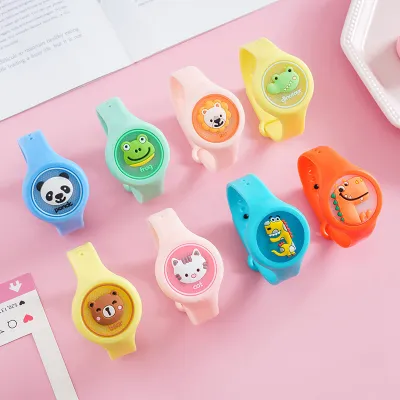
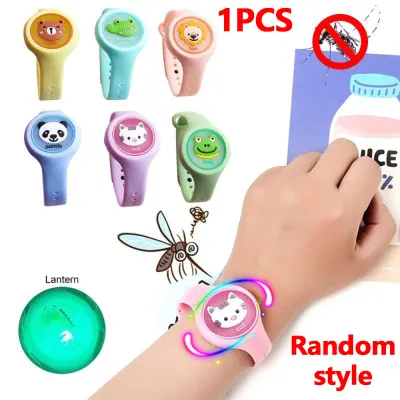
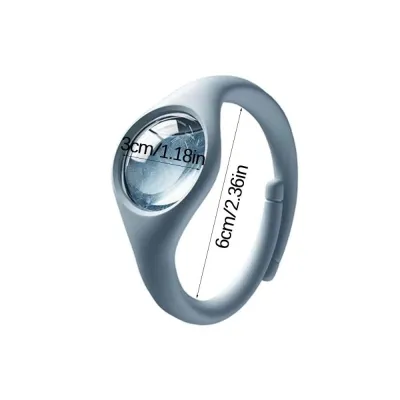
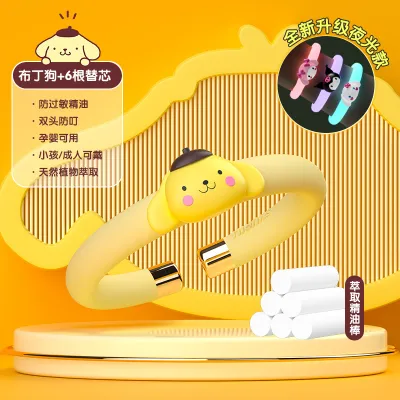
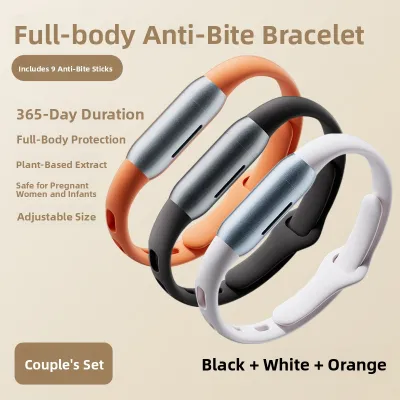
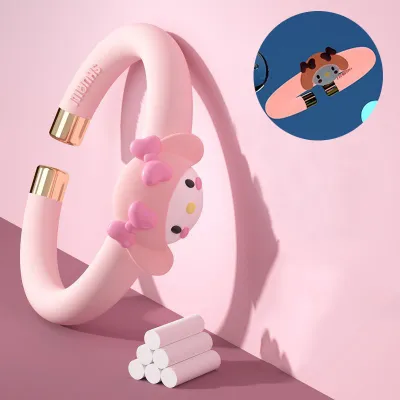
Prices are valid at publication and may change. Please refer to the product page for the latest price.
To mitigate these risks, establish a strict routine of inspecting the packaging before purchase. Look for explicit age recommendations, weight limits, and warnings provided by the manufacturer. If a product does not clearly state a minimum age or is labeled “for all ages” without detailed ingredient disclosures, it is best to pause and verify its safety with a professional rather than assuming it is safe for an infant.
Ingredients to Check and Potentially Avoid
Reading the ingredient label is your primary line of defense when choosing protective wear for your child. You must cross-reference every substance listed on the packaging with current guidelines from pediatric associations or local health authorities to ensure they are approved for infant use.

Do not let marketing buzzwords like “natural,” “organic,” or “plant-based” lower your guard. These terms are not standardized and do not automatically guarantee safety for a baby’s delicate skin or developing respiratory system. Many natural substances can be highly irritating in concentrated forms.
If you are ever unsure about a specific chemical or botanical compound listed on a product, pause use immediately. Consulting a pediatrician or a qualified healthcare professional is the safest way to get personalized guidance tailored to your baby’s health profile.
Common Plant-Based and Essential Oil Ingredients
Many wearable repellents rely on essential oils to deter insects, often marketed as a safer alternative to synthetic chemicals. Common botanical ingredients include citronella, eucalyptus, peppermint, and lemongrass. While these oils are derived from plants, they are highly concentrated and can be potent skin irritants and allergens when they come into direct contact with sensitive infant skin.
When reviewing a product label, check for the concentration levels of these essential oils and look for specific manufacturer warnings regarding direct skin contact or inhalation risks for infants. Some botanical oils, such as oil of lemon eucalyptus, are explicitly restricted by health authorities for children under a certain age due to potential adverse reactions. Always verify these age-specific restrictions on the product packaging before use.
Keep a close eye on your baby’s environment and behavior when using scented products. If you notice signs of respiratory sensitivity, such as coughing, sneezing, or watery eyes, or if you observe localized skin redness where the scent is strongest, remove the source immediately. Ensure the room is well-ventilated and avoid using highly concentrated botanical scents in enclosed spaces like nurseries or cars.
Synthetic Chemical Repellents
Some wearable bracelets utilize synthetic active ingredients to provide a barrier against mosquitoes. It is crucial to read the active ingredient list carefully to identify the exact synthetic compounds embedded in the material. Common synthetic repellents used in liquid formulations, such as DEET, picaridin, or IR3535, may occasionally be adapted for wearable formats, and each carries distinct safety profiles.
Check the age restrictions and usage limits specified by health authorities for these synthetic repellents. For instance, many pediatric guidelines advise against using any synthetic chemical repellents on infants under two months of age, and restrict the concentration levels allowed for older babies. These guidelines can vary depending on the country and the specific formulation, making careful label reading essential.
Understand the safety differences between skin-applied synthetic liquids and those embedded within wearable silicone or fabric materials. While a wearable band prevents direct liquid absorption into the skin, the constant friction and close proximity to the baby’s face still require careful evaluation. Ensure that any synthetic repellent bracelet you consider is explicitly rated for infant wear and does not allow the active chemical to rub off onto the baby’s hands, which frequently go into their mouth or eyes.
Age Recommendations and Usage Boundaries
Before purchasing any wearable repellent, check the product’s packaging for explicit minimum age requirements, weight limits, and size guidelines. Manufacturers design these products based on specific developmental milestones, and ignoring these boundaries can expose your baby to unnecessary physical and chemical risks.
Evaluate your baby’s current mobility and oral exploration phase. Babies naturally put their hands, feet, and nearby objects into their mouths to explore. If your baby is in this active oral phase, wearing a bracelet on their wrist or ankle is highly risky, as they may chew on the band and directly ingest the repellent chemicals or choke on the material.
If direct wear is not advised or if you want to minimize skin contact, consider proper placement alternatives. You can attach the bracelet securely to the frame of a stroller, the outside of a playpen, or clothing—strictly out of your baby’s reach. This allows the repellent scent to function as a localized barrier without touching your baby’s sensitive skin or entering their mouth.
How to Monitor for Skin Reactions and When to Stop
If the manufacturer’s instructions allow for direct skin contact and you decide to use the bracelet, perform a pre-use patch test. Place the bracelet near a small, non-sensitive area of the baby’s skin for a very short period, strictly following any patch-testing guidelines provided on the packaging, to check for immediate sensitivity.
During wear, monitor your baby closely for visual and behavioral signs of contact dermatitis. Look for localized redness, swelling, small bumps, or dry patches. Behavioral signs, such as your baby scratching at the area or showing unusual fussiness, can also indicate discomfort or itching.
If you observe any signs of irritation, take immediate action. Remove the bracelet right away and wash the affected skin thoroughly with mild baby soap and cool water to remove any remaining residue. Seek medical advice from a pediatrician if the redness, swelling, or irritation persists or worsens over the next few hours.
Alternative Mosquito Protection Strategies for Babies
When wearable bracelets are unsuitable, insufficient, or unsafe for your baby’s developmental stage, physical barriers offer excellent, chemical-free protection. Use properly fitted mosquito nets over strollers, cribs, bassinets, and playpens to keep insects at bay during outdoor walks or nap times.
Your choice of clothing can also serve as a highly effective shield. Dress your baby in light-colored, loose-fitting, long-sleeved shirts and long pants. Light colors are less attractive to mosquitoes, and loose-fitting fabrics make it more difficult for insects to bite through to the skin while keeping your baby cool in warm, humid weather.
Implement robust environmental controls around your home to reduce mosquito populations. Regularly eliminate standing water in flower pots, buckets, and drains where mosquitoes breed. Ensure that window and door screens are intact and free of tears, and consider using indoor physical traps to maintain a safe indoor environment.
Frequently Asked Questions (FAQ)
Can I use a mosquito repellent bracelet on a newborn?
You should strictly check the manufacturer’s explicit minimum age limit, which almost always excludes newborns. Newborns have exceptionally thin, highly permeable skin and highly sensitive respiratory systems that can easily be overwhelmed by volatile compounds or strong scents. For this vulnerable age group, rely on physical barriers like fine-mesh mosquito nets and protective clothing as the primary and safest defense.
Do mosquito repellent bracelets actually work for babies?
Wearable repellents generally provide a limited, localized radius of protection around the band itself rather than full-body coverage. Because of this localized effect, a bracelet on the wrist may not protect a baby’s legs or face. Parents should rely on a comprehensive, multi-layered protection strategy—combining physical nets, appropriate clothing, and environmental controls—rather than depending solely on a single bracelet, especially in areas with high mosquito activity.
Community discussion
Share your experience or ask a question. Comments are reviewed before publication.