
Protecting a newborn from mosquito bites is a constant priority for parents, especially in warm, humid tropical environments where mosquitoes thrive year-round. When searching for convenient solutions, a baby mosquito patch often stands out as an appealing, fuss-free option. However, determining whether these patches are safe for infants under six months requires a careful look at how they work and how a newborn’s body reacts to their active ingredients.
Most pediatric experts and health organizations advise against using mosquito patches directly on or near infants under six months of age. While these products are often marketed as natural or non-toxic, the concentrated volatile oils they release can pose respiratory and skin risks to very young babies. Before purchasing or applying any repellent patch, caregivers must understand the physiological vulnerabilities of newborns and explore safer, physical alternatives.
Understanding How Baby Mosquito Patches Work
To evaluate the safety of a baby mosquito patch, it helps to understand its design and mechanism. Unlike traditional insect repellent lotions or sprays that are applied directly to the skin, a mosquito patch is a small adhesive sticker infused with active repellent ingredients. These ingredients are formulated to evaporate slowly into the surrounding air, creating a localized scent barrier that deters mosquitoes from landing nearby.
Products mentioned in this guide
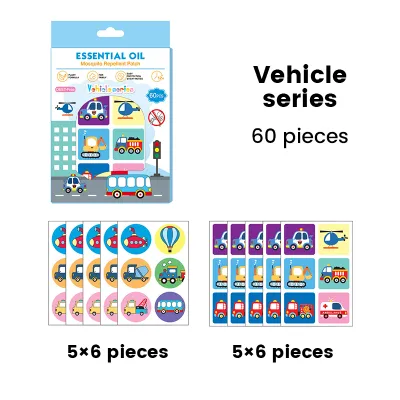
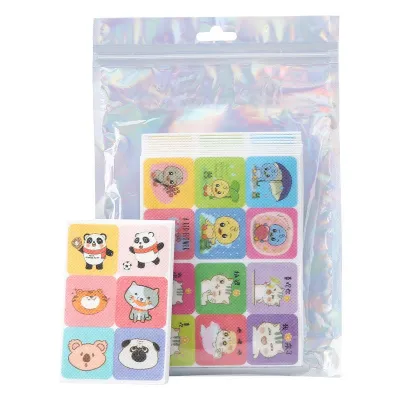
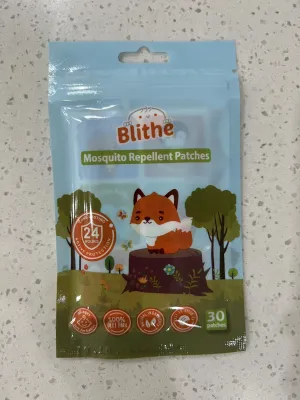
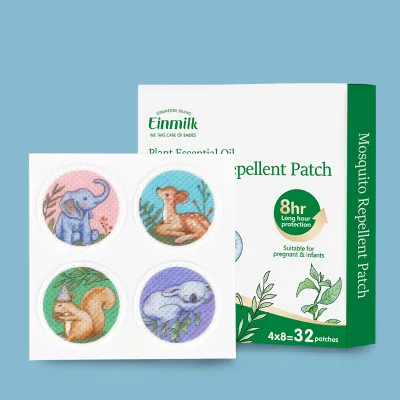
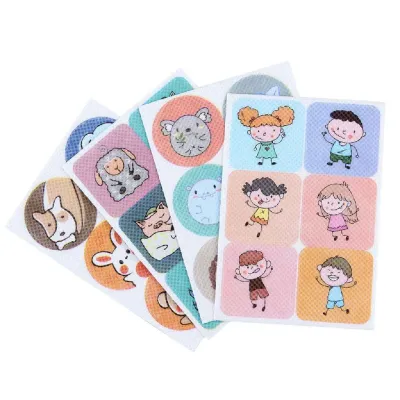
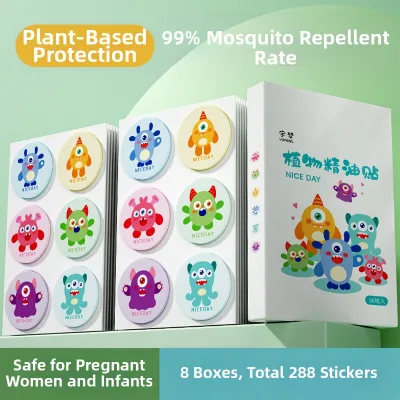
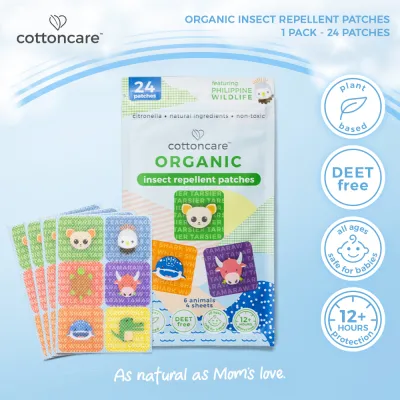
Prices are valid at publication and may change. Please refer to the product page for the latest price.
Because these patches rely on evaporation, they do not need to be applied directly to your baby’s delicate skin to function. Instead, manufacturers typically instruct parents to stick them onto clothing, stroller frames, bassinet edges, or nearby furniture. This design minimizes direct dermal absorption, which is a significant advantage when dealing with the sensitive skin of older babies, but it does not completely eliminate exposure.
The protective zone created by a patch is highly localized, often referred to as a scent bubble. This means the patch only deters insects in the immediate vicinity of the sticker itself. It does not provide the comprehensive, whole-room protection that a mosquito net or a spacious indoor screen setup offers, meaning mosquitoes can still target uncovered areas of the body if the patch is placed too far away.
Key Safety Considerations for Infants Under 6 Months
Infants under six months of age possess highly delicate physiological systems that are still developing rapidly. Their respiratory tracts, skin barriers, and immune systems are far more sensitive than those of older toddlers, making them highly vulnerable to external chemical and aromatic triggers. Understanding these specific vulnerabilities is crucial before introducing any volatile product into their immediate environment.

Respiratory sensitivity is one of the primary concerns when using scented patches near a newborn. The active ingredients in these patches are almost always highly concentrated volatile substances, such as essential oils, which must evaporate into the air to be effective. In enclosed spaces—such as a draped stroller, a small nursery, or a car interior—these strong scents can quickly accumulate. A young infant’s developing lungs can easily become irritated by these concentrated vapors, potentially leading to coughing, congestion, or breathing discomfort.
Skin sensitivity is another critical factor to consider. Even though patches are designed to be stuck onto fabrics rather than directly onto the skin, accidental contact is always a risk. The adhesive backing of the patch can cause localized redness or allergic contact dermatitis if it touches a baby’s bare skin. Furthermore, the concentrated oils infused within the patch can sometimes seep through thin clothing fabrics, leading to direct skin exposure and subsequent irritation or chemical burns on highly sensitive newborn skin.
Physical hazards, such as choking and accidental ingestion, present a severe risk for babies as they grow and begin to explore their surroundings. Around the age of three to six months, infants start developing hand-eye coordination and will instinctively reach for colorful or textured objects to put in their mouths. A bright, patterned mosquito patch stuck to a sleeve, collar, or stroller bar can easily catch a baby’s eye. If the baby manages to peel the patch off, it becomes an immediate choking hazard or a source of accidental chemical ingestion.
How to Evaluate Ingredients and Product Labels
When shopping for pest protection, parents are often confronted with a wide array of products claiming to be completely safe, organic, or pediatric-approved. Navigating these claims requires a critical eye and a systematic approach to reading product labels. Caregivers should never assume a product is suitable for a newborn simply because it features a cartoon character or is placed in the baby care aisle of a store.
The first step in evaluating any baby mosquito patch is to search the packaging for explicit age restrictions and manufacturer warnings. Many reputable brands will clearly state on the back or side panel if the product is not recommended for infants under six months or under two years of age. If a package lacks clear age-specific usage guidelines, it is safest to err on the side of caution and avoid using it on or near a young infant until you can verify its safety with a healthcare professional.
It is also essential to look closely at the active ingredient list rather than relying on broad marketing terms like “100% natural” or “chemical-free.” Many natural patches rely heavily on plant-derived essential oils such as citronella, eucalyptus, lemongrass, or peppermint. While these ingredients are generally preferred over synthetic chemicals like DEET for older children, they are still highly concentrated chemical compounds in their own right. For a newborn, these natural extracts can be just as irritating to the respiratory system and skin as synthetic alternatives.
Finally, parents should look for independent verifications rather than taking marketing slogans at face value. Claims such as “pediatrician-tested” or “dermatologically approved” should ideally be backed by recognizable regulatory bodies or clear testing standards mentioned on the packaging. Because safety standards and product recalls are dynamic, parents should regularly check local health department advisories to ensure the brand they are considering has not been flagged for unsafe ingredients or misleading labeling.
Safe Usage Guidelines and When to Stop
If a pediatrician has cleared the use of a specific mosquito patch for your baby, or if you are using them in an open, well-ventilated outdoor setting, strict adherence to safe application guidelines is vital. Minimizing risk requires careful placement and constant monitoring of your baby’s physical reactions.
When applying a patch, always choose a location that is completely out of your baby’s line of sight and reach. The upper back of their clothing is often the safest spot on their garments, as they cannot easily reach or see it. Alternatively, you can attach the patch to the exterior frame of a stroller or the underside of a playpen rail, ensuring it is close enough to provide a localized deterrent but far enough to prevent direct physical contact.
Adequate ventilation is non-negotiable when using any product that relies on volatile vapors. Never use mosquito patches in small, closed rooms, unventilated nurseries, or under tightly zipped stroller rain covers where the scent can concentrate. If you notice the aroma of the patch is strong enough to overwhelm your own senses, it is undoubtedly too concentrated for your infant’s sensitive respiratory system.
Caregivers must remain vigilant for any physical signs of distress or allergic reactions. If your baby begins to cough, sneeze, develop watery eyes, or show signs of labored breathing, remove the patch immediately and move the baby to a fresh-air environment. Similarly, check the skin beneath and around the patch area for any signs of redness, swelling, or hives. If any of these symptoms occur, discontinue use immediately and consult a healthcare professional.
Safer Mosquito Protection Alternatives for Young Infants
Given the potential risks associated with volatile chemical and natural patches, physical barriers and environmental controls remain the highly reliable and non-chemical primary defense against mosquitoes for infants under six months. These methods provide reliable protection without introducing any foreign substances into your baby’s breathing zone or onto their skin.
High-quality physical barriers are highly recommended by pediatric associations worldwide. A properly fitted mosquito net designed for cribs, bassinets, or strollers is an incredibly effective way to keep pests at bay. When selecting a net, ensure the mesh is fine enough to block tiny insects while still allowing optimal airflow, and verify that the netting is securely anchored so it cannot fall onto the baby and pose a suffocation hazard.
Dressing your baby in appropriate clothing is another simple yet highly effective protective measure. Opt for lightweight, loose-fitting, and light-colored garments that cover as much skin as possible, such as long-sleeved onesies and long pants. Mosquitoes are naturally attracted to dark colors and can easily bite through tight clothing, so loose, light fabrics provide an excellent physical shield while keeping your baby cool in warm tropical climates.
Managing your immediate environment is equally crucial for long-term protection. Regularly inspect your home and yard to eliminate any standing water where mosquitoes can breed, such as in flowerpot saucers, open buckets, or clogged drains. Ensure that window and door screens are intact and free of tears, and try to keep your baby indoors during peak mosquito activity hours, which typically occur during the early morning and late afternoon.
Frequently Asked Questions (FAQ)
Can I use natural essential oil patches instead of chemical ones?
While natural essential oil patches are often marketed as a safer alternative to synthetic chemical repellents, they are not necessarily safe for infants under six months. Essential oils like citronella, eucalyptus, and peppermint are highly concentrated plant extracts that can still trigger severe respiratory irritation or skin allergies in newborns. Always consult your pediatrician before introducing any essential oil products into your baby’s immediate environment.
What should I do if my baby accidentally touches or mouths a mosquito patch?
If your baby makes direct skin contact with a patch, gently peel it off and wash the affected skin area thoroughly with mild baby soap and lukewarm water to remove any adhesive or oil residue. If your baby mouths or swallows a patch, immediately check their mouth for any remaining pieces, rinse their mouth with water if possible, and seek immediate medical attention or contact a local poison control center for professional guidance.
Community discussion
Share your experience or ask a question. Comments are reviewed before publication.