
When preparing a nursery in the Philippines, choosing a baby mattress requires looking past soft fabrics and cute designs to focus strictly on structural safety. A safe infant mattress must be exceptionally firm, fit the crib frame with zero dangerous gaps, and carry verifiable safety certifications that prove it is free from harmful chemicals and physical hazards. Because infants spend up to 18 hours a day asleep, their sleep surface is the single most critical factor in preventing accidental suffocation and entrapment.
Why Mattress Safety is Critical for Infant Sleep
Establishing a secure sleep environment is the foundation of infant care. Standard pediatric guidelines emphasize that babies must always be placed on their backs to sleep, on a flat and firm surface, completely free of loose blankets, pillows, bumper pads, or stuffed toys. While caregivers often focus on the crib frame itself, the mattress is the actual surface supporting the infant’s developing body and airway throughout the day and night.
A mattress that is too soft or poorly fitted poses immediate physical risks. If an infant rolls over or shifts during sleep, a soft surface can conform to their face, potentially blocking their nose and mouth. Similarly, gaps between the mattress and the crib sides can trap a baby’s head or limbs. Understanding these physical dynamics helps parents prioritize structural integrity over plush comfort.
Products mentioned in this guide
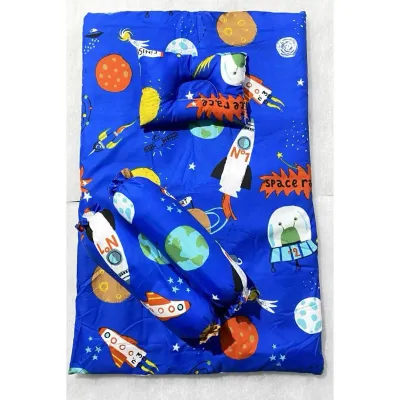
Prices are valid at publication and may change. Please refer to the product page for the latest price.
While selecting the right mattress is a vital step in setting up a nursery, it is only one part of a comprehensive approach to infant wellness. Caregivers should always consult a pediatrician or a qualified healthcare professional for personalized guidance regarding sleep safety, developmental milestones, or specific health concerns. Product features can support safe sleep practices, but they do not replace professional medical advice.
Key Design Features to Verify for a Safe Sleep Environment
Evaluating a baby mattress requires a hands-on inspection of its physical properties. Parents should not rely solely on product descriptions or online reviews; instead, verifying specific design elements in person or through detailed manufacturer specifications is essential.

Firmness and Surface Support
An infant mattress must feel significantly firmer than an adult mattress. To verify this, you can perform a simple “hand press” test: press your hand firmly into the center and edges of the mattress, then release. A safe mattress will immediately spring back to its original flat shape without leaving an indentation. If the surface conforms to your hand or takes several seconds to recover, it is too soft for an infant.
Soft surfaces, including memory foam, plush pillow tops, or sagging cores, present severe suffocation hazards. Infants lack the neck strength and motor skills to lift or turn their heads if they roll face-down onto a conforming surface. A rigid, unyielding surface keeps the baby’s airway clear and provides the necessary resistance as they begin to roll and move.
Always check the manufacturer’s label—whether looking at brands like bby or other reputable nursery manufacturers—to verify the recommended age, weight, and developmental stage. Some mattresses feature dual-sided designs with a firm side for infants and a slightly softer side for toddlers. Ensure you are using the correct side designated for your baby’s current stage of development.
Snug Fit and Crib Dimensions
A safe mattress must fit the crib frame perfectly, leaving no space where a baby could slip or become trapped. To test the fit, apply the “two-finger rule” once the mattress is placed inside the crib. If you can fit more than two fingers between the edge of the mattress and the crib frame, the mattress is too small and must not be used.
Before purchasing, measure the internal dimensions of your crib frame and compare them directly with the physical dimensions printed on the mattress packaging. Standard cribs and mattresses generally share compatible measurements, but slight variations between manufacturers can create dangerous gaps. Never assume a mattress will fit based on category names alone.
Pay close attention to the corners and edges of the mattress. The corners should be square rather than overly rounded to ensure they sit flush against the crib posts. Additionally, the border wire or edge support must remain firm and upright under pressure, preventing the mattress from sagging or folding inward when the baby moves near the perimeter.
Breathability and Material Composition
In a tropical, high-humidity climate like the Philippines, breathability is a crucial factor for both comfort and safety. Look for mattresses that feature breathable covers, mesh borders, or open-cell core structures designed to promote continuous airflow. Proper ventilation helps dissipate body heat and moisture, reducing the risk of overheating during warm nights.
Examine the physical product tag for a complete, transparent list of materials used in both the core and the cover. Avoid mattresses that use vague descriptions or fail to disclose chemical treatments, such as synthetic flame retardants or water-resistant coatings. A reputable manufacturer will clearly state the composition of every layer.
Hygiene and breathability go hand in hand, especially when dealing with spills and diaper leaks. Review the care labels for specific washing instructions. A safe mattress should feature a removable, washable cover that can be cleaned frequently without shrinking, losing its shape, or compromising the underlying mattress structure.
How to Identify and Verify Safety Certifications
Navigating the market requires distinguishing between genuine safety standards and clever marketing language. Because the term “organic” or “natural” is not legally bound to specific safety performance, parents must look for independent, third-party certifications.
When inspecting a mattress, look for physical, permanently attached tags that display recognized international or local safety marks. These labels indicate that the product has undergone rigorous testing for structural integrity, chemical emissions, and flammability. In the Philippines, look for official compliance marks or recognized global standards that verify the product’s safety for indoor residential use.
Do not take certification logos at face value. Reputable manufacturers make it easy to verify their credentials by providing registration numbers or clear documentation. You can cross-reference these certification numbers directly on the official website of the issuing organization to ensure the certification is active, authentic, and specifically covers the mattress model you are purchasing.
Be wary of unregulated marketing buzzwords such as “eco-friendly,” “hypoallergenic,” or “non-toxic” when they are not backed by a verifiable certification seal. These terms are often used loosely to appeal to health-conscious parents without indicating any actual safety testing. A certified mattress will always name the specific standard it has met.
If a mattress lacks a physical law tag, has faded or poorly printed labels, or does not provide verifiable certification details, stop the purchase immediately. A lack of transparent safety labeling is a major red flag, indicating that the product may not meet basic safety requirements. It is always safer to choose an alternative with clear, verifiable credentials.
Red Flags and Unsafe Features to Avoid
Identifying what to avoid is just as important as knowing what to look for. Certain design elements, though appearing comfortable or luxurious, are inherently unsafe for infant sleep environments and should be avoided entirely.
Avoid mattresses that feature soft pillow tops, thick quilting, loose fabric covers, or any decorative elements that create deep pockets or uneven surfaces. These features can easily trap carbon dioxide around a baby’s face or restrict their breathing if they roll over. The sleep surface must remain completely flat, smooth, and taut.
Pay attention to physical sensations when unboxing a new mattress. A strong, lingering chemical odor—often referred to as off-gassing—is a sign of volatile organic compounds (VOCs) escaping from synthetic foams or adhesives. While some minor odor is common initially, a high-quality, certified mattress should not emit a strong, persistent chemical smell, particularly in enclosed or poorly ventilated nursery spaces.
Finally, treat missing or incomplete product information as an absolute dealbreaker. A mattress that arrives in damaged packaging, lacks a clear country of origin, or does not provide direct contact information for the manufacturer or local distributor should not be used. Reliable brands prioritize transparency, providing clear customer support channels and detailed instruction manuals to ensure safe setup and maintenance.
Frequently Asked Questions (FAQ)
Is it safe to use a second-hand or handed-down baby mattress?
Using a second-hand or handed-down baby mattress is generally not recommended due to several hidden safety risks. Over time, mattresses can lose their structural firmness, develop internal sagging that is not visible to the naked eye, or accumulate moisture, dust mites, and mold within the core. These factors can compromise both the physical support and the air quality of your baby’s sleep environment.
A second-hand mattress should only be considered under exceptionally strict conditions: you must know its complete history, verify that it has been stored in a clean, dry environment, and confirm that it shows absolutely no signs of sagging, indentation, or wear. It must also feature an intact, waterproof original cover that has kept the inner core completely dry. If any of these conditions are uncertain, purchasing a new mattress is the safest choice to guarantee structural integrity and hygiene.
Do I need a waterproof mattress protector?
A waterproof mattress protector is highly recommended to maintain hygiene and protect the structural integrity of the mattress core. In humid climates, moisture from spills, diaper leaks, and sweat can easily seep into the mattress, creating an ideal breeding ground for mold, mildew, and bacteria. A protector acts as a barrier, keeping the mattress clean and dry.
However, the protector itself must meet strict safety criteria. It must fit the mattress tightly and securely, without any loose fabric, wrinkles, or bunching that could create a suffocation hazard. Choose a protector made from breathable, high-quality materials that do not trap excessive heat, and verify that it can withstand frequent, high-temperature washing to ensure thorough sanitization.
Community discussion
Share your experience or ask a question. Comments are reviewed before publication.