
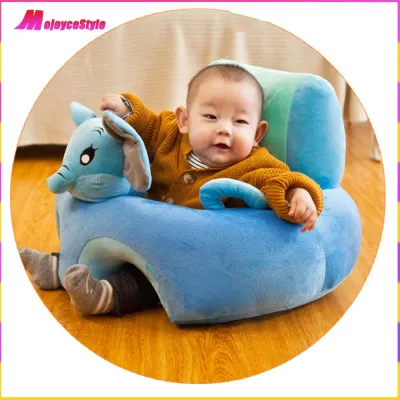
To ensure a baby learning seat sofa is safe, you must verify its structural stability, material integrity, and developmental suitability before making a purchase. A safe seat must feature a wide, low-profile base to prevent tipping, a secure and adjustable harness system, and non-toxic, breathable fabrics that can withstand frequent washing. Because infants are still developing their core strength and motor skills, choosing a seat that matches their exact physical milestones is critical to preventing falls, airway obstruction, and other physical injuries.
While these supportive seats offer a convenient spot for your baby to observe their surroundings, they are not designed for unsupervised use or sleep. In tropical climates like the Philippines, where high humidity and warm temperatures are common, material choices and hygiene features require extra attention. By carefully evaluating the physical design, safety certifications, and manufacturer guidelines, you can select a product that supports your baby’s development without compromising their safety.
Structural Stability and Fall Prevention
When evaluating a baby learning seat sofa, the physical design of the base is your first line of defense against accidental falls. Infants have disproportionately heavy heads relative to their bodies, giving them a high center of gravity. When a baby leans forward, reaches for a toy, or shifts their weight sideways, a seat with a narrow or lightweight base can easily tip over. Look for a seat with a wide, flared base that distributes weight evenly across a large surface area, ensuring the product remains firmly planted on the ground during sudden movements.
Products mentioned in this guide
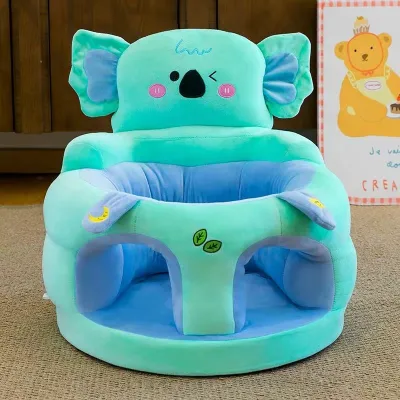
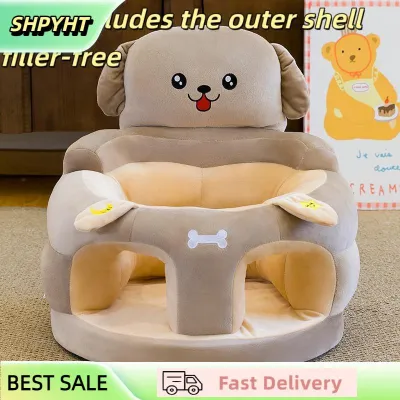
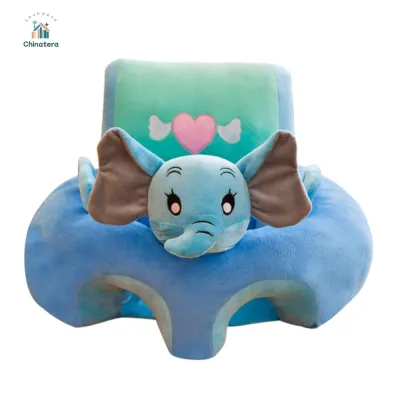
![[Bside Tool Store] Infant Safety Seat Sofa Cover Without Cotton Plush Baby Learning Sit Chair Toys{not contain cotton}](https://img.lazcdn.com/g/p/a232bc2ecc7cfeb353c9bac3f412dacd.jpg_400x400q80.jpg_.webp)
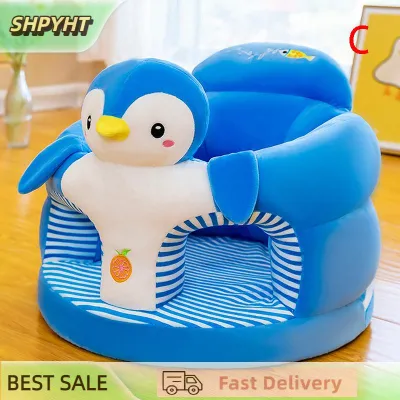
Prices are valid at publication and may change. Please refer to the product page for the latest price.
A secure harness system is equally vital to keep your baby from slipping downward or climbing out of the seat. Opt for models equipped with an adjustable three-point or five-point harness made of durable, high-density webbing. The buckle should require adult strength to release, preventing older infants from accidentally unfastening themselves. Ensure the straps are soft against the skin and can be adjusted snugly around your baby’s waist and crotch without causing friction or pinching.
Additionally, consider the surface where the seat will be used. Many homes feature smooth ceramic tiles, polished marble, or varnished wooden floors, which can be highly slippery. A baby’s active kicking and wiggling can cause a lightweight foam seat to slide across these surfaces. To prevent this, verify that the bottom of the seat is equipped with rubberized traction grips or a highly textured, non-slip fabric that anchors the seat securely to the floor.
Material Safety and Fabric Integrity
Because babies naturally explore their environment by touching and mouthing objects, the chemical and physical safety of the seat’s materials is paramount. Carefully inspect the product labels and manufacturer descriptions to confirm that all fabrics, foams, and plastics are free from harmful substances such as lead, phthalates, BPA, and toxic flame retardants. Look for recognized material safety standards on the packaging to ensure the components have been tested for chemical emissions.

In humid tropical environments, fabric breathability is essential for your baby’s comfort and skin health. Heavy, non-breathable synthetic materials can trap body heat and sweat, quickly leading to painful heat rashes or skin irritation. Choose seats covered in natural cotton blends or specialized breathable mesh fabrics that promote continuous airflow. The inner cushioning should consist of dense, high-resilience foam that supports the baby’s posture without sagging, while resisting moisture retention that can encourage mold and mildew growth.
Physical durability is another critical factor to check. The seat will inevitably encounter spills, drool, and diaper leaks, making a removable and machine-washable cover a necessity. Examine the stitching along the seams; double-stitched seams are much less likely to fray or tear under tension. Ensure that any zippers are recessed or covered by a thick fabric flap to prevent the metal or plastic teeth from scratching your baby’s delicate skin or becoming a tempting chewing hazard.
Age, Weight, and Developmental Limits
Every baby learning seat sofa is engineered to support a specific range of physical sizes and developmental stages. Before purchasing, locate the manufacturer’s stated maximum weight and age limits, which are typically printed on the packaging or in the instruction manual. Adhering strictly to these limits is crucial, as exceeding them can compromise the seat’s structural integrity and increase the risk of tipping.
Your baby’s physical milestones are a far more reliable indicator of readiness than chronological age alone. A baby must demonstrate strong, consistent head and neck control before they can safely use an upright learning seat. If an infant’s neck muscles are not yet strong enough to support their head, their chin can drop forward onto their chest. This position can compress their airway and lead to positional asphyxiation, a silent and life-threatening hazard. Never place a newborn or a floppy infant in an upright support seat.
It is equally important to recognize the physical signs that your baby has outgrown the seat. If your baby’s shoulders extend significantly above the backrest, if their legs are tightly pinched by the leg openings, or if they can easily arch their back to lift the front of the seat off the floor, they have outgrown its safe capacity. Once your baby can sit completely unassisted or begins attempting to crawl, transition them away from the support seat to prevent falls and encourage natural motor development.
Choking, Pinching, and Entrapment Hazards
Before introducing any new furniture into your nursery, conduct a thorough hands-on inspection to identify potential physical hazards. Start by checking for small, detachable parts that could easily find their way into your baby’s mouth. Avoid seats with poorly secured decorative buttons, plastic eyes on animal designs, or loose zipper pulls. If the seat includes attached plush toys or activity bars, ensure they are sewn securely to the frame and cannot be pulled off by a determined infant.
If the learning seat features a removable play tray, folding frame, or adjustable joints, carefully evaluate these mechanisms for finger-pinching risks. There should be no gaps or hinges where tiny fingers or toes can get caught when the baby moves or when an adult adjusts the seat. Any folding or locking mechanism must snap tightly into place with a secondary safety latch to prevent the seat from collapsing unexpectedly during use.
Run your fingers along all edges, seams, and hardware components of the seat. There should be no exposed plastic molding lines, sharp staples, or rough metal snaps that could scratch or scrape sensitive skin. High-quality manufacturers design their seats with hidden seams and recessed hardware to ensure that every surface your baby contacts is smooth and safe.
Verifying Safety Marks and Recall Status
When shopping for baby gear on online marketplaces or in local retail stores, verifying regulatory compliance is a vital step in protecting your child. Look for official safety certification marks printed on the product tags, packaging, or user manual. In the Philippines, children’s products should ideally carry the Import Commodity Clearance (ICC) sticker or the Philippine Standard (PS) mark, indicating they have undergone local safety evaluations. International certifications, such as ASTM or EN standards, also provide assurance of rigorous physical and chemical testing.
Do not rely solely on product descriptions or seller claims, as unverified listings can easily fabricate safety compliance. Inspect the physical tag sewn into the seat’s seam; it should display the manufacturer’s name, batch number, and contact information. This traceability is essential for verifying that the product is genuine and has not been manufactured using substandard materials.
Before finalizing your purchase, take a few minutes to search consumer protection databases and manufacturer websites for active product recalls. Government agencies regularly publish lists of baby products recalled due to design flaws, choking hazards, or chemical contamination. If you are considering a secondhand seat or a lesser-known brand, checking these databases is an indispensable precaution that can prevent a dangerous mistake.
Safe Placement and Supervision Boundaries
The safety of a baby learning seat sofa depends heavily on how and where it is used in your home. The most critical rule of usage is that the seat must only be placed on a flat, level floor. Never place the seat on elevated surfaces such as dining tables, kitchen countertops, sofas, or beds. A baby’s sudden movement or kick can cause the seat to slide or tip off the edge, resulting in severe, high-impact fall injuries.
Active, line-of-sight supervision is mandatory whenever your baby is in the seat. A learning seat is a developmental aid, not a passive containment device or a babysitter. You must remain in the same room and keep your baby within arm’s reach at all times. This allows you to intervene immediately if your baby begins to lean dangerously, slip out of the harness, or show signs of physical distress.
Finally, establish strict time limits for each seating session. Pediatric experts generally recommend limiting continuous time in supportive baby seats to short intervals of 15 to 20 minutes. Overusing these seats can restrict your baby’s natural movement, place unnecessary strain on their developing spine, and delay the muscle strength needed for independent sitting. Nothing replaces the developmental benefits of free floor play, rolling, and supervised tummy time.
Frequently Asked Questions (FAQ)
Can a baby learning seat sofa be used for sleeping?
No, a baby learning seat sofa must never be used as a sleep space. These seats are designed exclusively for active, upright play under direct adult supervision. If a baby falls asleep in an upright or semi-reclined soft seat, their heavy head can easily flop forward, pressing their chin against their chest. This position can block their airway and lead to positional asphyxiation. If your baby falls asleep in the seat, immediately transfer them to a firm, flat sleep surface, such as a crib or playpen, that complies with safe sleep guidelines.
What should I do if the seat lacks a visible safety certification mark?
If a baby learning seat sofa lacks visible safety certification marks, traceable manufacturer tags, or clear contact information, it is safest to avoid purchasing it. Uncertified products may bypass critical safety tests, potentially using flammable materials, toxic dyes, or weak structural joints that can fail during use. You can contact the seller or manufacturer to request official compliance documentation, but if they cannot provide verified proof of safety testing, choose an alternative product that clearly displays recognized safety marks.
Community discussion
Share your experience or ask a question. Comments are reviewed before publication.