
Choosing the right baby fruit feeder for teething relief depends on balancing your baby’s sensory preferences with your daily cleaning routine. Both silicone and mesh designs offer distinct ways to soothe sore gums, especially when filled with chilled or frozen fruits. Silicone feeders provide a firm, textured surface that mimics a traditional teething toy, while mesh feeders offer a soft, flexible texture that allows juices to flow naturally.
In the warm, tropical climate of the Philippines, where hot afternoons can intensify teething discomfort, a cold fruit feeder is a highly practical tool. However, selecting the ideal option requires looking closely at material durability, ergonomic handles, and secure locking mechanisms. By understanding how these designs perform, you can make an informed choice that keeps your baby comfortable and safe.
Silicone vs. Mesh: Evaluating Materials for Gum Soothing
Solid silicone pouches feature small, pre-punched holes that let juices and tiny food particles pass through as your baby chews. The material itself is firm and resilient, offering a resistant surface that babies can bite down on to massage their swollen gums. This firm texture is highly effective for babies who prefer a solid, rubbery surface to relieve pressure.
Products mentioned in this guide
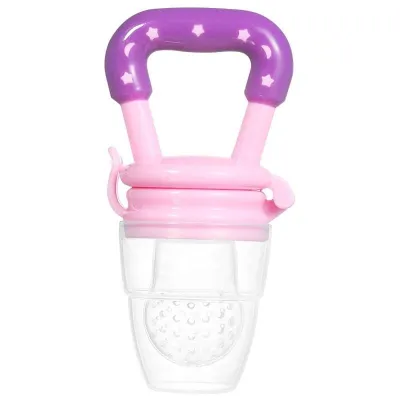
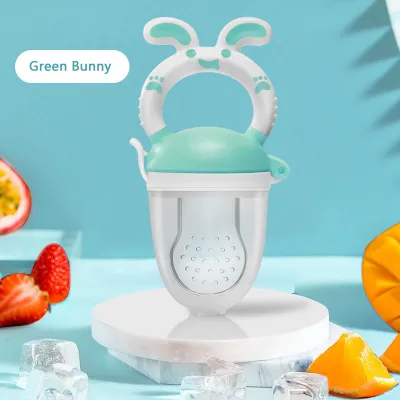
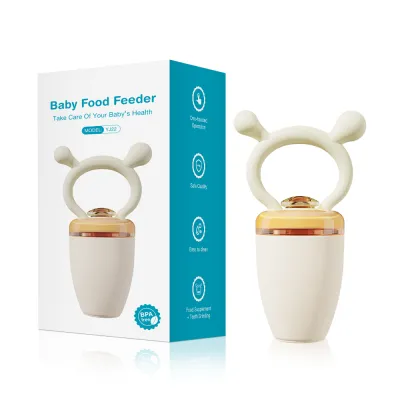
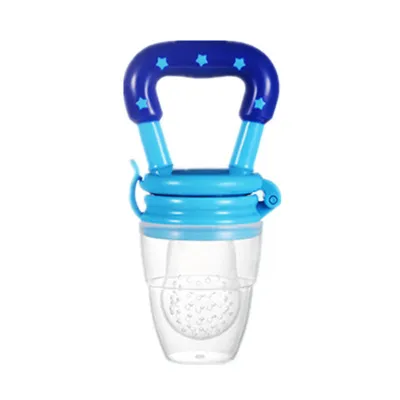
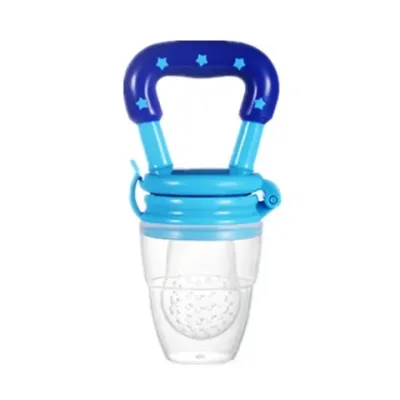

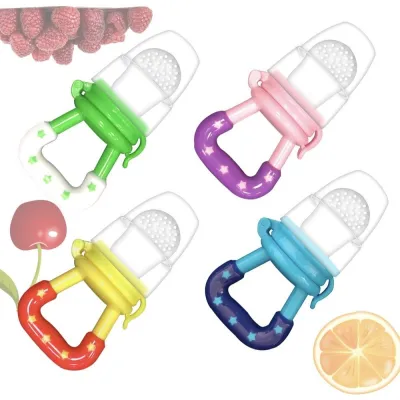
Prices are valid at publication and may change. Please refer to the product page for the latest price.
Woven mesh fabric consists of a fine, flexible net that conforms easily to the shape of your baby’s mouth. This flexibility allows the natural texture of the fruit pulp to provide gentle sensory stimulation to sensitive gums. Many babies enjoy the soft, yielding feel of mesh, which behaves more like a fabric than a solid toy.
Cleaning and maintenance routines differ significantly between these two materials. Silicone is non-porous, meaning it resists staining and can be wiped clean or rinsed under running water almost instantly. Fruit juices and pulp do not easily stick to its smooth surface, making it a convenient choice for busy parents.
Woven mesh is highly porous and tends to trap tiny fruit fibers, such as those from mangoes or bananas, within its threads. Cleaning mesh requires immediate, thorough rinsing and often scrubbing with a small brush to prevent residue buildup. If left uncleaned, dried fruit sugars can become difficult to remove from the fabric.
Before every feeding session, caregivers must inspect the feeder’s pouch for signs of wear. For mesh feeders, check for frayed threads, loose stitching, or small tears that could allow larger food chunks to pass through. For silicone feeders, stretch the pouch gently to look for cracks, punctures from new teeth, or thinning around the holes. If you observe any structural compromise, discard the pouch immediately to maintain safety.
Design Features That Maximize Comfort and Safety
A teething baby needs to be able to hold the feeder independently to control the pressure they apply to their gums. Look for handles designed for tiny hands, such as wide circular rings or textured dual-grip handles. The weight of the feeder should be balanced so that it does not tip out of a baby’s grasp when filled with heavy frozen fruit chunks.

The connection between the feeding pouch and the handle is a critical safety point. High-quality feeders utilize secure snap-locks, twist-lock collars, or recessed latches that require adult hand strength to open. Carefully inspect this mechanism to ensure your baby cannot accidentally pop the feeder open while chewing, which could expose them to large food pieces.
Examine the entire assembly for small, detachable parts that could pose a choking risk if they become loose. The collar, ring, cap, and handle should lock together tightly without any loose screws or fragile plastic clips. Always verify that the feeding pouch itself is securely anchored into the locking ring and cannot be pulled out by a baby’s tugging.
Preparing Frozen Fruits Safely for Teething Relief
When using a feeder for cold therapy, select fruits that remain somewhat soft or slushy when frozen rather than freezing into solid, ice-like blocks. Ripe bananas, strawberries, and mangoes are excellent choices because they retain a yielding texture that yields to gentle gum pressure. Avoid freezing hard fruits like raw apples or pears into solid chunks, as these do not soften easily and can be uncomfortable for sensitive gums.
Cut the selected fruit into small, uniform pieces that fit comfortably inside the pouch without stretching the material. Do not overfill the pouch, as this can block the flow of juices or make the feeder too bulky for a baby’s mouth. Ensure all seeds, pits, and tough skins are completely removed before placing the fruit inside the feeder.
Active adult supervision is mandatory whenever a baby is using a fruit feeder. Limit cold feeding sessions to short intervals, such as five to ten minutes, to prevent the cold temperature from numbing or irritating the delicate gum tissues. If your baby shows signs of discomfort, stops chewing, or turns away, remove the feeder immediately.
Your Pre-Purchase and Usage Checklist
Before purchasing any fruit feeder from an online marketplace or local baby store, read the manufacturer’s packaging carefully. Verify the recommended age, weight, and developmental milestones required for safe use. Some feeders are designed for babies starting solids around six months, while others may have different specifications.
Look for clear, official documentation on the packaging indicating that the materials are food-grade and free from harmful chemicals. Check for labels specifying BPA-free, phthalate-free, and latex-free construction. If you cannot find these verifications on the packaging or the manufacturer’s official website, consider alternative options.
Establish a strict routine to inspect the feeder before and after every single use. Look for discoloration, persistent odors, or changes in the flexibility of the silicone or mesh. If you notice any stickiness in the silicone or stiffness in the mesh fabric, it is time to replace the pouch.
Frequently Asked Questions (FAQ)
Can a fruit feeder replace a traditional teething toy?
No, a fruit feeder is designed primarily as an assisted feeding tool to introduce fresh flavors and provide temporary cold relief, not as a dedicated teething toy. Traditional teething toys are engineered for prolonged, unsupervised chewing and are made of solid, highly durable materials. Always check the manufacturer’s instructions to confirm the intended use and supervision requirements for each product.
How do I clean mesh feeders effectively to prevent residue buildup?
To clean a mesh feeder, rinse it under warm running water immediately after your baby finishes using it to prevent fruit sugars and fibers from drying. Soak the mesh pouch in warm, soapy water, then use a soft-bristled brush to gently scrub away any remaining pulp from the weave. Always consult the manufacturer’s care guide to verify if the feeder can be boiled, steam-sterilized, or placed in a dishwasher.
Community discussion
Share your experience or ask a question. Comments are reviewed before publication.