
Finding the right baby feeding pillow is about balancing ergonomic support for your body with a safe, comfortable resting surface for your baby. In warm, tropical climates like the Philippines, factors like fabric breathability and ease of washing become just as critical as structural support. A well-chosen pillow reduces strain on your neck, shoulders, and arms during feeding sessions while keeping your baby positioned at the correct height.
By evaluating key specifications—such as shape, filling materials, cover fabrics, and safety labels—you can select a pillow that fits your body and your home. Taking the time to compare these features ensures a more comfortable feeding experience for both you and your little one.
Evaluating Core Shapes and Ergonomic Designs
Baby feeding pillows come in several distinct shapes, each offering a different style of physical support. C-shaped pillows are highly common, designed to slide easily around the waist to provide a quick, reliable resting platform. They work well for standard sitting positions, though they have a fixed inner diameter that may not fit every caregiver’s waist comfortably.
Products mentioned in this guide
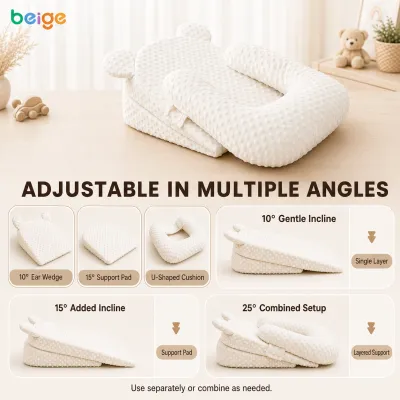

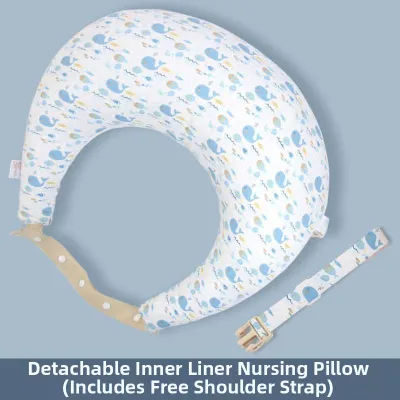

Prices are valid at publication and may change. Please refer to the product page for the latest price.
U-shaped pillows offer similar wrap-around support but often extend further along the sides. This extended design provides extra forearm support, which helps reduce shoulder fatigue during longer feeding sessions.
Straight or adjustable multi-layered designs allow you to stack or angle the pillow. This adjustability is highly beneficial if you are recovering from a cesarean delivery or need to alter the feeding angle as your baby grows.
When evaluating any design, check the inner curve depth to ensure the baby can rest close to your chest without leaving a gap. A wide gap can cause the baby to slip downward, forcing you to strain your arms to hold them in place.
Thickness is another critical specification to check in product descriptions. The pillow must be thick enough to keep the baby level with your breast or bottle-feeding height. If the pillow is too thin or soft, the baby will sink, forcing you to hunch forward and causing lower back discomfort.
Decoding Filling Materials and Firmness Levels
The interior filling determines how well the pillow maintains its height over months of daily use. Polyester fiberfill is lightweight and common, offering a plush feel, but it can clump over time if not properly maintained.

Memory foam provides highly consistent, firm support that contours to the baby’s body. However, memory foam tends to retain heat, which is an important consideration in humid tropical environments.
Microbeads offer excellent adjustability, shifting easily to conform to your body shape. If you choose microbeads, ensure the pillow has a highly secure inner lining to prevent any bead leakage.
To verify firmness before buying, look closely at product descriptions for terms like “high-density” or “firm support.” A simple test upon delivery is to press down on the center of the pillow; it should spring back quickly rather than leaving a deep, lasting indentation.
Always review the care labels to see if the filling itself is washable. While some polyester fillings can go into the washing machine, memory foam is strictly spot-clean only, as water can degrade its structure.
Choosing Cover Fabrics and Maintenance Specs
Because feeding sessions involve close skin-to-skin contact, the outer cover fabric must be gentle and highly breathable. In the Philippines, where midday temperatures and humidity can cause both you and your baby to sweat, natural cotton or bamboo-derived fabric blends are excellent choices for their moisture-wicking properties.
Look for structural features that make daily maintenance easier. A hidden zipper is essential; it prevents the zipper teeth from scratching your baby’s skin or snagging your clothes during use.
Removable covers are a must-have, as spills, spit-up, and milk leaks are inevitable. Some covers also feature water-resistant or spill-resistant inner linings that protect the core filling from absorbing liquids.
Verify the washing instructions on the label to ensure the cover can withstand frequent, high-temperature laundering. You want a fabric that resists pilling, shrinking, or fading after dozens of cycles through the washing machine.
Assessing Size, Portability, and Multi-Use Features
Before purchasing, measure the physical dimensions of the pillow and compare them to your favorite feeding spot. A pillow that is too wide may not fit between the armrests of a standard nursing chair, forcing it to tilt awkwardly.
If you plan to travel or move frequently between rooms, look for lightweight designs or those equipped with integrated carrying handles. Some travel-friendly models can be folded or compressed into a compact storage bag for easier transport.
Many feeding pillows are designed to transition into developmental support tools as your baby grows. Check the manufacturer’s guidelines to see if the pillow is rated for supervised tummy time or propped sitting once your baby reaches the appropriate developmental milestones.
Review the overall weight specifications to gauge how easily the pillow can be moved from room to room. A lightweight pillow is much easier to manage when you are holding a baby in one arm.
Essential Safety Checks and Label Verification
Safety must always come first when selecting and using any infant product. Always verify the manufacturer’s stated age, weight, and developmental stage limits on the packaging or product manual before finalizing your purchase.
Pay close attention to warning labels regarding sleep safety. Feeding pillows are designed strictly for supported feeding and supervised active time; they must never be used for unsupervised infant sleep, lounging, or co-sleeping, as they pose a risk of suffocation.
Inspect the product tags and physical construction carefully before the first use. Ensure all seams are double-stitched and secure, with no loose threads or small decorative elements that could detach and become choking hazards.
If you notice any torn seams, exposed filling, or broken zippers, stop using the pillow immediately. Consult the manufacturer’s guidelines or contact a professional for repair or replacement options.
Frequently Asked Questions (FAQ)
Do I really need a dedicated baby feeding pillow?
While you can stack standard household bed pillows, they often shift, slide apart, or sag under the baby’s weight, requiring constant manual readjustment. A dedicated baby feeding pillow is specifically contoured to wrap around your body, providing stable, hands-free height that keeps your baby securely positioned while relieving strain on your back, neck, and shoulders.
How do I know if the pillow is the right height for me?
The pillow is at the correct height when your baby’s head and torso align naturally with your chest without you needing to slouch, lean forward, or lift your shoulders. If you find yourself bending down to meet your baby, or if you have to prop your elbows up on additional cushions, the pillow is too low and you may need an adjustable or thicker model.
Community discussion
Share your experience or ask a question. Comments are reviewed before publication.