
Choosing a baby essentials bag is one of the most practical decisions you will make as a parent. This bag serves as your mobile command center, holding everything required to keep your baby clean, fed, and comfortable while away from home. However, the market is saturated with options boasting dozens of specialized compartments and high-tech features that sound impressive on paper but often fail to deliver in real-world parenting scenarios.
To find a baby essentials bag that truly fits your daily life, you must look past aesthetic trends and focus on functional design. The ideal bag balances storage capacity, ease of cleaning, and physical comfort without adding unnecessary bulk. Evaluating features based on actual daily utility ensures you invest in a durable tool rather than an over-engineered accessory.
Essential Compartments You Will Use Every Day
When you are out with a baby, quick access and hygiene are your highest priorities. Certain core compartments directly impact your daily efficiency and the safety of your baby’s essentials, especially when navigating warm, humid environments.
Products mentioned in this guide
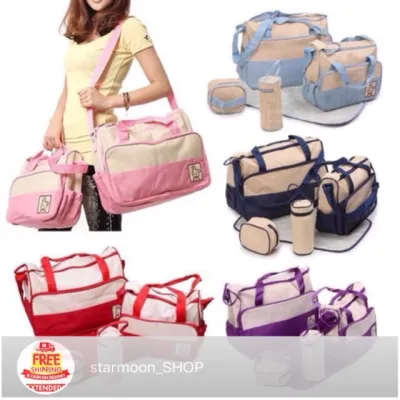
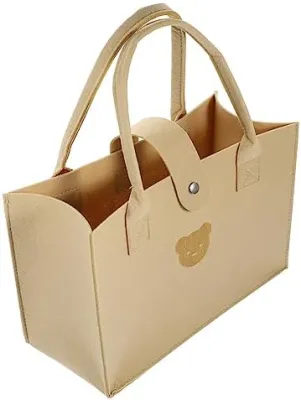
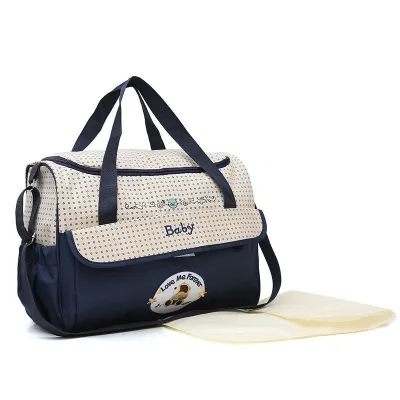
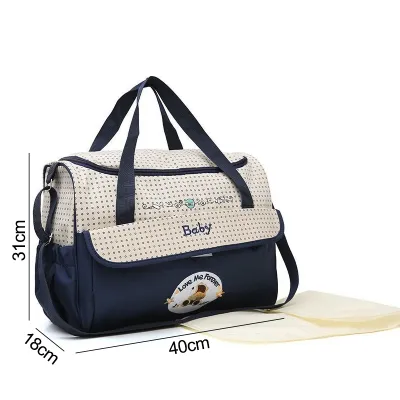
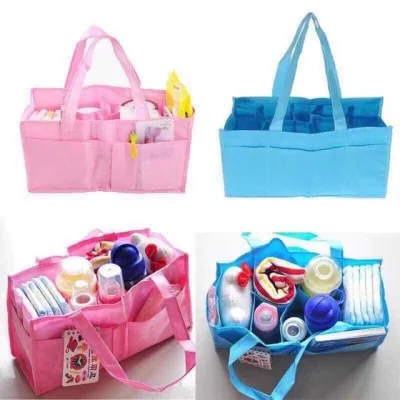
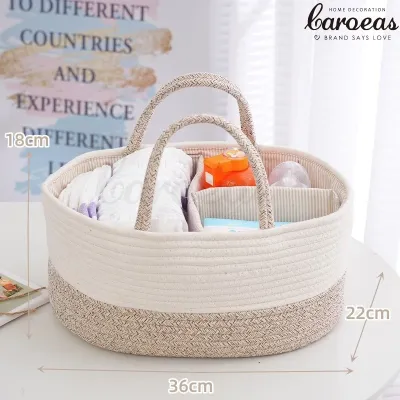
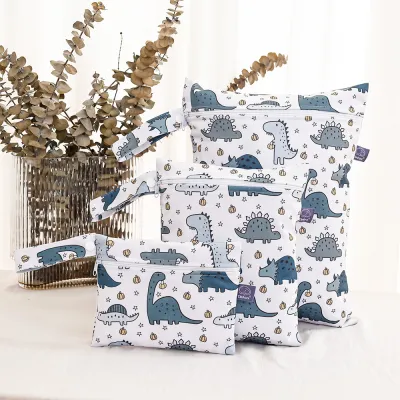
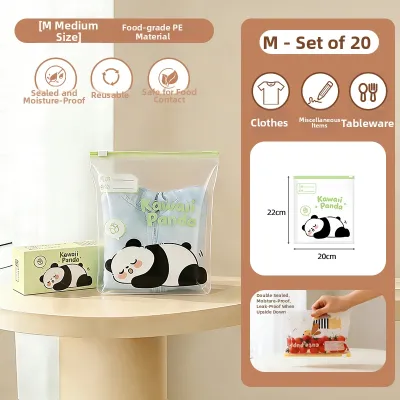
Prices are valid at publication and may change. Please refer to the product page for the latest price.
Dedicated insulated bottle pockets are critical for maintaining safe feeding temperatures. In a tropical climate, high temperatures and humidity accelerate bacterial growth in prepared formula or expressed breast milk. Insulated pockets help slow this process during transit, keeping bottles cool or warm until feeding time. Before purchasing, verify the physical dimensions of these pockets; some are designed only for standard narrow bottles and will not accommodate wide-neck bottle brands. Additionally, feel the insulation material to ensure it is thick and resilient, rather than a thin layer of foil that offers minimal thermal protection.
An interior lining that is waterproof or easy to wipe clean is non-negotiable. From leaky milk bottles to crushed, sticky snacks and damp clothes, the inside of your bag will face frequent spills. A high-quality interior lining allows you to clean up messes instantly with a simple baby wipe, preventing mold growth and sour odors. This is highly distinct from exterior waterproofing; while exterior water resistance protects against sudden rain, interior wipeability maintains daily hygiene. Look for light-colored, seamless linings—such as light gray, cream, or pastel tones—because they reflect ambient light, making it much easier to spot small items like pacifiers or safety pins at the bottom of the bag.
A wide, structured main opening is the key to maintaining order. Bags that narrow at the top or use flimsy fabrics tend to collapse on themselves, creating a “black hole” where items are easily lost. Opt for a bag with a structured frame or a clamshell zipper design that stays fully open on its own. This structural support allows you to see the entire contents of the bag at a single glance and retrieve a clean diaper or change of clothes with one hand while holding your baby with the other.
Nice-to-Have Features Based on Your Lifestyle
Not every parent shares the same daily routine. Some features are highly valuable for specific lifestyles but may simply add unnecessary weight and cost if they do not align with your habits.

Stroller straps or integrated clips are incredibly convenient if you walk frequently, visit parks, or navigate shopping centers. Suspending the bag from the stroller handlebar keeps your hands free and relieves pressure on your back. However, you must observe strict safety boundaries. Always consult your stroller’s manufacturer manual to check the handlebar weight limits. Hanging a heavy bag on the handlebar can easily cause the stroller to tip backward when you lift your baby out of the seat, creating a severe fall hazard. If you do use stroller straps, ensure the bag is packed lightly and always remove the bag before taking your baby out of the stroller.
A built-in or matching changing pad offers a dedicated, clean surface for diaper changes in public restrooms. While convenient, some integrated pads are bulky and occupy valuable space in the main compartment. Assess whether the included pad is thick enough to provide comfort on hard surfaces, yet flexible enough to fold flat. If the built-in pad is difficult to detach or wash thoroughly, you may prefer carrying a separate, highly washable, and padded changing mat that can be sanitized independently in your home washing machine.
A luggage sleeve, or trolley sleeve, is a fabric band on the back of the bag that slides over the telescoping handle of a rolling suitcase. This is an exceptional feature for families who travel by air frequently, as it secures the diaper bag during long walks through airport terminals. However, if your travel is primarily limited to local car trips, neighborhood walks, or short errands, a luggage sleeve is an unnecessary addition that merely adds extra layers of fabric to the bag’s exterior.
Overhyped Specs and Gimmicks You Can Skip
Product designers often add complex features to make a bag stand out on store shelves. In practice, many of these specifications complicate your daily routine rather than simplifying it.
Excessive micro-pockets are a common design trap. While a bag with 15 or 20 tiny, rigid compartments might seem highly organized, it actually restricts your packing options. Rigid, narrow pockets limit the size of items you can carry and often lead to forgotten gear, leaving you searching through multiple zippered slots to find a single tube of diaper cream. A more practical design features a few medium-sized, flexible zones. You can easily organize these larger spaces using color-coded pouches or packing cubes, which can be swapped out as your baby grows and their gear changes from bottles to toddler snacks.
External wipe dispensers or side tissue slots are frequently advertised as time-savers. These pockets feature a zipper or plastic slit designed to let you pull wipes directly from the side of the bag. However, these slots rarely provide an airtight seal, causing your baby wipes to dry out quickly in warm weather. Furthermore, pulling a single wipe through a tight, fabric slit with one hand often results in torn wipes or multiple sheets bunching up. Keeping a standard, resealable travel pack of wipes in an easily accessible external slip pocket is generally far more reliable and hygienic.
Heavy metal hardware and excessive external zippers add significant, unproductive weight to your load. Thick metal clasps, decorative buckles, and heavy-duty metal zippers look premium, but they contribute to physical fatigue during long outings. Metal zippers can also be abrasive, scratching your hands or your baby’s delicate skin during quick, hurried reaches into the bag. Prioritize lightweight, high-density nylon or polyester fabrics paired with smooth, durable plastic or lightweight metal zippers that glide effortlessly.
How to Evaluate Size and Weight Specs
To ensure your bag remains physically manageable, you must carefully evaluate its physical dimensions and carrying system before making a purchase.
Always compare the manufacturer’s stated empty weight against its total capacity. A high-quality baby essentials bag should ideally weigh less than 1 kilogram when completely empty. If a bag is heavy before you even pack diapers, water bottles, spare clothing, and personal items, it will quickly cause shoulder and neck strain. Remember that you will often carry this weight while simultaneously holding or carrying your baby, making every gram of empty bag weight highly significant.
The width and padding of the carrying straps are crucial for long-term comfort. If you choose a backpack-style bag, look for wide, contoured shoulder straps lined with breathable mesh fabric. Wide straps distribute the weight more evenly across your shoulders and chest, preventing the straps from digging into your skin during extended walks. For tote or messenger-style bags, ensure the shoulder strap is adjustable and features a sliding, padded sleeve. Wearing a messenger bag crossbody is an excellent way to distribute weight diagonally across your torso, keeping your hands completely free and reducing fatigue during long outings.
Community discussion
Share your experience or ask a question. Comments are reviewed before publication.