
When preparing for a new baby, shopping for nursery furniture can quickly become overwhelming. Many parents look to a baby crib complete set as a convenient, one-stop solution to furnish their nursery. A safe, complete set must prioritize the core sleep environment: a structurally sound crib, a firm mattress that fits perfectly, and breathable, snug-fitting sheets. However, many commercial bundles are packed with unnecessary accessories or even hazardous bedding items to make the package look more appealing. For parents in the Philippines, navigating these options requires balancing safety standards, tropical humidity, and the practical layout of the home.
Do You Really Need a Baby Crib Complete Set?
Purchasing a pre-assembled bundle of nursery furniture and bedding can be highly appealing, but it is not always the best choice for every family. First-time parents who are setting up a brand-new home often benefit most from these packages. A bundle saves significant time and effort by delivering a coordinated set of furniture and textiles all at once, ensuring a cohesive design without the hassle of matching wood finishes or fabric patterns from different brands. If you have a dedicated nursery room and want to streamline your shopping process, a complete set can simplify your preparation.
Conversely, buying individual pieces is often the better route for families with specific constraints. In many urban homes and condominiums across the Philippines, nursery space is at a premium. A massive multi-piece furniture set might overcrowd a small room, leaving little space for comfortable movement. Additionally, if you already own a sturdy dresser or have been handed down a safe, modern crib from a relative, buying a full bundle will force you to pay for redundant items. Parents with highly specific ergonomic preferences—such as an exact height requirement for a changing table—will also find more satisfaction in choosing each item individually.
Products mentioned in this guide
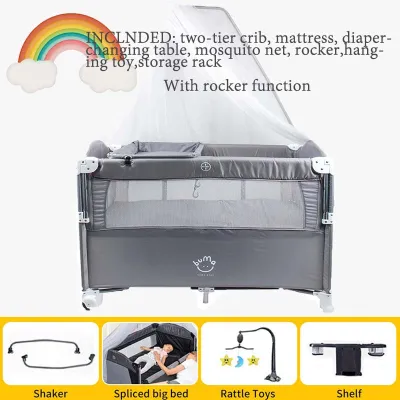
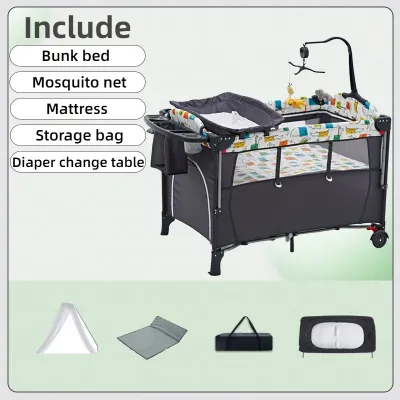
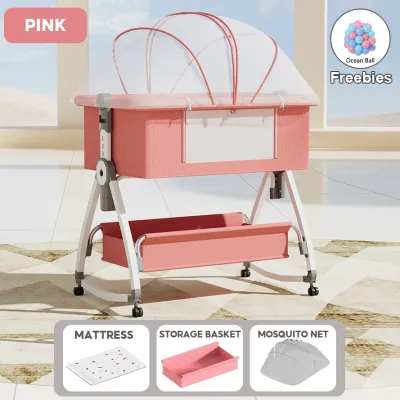
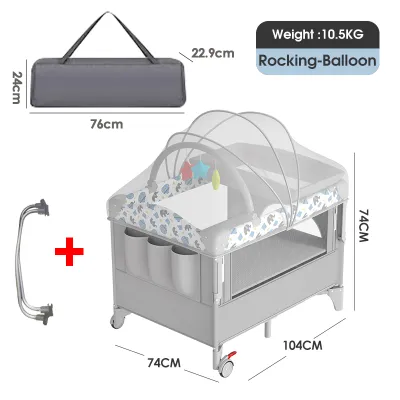
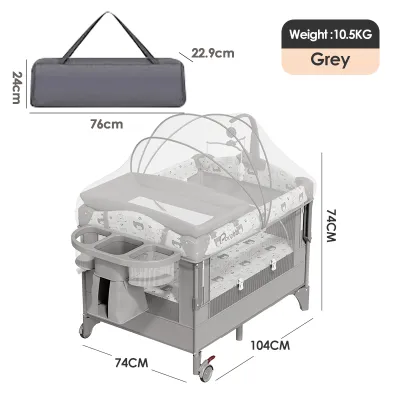
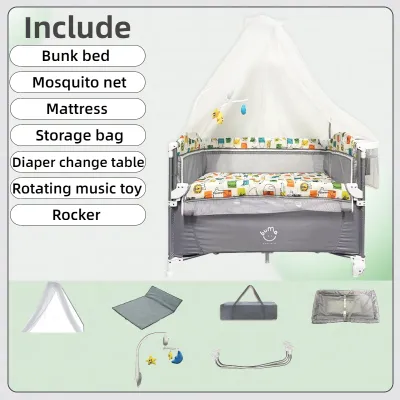
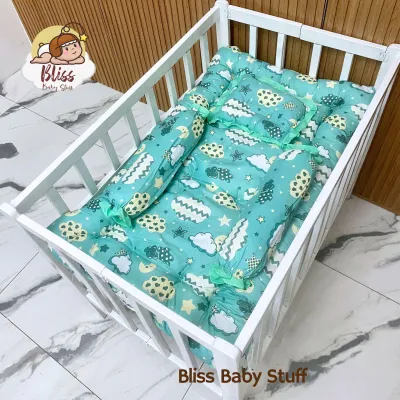
Prices are valid at publication and may change. Please refer to the product page for the latest price.
To calculate the true value of a bundle, you must look past the advertised discount and evaluate the specifications of each included item. Compare the retail price of the standalone crib and mattress against the total bundle cost. If the bundle costs ₱25,000 but includes a low-quality, soft mattress that you will need to replace immediately for safety reasons, the perceived savings quickly disappear.
A practical decision framework can guide your choice. Proceed with a bundle if the package focuses on high-quality core pieces, provides transparent safety certifications, and matches your available room dimensions. Pivot to a customized, piece-by-piece approach if the bundle forces you to accept low-quality mattresses, unnecessary secondary furniture, or decorative bedding accessories that violate safe sleep guidelines.
The Non-Negotiable Sleep Essentials
A complete crib set is only as good as its core sleep components. While matching dressers and cute decorative elements are pleasant additions, your baby’s safety and structural security must always take priority. The primary purpose of a crib is to provide a secure, independent sleep space, and this function relies entirely on the quality of the crib frame and the mattress inside it.

The Crib and Mattress
When evaluating the crib in any complete set, safety must be your first checkpoint. The spacing between the crib slats must be narrow—no more than 6 centimeters (or 2.375 inches)—to prevent a baby’s head or limbs from becoming trapped. The entire structure must be stable and made of solid wood or high-quality, non-toxic materials with smooth finishes to avoid splinters. Avoid any crib models that feature drop-side mechanisms; these have been widely banned internationally due to serious safety risks associated with moving parts detaching.
The mattress is equally critical and must be exceptionally firm. A soft mattress can conform to a baby’s face, creating a severe suffocation hazard. When placed inside the crib, the mattress must fit snugly against all four sides. Check this by ensuring there is no more than a two-finger gap between the edge of the mattress and the crib frame; any larger gap presents an entrapment risk.
Always verify the manufacturer’s stated weight, age, and height limits for the specific crib model you are considering. Many convertible cribs can transition into toddler beds, but you must still monitor your child’s development. Stop using the crib or transition to the next stage as soon as your child reaches the maximum weight limit, or when they are tall enough to easily climb out of the crib.
Fitted Sheets and Mattress Protectors
In the warm and humid climate of the Philippines, the choice of crib textiles directly impacts your baby’s comfort and health. High humidity can lead to heat rash, locally known as bungang-araw, if the baby’s sleep surface traps heat and sweat. Look for fitted sheets made from highly breathable, natural fabrics such as cotton or bamboo, which allow for optimal airflow and help regulate your baby’s body temperature.
Safety is paramount when it comes to how these sheets fit. The fitted sheet must wrap tightly around the mattress with strong, durable elastic running along the entire edge, not just the corners. This prevents the sheet from slipping off or bunching up, which could pose a suffocation hazard to an active baby.
A waterproof mattress protector is a practical addition to guard against diaper leaks and spills, preventing mold and mildew from developing in the humid air. However, make sure the protector is specifically designed to be breathable and does not feature a thick, heat-trapping plastic backing. Always verify the manufacturer’s care instructions for washing; these protectors must be durable enough to withstand frequent hot-water washes without warping or losing their waterproof integrity.
Evaluating Common Furniture Add-Ons
Many commercial crib sets pad their item counts by including secondary furniture pieces like changing tables, dressers, or specialized chairs. While these additions can create a beautiful, cohesive nursery, they also demand significant floor space and can inflate the overall price of the bundle. Before committing to a multi-piece set, carefully measure your nursery room to ensure you have enough clearance for doors and drawers to open fully.
Changing Tables and Dressers
A dedicated changing table provides a convenient, waist-high station for diaper changes, but its utility is relatively short-lived. Once your baby outgrows the changing stage, a standalone changing table often becomes obsolete. A highly practical alternative is a sturdy dresser paired with a secure, removable changing topper. This setup provides excellent long-term storage for clothing and toys as your child grows, making it a much more sustainable investment.
For smaller nurseries, skipping the dedicated changing table altogether is a smart space-saving strategy. You can place a portable, contoured changing pad on top of any stable, chest-high dresser you already own.
Regardless of which option you choose, safety must be prioritized on any elevated surface. Ensure the changing station includes secure safety straps to keep your baby in place, and always keep one hand on your child during changes. Most importantly, any dresser or changing table must be securely anchored to the wall using anti-tip hardware to prevent dangerous tipping accidents as your child grows and begins to pull themselves up.
Nursery Chairs and Gliders
A specialized feeding chair, such as a glider or a rocking chair, is a common inclusion in premium nursery bundles. These chairs offer excellent ergonomic support, making late-night feedings and long soothing sessions much more comfortable for parents. The gentle rocking motion can be highly effective in calming a fussy infant.
When assessing a nursery chair, pay close attention to the fabric. It must be highly durable, stain-resistant, and easy to spot-clean, as spit-up, milk spills, and diaper leaks are inevitable. Breathable fabrics are also preferred to keep you comfortable during warm tropical nights.
However, you should evaluate whether a specialized chair is truly a necessary purchase. If you already own a supportive, comfortable armchair or recliner in your home, it can easily serve the same purpose. Skipping this add-on can prevent you from paying an inflated price for a bundle that includes a chair you do not strictly need.
Accessories: What to Include and What to Avoid
When unboxing a complete crib set, parents are often met with a mix of practical items and decorative accessories. It is vital to separate these items immediately, keeping only what is safe for your baby’s sleep environment. A beautifully styled crib must never take precedence over safe sleep practices.
Safe and Useful Additions
Some accessories genuinely enhance the nursery experience without introducing safety hazards. A crib mobile can provide gentle visual stimulation for a newborn. If you use one, ensure it is securely attached to the crib frame, completely out of the baby’s reach. You must stop using and remove the mobile entirely as soon as the baby begins to push up on their hands and knees, which typically occurs around five months of age, to prevent them from pulling it down and becoming entangled.
Wearable blankets or sleep sacks are excellent, safe alternatives to traditional loose blankets. They keep your baby warm and cozy while keeping their face completely clear of obstruction. In the Philippines, select lightweight sleep sacks with a low TOG (Thermal Overall Grade) rating to prevent your baby from overheating during warm nights.
Practical additions like high-quality blackout curtains can also be incredibly helpful. By blocking out the bright daytime sun, they help establish a dark, soothing environment that encourages longer, more restful daytime naps.
Hazardous Items to Reject
Many decorative crib sets include items that pose severe safety risks and should never be placed in your baby’s sleep area. You must strictly avoid using crib bumpers—including mesh bumpers—as well as loose blankets, pillows, sleep positioners, and stuffed animals inside the crib. These items are leading contributors to suffocation, entrapment, and Sudden Infant Death Syndrome (SIDS).
Even if these hazardous items are packaged as part of a premium “complete set,” do not feel obligated to use them in the crib. Your baby’s sleep space should consist only of a firm mattress and a tight fitted sheet.
You can easily repurpose these decorative items elsewhere in your home. Use the plush stuffed animals and pillows to decorate shelves or for supervised floor play during tummy time. If a bundle is heavily padded with unsafe bedding items and offers little value in its core furniture, it is often best to return the bundle and purchase your essentials individually.
How to Inspect a Bundle Before Purchasing
Before committing to a purchase online or in-store, performing a thorough inspection will save you from safety hazards and financial regret. Use this practical step-by-step checklist to evaluate any baby crib complete set:
- Verify Compliance: Look for clear safety certifications and compliance labels from recognized organizations on both the crib and the mattress. Take a moment to search online for any active product recalls associated with the brand or specific model before completing your checkout.
- Audit the Inventory: Read the exact product description and itemized list carefully. Ensure that a "complete set" actually includes the essential structural furniture—like the crib frame and mattress—rather than just a collection of low-quality sheets, skirts, and decorative pillows.
- Review Policies: Carefully check the retailer's return, exchange, and warranty policies. Verify whether you can return or exchange individual components of the bundle. For instance, if the included mattress arrives and does not meet your standards for firmness, you should have the option to exchange it for a safer alternative.
- Post-Delivery Inspection: Once the bundle is delivered to your home, inspect all components before beginning assembly. Check the wood and hardware for sharp edges, rough splinters, or peeling paint. Look for small, detachable parts that could pose a choking hazard, and ensure that all necessary assembly hardware is present. After assembly, test the crib's stability to ensure it is completely sturdy and does not wobble.
Frequently Asked Questions (FAQ)
When preparing your baby’s nursery, making informed decisions about furniture and bedding is key to both safety and budget management.
Is it cheaper to buy a complete set or individual pieces?
While pre-bundled crib sets often advertise a lower upfront cost and offer convenience, they do not always provide the best long-term value. Many discounted bundles include a low-quality, soft mattress that fails to meet safety standards, forcing you to buy a replacement mattress separately. Investing your budget in a high-quality, certified crib and a separate, firm mattress is often more cost-effective over time. This approach ensures you only pay for items that are safe and durable, rather than spending money on decorative accessories you will ultimately have to discard.
When should I set up the crib and wash the new bedding?
It is highly recommended to assemble your baby’s crib and nursery furniture at least four to six weeks before your expected due date. This timeline ensures you have ample time to check for missing hardware, verify the stability of the build, and allow any new materials to off-gas in a well-ventilated room. You should also wash all included sheets and mattress protectors before the baby’s arrival. Use a gentle, hypoallergenic, baby-safe laundry detergent and strictly follow the manufacturer’s care labels to prevent fabric shrinkage or damage, ensuring a clean and safe environment for your newborn’s sensitive skin.
Community discussion
Share your experience or ask a question. Comments are reviewed before publication.