
A safe comforter set for baby must prioritize a firm, flat fit, lightweight and breathable fabrics, secure baffle-box stitching, and a complete absence of loose attachments or decorative elements. However, the most critical safety feature is knowing when to introduce it. Loose bedding, including comforters, should never be placed in an infant’s sleeping space during their first year of life. When your child transitions into toddlerhood and is developmentally ready, selecting the right bedding involves evaluating specific physical design elements, material breathability, and proper crib setup to minimize suffocation, choking, and overheating risks.
The Age Rule: When Is a Comforter Safe for the Crib?
There is a firm consensus among pediatricians worldwide that loose bedding—including comforters, quilts, blankets, pillows, and plush toys—must be kept completely out of the crib for infants under 12 months. During this first year, an infant’s sleeping environment should remain entirely bare except for a firm mattress and a tightly fitted sheet. Introducing loose items too early significantly increases the risk of Sudden Infant Death Syndrome (SIDS), entrapment, and accidental suffocation.
Loose comforters pose a severe threat because infants lack the motor skills, neck strength, and head control to free themselves if a heavy fabric covers their nose and mouth. If a baby rolls over or shifts during sleep, a loose blanket can easily bunch up, creating a pocket of stale air or blocking their airway entirely. Even if a product is marketed as a comforter set for baby, the name does not imply safe use for newborns or young infants.
Products mentioned in this guide
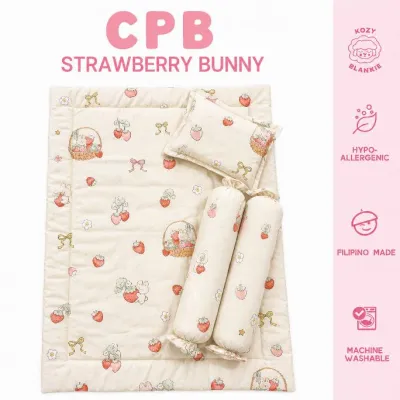
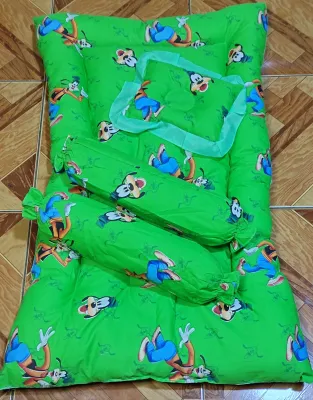
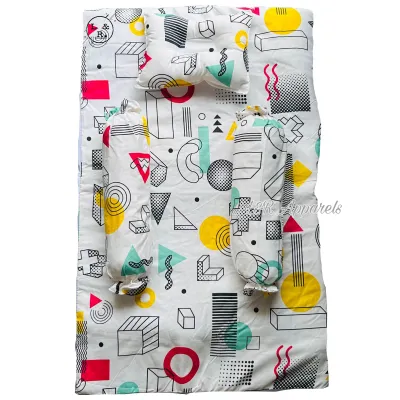
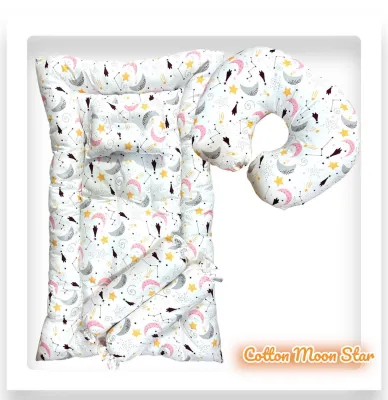
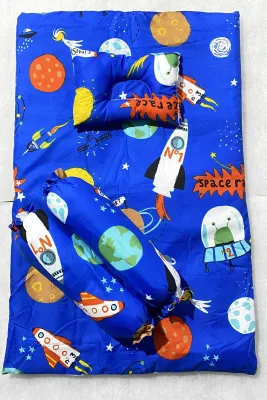
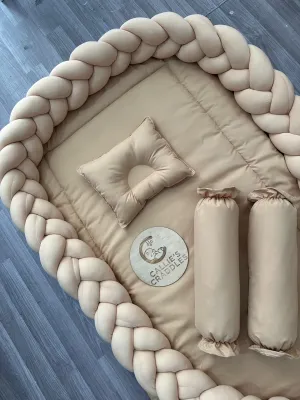
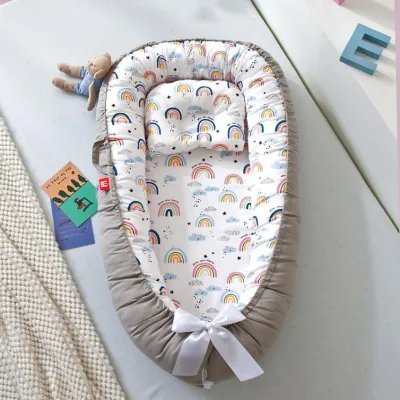
Prices are valid at publication and may change. Please refer to the product page for the latest price.
For keeping infants warm during their first year, wearable blankets or sleep sacks are the standard, safe alternative. These wearable garments keep the baby comfortable without introducing loose fabric into the sleep space. They zip securely around the torso, ensuring the material cannot rise over the child’s face or restrict breathing.
Before transitioning your child to a traditional comforter set, consult your pediatrician. Developmental milestones, such as rolling over easily, sitting up independently, and possessing the strength to push heavy objects away, dictate readiness far more than age alone. If your child is a restless sleeper or has developmental delays, it is best to delay the introduction of loose bedding.
Essential Design Features to Prevent Suffocation and Choking
When your child has reached the safe age for loose bedding and you begin shopping for a comforter set, you must inspect the physical design elements of each product. Standard bedding sizes meant for older children or adults are highly dangerous in a crib or toddler bed.

- Size and Weight: Always choose a toddler-sized or crib-sized comforter rather than a twin or larger blanket. A comforter that is too large can pool in heavy folds around the child's face or restrict their natural movement. The weight must be exceptionally light; heavy insulation can trap a toddler or limit their ability to kick the bedding off if they feel uncomfortable.
- Absence of Hazardous Attachments: Examine the surface of the comforter closely. Strictly avoid any bedding that features sewn-on buttons, decorative bows, ribbons, long ties, or loose tassels. In a crib or toddler bed, these elements can easily detach under tension, presenting severe choking hazards if swallowed, or strangulation risks if they wrap around tiny limbs or necks.
- Secure Stitching and Baffles: Inspect the quality of the stitching and the baffle boxes, which are the stitched squares that keep the inner filling evenly distributed. Poorly sealed edges or weak seams can allow the internal filling—such as polyester fiber fill or down alternatives—to leak out. This loose fiber fill is a major inhalation and choking risk for young children who tend to explore objects with their mouths.
- Fitted Sheet Integrity: A complete comforter set usually includes a fitted sheet. This sheet is just as critical to safety as the comforter itself. It must feature strong, high-quality, all-around elastic that hugs the underside of the mattress tightly. Avoid sheets that only have elastic on the corners, as they can slip off easily and create a primary suffocation hazard.
Breathable Materials to Reduce Overheating Risks
Overheating is a recognized risk factor for SIDS and general sleep distress in toddlers. Therefore, the breathability of both the outer shell and the inner fill of a comforter is a critical safety consideration.
Natural, breathable fibers are highly recommended for the comforter’s cover. Look for materials like 100% cotton or bamboo viscose. These fabrics allow air to circulate freely and excel at wicking moisture away from the skin, keeping your child dry and comfortable throughout the night.
Avoid heavy, non-breathable synthetic fabrics, such as thick polyester fleece, nylon, or excessively dense fills that trap body heat. While synthetic microfibers are common, ensure they are lightweight and designed specifically for breathability if you choose them.
Do not rely solely on marketing buzzwords like “hypoallergenic,” “ultra-soft,” or “organic” when evaluating safety. Instead, read the manufacturer’s product labels carefully to verify the actual fiber content, age appropriateness, and specific safety warnings. The label should explicitly state the recommended age or developmental stage for use.
To assess the weight of the comforter online, check the product specifications for the GSM (grams per square meter) or fill weight. For a toddler’s bedding, you want a low GSM that offers light warmth rather than heavy, dense insulation. If shopping in-store, feel the comforter to ensure it has a light, airy loft rather than a heavy, dense drape.
Setting Up a Safe Sleep Environment in a Tropical Climate
Integrating your chosen comforter set into the broader nursery environment requires extra care, especially in warm, humid regions. Proper setup ensures the bedding remains safe and comfortable.
Even when your toddler is old enough to use a comforter, the rest of the crib should remain uncluttered. Keep the sleeping area free of crib bumpers, large stuffed animals, and extra pillows. The comforter and a securely fitted sheet should be the only bedding items present in the crib.
Your toddler’s comforter set must be paired with a firm, flat mattress. A soft mattress can mold to a child’s face, increasing suffocation risks. Additionally, verify that the mattress fits the crib frame snugly. There should be no more than a two-finger width gap between the mattress and the crib sides; any larger gap presents an entrapment hazard.
In a tropical and humid climate like the Philippines, managing the sleep environment requires extra care. High humidity and warm nights make overheating a constant concern. Use air conditioning, ceiling fans, or standing fans to maintain a comfortable, cool room temperature. Ensure fans do not blow directly onto the child, but rather circulate air throughout the room.
When using a light comforter, dress your child in light, breathable sleepwear, such as a short-sleeved cotton onesie or lightweight pajamas. Avoid thick sleepwear, heavy fleece pajamas, or over-bundling. If the room is warm, a simple onesie paired with a very light comforter is more than sufficient to keep your child comfortable without risking heat exhaustion.
Signs It Is Time to Replace Your Toddler's Comforter Set
Bedding does not last forever, and wear and tear can quickly turn a safe comforter set into a hazard. Regularly inspecting your toddler’s bedding during laundry days is essential for maintaining a safe sleep environment.
- Wear and Tear: Look for thinning fabric, pilling, ripped seams, or exposed filling. If you notice any loose threads or escaping polyester fiber fill, remove the comforter from the bed immediately. Any compromise in the fabric's integrity transforms a safe blanket into a choking or entanglement hazard.
- Shrinkage and Fit Issues: Frequent washing in warm water can cause cotton fitted sheets to shrink. If the fitted sheet begins to pull up at the corners or no longer stretches securely over the mattress, do not force it. A sheet that is too tight can pop off during the night, creating a loose-fabric hazard. Replace the sheet immediately if it loses its shape or elasticity.
- Transitioning Beds: When your child begins attempting to climb out of the crib or outgrows the mattress length, it is time to transition them to a toddler bed or a single bed. This transition changes the safety dynamics of the room. You will need to reassess the bedding size, ensuring the comforter fits the new bed without draping excessively onto the floor, which could cause a tripping hazard.
- Recall Checks: Bedding safety standards and manufacturing issues can change. Periodically check the manufacturer's website or local consumer protection agencies for any active product safety recalls. Registering your purchase with the manufacturer upon buying is a reliable way to receive direct safety alerts.
Frequently Asked Questions (FAQ)
Can I use a baby comforter in a car seat or stroller?
While you can loosely drape a lightweight comforter over your baby while they are riding in a stroller—provided you closely supervise them and ensure it does not cover their face—you must never use a comforter inside a car seat. Thick blankets, comforters, or bulky jackets compress instantly during a vehicle crash. This compression leaves dangerous slack in the car seat harness, risking ejection or severe injury. For vehicle travel, always buckle your child securely into their harness first, then place a thin, light blanket over their lap on top of the harness straps if extra warmth is needed. Alternatively, use manufacturer-approved car seat covers that do not interfere with the harness system.
How do I know if my baby is overheating under the comforter?
To determine if your child is too warm, look for physical signs of overheating such as sweating, damp hair, flushed cheeks, a heat rash, or unusually rapid breathing. Do not rely on the temperature of their hands or feet, as peripheral extremities naturally feel cool to the touch and are not an accurate indicator of core body temperature. Instead, place your hand on the back of their neck or their chest. If these areas feel hot or sweaty, the child is too warm. You should immediately remove the comforter, adjust the room’s air conditioning or fan settings, or transition them to lighter cotton sleepwear. If overheating symptoms persist or your child seems lethargic, consult a healthcare professional.
Community discussion
Share your experience or ask a question. Comments are reviewed before publication.