
Selecting the right bedding for your child involves balancing comfort, design, and most importantly, safety. To safely buy a comforter set for a baby, you must prioritize lightweight breathability, secure construction, and appropriate sizing while strictly adhering to age-specific safety guidelines. Pediatric health authorities worldwide emphasize that loose bedding should never be used for infants under 12 months of age due to serious sleep-related hazards.
When your child reaches the appropriate developmental stage to transition to a comforter, evaluating the physical properties of the bedding is crucial. A safe comforter set must prevent physical obstruction, mitigate the risk of overheating in warm tropical climates, and eliminate any small parts that could become choking or strangulation hazards. Taking the time to verify these details before making a purchase ensures a secure and restful sleep environment.
Core Safety Risks and Quick Pre-Purchase Checklist
Before purchasing any bedding set, caregivers must understand the primary sleep-related risks associated with infant and toddler bedding: suffocation, overheating, and choking or strangulation. Suffocation can occur if a heavy or oversized comforter covers a child’s face and blocks their airway. Overheating is a major risk factor linked to sudden infant death syndrome (SIDS), particularly when synthetic materials trap body heat. Choking and strangulation hazards often arise from decorative elements, long ties, or loose threads that can easily wrap around a child’s neck or limbs.
Products mentioned in this guide
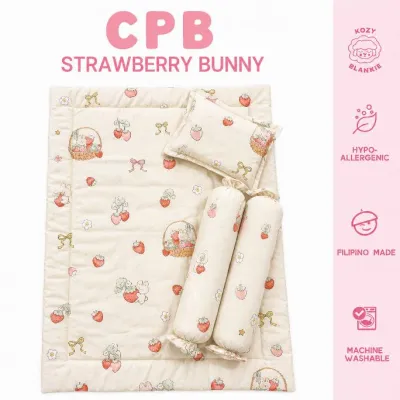
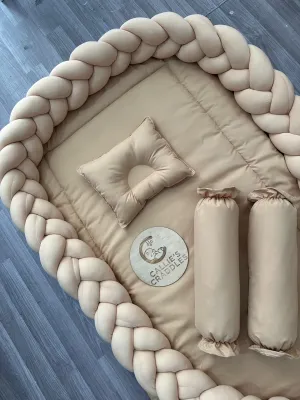
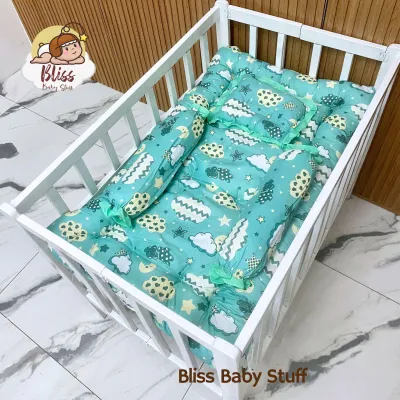
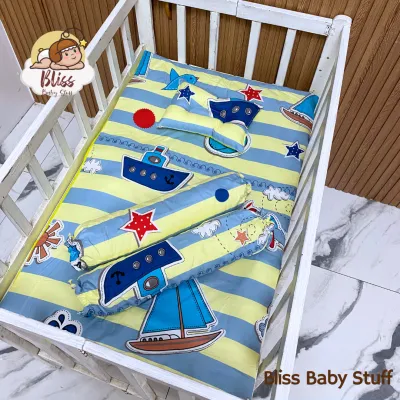
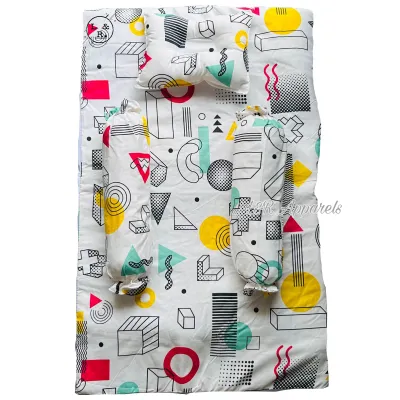
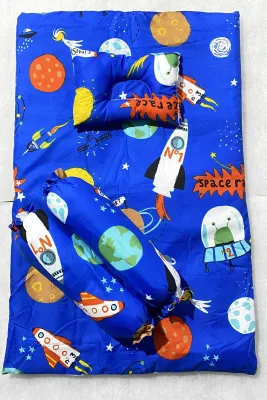
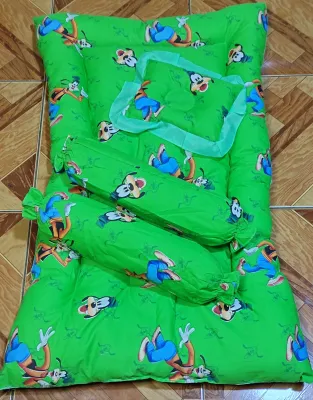
Prices are valid at publication and may change. Please refer to the product page for the latest price.
To help you evaluate products quickly while shopping, keep this non-negotiable safety checklist in mind:
- Age Appropriateness: Confirm the product is intended only for children who have surpassed the 12-month mark.
- Weight: Ensure the comforter is lightweight and easy for a toddler to push away independently.
- Breathability: Look for air-permeable fabrics and natural fiber fillings that allow heat to escape.
- Size: Select dimensions that precisely match your specific crib or toddler mattress to prevent bunching.
- Construction: Verify there are no loose threads, dangling ribbons, buttons, or plastic snaps.
- Certifications: Check for verified, independent textile safety labels sewn directly into the bedding.
Safety is not just a feature of the product itself; it relies heavily on correct usage, proper maintenance, and matching the bedding to your child’s specific developmental milestones. A comforter that is safe for an active two-year-old can pose severe risks to a younger infant who lacks the motor skills to move a blanket away from their face.
Preventing Suffocation: Weight, Breathability, and Fit
The physical weight of a comforter is one of the most critical factors in preventing accidental suffocation. A baby or young toddler must have the physical strength to easily push the bedding away if it accidentally covers their nose or mouth during sleep. Avoid heavy blankets, quilts, or weighted comforters entirely for young children, as the excess weight can restrict their movement and chest expansion, making self-rescue impossible.

Breathability refers to how easily air can pass through both the outer fabric shell and the inner filling of the comforter. When a fabric is highly air-permeable, it reduces the risk of carbon dioxide rebreathing if the child rolls underneath the covers. Natural fibers and specialized porous synthetic fills allow for continuous air circulation, which keeps the sleeping surface safer even during active movement throughout the night.
Selecting the correct size and fit for your specific crib or toddler bed is equally vital for preventing entrapment. In the Philippines, standard crib mattresses often measure around 28 by 52 inches, though smaller sizes like 24 by 48 inches are also common. An oversized comforter will bunch up against the sides of the crib, creating dangerous fabric folds and pockets where a child’s head can become trapped. Ensure the comforter fits the mattress surface neatly without excessive overhang that could drape over the crib rails or pool on the floor.
Avoiding Overheating: Fabric Choices and Thermal Ratings
Overheating is a significant risk factor in infant sleep safety, as young children cannot regulate their body temperature as efficiently as adults. When shopping for bedding, look for the Thermal Overall Grade (TOG) rating, which measures the thermal resistance of the product. A lower TOG rating indicates a cooler, lighter comforter that is much safer for younger children:
- 0.5 to 1.0 TOG: Ideal for warm climates or rooms kept between 20°C and 24°C.
- 1.5 to 2.5 TOG: Suitable for cooler seasons or consistently air-conditioned rooms below 20°C.
- 3.0 TOG and above: Designed for cold winter climates; generally unsafe and unnecessary for young children.
In tropical and humid climates like the Philippines, managing the sleep environment requires extra care. High humidity levels make it harder for the body to cool down through sweat evaporation, making low-TOG bedding and highly breathable materials essential. If your nursery is not air-conditioned, or if you rely on electric fans, a very light, single-layer cotton blanket or a comforter with a TOG rating of 0.5 is much safer than a thick, plush quilt.
Material selection plays a decisive role in temperature regulation. Natural fibers such as 100% organic cotton and bamboo are highly recommended because they naturally wick moisture away from the skin and allow heat to dissipate. In contrast, synthetic materials like polyester or microfiber tend to trap heat and moisture, creating a hot, clammy environment that increases discomfort and heat stress. If you choose a synthetic fill for hypoallergenic reasons, ensure the outer shell is made of a breathable natural weave.
Caregivers must actively monitor their child’s physical signs of overheating rather than relying solely on room temperature. Check the back of your child’s neck or their chest; if the skin feels hot or sweaty, or if their cheeks appear flushed, remove the comforter immediately. Adjust the room ventilation or dress your child in lighter sleepwear to maintain a safe, comfortable body temperature.
Eliminating Choking and Strangulation Hazards
A thorough physical inspection of any comforter set is necessary to identify hidden design flaws that could lead to choking or strangulation. Many decorative bedding sets feature aesthetic details that are dangerous in a sleep environment. Avoid comforters with long ties, ribbons, decorative cords, or loose fabric loops, as these can easily wrap around a child’s neck, fingers, or toes, cutting off circulation or causing strangulation.
Choking hazards are often found in 3D embellishments, sequins, beads, rhinestones, or poorly secured buttons. While these elements might look appealing in a nursery photo, a curious toddler can easily chew on them, pull them loose, and swallow them. Opt instead for bedding sets that feature flat, printed designs or soft, flat embroidery that cannot be pulled away from the fabric.
Safe construction is characterized by high-quality manufacturing details that protect your child’s delicate skin. Look for comforters with fully enclosed, double-stitched seams that prevent the inner filling from escaping. If the comforter cover features a zipper, ensure it is a hidden zipper equipped with a protective fabric flap (often called a zipper garage) to prevent the metal pull tab from scratching the child or being chewed on.
Before placing any new bedding in the crib, perform a manual “pull test” on all seams, labels, and embroidered details. Tug firmly on these areas to ensure the stitching is secure and will not unravel under stress. Additionally, inspect the inside and outside of the comforter for loose threads, which must be clipped immediately to prevent hair-thread tourniquet syndrome.
Safety Certifications and Care Labels to Verify
When evaluating safety claims, look past generic marketing terms like “organic,” “hypoallergenic,” or “non-toxic,” which are often unregulated. Instead, physically check the sewn-in product labels for recognized, independent textile safety certifications. Certifications such as the OEKO-TEX Standard 100 or the Global Organic Textile Standard (GOTS) provide third-party verification that the fabric and filling have been rigorously tested for harmful levels of chemicals, heavy metals, formaldehyde, and toxic dyes.
Flame retardants are another critical area to verify on product care labels. While fire safety is important, many older chemical flame retardant treatments have been linked to skin irritation and health concerns. Modern safety standards often favor fabrics that are naturally flame-resistant due to their tight weave, rather than those treated with heavy chemical additives. Check the product tags to confirm compliance with local safety standards and look for labels indicating the product is free from added chemical flame retardants.
Proper care and maintenance are essential for keeping the comforter safe and structurally sound over time. Read the care labels carefully to ensure the bedding can withstand frequent, high-temperature washing (ideally at 60°C) to eliminate dust mites, pollen, and other allergens. Avoid comforters that require dry cleaning, as the chemical solvents used in the process can leave toxic residues that are unsafe for a child to inhale. Ensure the inner filling is designed to remain evenly distributed after washing, as clumping can create uneven weight and localized suffocation hazards.
Age Guidelines and Safe Sleep Environment Setup
The most critical safety rule for baby bedding is the 12-month boundary. Major pediatric associations, including the American Academy of Pediatrics (AAP), strongly advise against placing any loose bedding—including comforters, quilts, blankets, pillows, and bumper pads—in an infant’s sleep area before they reach one year of age. During the first year, a bare crib with a firm mattress and a tight, well-fitted sheet is the only safe sleep environment to prevent SIDS and accidental suffocation.
For infants under 12 months who require extra warmth, wearable blankets or sleep sacks are the only safe alternatives. These garments keep the baby warm without the risk of loose fabric shifting over their face or mouth. Ensure the sleep sack fits properly around the neck and armholes so the baby cannot slip down inside the bag.
Transitioning to a comforter should only occur after your child is at least 12 months old and has developed the motor skills to easily roll over, sit up, and push blankets away. Many parents choose to wait even longer, introducing a light comforter only when transitioning the child from a crib to a toddler bed or a floor mattress. Always consult your pediatrician if you are unsure whether your child is developmentally ready for loose bedding.
When you do introduce a comforter, keep the rest of the sleep environment simple and uncluttered. Avoid packing the bed with large pillows, heavy stuffed toys, or multiple layers of blankets. Inspect the comforter daily and stop using it immediately if you notice any torn seams, exposed filling, or loose threads. Additionally, if your toddler is still in a crib and begins using the folded comforter as a step to climb over the crib rails, remove it from the sleep area immediately to prevent fall injuries.
Frequently Asked Questions (FAQ)
Can I use a regular adult or toddler comforter for my baby?
No, you should never use an adult-sized or standard toddler comforter for an infant. Adult bedding is far too heavy, thick, and large, posing an extreme risk of suffocation, entrapment, and rapid overheating. Even for older toddlers, a comforter must be specifically sized for their smaller bed to prevent the excess fabric from bunching up, draping over the sides, or creating pockets where the child could become trapped.
Are weighted blankets or comforters safe for babies?
Weighted blankets, weighted comforters, and weighted sleep sacks are not safe for infants and young toddlers. The added weight can restrict a young child’s breathing by compressing their chest wall and can prevent them from turning over or pushing the blanket away if their airway becomes covered. Pediatric safety organizations strongly advise against using any weighted sleep products for babies due to these severe physical risks.
How often should I inspect and replace my baby's comforter set?
You should inspect your baby’s comforter set before every use, looking specifically for loose threads, fraying seams, fabric thinning, or clumping of the inner filling. Wash the bedding weekly to maintain hygiene and prevent the buildup of allergens. If you discover any structural damage, such as a rip that exposes the inner filling, a broken zipper, or threads that keep unraveling despite being trimmed, you must discard and replace the comforter immediately to ensure your child’s safety.
Community discussion
Share your experience or ask a question. Comments are reviewed before publication.