
Deciding between a regular baby blanket and a swaddle wrapper is one of the first bedding dilemmas you will face as a parent. To set up a safe and comfortable nursery, you must understand that these two items serve entirely different purposes in your baby’s daily routine. A newborn baby primarily needs a swaddle wrapper for sleep, as it provides a secure, snug fit that mimics the womb and prevents the sudden startle reflex from waking them up. Conversely, a regular baby blanket is a highly versatile fabric meant for supervised daytime activities, stroller outings, and tummy time, but it should never be placed in an unsupervised crib.
By aligning your purchases with your baby’s age, developmental milestones, and the specific demands of your climate, you can avoid unnecessary spending while keeping your infant safe. Safe sleep guidelines emphasize that loose bedding poses significant risks in a crib during the first year of life. Therefore, prioritizing a purpose-built swaddle wrapper for nighttime sleep and reserving regular baby blankets for supervised daytime use is the most practical approach for new parents.
Core Differences Between Swaddle Wrappers and Baby Blankets
To make an informed decision, you must first distinguish the structural and functional differences between these two essential textiles. A swaddle wrapper is a specialized, form-fitting garment designed specifically to wrap snugly around your newborn’s body. Its primary function is to restrict the Moro reflex—the involuntary startle reflex that causes infants to fling their arms out and wake themselves up. By keeping the arms secured close to the torso, the swaddle wrapper mimics the tight, comforting pressure of the womb, helping your newborn transition to life outside the mother’s body and settle into deeper sleep.
Products mentioned in this guide
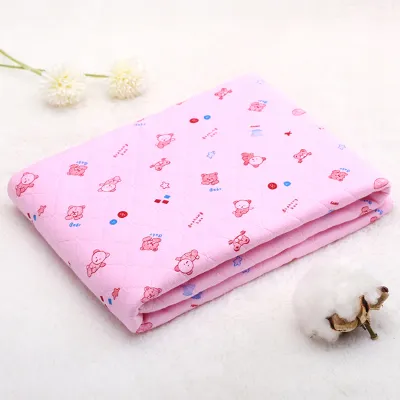
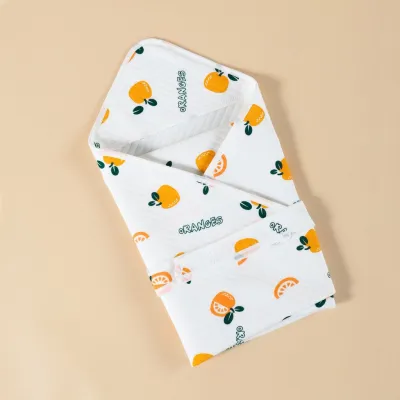
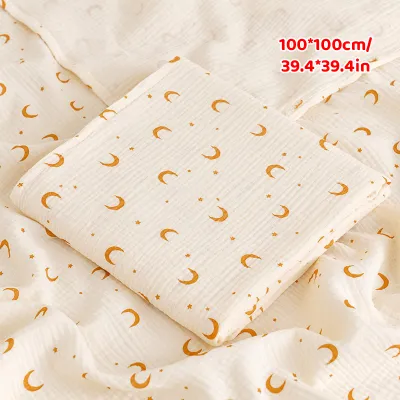
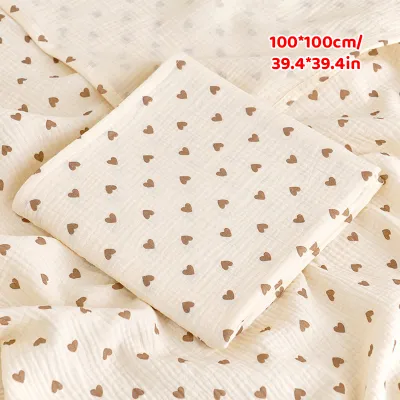
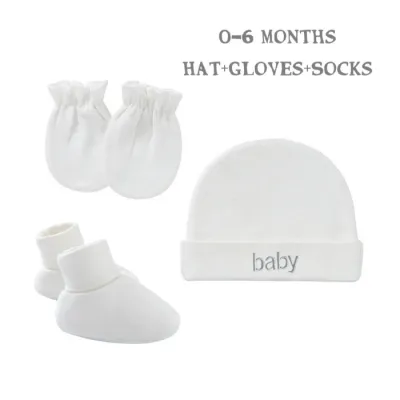
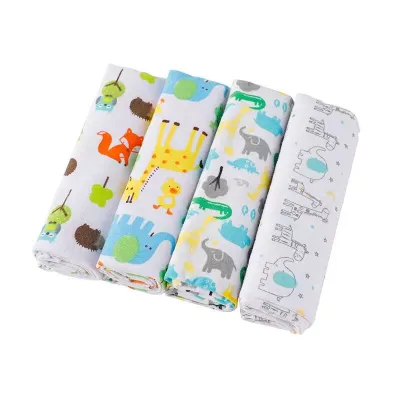
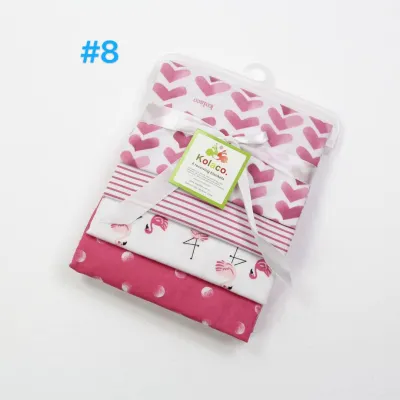
Prices are valid at publication and may change. Please refer to the product page for the latest price.
In contrast, a regular baby blanket is a loose, flat piece of fabric, typically rectangular or square, without built-in fasteners, zippers, or specialized wings. Its primary purpose is to provide ambient warmth and a soft barrier between your baby and various surfaces. Because it does not secure around the baby’s body, a blanket is highly versatile but lacks the structural design needed to safely contain a newborn’s startle reflex during sleep.
The transition timeline further highlights their distinct roles in your nursery. Swaddle wrappers are temporary tools, useful only during the first few months of life before your baby begins to show signs of rolling over. Once your baby reaches this developmental milestone, swaddling must stop immediately for safety reasons. Regular baby blankets, however, offer long-term utility that extends well into toddlerhood, serving as play mats, comfort objects, and eventually, bedding for older children.
Safe Sleep Boundaries You Must Verify
When introducing any fabric into your baby’s environment, safety must be your absolute priority. Pediatric health organizations worldwide agree that loose blankets should not be placed in an infant’s sleep area during their first year. Loose fabrics can easily shift during the night, potentially covering your baby’s face and obstructing their breathing. For unsupervised nighttime or naptime sleep, the crib should remain completely free of loose blankets, pillows, bumper pads, and soft toys.

Swaddle wrappers offer a safer alternative for sleep, but they must be used correctly to prevent other physical risks. One critical factor to verify is hip-healthy wrapping. Tight swaddling that forces your baby’s legs straight down and presses their knees together can increase the risk of hip dysplasia. When using a swaddle wrapper, always ensure the fabric allows your baby’s hips to flex upward and outward naturally, giving their legs room to move.
Overheating is another major concern, particularly in warm and humid tropical climates like the Philippines. Because newborns cannot regulate their body temperature as efficiently as adults, wrapping them in heavy fabrics can lead to dangerous heat retention. You must monitor your baby for signs of overheating, such as sweating, damp hair, flushed cheeks, or rapid breathing. To mitigate this risk, choose lightweight, breathable fabrics and adjust the room’s ventilation or air conditioning accordingly.
Before using any sleep product, establish a habit of verifying the manufacturer’s safety labels and guidelines. Check the packaging for specific weight and length limits, as an ill-fitting swaddle can slip up over your baby’s face. Always consult your pediatrician regarding local safe sleep recommendations to ensure your nursery setup aligns with the latest medical consensus.
Practical Features for Daily Routines
Evaluating how swaddles and blankets perform during daily caregiving routines will help you determine how many of each to purchase. The ease of use and learning curve differ significantly between the two. Traditional swaddling with a flat sheet requires a specific folding technique that can be difficult to master, especially during middle-of-the-night diaper changes. Modern swaddle wrappers solve this issue by incorporating user-friendly fasteners, such as quiet zippers or adjustable hook-and-loop tabs, which allow you to secure your baby quickly and consistently without loose ends coming undone.
Regular baby blankets require no learning curve, as they are simply draped over the baby during supervised moments. However, they require constant adult supervision when used for warmth. If you are using a blanket to keep your baby warm while they rest in a stroller or bouncer, you must remain nearby to ensure the fabric does not shift over their nose or mouth.
Temperature regulation is another practical dimension where fabric choice plays a vital role. In tropical environments, a heavy, plush blanket is rarely practical and can easily cause your baby to sweat. Swaddle wrappers made from lightweight cotton muslin or bamboo-derived fabrics offer excellent breathability, allowing air to circulate while still providing the secure pressure your baby craves. When using a swaddle, you can dress your baby in a simple, lightweight onesie underneath to prevent heat buildup.
Versatility is where the regular baby blanket excels. While a swaddle wrapper is a single-purpose sleep tool that becomes obsolete once your baby rolls, a high-quality blanket serves multiple functions throughout the day. You can drape a lightweight blanket over your shoulder as a temporary nursing cover, spread it on the floor as a clean surface for tummy time, or use it to shade your baby’s stroller from the sun during outdoor walks.
How to Decide What Your Baby Needs
To build a practical and cost-effective nursery registry, you can use a simple, condition-based framework to decide which products to buy. Your decision should be guided by your baby’s current age, developmental stage, and sleep patterns.
You should prioritize buying swaddle wrappers if:
- Your baby is a newborn, typically between zero and three months old.
- Your baby frequently wakes up due to a strong startle reflex.
- You need a reliable, secure tool to help soothe your infant to sleep during naps and nighttime.
You should prioritize buying regular baby blankets if:
- Your baby is older and has already started showing signs of rolling over, making swaddling unsafe.
- You need a versatile, multi-purpose fabric for supervised daytime activities, such as tummy time or outdoor stroller walks.
- You want a long-term comfort item that your child can continue to use as they grow into a toddler.
For most families, the most practical approach is to buy both items but use them for different scenarios. You can purchase two or three lightweight swaddle wrappers to handle the intensive newborn sleep phase, ensuring you always have a clean one available when diaper leaks occur. Alongside these, keeping two or three high-quality baby blankets on hand will cover your daytime needs, from providing a clean play surface to keeping your baby comfortable during supervised outings.
Essential Specs to Check Before Buying
When shopping for baby bedding in local stores or online marketplaces, you must look past attractive patterns and verify the technical specifications on the product labels. First, examine the fabric composition and weight. For warm climates, prioritize natural fibers such as cotton or bamboo-derived rayon. These materials are highly breathable and help wick moisture away from your baby’s skin, reducing the risk of heat rash and discomfort.
Second, inspect the structural design of swaddle wrappers for safety markers. Look for labels indicating that the product has been designed to support healthy hip development, ensuring the leg pouch is wide enough to let your baby’s knees bend naturally. Avoid swaddles that restrict leg movement or force the hips into a straight, rigid position.
Finally, evaluate the durability and maintenance requirements of the fasteners and fabric. Baby bedding requires frequent washing at high temperatures to maintain hygiene. Check the care instructions for shrinkage warnings, as cotton fabrics can shrink significantly if not pre-washed. If you are choosing a swaddle wrapper with hook-and-loop fasteners, ensure the tabs are sturdy and can be secured during washing to prevent them from snagging other garments in your laundry.
Frequently Asked Questions (FAQ)
When should I stop using a swaddle wrapper?
You must stop using a swaddle wrapper immediately as soon as your baby shows any signs of attempting to roll over on their own. This developmental milestone typically occurs between two and four months of age, though some babies may attempt it earlier. Swaddling restricts your baby’s arms, meaning that if they roll onto their stomach while swaddled, they will not be able to lift their head or clear their airway, creating a severe safety hazard. If you notice your baby wiggling excessively or shifting onto their side during sleep, consult your pediatrician for guidance on transitioning to a sleeveless wearable blanket or sleep sack.
Can I use a regular blanket to swaddle my baby?
While you can technically use a large, flat baby blanket to perform a traditional swaddle, it is generally more difficult to maintain a secure wrap. Loose blankets can easily unravel as your baby wiggles, leaving loose fabric in the crib that poses a safety risk. If you choose to swaddle using a flat blanket, ensure it is made of lightweight, breathable fabric like muslin, and learn the correct wrapping technique to prevent the folds from loosening. For unsupervised sleep, purpose-built swaddle wrappers with secure zippers or fasteners are highly recommended, while loose blankets should be reserved strictly for supervised, awake periods.
Community discussion
Share your experience or ask a question. Comments are reviewed before publication.