
The Short Answer: Are Blankets Safe for Newborns?
No, loose blankets are not safe for newborns or young infants in their sleep environment. During the first months of life, a baby’s crib or bassinet should remain completely free of loose bedding, pillows, bumper pads, and soft toys. Introducing these items into the sleeping area poses serious safety hazards that can easily be avoided.
The general consensus among pediatricians and child safety organizations is to wait until your baby is at least 12 months old before introducing a loose blanket. At this stage, infants have typically developed the motor skills necessary to pull objects away from their faces if their breathing becomes obstructed.
Because every child develops at a unique pace, it is highly recommended to consult your pediatrician before making any changes to your baby’s sleep environment. A healthcare professional can evaluate your baby’s physical milestones to ensure they are ready for this transition.
Products mentioned in this guide
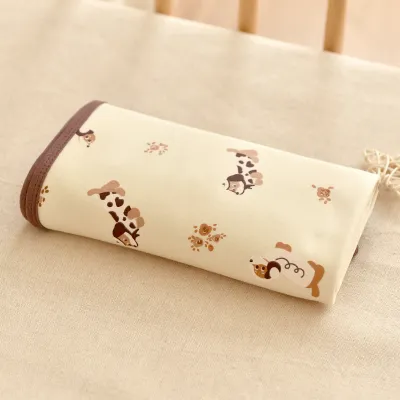
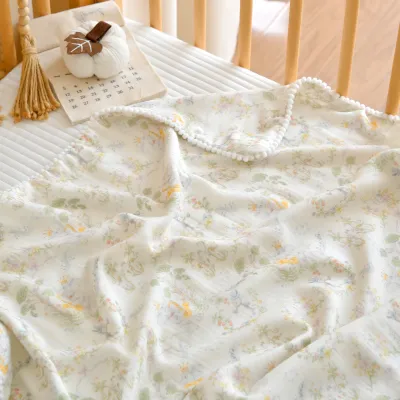
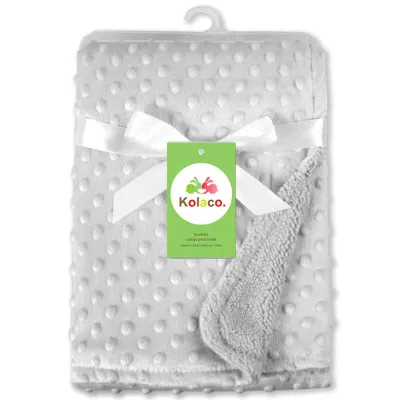
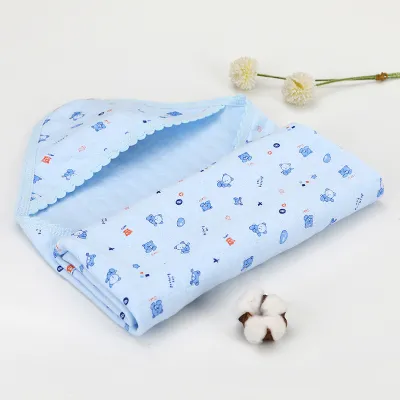
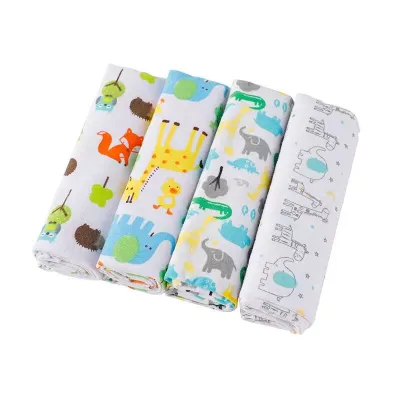
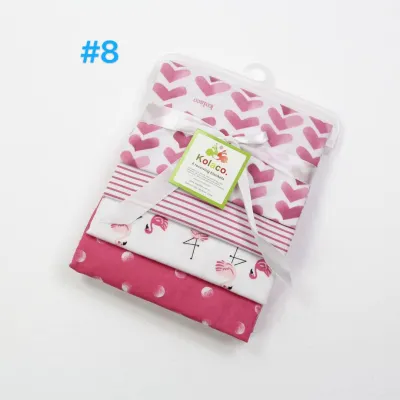
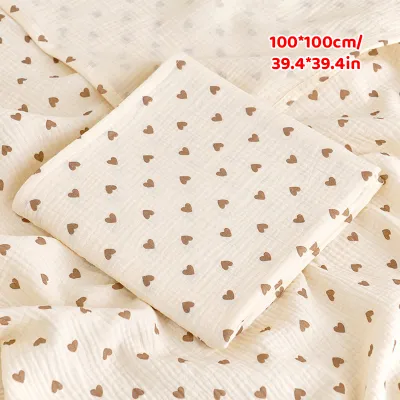
Prices are valid at publication and may change. Please refer to the product page for the latest price.
Understanding the Risks: Why Blankets Are Unsafe for Young Infants
To understand why loose blankets are restricted during the first year, it helps to look at an infant’s physical development. Newborns have very limited motor control and lack the strength or coordination to move a blanket if it accidentally covers their nose and mouth. If a loose blanket shifts during sleep, it can quickly lead to suffocation or entrapment, as the baby cannot easily roll away or use their hands to clear their airway.

Another critical concern is the risk of overheating, which is strongly linked to Sudden Infant Death Syndrome (SIDS). In tropical climates like the Philippines, where high humidity and warm ambient temperatures are common, wrapping a newborn in heavy or loose blankets can cause their core body temperature to rise rapidly. Unlike adults, infants cannot regulate their body temperature efficiently, making them highly susceptible to heat stress.
Additionally, loose blankets pose a rebreathing risk. If a blanket drapes over a baby’s face, a pocket of stale air can form around their nose and mouth. The baby then breathes in their own exhaled carbon dioxide rather than fresh oxygen. This lack of oxygen can cause deep lethargy, preventing the baby from waking up when their body is in distress. Keeping the sleep surface completely flat and clear is the most effective way to prevent these quiet but dangerous scenarios.
Age Guidelines: When Can Your Baby Safely Use a Blanket?
While the 12-month mark is the standard chronological guideline, developmental milestones are the true indicators of safety. Age alone does not guarantee that a baby can safely navigate loose bedding. You must observe your baby’s physical capabilities during waking hours and sleep transitions to determine if they are ready for a blanket.
A primary milestone to look for is consistent, strong rolling in both directions. Your baby should be able to roll easily from their back to their tummy and back again. They should also demonstrate the hand-to-eye coordination and arm strength required to grasp objects and pull them away from their face. If your baby still struggles to clear their face when a light cloth is placed over them during supervised play, they are not yet ready for a blanket in their crib.
Even if your baby has reached their first birthday and displays these milestones, transitioning away from wearable sleep sacks should be done cautiously. Always verify your baby’s readiness with your pediatrician during a routine check-up. They can provide personalized guidance based on your baby’s growth, muscle tone, and overall health.
Safe Sleep Alternatives: Keeping Newborns Warm Without Blankets
Regulating your newborn’s temperature without loose blankets is entirely manageable with the right sleepwear. Wearable blankets and sleep sacks are the primary safe alternatives recommended by pediatric experts. These garments zip or button securely around your baby’s body, keeping their arms and legs warm while ensuring there is no loose fabric that can rise up to cover their face.
When shopping for sleep sacks in the Philippines, it is essential to check the product labels for thermal ratings, commonly known as the Tog rating. Tog measures the thermal resistance of the fabric. For warm, tropical nights, look for ultra-lightweight sleep sacks with a rating of 0.2 to 0.5 Tog. If you sleep in an air-conditioned room set to around 24°C, a slightly thicker sleep sack rated between 1.0 and 1.5 Tog may be appropriate, depending on the manufacturer’s guidelines. Investing in a high-quality sleep sack, which typically ranges from ₱500 to ₱1,500 in local baby boutiques, is a practical way to ensure safety while keeping your baby comfortable.
Dressing your baby in breathable, lightweight layers is another effective way to manage warmth. A simple short-sleeved cotton bodysuit or onesie underneath a light sleep sack is often sufficient for tropical climates. Avoid synthetic fabrics like polyester, which trap heat and moisture, and opt instead for 100% breathable cotton or bamboo fabrics.
To ensure your baby is comfortable, monitor them regularly for physical signs of overheating. Check if their chest or the back of their neck feels hot or damp with sweat. Flushed cheeks, rapid breathing, or heat rash are clear indicators that your baby is too warm. In these cases, you should immediately remove a layer of clothing or switch to a lighter sleep sack to help them cool down safely.
Transitioning to a Blanket: Selection and Safe Usage Rules
Once your pediatrician confirms that your baby is developmentally ready to use a blanket, selecting the right material is your next step. Choose lightweight, highly breathable fabrics such as muslin, open-weave cotton, or light bamboo knits. Avoid heavy quilts, weighted blankets, or blankets with loose threads, tassels, and ribbons, as these can pose strangulation or choking hazards.
Proper positioning of the blanket is crucial to minimize any remaining risks. When placing your baby in the crib, tuck the bottom and sides of the blanket securely beneath the foot and sides of the mattress. The top edge of the blanket should never reach higher than your baby’s chest, keeping it well below their armpits. This secure tucking prevents the blanket from shifting or being pulled up over the baby’s head during the night.
Even after introducing a blanket, you must perform ongoing safety checks on the sleep environment. Ensure the crib mattress remains firm and fits tightly within the crib frame without any gaps along the edges. The sleeping area should still remain free of adult pillows, large stuffed toys, or loose bumper pads, as these items continue to pose safety risks even for older infants.
Frequently Asked Questions (FAQ)
Can I use a swaddle instead of a loose blanket?
Yes, swaddling is a safe and effective way to keep a newborn warm and secure, but it must be used correctly and discontinued at the right time. A swaddle wraps snugly around the baby’s body, preventing loose fabric from covering their face. However, you must stop swaddling your baby as soon as they show any signs of attempting to roll over, which can happen as early as two months of age. Once a baby can roll, being swaddled restricts their arms, making it impossible for them to push themselves up or turn their head to breathe. Always check the manufacturer’s instructions for proper wrapping techniques to ensure the swaddle is hip-healthy, allowing your baby’s hips and knees to bend and move freely.
How do I know if my baby is too cold or too hot at night?
To get an accurate assessment of your baby’s core body temperature, gently place your hand on their chest or the back of their neck. A baby’s hands and feet are naturally cooler than the rest of their body because their circulatory system is still developing, so checking their extremities can be misleading. If their chest or neck feels hot, sweaty, or clammy, your baby is too warm, and you should remove a layer of clothing or adjust the room’s ventilation. If their chest feels cold to the touch, you can add a lightweight, breathable layer of clothing or transition them to a slightly higher Tog-rated sleep sack.
Community discussion
Share your experience or ask a question. Comments are reviewed before publication.