
Ensuring your baby has a safe and comfortable sleep environment is one of the most important responsibilities of early parenthood. As you decorate the nursery, you might be tempted to dress the crib with soft, plush baby beddings comforters to make the space look cozy and inviting. However, when it comes to infant sleep, safety must always take precedence over aesthetics. Introducing loose bedding too early poses serious health risks, making it crucial to understand the precise timeline and developmental milestones required before your child can safely sleep with a comforter.
During the first year of life, a baby’s sleeping habits and environment undergo rapid changes. Many parents rely on swaddles or wearable sleep sacks to keep their newborns warm and secure. As your baby grows and begins to roll over, transitioning away from swaddles becomes necessary, but this does not mean they are immediately ready for loose blankets. Understanding the distinction between a child who is ready for a sleep sack and one who can safely handle a heavy comforter is vital for preventing sleep-related accidents.
The Safety Timeline: When Can Babies Sleep With a Comforter?
Pediatric safety guidelines globally recommend keeping all loose bedding, including comforters, out of your baby’s sleep environment until they are at least 12 months old. During the first year of life, a baby’s crib should remain completely bare, containing only a firm, flat mattress covered by a tight-fitting sheet. This strict recommendation is designed to eliminate potential hazards that can interfere with an infant’s breathing, ensuring that nothing can accidentally cover their face.
Products mentioned in this guide
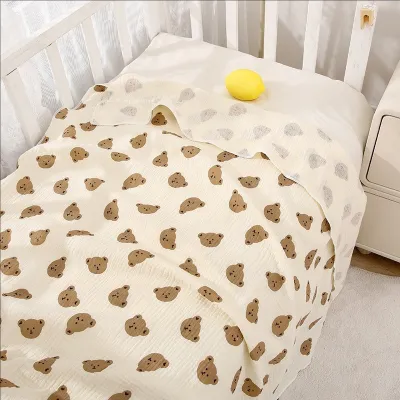
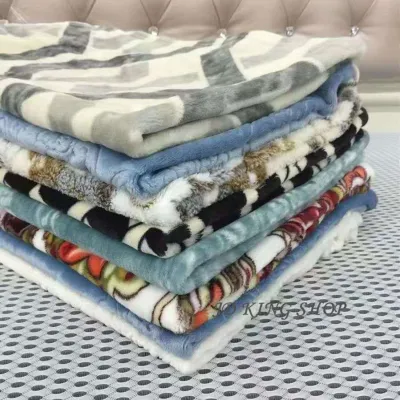
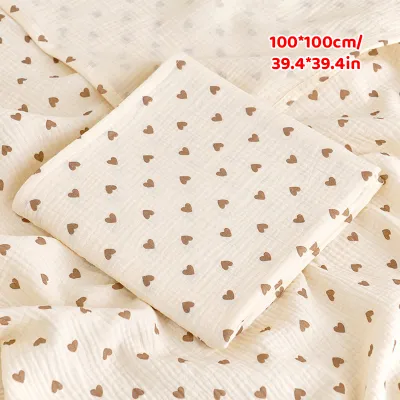
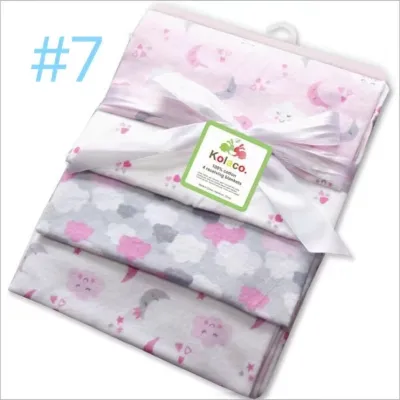
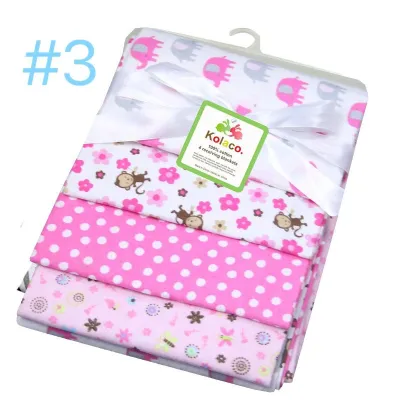
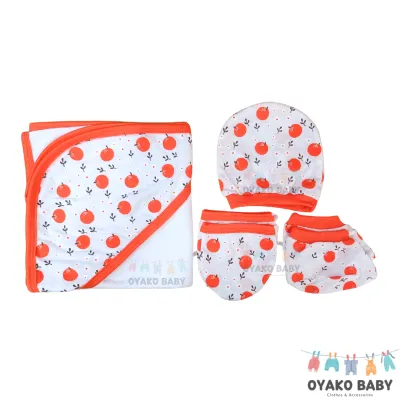
Prices are valid at publication and may change. Please refer to the product page for the latest price.
The transition to using baby beddings comforters relies heavily on your child reaching specific developmental milestones rather than just hitting a calendar age. By the time a toddler reaches 12 to 18 months, they typically possess the motor skills necessary to navigate loose blankets. They must be able to roll over easily in both directions, lift their head and chest off the mattress, and use their hands to push objects away from their face if their airways become obstructed. These physical capabilities are crucial for self-rescue during sleep.
It is vital to remember that age is merely a baseline, not an absolute guarantee of safety. Every child develops at their own pace, and physical coordination can vary significantly from one toddler to another. Before placing a comforter in the crib, spend time observing your child’s strength and mobility during their waking hours. You can assess their motor skills during tummy time and supervised play, ensuring they have the strength to push heavy fabrics away and easily free themselves from under a lightweight cover.
For parents of infants who were born prematurely or those who have diagnosed developmental delays, the timeline for introducing loose bedding may need to be extended. In these cases, it is highly recommended to consult your pediatrician for a personalized safety assessment. A qualified medical professional can help you determine when your child’s motor skills have matured sufficiently to handle a comforter safely, taking into account their adjusted age and specific physical milestones.
Understanding the Risks: Why Age and Development Matter
The primary reason pediatricians advise against using baby beddings comforters for infants under 12 months is the high risk of suffocation and entrapment. Very young babies lack the strength, motor control, and cognitive awareness to pull a heavy blanket off their faces if it shifts during sleep. If a loose comforter covers their nose and mouth, it can quickly cut off their oxygen supply, leading to a life-threatening situation within minutes. Additionally, infants have narrower airways, meaning even a partial obstruction can severely restrict breathing.

There is a well-documented correlation between the presence of loose bedding in a sleep environment and an increased risk of Sudden Infant Death Syndrome (SIDS). Research consistently shows that items like thick blankets, quilts, and comforters can easily bunch up around an infant’s head, creating a pocket of trapped carbon dioxide. When a baby rebreathes this exhaled air, their oxygen levels drop dangerously while carbon dioxide levels rise. This physiological state can impair their natural arousal response, preventing them from waking up to rescue themselves.
Overheating is another critical risk factor associated with early comforter use. Infants cannot regulate their body temperature as efficiently as older children or adults, and thick, heavy bedding can trap excess heat close to their bodies. In tropical regions like the Philippines, where high humidity and warm ambient temperatures are common, a heavy comforter can quickly cause a baby’s body temperature to spike. This elevation in core temperature is a known contributor to SIDS and can also lead to severe dehydration and heat exhaustion.
Many manufacturers market “breathable,” “organic,” or “lightweight” comforters with claims that they are safe for younger infants. However, safety experts emphasize that these marketing labels do not exempt products from standard safety guidelines. No matter how breathable a fabric claims to be, any loose item in an infant’s crib remains a hazard because it can still bunch up, create pockets of trapped air, or cause entrapment. Parents should ignore these marketing claims and adhere strictly to the bare-crib rule until the baby is at least one year old.
Choosing Safe Baby Beddings Comforters for Toddlers
Once your child has reached the appropriate age and transitioned to a toddler bed or a safe sleep setup, you can begin shopping for suitable baby beddings comforters. Selecting the right bedding requires careful evaluation of several key factors to ensure ongoing comfort and safety. You should never simply grab an adult blanket or a generic throw, as these are not designed with a toddler’s physical proportions in mind.
- Size and Weight: Prioritize products specifically designed for cribs or toddler beds. The comforter should match the dimensions of the mattress without excessive fabric hanging over the sides, which can create a tripping hazard or allow the child to become excessively tangled. Additionally, the blanket must be lightweight so that your toddler can easily push it off their body or pull it up without straining their muscles.
- Material and Breathability: The tropical climate of the Philippines demands careful attention to fabric composition. Look for comforters made from highly breathable, natural fibers such as 100% cotton, bamboo-derived fabrics, or lightweight linen. These materials facilitate excellent air circulation and help wick moisture away from the skin, preventing the night sweats and discomfort that often occur during warm, humid evenings. Avoid synthetic materials like heavy polyester or thick fleece, which trap heat and moisture.
- Structural Safety: Before introducing any new bedding to your child's room, perform a rigorous physical inspection. Check for any decorative elements that could pose a hazard, such as long ribbons, tassels, fringe, loose buttons, or decorative beads. These components can easily detach and become choking hazards or wrap around your child's fingers and neck. Opt for simple, minimalist designs with secure, double-stitched seams that prevent the inner filling from leaking out.
- Label Verification: Always check the manufacturer's product documentation, age recommendations, and care instructions before making a purchase. Look for labels that certify the fabric is free from harmful chemicals and flame retardants. Additionally, verify that the comforter is fully machine-washable and durable enough to withstand frequent laundering, which is essential for maintaining a hygienic sleep environment free from dust mites, mold, and allergens that thrive in humid conditions.
Transitioning Safely: Setting Up the Sleep Environment
Introducing a comforter to your toddler’s sleep routine should be a gradual, carefully monitored process. Rather than placing the blanket in their bed overnight immediately, try introducing it during supervised daytime naps or quiet floor play. This allows you to observe how your child interacts with the fabric, ensuring they can easily move it around and do not become anxious, restricted, or overly tangled by its presence. It also gives them a chance to get used to the weight and texture of the bedding.
Even after your child is old enough to use a comforter, it is essential to keep the rest of their sleep space uncluttered. The introduction of a blanket does not mean it is safe to fill the bed with other soft objects. Keep pillows, large stuffed toys, and traditional crib bumpers out of the sleeping area to minimize any remaining risks of entrapment or suffocation, maintaining a clean, spacious, and secure sleep environment.
- Temperature Management: Managing the temperature of the nursery is vital when adding a comforter to the bed, especially in warm climates. If your home relies on air conditioning, ensure the unit is set to a comfortable, stable temperature, and monitor the room's air circulation. If you are using electric fans, position them to circulate air throughout the room without blowing directly onto the child. Adjust your toddler's sleepwear accordingly; if they are using a comforter, a thin, short-sleeved cotton pajama set is usually sufficient to prevent overheating.
- Positioning: When placing the comforter on the bed, lay it loosely across the lower half of your child's body, reaching no higher than their chest. Avoid tucking the sides tightly under the mattress, as this can trap the child and make it difficult for them to adjust their position during the night. Alternatively, you can simply drape the comforter at the foot of the bed and allow your toddler to pull it up over themselves when they feel cool, encouraging independence and safety.
When to Reassess or Stop Using a Comforter
Sleep safety is an ongoing process that requires regular reassessment as your child grows and their behavior changes. Watch for specific behavioral red flags that indicate the comforter may no longer be safe in their bed. For example, if your toddler frequently wraps the blanket tightly around their neck or face during play or sleep, or if they bunch it up in the corner of the crib to use as a step stool to try climbing over the railing, remove the comforter immediately to prevent falls or strangulation.
Perform routine physical checks on the bedding to ensure it remains in pristine condition. Over time, frequent washing can weaken seams and threads. Inspect the comforter for any loose stitching, frayed edges, or tears that expose the polyester or cotton filling. Loose threads can wrap tightly around a child’s fingers or toes, cutting off circulation, while exposed filling can be pulled out and swallowed, presenting a severe choking hazard. If you find any damage, repair it securely or replace the comforter immediately.
Keep a close eye on your child’s physical comfort and skin health, especially during seasonal transitions. If you notice that your toddler frequently wakes up with damp hair, flushed cheeks, or a heat rash (commonly known as “bungang-araw” in the Philippines), the comforter is likely trapping too much heat. In such cases, the bedding is inappropriate for the current weather conditions. You should immediately swap the comforter for a much lighter alternative, such as a single-ply cotton sheet, or remove the blanket entirely until the cooler, rainy season arrives.
Frequently Asked Questions (FAQ)
Are wearable blankets or sleep sacks safer than comforters for infants?
Yes, wearable blankets and sleep sacks are widely recommended by pediatricians as the safest alternative to loose blankets for infants under 12 months. Because these garments are designed to be worn over your baby’s sleepwear, they stay securely in place throughout the night. This eliminates the risk of loose fabric shifting, bunching up, or covering your baby’s nose and mouth, providing necessary warmth while maintaining a highly secure sleep environment.
Does the tropical climate affect how I should use a comforter?
Yes, the tropical climate in the Philippines significantly influences sleep safety and comfort. Because high heat and humidity increase the risk of overheating—a known contributor to sleep-related hazards—you must exercise extra caution. If you choose to use a comforter for your toddler, select an ultra-lightweight, highly breathable model made from natural fibers like cotton or bamboo. During hot summer nights, or if your nursery lacks air conditioning, it is often safest to skip the comforter entirely and rely on light cotton pajamas and proper room ventilation.
Community discussion
Share your experience or ask a question. Comments are reviewed before publication.