
When planning car travel with an infant, choosing the right gear is a matter of safety, comfort, and legal compliance. A wearable baby carrier and a specialized baby bed for car (a certified lie-flat car seat) serve entirely different purposes. You cannot substitute one for the other. For a moving vehicle, only a certified car seat or a medically recommended, vehicle-tested car bed is safe and legal. A wearable carrier is strictly for use when you are on foot. Understanding when to use each ensures your baby remains secure during long drives along the highway or quick trips to the local mall.
Navigating the warm, humid climate of the Philippines adds another layer of consideration. Ensuring your baby does not overheat while remaining securely buckled is a daily challenge for local parents. Whether you are driving through the busy streets of Metro Manila or embarking on a weekend road trip to the provinces, understanding the distinct roles of car beds and carriers is essential for a smooth, worry-free journey.
Understanding the Terms: Car Beds, Carriers, and Car Seats
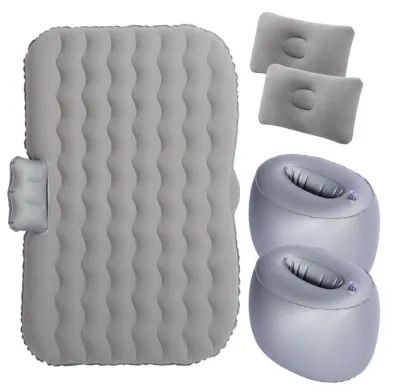
Many parents search for a “baby bed for car” hoping to find a way for their newborn to lie completely flat during long road trips. However, there is a critical difference between a certified lie-flat car seat—which is engineered and crash-tested specifically for vehicle use—and a standard portable bassinet or stroller attachment. A standard bassinet lacks the internal harness systems, reinforced shell, and vehicle belt pathways required to withstand a collision. Placing an uncertified bassinet on a vehicle seat is extremely dangerous, as it can easily shift or eject the infant during a sudden stop.
Products mentioned in this guide
Prices are valid at publication and may change. Please refer to the product page for the latest price.
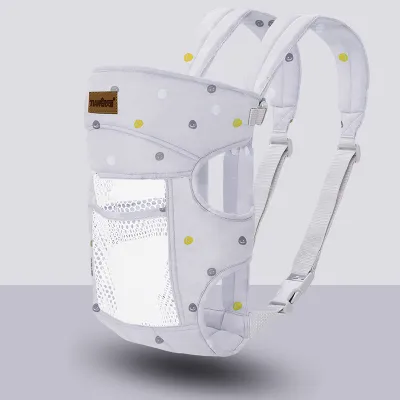
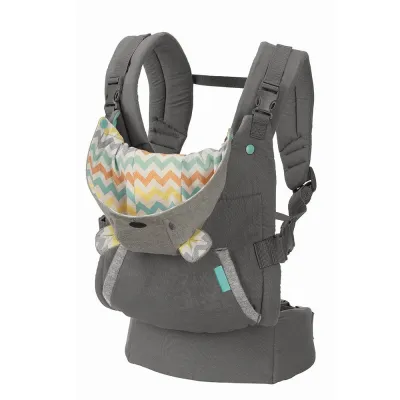
Wearable baby carriers, including fabric wraps, ring slings, and soft-structured carriers, are designed to keep your baby close to your chest while you walk. They rely entirely on your body for support and do not feature any mechanism to secure them to a vehicle’s seat structure. While they are excellent for hands-free parenting at your destination, they offer absolutely no protection inside a moving vehicle.
The baseline rule for vehicle safety is absolute: only certified, vehicle-tested child restraints are safe to use while a car is in motion. Any product that does not carry an official safety certification label indicating it is approved for use in motor vehicles must never be used as a restraint. When preparing for a trip, always verify that your primary travel gear is certified for automotive use rather than just general nursery or stroller use.
When Is a Lie-Flat Car Bed Actually Necessary?
While standard rear-facing infant car seats are the default choice for most families, certain medical situations require a specialized lie-flat car bed. Pediatricians and neonatologists sometimes recommend these specialized beds for premature infants, low-birth-weight babies, or infants with specific medical conditions that affect their breathing or airway stability when sitting semi-upright. In a standard semi-reclined car seat, a very small or medically fragile infant’s head can tilt forward, potentially restricting their airway.

Because these beds are specialized medical travel gear, you should always consult your pediatrician or a certified child passenger safety technician before making a purchase. They can help perform a car seat tolerance test before your baby is discharged from the hospital to determine if a flat sleeping position is medically necessary for travel. This test monitors the baby’s heart rate and oxygen levels while seated in their car seat to ensure they can travel safely.
If a lie-flat car bed is recommended, always check the manufacturer’s label and instruction manual for the exact weight, height, and developmental limits. These limits are often much lower than those of standard rear-facing seats, meaning you must monitor your baby’s growth closely. You will need to transition them to a standard rear-facing seat as soon as they exceed the specified limits or when their medical professional clears them for semi-upright travel.
Why Wearable Baby Carriers Are Not for Moving Vehicles
It can be tempting to keep your baby in a comfortable wrap or soft-structured carrier during a drive, especially if they have finally fallen asleep. However, wearable carriers offer zero protection in a collision. They lack the rigid structural integrity, energy-absorbing foam, and secure vehicle anchoring systems that certified car seats provide. In the event of a sudden stop, the fabric of a carrier can easily tear, or the buckles can fail under the extreme forces of an impact.
Holding a baby in a carrier, or wearing them while you are buckled into a seat belt, is extremely dangerous. In a sudden stop or crash, the force of the impact can cause your own body weight to press forward against the baby, leading to severe crush injuries. The vehicle’s seat belt is designed to protect an adult body, not a baby strapped to an adult’s chest. Even at low speeds, the physical forces involved in a collision make it impossible to hold onto a baby securely.
Wearable carriers are incredibly useful travel tools, but their safety zone is strictly outside the moving vehicle. They are ideal for navigating busy airports, walking through rest stops, or soothing your baby during a stroll at your destination. In tropical climates, using a breathable mesh carrier during these stops can help keep both you and your baby cool. Once it is time to get back on the road, the carrier must be taken off, and the baby must be secured in their dedicated car seat.
How to Choose the Right Certified Restraint for Your Baby
For the vast majority of healthy infants, a standard rear-facing infant car seat is the safest and most appropriate choice. Keeping your baby rear-facing protects their fragile head, neck, and spine by distributing crash forces across the shell of the seat. It is recommended to keep your child rear-facing for as long as possible, until they reach the maximum weight or height limit allowed by the car seat manufacturer.
When shopping for a car seat or a specialized car bed, always verify the safety standard labels. Look for official certification marks, such as the Import Commodity Clearance (ICC) sticker or the Philippine Standard (PS) mark, which indicate the product has passed mandatory safety testing. Avoid purchasing secondhand seats or products from unverified online marketplaces where safety history cannot be guaranteed. A compromised seat may have invisible structural damage from a previous minor collision.
Once you have a certified seat, perform physical checks to ensure a proper fit according to the manufacturer’s manual. The harness straps should emerge from the slots at or just below your baby’s shoulders when rear-facing. The chest clip must be positioned at armpit level, and the harness should be snug enough that you cannot pinch any excess webbing at the collarbone. Additionally, verify the seat’s recline angle using the built-in level indicator to ensure your baby’s head does not flop forward, which could restrict their airway. When budgeting for your baby’s travel gear, prioritize certified safety equipment over aesthetic accessories, ensuring every peso (₱) spent goes toward verified protection.
Frequently Asked Questions (FAQ)
Can I use a portable bassinet or stroller attachment as a baby bed for car travel?
No, you cannot use a standard portable bassinet, carrycot, or stroller attachment as a baby bed in a moving car. These products are designed solely for strollers or stationary sleep and are not crash-tested or certified for vehicle use. They lack the necessary harness systems and vehicle belt attachments to keep your baby secure. Always transfer your baby to a certified car seat or a certified vehicle car bed before the car starts moving.
What should I do if my baby falls asleep in their wearable carrier during a road trip?
If your baby falls asleep in their wearable carrier while you are traveling, you must stop the vehicle safely at a rest stop or parking area before attempting to transition them. Never try to adjust or transfer your baby while the car is in motion. Once parked, remove the carrier entirely, place your baby into their certified car seat, and secure the harness according to the manufacturer’s instructions before resuming your journey.
Community discussion
Share your experience or ask a question. Comments are reviewed before publication.