
Many parents look for ways to keep their little ones safe from falling out of bed, especially when transitioning from a crib to a larger bed or when practicing co-sleeping. A baby bed fence, also known as a bed guard or bed rail, is a common solution found in many households. However, these aftermarket accessories carry significant safety risks that caregivers must understand before installation. When used incorrectly, bed fences can lead to dangerous situations such as entrapment, suffocation, and severe falls. To protect your child, it is essential to understand how these hazards occur, what features to look for in a high-quality guard, and how to maintain a secure sleeping environment.
While these barriers are popular in many households to prevent toddlers from rolling off adult beds, they are not universally safe for all ages and require strict adherence to manufacturer guidelines. To prevent entrapment risks, caregivers must ensure there are absolutely no gaps between the fence and the mattress, choose a fence with rigid and secure mesh, and perform daily safety checks. Taking a proactive approach to home baby-proofing ensures that your child remains safe during sleep and play.
Understanding the Safety Risks of Baby Bed Fences
The primary hazard associated with aftermarket bed fences is entrapment. This occurs when a gap forms between the side of the mattress and the vertical barrier of the fence. Because adult mattresses are often flexible and can shift during sleep, a space can easily open up if the fence is not anchored securely. If a baby or toddler rolls into this space, their head, neck, or limbs can become wedged. Because young children lack the developmental strength or coordination to extricate themselves from tight spaces, this positional entrapment can quickly lead to serious injury or restricted breathing.
Products mentioned in this guide

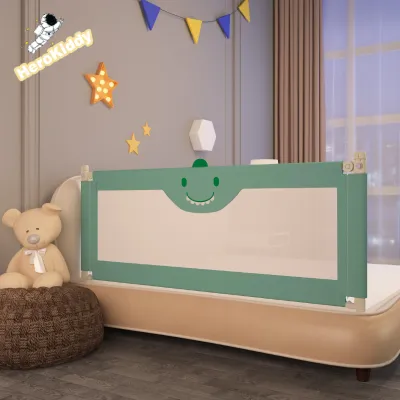
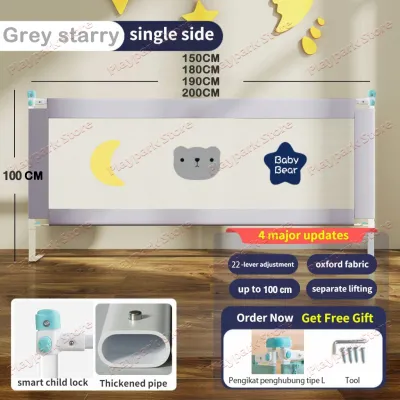
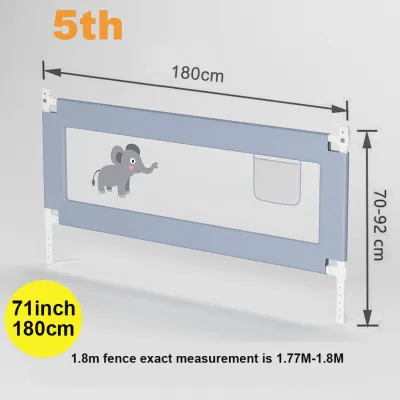

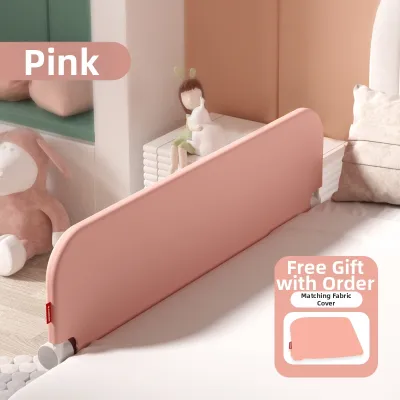

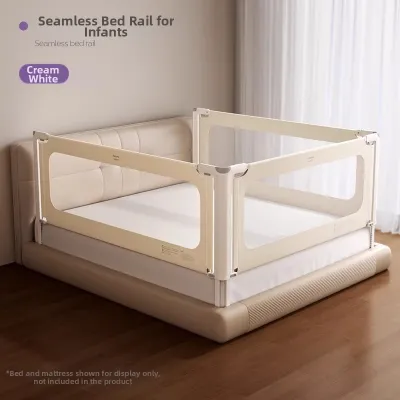
Prices are valid at publication and may change. Please refer to the product page for the latest price.
Suffocation is another critical risk, particularly when dealing with soft, loose, or poorly fitted mesh materials. Many modern bed fences utilize mesh panels to promote airflow, which is highly desirable in warm and humid climates like the Philippines. However, if the mesh fabric is too loose or bows outward under pressure, it can create a dangerous pocket. If a sleeping baby rolls over and presses their face directly into this soft pocket, their nose and mouth can become obstructed, leading to a high risk of suffocation.
Furthermore, bed fences can introduce severe fall hazards for older, more active toddlers. As children grow, they naturally begin to explore and climb. A bed fence can inadvertently serve as a stepping tool or ladder. If a child attempts to scale the barrier, they can easily lose their balance and tumble over the top. Because adult beds are positioned significantly higher off the ground than standard cribs, a fall from this height—especially onto hard tile or wooden floors common in local homes—can result in severe head trauma or fractures.
Key Features to Check for a Safe Baby Bed Fence
When shopping for a bed guard on an online marketplace or at a local baby specialty store, evaluating the physical structure of the product is paramount. The first feature to inspect is the density and rigidity of the mesh panel. The fabric must be tightly woven and stretched taut across the frame. When you press your hand firmly against the center of the mesh, it should resist bowing and should not form a deep, yielding pocket. A high-tension mesh ensures that even if a child rolls against the barrier, their face remains supported on a flat, breathable surface.

Frame stability and the integrity of the locking mechanisms are equally vital. The frame should be constructed from robust materials, such as heavy-duty steel tubing, rather than thin, flexible plastics. Any folding, sliding, or drop-down hinges must feature a secure, multi-step locking mechanism. This design ensures that a child cannot accidentally trigger the release from inside the bed, and that the fence remains rigidly upright even when subjected to the weight of a child leaning or pushing against it.
Finally, look for a gap-elimination design that ensures a flush fit against the mattress. The safest bed fences feature a flat, low-profile base bar that slides deep beneath the mattress and anchors firmly to the opposite side of the bed frame. Some advanced models include adjustable height brackets or tensioning systems that allow you to press the lower edge of the barrier firmly into the side of the mattress. This compression eliminates any potential void where a child’s limbs or head could slip through, creating a continuous, secure barrier.
Proper Installation and Daily Safety Checks
Before installing any bed fence, you must carefully read the manufacturer’s product documentation to verify that your setup meets all safety requirements. Pay close attention to the specified age, weight, and mattress thickness limits. Many bed fences are strictly rated for children older than 18 months who are developmentally capable of climbing in and out of an adult bed unassisted. Using these barriers for younger infants who cannot roll or reposition themselves safely is highly dangerous and goes against standard pediatric safe sleep guidelines.
When installing the fence, never rely solely on the weight of the mattress to hold the barrier in place. This is a common installation error that allows the fence to slide outward over time, creating a hidden entrapment hazard. You must use the provided anchor straps, clamps, or screws to secure the base of the fence directly to the bed slats or the metal frame on the opposite side of the bed. In tropical climates, high humidity can cause wooden bed frames to expand or contract, and synthetic mattress covers can be slippery, making mechanical anchoring absolutely essential to prevent shifting.
Once the fence is installed, establish a strict daily “gap check” routine. Before putting your child down for a nap or bedtime, physically inspect the barrier. Push against the fence to ensure the locking mechanisms are fully engaged and the frame is stable. Run your hand along the inner seam where the mattress meets the fence to verify that no gaps have formed. If you can fit more than two fingers into any space between the mattress and the guard, the setup is unsafe. You must immediately readjust the anchor straps and pull the mattress tight against the barrier before allowing your child to sleep.
When to Stop Using a Baby Bed Fence
Caregivers must remain vigilant and recognize the developmental milestones that indicate a bed fence is no longer safe to use. The most critical sign is the onset of climbing behaviors. If you observe your child attempting to scale, pull up on, or push against the fence, you must remove the barrier immediately. At this stage of development, the fence ceases to be a protective guard and instead becomes a climbing hazard that increases the risk of a high-altitude fall.
In addition to behavioral changes, you must strictly adhere to the physical limits specified by the manufacturer. Regularly measure your child’s height and weight and compare them to the maximum limits listed in the product manual. Once your child outgrows these parameters, the structural integrity of the fence can no longer be guaranteed. The force of an older, heavier child leaning or rolling against the barrier could cause the locking joints to fail or the anchor straps to snap, leading to a sudden collapse.
When your child outgrows the safe usage parameters of a bed fence, it is time to transition to a safer sleeping arrangement. This transition should be planned proactively rather than waiting for an accident to occur. Depending on your space and preferences, you might transition your child to a dedicated toddler bed with low-profile, built-in safety rails, or move them to a floor bed setup. Planning this transition early ensures a smooth adjustment period for both you and your child while maintaining a secure sleep environment.
Safe Sleep Alternatives to Bed Fences
For families who want to avoid the inherent risks of aftermarket bed fences altogether, several safer sleeping arrangements are available. The gold standard for infant and toddler sleep is a standard, certified crib or cot. These structures are designed from the ground up to meet strict safety standards, featuring fixed vertical slats spaced closely together to prevent head entrapment. A certified crib provides a completely enclosed, secure environment that does not rely on aftermarket attachments or tension straps that can shift over time.
Another highly practical alternative is transitioning to a floor bed setup. This involves placing a high-quality mattress directly on the floor or on an ultra-low-profile platform. A floor bed completely eliminates the risk of high-altitude falls, as any roll off the mattress results in a minor, non-hazardous slide of only a few inches onto the floor. To implement this setup safely, you must meticulously baby-proof the entire bedroom, which includes anchoring all heavy furniture to the walls, covering electrical outlets, and removing any small choking hazards from the floor.
If you prefer to keep your baby close to your bed for ease of nighttime feeding, a dedicated co-sleeper or bedside bassinet is a much safer option than placing them in an adult bed with a fence. These specialized sleepers attach securely to the adult bed frame using heavy-duty straps, providing a separate, flat, and firm sleeping surface for the baby while keeping them within arm’s reach. Always follow the manufacturer’s age and weight guidelines, and transition the baby to a crib once they begin to roll over or push up on their hands and knees.
Frequently Asked Questions (FAQ)
Can I use a bed fence for a newborn or young infant?
No, you should never use a bed fence for a newborn or young infant. Bed fences are aftermarket accessories designed for older toddlers, typically those over 18 months of age who can get in and out of bed unassisted. Young infants lack the head control, strength, and motor skills to rescue themselves if they roll into a gap or press their face against the mesh. For newborns and young infants, always follow standard safe sleep guidelines, which recommend a firm, flat, and separate sleep surface, such as a certified crib, cot, or bedside bassinet, free of any loose bedding or soft barriers.
Are mesh bed fences safer than solid wooden bed rails?
Neither material is universally safer, as both carry distinct risk profiles that depend heavily on design, installation, and proper use. Mesh bed fences offer breathability and a softer surface if a child bumps against them, but they carry a higher risk of suffocation if the mesh is loose, low-quality, or bows outward. Solid wooden bed rails provide excellent structural rigidity and will not bow, but they can present impact risks or limb-entrapment hazards if the vertical slats are spaced too far apart. Rather than relying solely on the material type, you must evaluate the specific structural integrity, gap-elimination design, and safety certifications of the individual product.
What should I do if I notice a gap between the mattress and the fence?
If you notice any gap between the mattress and the bed fence, you must take immediate action to protect your child. First, remove your child from the bed and move them to a safe area away from the edge. Next, inspect the installation and attempt to readjust the anchor straps, pulling the mattress and the fence tightly together to completely eliminate the space. If the gap persists because the mattress is too small, the bed frame is incompatible, or the fence cannot be secured flush against the bed, you must discontinue using the bed fence immediately and consult the manufacturer for guidance or transition to an alternative safe sleep setup.
Community discussion
Share your experience or ask a question. Comments are reviewed before publication.