
Baby bed fences can help prevent active toddlers from rolling out of bed, but they are not universally safe and carry significant risks of entrapment if chosen or installed incorrectly. While a fall can cause bruising or minor injuries, entrapment—where a child becomes wedged between the mattress and the guardrail—presents a silent, life-threatening hazard. To protect your child, you must understand these physical risks, verify official safety certifications, and strictly follow manufacturer guidelines for installation and age limits.
Understanding Entrapment and Fall Risks
Entrapment hazards occur when a gap opens between the mattress and the bed fence. A child can slip into this space, getting their head, neck, or limbs stuck. If the fence fabric is loose or the frame shifts away from the bed, the resulting pocket can trap a sleeping child, leading to restricted breathing or suffocation.
Parents often worry about the dramatic visual of a child falling onto the floor. However, a fall is usually loud and immediately noticeable, allowing caregivers to respond instantly. Entrapment, on the other hand, can happen silently during sleep or quiet play, meaning a child whose airway is compromised against a dense mattress or sagging mesh may not be able to cry out for help.
Products mentioned in this guide



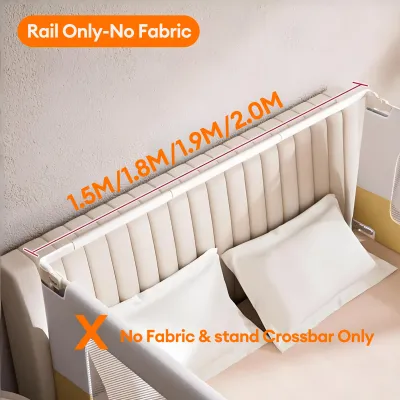
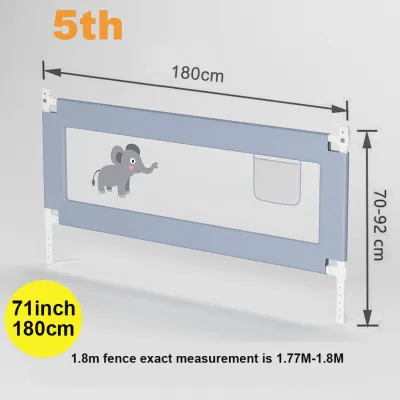
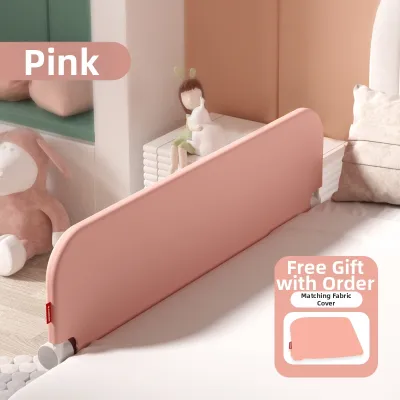
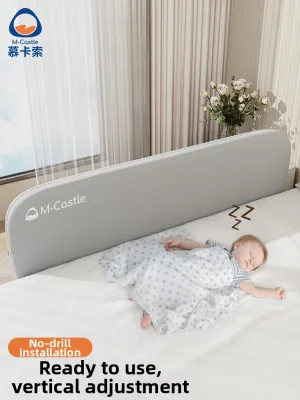
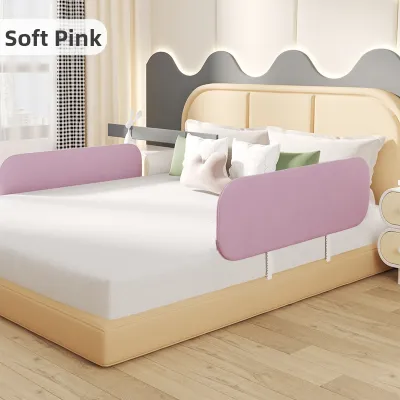
Prices are valid at publication and may change. Please refer to the product page for the latest price.
The nature of these risks changes as your child grows and reaches new developmental milestones. Infants who cannot yet roll over or push themselves up are highly vulnerable to suffocation if they roll against a soft barrier. Active toddlers who can crawl, pull themselves up, or slide feet-first off the bed face different hazards, such as getting their limbs wedged in loose mesh or attempting to climb over the top rail.
Design Features to Look for in a Safe Bed Fence
When shopping for a bed fence, prioritize child-resistant, double-action locking mechanisms. These systems require two distinct physical actions to fold or lower the fence, preventing an active toddler from accidentally collapsing the barrier while leaning or playing against it. Avoid models with simple single-button releases that a curious child can easily figure out.

The method used to secure the fence base under the mattress is critical for eliminating dangerous gaps. Safe designs do not rely on the weight of the mattress alone to hold the barrier in place. Instead, look for heavy-duty anchoring straps that wrap around the opposite side of the bed frame or secure directly to the bed slats, keeping the fence base pressed tightly against the side of the mattress.
The mesh panel must be highly breathable and stretched taut across the frame. Loose, sagging fabric or elastic mesh can stretch under a child’s weight, creating a pocket where their face can become pressed, restricting airflow. Check for reinforced stitching, ensure there are no loose threads that could wrap around tiny fingers, and verify that there are no small, detachable plastic caps or buttons that pose a choking hazard. In humid tropical climates, like in the Philippines, high humidity can sometimes affect fabric elasticity over time, making regular tension checks even more critical.
How to Verify Safety Certifications and Labels
Because there are many unbranded or generic baby products available on online marketplaces, parents must look beyond marketing claims. Do not rely on phrases like “100% safe,” “pediatrician-approved,” or “certified baby-proof.” These are often self-declared marketing terms with no legal backing or independent testing to support them.
Instead, look for physical certification marks printed directly on the product’s permanent tracking label, the packaging, or within the official user manual. Look for recognized international standards such as ASTM F2085, which is the standard consumer safety specification for portable bed rails, or equivalent regional safety standards. These certifications indicate that the product has undergone rigorous testing for structural integrity, gap prevention, and material safety.
To verify these claims, check the manufacturer’s documentation for a specific registration or certificate number. You can cross-reference these numbers on the databases of independent testing bodies or national consumer product safety commissions. If a seller on an ecommerce platform cannot provide a clear, verifiable test report from an accredited laboratory upon request, it is safest to assume the product has not undergone proper safety testing.
Safe Installation and Daily Usage Boundaries
Safe installation is entirely dependent on your specific bed setup. A bed fence designed for a standard box spring and mattress may not work safely on a wooden slatted platform bed or a mattress placed directly on the floor. Always read the manufacturer’s manual to confirm compatibility with your bed type, and never improvise or use makeshift ropes or zip ties to secure a loose fence.
Establish a daily inspection routine before every nap and bedtime. Physically check the stability of the fence by pushing against the barrier to ensure the anchoring straps have not loosened. Slide your hand along the inside of the fence to verify that no gap has formed between the mesh and the mattress, and ensure the locking mechanisms are fully engaged and clicked into place.
Remember that a bed fence is a passive sleep safety device, not a playpen or a toy. When your child is awake and playing in the room, they require constant adult supervision. Toddlers may use the fence to pull themselves up, shake the frame, or lean their full weight against the mesh, which can compromise the structural integrity of the anchors over time.
When to Stop Using the Bed Fence
Every bed fence has strict physical limits defined by the manufacturer. Locate the product label or manual to check the maximum weight, height, or age limits. Once your child reaches any of these thresholds, the fence must be removed immediately, even if it still appears sturdy and undamaged.
Observe your child’s developmental milestones and daily behavior. If you see your child attempting to climb over the top rail, using the mesh as a ladder, or shaking the fence vigorously, the barrier has transitioned from a safety device into a climbing hazard. A fall from the top of a bed fence onto the floor is much higher and more dangerous than a fall from the mattress itself.
When these signs appear, it is time to transition to a safer sleeping arrangement. This may involve moving your child to a low toddler bed with built-in wooden guardrails, or transitioning to a floor bed setup where the mattress sits directly on a clean, baby-proofed floor, eliminating the risk of high falls entirely.
Frequently Asked Questions (FAQ)
Can I use a bed fence for an infant who cannot yet roll over?
No, bed fences are generally not safe for infants, especially those who cannot roll over or push themselves up. Young infants lack the motor skills and head control to extricate themselves if they roll against the soft mesh or slip into a gap. For infants, a dedicated crib or bassinet that meets current infant sleep safety standards is the only recommended sleeping environment. Always consult a pediatrician or pediatric safety specialist if you have questions about safe sleep spaces for your infant.
Are foam bed bumpers a safer alternative to mesh bed fences?
Foam bed bumpers, which sit under the fitted sheet, are sometimes used to prevent toddlers from rolling out of bed, but they carry their own set of risks. While they eliminate the hard metal frames of traditional fences, soft foam wedges can still present a suffocation or entrapment hazard if a young child rolls tightly against them or slips between the bumper and the mattress edge. If you choose to use a foam bumper, ensure your child has reached the manufacturer’s recommended age and developmental stage, and verify that the bumper fits tightly under a secure, well-fitted sheet without creating any loose fabric folds.
Community discussion
Share your experience or ask a question. Comments are reviewed before publication.