
Choosing the right baby lotion in the Philippines requires balancing your baby’s unique skin type with the demands of a tropical climate. While Aveeno Baby Moisturizing Lotion is widely recognized for its oat-based formula, the ideal choice depends on whether your baby has normal, dry, or eczema-prone skin, and how their skin reacts to heat, humidity, and air conditioning. By comparing ingredient labels, evaluating packaging, and calculating the cost per milliliter, you can select a safe and effective moisturizer that fits your family’s daily routine and budget.
Identifying Your Baby's Specific Skin Needs
To establish a baseline for choosing a moisturizer, you must first assess your baby’s current skin condition. Healthy baby skin is naturally soft, but its delicate outer barrier is still developing, making it highly susceptible to environmental changes. Look closely for visible signs of dryness, such as rough patches, mild flaking, or redness, particularly on the cheeks, elbows, and knees. If your baby frequently scratches these areas or if the skin appears persistently dry and irritated, they may have eczema-prone skin, which requires specialized care and highly soothing ingredients.
Environmental factors in the Philippines play a significant role in how your baby’s skin behaves daily. The combination of high outdoor humidity and frequent indoor air-conditioning exposure can create a challenging cycle for delicate skin. While humidity can cause sweat to accumulate and lead to heat rash, air-conditioned nurseries and bedrooms strip moisture rapidly from the skin’s surface. This rapid evaporation can leave your baby’s skin surprisingly dry, even in a tropical climate, meaning you must choose a lotion that locks in moisture without feeling heavy or suffocating on hot days.
Products mentioned in this guide
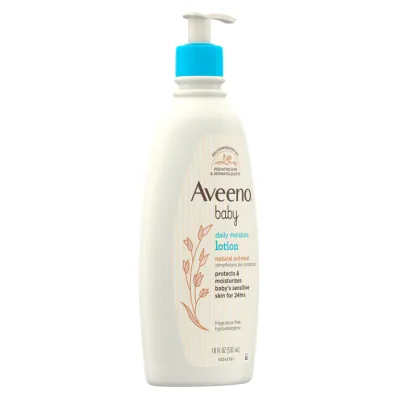
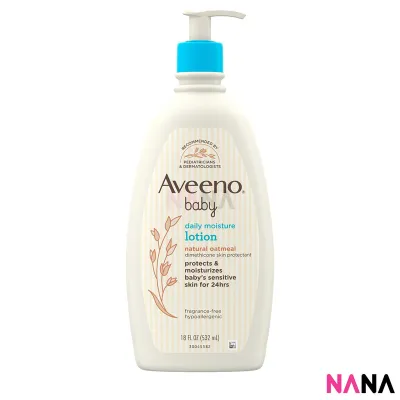
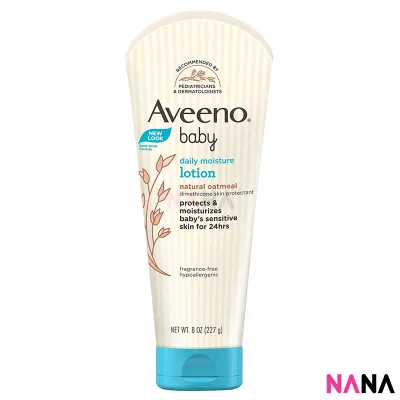
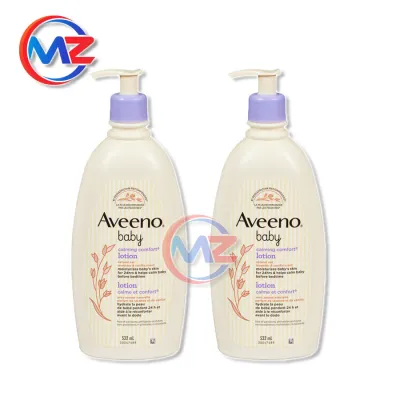
Prices are valid at publication and may change. Please refer to the product page for the latest price.
Additionally, consider any known allergies, family history of skin sensitivities, or previous reactions to skincare products. If parents or siblings have a history of eczema, asthma, or allergic rhinitis, the baby is statistically more likely to experience sensitive skin or atopic conditions. Keeping a close eye on how your baby’s skin reacts to new fabrics, soaps, and environmental triggers will help you determine whether you need an ultra-gentle, fragrance-free formula or a standard daily moisturizer.
Essential Features to Check on Baby Lotion Labels
Reading and comparing ingredient lists on baby lotion labels is the most reliable way to make a safe choice, allowing you to look past marketing claims and understand what you are actually applying to your baby’s skin. When examining the ingredients, prioritize known soothing agents such as glycerin, ceramides, shea butter, and colloidal oatmeal, which help reinforce the skin barrier. Conversely, actively look for and avoid potential irritants, including synthetic fragrances, essential oils like lavender or citrus, parabens, and drying alcohols, which can trigger allergic reactions or worsen existing dryness.

It is also important to understand the regulatory and testing terms commonly printed on these bottles. A label that reads “fragrance-free” means the product contains no added scents, which is highly recommended for sensitive or eczema-prone skin, whereas “unscented” products may still contain masking fragrances to hide the smell of raw ingredients. Terms like “hypoallergenic” and “pediatrician-tested” indicate that the manufacturer has formulated the product to minimize allergy risks and conducted professional evaluations, but these claims should always be verified by checking the full ingredient list for any personal triggers.
Finally, always verify the manufacturer’s stated age recommendations and specific usage instructions on the packaging. Some baby lotions are formulated specifically for newborns from day one, while others may be intended for infants aged three months and older. Checking these guidelines ensures that the product’s formulation matches your baby’s developmental stage and skin thickness, preventing unnecessary exposure to ingredients that are too heavy or active for newborn skin.
Evaluating Aveeno Baby Moisturizing Lotion
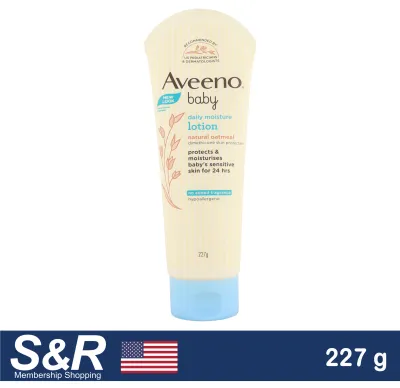
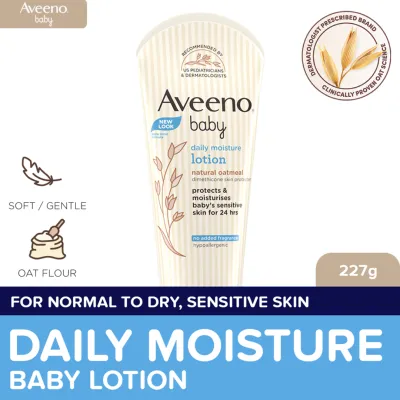
When evaluating Aveeno Baby Moisturizing Lotion, the first step is to review the primary ingredient profile directly on the product label. This specific formulation is centered around oat-based ingredients, such as colloidal oatmeal or oat kernel flour, which are widely recognized for their ability to soothe dry, itchy, and sensitive skin. Oats contain natural lipids and proteins that help bind moisture to the skin barrier, creating a protective layer that shields delicate skin from environmental irritants and dryness.
Before applying any new lotion to your baby’s entire body, it is highly recommended to assess its texture, absorption rate, and potential for irritation through a small patch test. Apply a pea-sized amount of the lotion to a clean, discreet area of your baby’s skin, such as the inner arm or the side of the jawline, and leave it on for 24 hours. Observe the area closely for any signs of redness, swelling, tiny bumps, or itching; if the skin remains clear and the lotion absorbs smoothly without leaving a sticky, uncomfortable residue, it is generally safe for broader use.
Additionally, check the bottle for the manufacturer’s stated age suitability and any specific skin condition claims. Aveeno offers different variations within its baby line, including daily moisture lotions and soothing relief creams, each tailored to different levels of dryness. Verifying these details on the packaging ensures you are selecting the specific bottle designed for your baby’s current skin needs, whether they require light daily hydration or intensive care for dry, sensitive patches.
Comparing Aveeno with Other Common Baby Lotions
To make an informed decision, it helps to compare Aveeno against other widely available baby lotions in local supermarkets, pharmacies, and online marketplaces. Using a structured comparison matrix based on verifiable label claims allows you to see how different product types stack up against each other in terms of active ingredients and formulation style.
| Lotion Category | Primary Moisturizing Agents | Fragrance Status | Texture and Feel | Best Suited For |
|---|---|---|---|---|
| Oat-Based (e.g., Aveeno) | Colloidal oatmeal, glycerin | Fragrance-free options available | Medium-weight, non-greasy absorption | Dry, sensitive, or eczema-prone skin |
| Mineral Oil-Based | Mineral oil, petrolatum | Often heavily fragranced | Light to medium, highly occlusive | Normal skin, budget-friendly daily use |
| Ceramide-Based | Ceramides, hyaluronic acid | Typically fragrance-free | Lightweight, fast-absorbing | Barrier repair, dry skin in humid weather |
| Plant-Oil-Based | Coconut oil, sunflower seed oil | May contain natural scents | Rich, slightly greasy or oily finish | Very dry skin, massage routines |
Beyond ingredients, evaluating the price per milliliter (₱/ml) is essential for determining the long-term value and budget fit of each option. To calculate this, divide the total retail price of the bottle by its volume in milliliters. While some premium or specialized lotions may have a higher upfront cost, they might offer a lower price per milliliter in larger pump bottles, making them more economical over several months of daily, full-body application compared to smaller squeeze tubes.
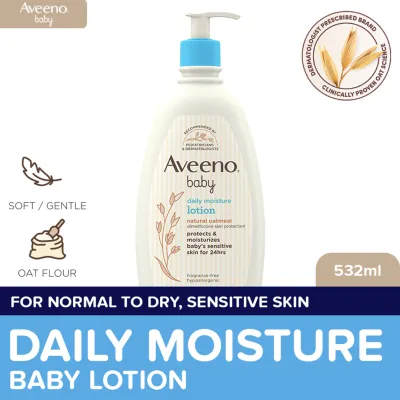
Packaging convenience and overall availability are also practical factors to consider for daily use. Squeeze bottles are highly portable and convenient for diaper bags, but they can be difficult to operate with one hand while holding a squirmy baby during a diaper change. Pump bottles are ideal for the changing table as they allow for easy, one-handed dispensing, though they can be difficult to pack for travel and often leave a small amount of unreachable product at the bottom of the container. Ensure your chosen brand is consistently stocked in your local stores or trusted online marketplaces so you do not face sudden gaps in your baby’s skincare routine.
Decision Framework: Which Lotion Should You Choose?
To finalize your purchase and usage plan, you can use a simple, condition-based decision framework that matches your baby’s skin needs with the right product characteristics. Choose Aveeno Baby Moisturizing Lotion if your baby has dry, sensitive, or eczema-prone skin that benefits from the protective qualities of colloidal oatmeal, and you prefer a fragrance-free, medium-weight formula that absorbs cleanly without leaving a heavy residue in warm tropical weather. This option is ideal for parents looking for a reliable, daily-use barrier protector that performs well in both air-conditioned rooms and humid outdoor environments.
On the other hand, you should choose an alternative baby lotion if your baby’s skin is sensitive to oat-based ingredients, if you require a highly specialized ceramide formula for severe barrier repair, or if you prefer an ultra-lightweight, water-based gel-lotion for extremely hot and humid days. Additionally, if you are on a strict budget, a standard mineral oil-based or locally produced plant-oil lotion may offer a more practical price per milliliter for daily, full-body moisturizing.
Regardless of the brand you choose, safety must always be your top priority. If your baby shows any signs of severe irritation, persistent rash, hives, swelling, or worsening dryness after applying any lotion, stop using the product immediately. Wash the affected area gently with clean, lukewarm water to remove any remaining residue, and consult a pediatrician or a pediatric dermatologist to obtain a professional diagnosis and a safe, tailored treatment plan.
Frequently Asked Questions (FAQ)
Can I use adult moisturizing lotions on my baby?
No, you should avoid using adult moisturizing lotions on your baby because infant skin is significantly thinner, more delicate, and more permeable than adult skin. This increased permeability means that baby skin absorbs topical substances much more rapidly, making them highly vulnerable to the active ingredients, strong chemical preservatives, and heavy synthetic fragrances commonly found in adult products. Adult lotions often contain anti-aging compounds, exfoliating acids, or intense perfumes that can easily disrupt a baby’s fragile skin barrier, leading to severe contact dermatitis, redness, and chemical irritation. Always choose products specifically formulated, tested, and labeled for infants, and consult a pediatrician before introducing any non-baby skincare products to your child’s routine.
How often should I apply lotion to my baby's skin?
As a general guideline, you should apply baby lotion at least once a day, ideally within three minutes after a bath while the skin is still slightly damp to help lock in moisture. However, you should adjust this frequency based on your baby’s observed skin dryness, the local climate, and their daily exposure to air conditioning. In highly humid tropical weather, a single light application after bath time may be sufficient to keep their skin hydrated without clogging pores. Conversely, if your baby spends significant time in air-conditioned rooms or shows signs of dry, rough patches, you may need to apply a gentle moisturizer two to three times a day, always following the manufacturer’s specific usage instructions and stopping immediately if any signs of irritation occur.

Community discussion
Share your experience or ask a question. Comments are reviewed before publication.