
Caring for your baby’s delicate skin requires a careful balance of hydration and protection, especially in hot and humid environments like the Philippines. Many parents turn to Aveeno baby lotion as a trusted solution for dryness, heat rash, and sensitive skin issues. But what exactly goes into this popular lotion, and is it truly safe for your infant’s developing skin barrier?
The short answer is that Aveeno baby lotion is widely considered safe and highly effective for most infants, including those with sensitive or eczema-prone skin. Its formulation relies heavily on colloidal oatmeal, a clinically recognized skin protectant that soothes irritation and locks in moisture. Combined with gentle emollients and humectants, and free from common harsh chemicals like parabens, phthalates, and synthetic dyes, it provides a gentle barrier of defense. However, because every baby’s skin is unique and regional formulations can vary, understanding the specific ingredients and how they interact with your baby’s skin is essential before making it a staple of your nursery.
What Is Actually in Aveeno Baby Lotion?
Colloidal Oatmeal: The Core Active Ingredient
At the heart of Aveeno’s baby skincare line is colloidal oatmeal. This is not simply the oatmeal you find in a breakfast bowl; it is oats that have been ground into an extremely fine powder and suspended in a liquid medium. This process allows the oats to be evenly dispersed in the lotion, ensuring they can be easily absorbed and distributed across your baby’s skin. Colloidal oatmeal acts as a natural skin protectant, forming a physical barrier over the epidermis. It contains complex proteins, lipids, and beta-glucans that help soothe itchiness, reduce redness, and calm irritation caused by dry skin, minor rashes, or environmental exposure.
Products mentioned in this guide
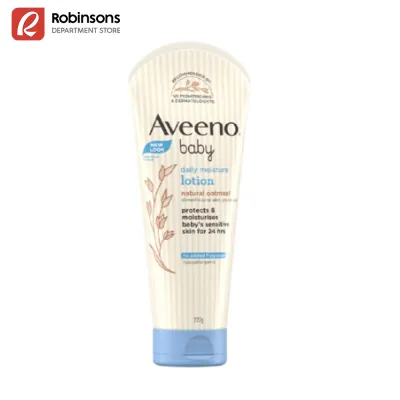
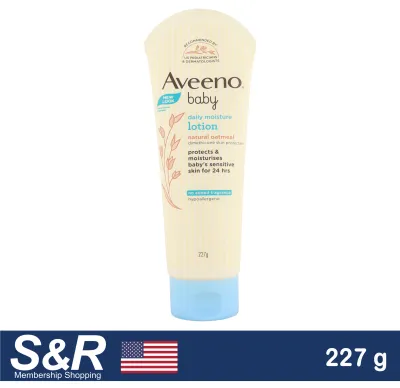
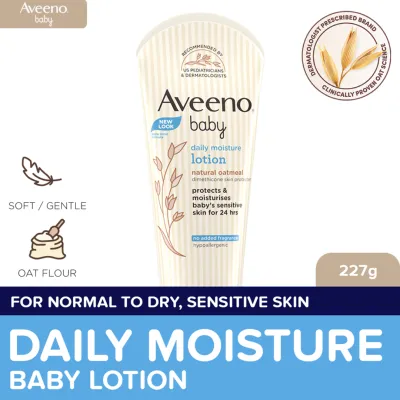
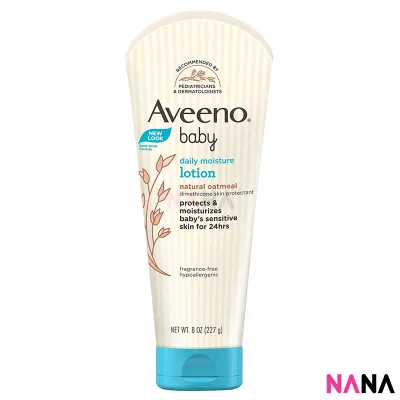
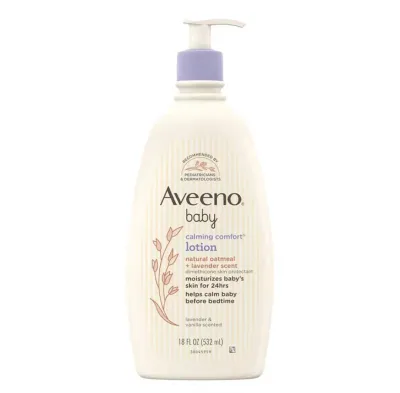
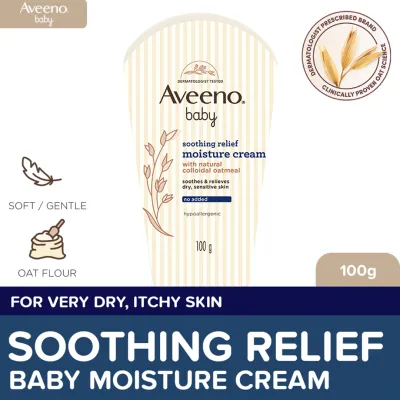
Prices are valid at publication and may change. Please refer to the product page for the latest price.
Supporting Emollients and Humectants
To complement the soothing properties of colloidal oatmeal, the lotion incorporates a blend of emollients and humectants. Humectants, such as glycerin, work like tiny sponges, drawing water from the air and from the deeper layers of the skin into the outer epidermis to keep it hydrated. Emollients, such as dimethicone or mineral oil (depending on the specific product variant), act as smoothing agents that fill in the micro-gaps between skin cells. Together, these ingredients create a robust seal that prevents transepidermal water loss. This dual action is particularly crucial for babies, whose skin is thinner and loses moisture much faster than adult skin.
What Is Left Out of the Formula
Equally important as what goes into the bottle is what the manufacturer leaves out. Aveeno baby lotions are generally formulated to be hypoallergenic, fragrance-free, and dye-free. Synthetic fragrances and artificial colorants are among the leading triggers for pediatric skin allergies and contact dermatitis. By eliminating these unnecessary additives, the formula minimizes the risk of triggering an adverse reaction on highly sensitive skin.
Verification: Read the Bottle Label
While the brand maintains high standards for its baby line, parents must remember that product formulations are not static. Manufacturers may update ingredients to comply with new research, improve stability, or meet regional regulatory standards. In the Philippines, imported bottles might originate from different regional manufacturing hubs, resulting in slight differences in inactive ingredients. To ensure absolute safety, always inspect the physical ingredient list printed on the back of the bottle you purchase before applying it to your child.
Is It Safe for Sensitive and Eczema-Prone Skin?
Why Pediatricians Advocate for Fragrance-Free Products
Pediatric dermatologists consistently recommend fragrance-free and dye-free skincare for infants. A baby’s outer skin layer, the stratum corneum, is significantly thinner and more permeable than that of an adult. This increased permeability means that topically applied substances are absorbed more deeply and quickly. Synthetic fragrances, which often contain complex mixtures of volatile organic compounds, can easily penetrate this weak barrier, leading to contact dermatitis, inflammation, or localized hives. By sticking to fragrance-free options like Aveeno’s core baby line, you significantly reduce the risk of sensitizing your baby’s skin.

The Role of Mild Preservatives
It is common for modern parents to feel anxious when reading chemical-sounding names on a lotion bottle, particularly when it comes to preservatives. However, because lotions are water-based formulas, they are highly susceptible to contamination by bacteria, mold, and yeast. Without effective preservation, a bottle of baby lotion stored in a warm, humid bathroom can quickly become a breeding ground for harmful pathogens, posing a severe infection risk to compromised skin. While harsh preservatives like parabens and formaldehyde-donors are widely avoided in baby care, mild and thoroughly tested preservatives are absolutely necessary to maintain product safety and shelf life.
Understanding Oat Allergies and Cross-Reactivity
Although colloidal oatmeal is celebrated for its soothing properties and is exceptionally well-tolerated by the vast majority of infants, it is not entirely risk-free for every single baby. A very small percentage of children may have an underlying sensitivity or allergy to oats. Additionally, because oats are sometimes processed in facilities that handle wheat, there is a minor risk of cross-reactivity for infants with severe gluten or wheat allergies. If your baby has a known family history of food allergies or severe eczema, it is wise to approach oat-based topical products with an extra layer of caution.
Managing Expectations: Skincare vs. Medical Treatment
It is vital to establish realistic expectations for what an over-the-counter baby lotion can achieve. Aveeno baby lotion is an excellent daily moisturizer and a highly effective skin protectant for mild dryness, minor chafing, and general maintenance. However, it is not a medical cure for moderate to severe pediatric eczema, atopic dermatitis, or active skin infections. Severe eczema often involves deep-seated immune system responses and compromised skin barriers that require prescription topical steroids, non-steroidal anti-inflammatory creams, or specialized medical therapies. If your baby’s skin remains raw, bleeding, cracked, or shows signs of infection, you must consult a qualified pediatrician or pediatric dermatologist rather than relying solely on cosmetic moisturizers.
Choosing the Right Aveeno Variant for Your Baby's Needs
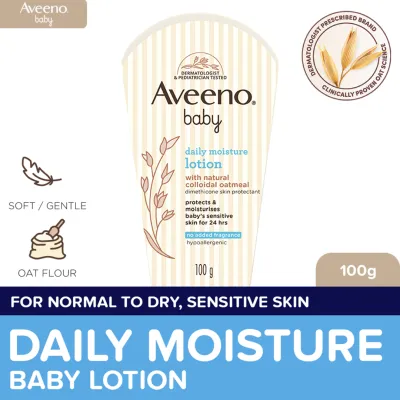
Aveeno Baby Daily Moisture Lotion: For Everyday Hydration
The Aveeno Baby Daily Moisture Lotion is the brand’s flagship product for routine, full-body hydration. It features a lightweight, non-greasy texture that spreads easily and absorbs rapidly into the skin. This formulation is designed primarily for normal to slightly dry skin, providing a steady release of moisture throughout the day without leaving a heavy residue. It is highly suitable for daily use after bath time, helping to maintain the natural softness and elasticity of your baby’s skin as they go about their day.
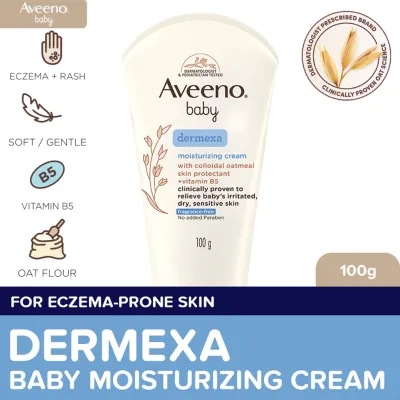
Aveeno Baby Eczema Therapy Moisturizing Cream: For Targeted Repair
In contrast, the Aveeno Baby Eczema Therapy Moisturizing Cream is a much richer, thicker formulation. It contains a higher concentration of colloidal oatmeal and is typically fortified with ceramides—essential lipids that naturally occur in the skin barrier. Ceramides are critical for binding skin cells together, preventing moisture from escaping and blocking external irritants from entering. This heavy-duty cream is specifically formulated for babies experiencing active eczema flare-ups, localized dry patches, or chronic, severe dryness. Because of its thick consistency, it provides long-lasting relief and intensive barrier repair where the skin needs it most.
Adapting Skincare to the Philippine Climate
Living in a tropical climate like the Philippines requires a strategic approach to baby skincare. The high heat and intense humidity can cause babies to sweat profusely, making them prone to prickly heat and clogged pores. Applying a thick, heavy cream over their entire body during a hot afternoon can trap sweat and worsen heat rashes. For daily, full-body application in tropical weather, a lighter lotion like the Daily Moisture variant is generally preferred because it allows the skin to breathe. Thicker creams or ointments are best reserved for targeted application on dry patches (such as elbows and knees), for use during the cooler nighttime hours, or when your baby spends significant time in air-conditioned rooms where the air is dry and dehydrating.
How to Patch Test and Use Baby Lotion Safely
The Step-by-Step Patch Test Protocol
Before incorporating any new skincare product into your baby’s daily routine, performing a patch test is a vital safety measure. This simple precaution helps you identify potential allergic reactions or localized sensitivities before applying the lotion to larger areas of their body.
- Select a discreet area: Choose a small, clean patch of skin where your baby cannot easily rub or lick the lotion off, such as the inner forearm or the skin just behind the ear.
- Apply a small amount: Dab a pea-sized amount of the Aveeno baby lotion onto the selected spot and gently smooth it in.
- Monitor for 24 hours: Leave the area alone and observe it closely over the next 24 hours. Keep the spot dry and free from other products.
- Check for reactions: Inspect the site for any signs of redness, swelling, tiny bumps, hives, or itching. If any of these symptoms occur, wash the area immediately with cool water and do not use the product again. If the skin remains clear, it is generally safe to proceed with normal application.
Best Application Practices for Maximum Absorption
To maximize the benefits of your baby’s lotion, timing and application technique are key. The absolute best time to apply moisturizer is within three minutes of taking a lukewarm bath. While the skin is still slightly damp, it acts like a sponge, ready to absorb hydration. Pat your baby’s skin gently with a soft towel, leaving it slightly moist rather than bone-dry. Immediately apply the lotion using smooth, downward strokes. Avoid vigorous rubbing or massaging, as friction can irritate sensitive skin and trigger histamine release, causing itchiness.
Recognizing Red Flags: When to Consult a Professional
While Aveeno baby lotion is formulated to be gentle, you must always prioritize your baby’s safety and know when to seek medical advice. Discontinue use immediately and consult a pediatrician or a pediatric dermatologist if you observe any of the following red flags:
- A sudden, widespread rash or hives appearing after application.
- Worsening of existing eczema, characterized by intense redness, swelling, or extreme discomfort.
- Signs of a secondary skin infection, such as yellow crusting, weeping fluid, pus-filled bumps, or skin that feels unusually warm to the touch.
- Any systemic allergic reactions, such as difficulty breathing, swelling of the lips or face, or extreme lethargy (which require emergency medical attention).
Storage, Hygiene, and Product Integrity
To maintain the safety and efficacy of the lotion, proper storage and hygiene are essential. Store the bottle in a cool, dry place away from direct sunlight, which can break down active ingredients and compromise the preservative system. Avoid leaving the bottle in hot, humid areas like unventilated bathrooms or inside a hot car. Additionally, always wash your hands thoroughly with soap and water before pumping or scooping out the product. This simple habit prevents you from introducing external bacteria into the container, ensuring the lotion remains sterile and safe for your baby’s delicate skin.
Frequently Asked Questions (FAQ)
Can I use Aveeno baby lotion on a newborn?
While Aveeno baby lotion is formulated with gentle, hypoallergenic ingredients, a newborn’s skin (especially under two months of age) is incredibly delicate, highly permeable, and still developing its natural protective barrier. Pediatricians generally recommend keeping skincare routines extremely minimal during the first few weeks of life, often using only plain water for baths. Before introducing any commercial moisturizers or lotions to a newborn, it is highly recommended to consult your pediatrician to ensure their skin is ready for topical products.
Does Aveeno baby lotion contain parabens or phthalates?
Aveeno generally formulates its baby product lines without parabens, phthalates, or sulfates to align with modern pediatric safety standards. These chemicals, often used as preservatives or plasticizers in older cosmetic formulations, are widely avoided in infant care due to concerns regarding skin sensitivity and potential endocrine disruption. However, because manufacturing processes, regional regulations, and product lines can vary globally, you should always verify the ingredient list on the specific bottle you purchase in the Philippines to confirm it is free from these substances.
Is it safe to use baby lotion every day?
Yes, using a gentle baby lotion daily is generally safe and highly recommended by pediatricians to help maintain and reinforce your baby’s skin barrier, particularly after bathing. However, you should always adjust the frequency and amount of lotion based on your baby’s current skin condition, the local weather, and the ambient humidity. In the highly humid climate of the Philippines, a light, daily application after an evening bath is often sufficient, whereas drier environments or air-conditioned rooms may require more frequent application to prevent dryness.

Community discussion
Share your experience or ask a question. Comments are reviewed before publication.