
Managing baby eczema can be a challenging journey for parents, especially when trying to find a skincare product that provides genuine relief without causing further irritation. Aveeno baby lotion is a highly popular option often recommended in parenting circles, but determining its effectiveness requires looking closely at its specific formulations. While some Aveeno products are excellent for daily maintenance, others are specifically designed to address the compromised skin barrier associated with eczema. Understanding how these products work, how to read their ingredient labels, and how to apply them correctly is essential for keeping your baby’s skin calm, hydrated, and comfortable.
In tropical climates like the Philippines, managing baby eczema comes with unique environmental factors. The combination of high heat, intense humidity, and sweat can easily trigger flare-ups, while air-conditioned rooms can rapidly dry out delicate skin. Consequently, a one-size-fits-all approach to moisturizing rarely works. To determine if Aveeno baby lotion is the right choice for your little one, you must evaluate the severity of their eczema, understand the difference between standard lotions and targeted therapy creams, and establish a safe, consistent application routine.
Understanding Baby Eczema and the Role of Moisturizers
Baby eczema, or atopic dermatitis, is a chronic inflammatory skin condition characterized by dry, red, and intensely itchy patches. Unlike standard dry skin, which typically resolves with basic hydration, or temporary rashes like heat rash (miliaria) that present as tiny bumps in sweat-prone areas, eczema involves a fundamentally compromised skin barrier. In healthy skin, the outer layer acts like a secure brick wall, where skin cells are the bricks and natural lipids function as the mortar, keeping moisture in and environmental irritants out. In babies with eczema, this lipid “mortar” is deficient, leading to rapid moisture loss and allowing allergens, bacteria, and irritants to penetrate easily.
Products mentioned in this guide
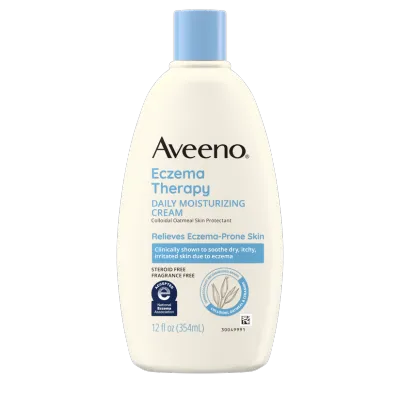
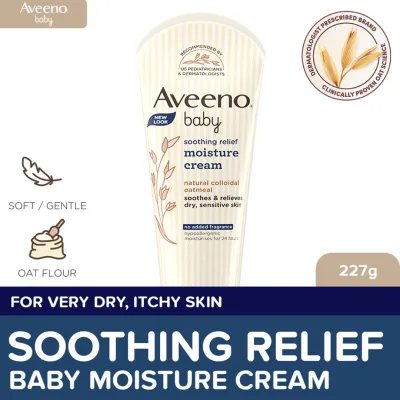
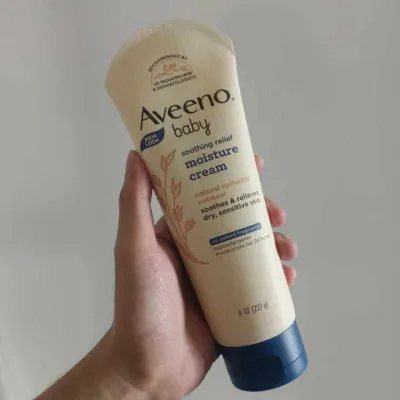
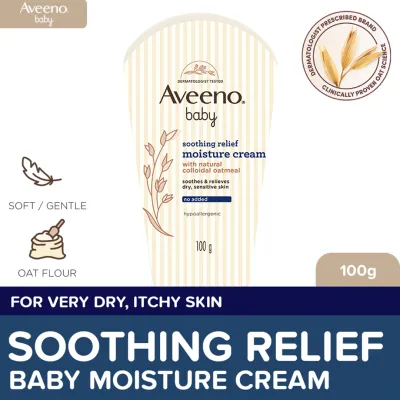
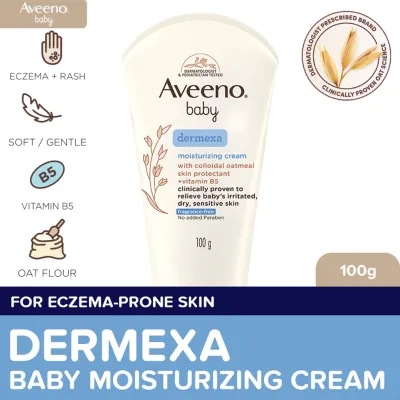
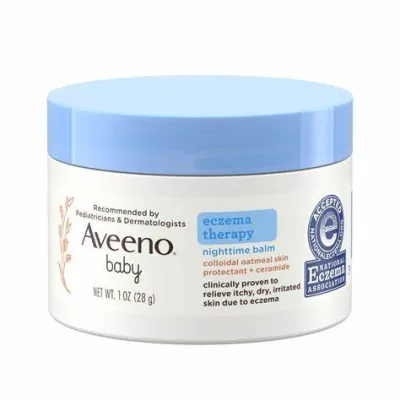
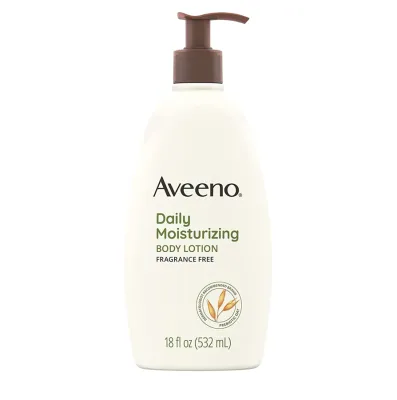
Prices are valid at publication and may change. Please refer to the product page for the latest price.
To repair and maintain this compromised barrier, pediatric dermatologists emphasize the use of specialized moisturizers containing emollients and humectants. Emollients, such as plant oils and lipids, fill the microscopic cracks between skin cells, smoothing out rough patches and restoring flexibility to the skin. Humectants, such as glycerin, actively draw water from the deeper layers of the skin and the surrounding air into the outer layer, boosting overall hydration. Together, these ingredients work to rebuild the skin’s natural defense system, reducing the frequency and severity of painful flare-ups.
When selecting a moisturizer for eczema-prone baby skin, the formulation’s purity is just as important as its active ingredients. Sensitive skin is highly susceptible to contact dermatitis, meaning that added fragrances, synthetic dyes, and harsh preservatives can easily trigger an allergic reaction or worsen an existing flare-up. Even products marketed as “natural” may contain essential oils like lavender or tea tree, which can be highly irritating to a broken skin barrier. Universally recommended eczema skincare must be strictly fragrance-free, dye-free, and clinically tested as hypoallergenic to minimize the risk of adverse reactions.
Evaluating Aveeno Baby Lotion Formulations for Eczema
When browsing the baby care aisle, parents will find several Aveeno products, making it crucial to read labels carefully to select the appropriate formula. The brand’s signature ingredient is colloidal oatmeal, which is finely ground oat kernels suspended in a liquid or gel. Colloidal oatmeal contains natural compounds called avenanthramides, which possess antioxidant and anti-inflammatory properties that help soothe itching and reduce redness. When applied to the skin, it forms a protective, breathable barrier that locks in moisture and helps restore the skin’s normal pH balance.

In addition to colloidal oatmeal, parents should look for formulations enriched with ceramides. Ceramides are essential lipids naturally present in the skin barrier that help hold skin cells together. Skincare products designed specifically for eczema often include added ceramides to directly replenish the skin’s depleted lipid levels, helping to repair the barrier function more rapidly. Conversely, parents must carefully inspect the ingredient list to verify the absence of drying alcohols, parabens, and synthetic fragrances. Even a mild scent in a daily lotion can cause a stinging sensation when applied to active, raw eczema patches.
It is vital to clarify the distinction between Aveeno’s standard daily maintenance lotions and their targeted eczema therapy creams. The standard daily moisture lotion is a lighter, water-based formula designed to keep healthy skin hydrated. Because of its high water content, it spreads easily and absorbs quickly, which is convenient for general use but often insufficient for treating active eczema. For eczema management, the brand’s specialized eczema therapy creams or balms are far more suitable. These formulations are much thicker, contain a higher concentration of colloidal oatmeal, and are enriched with ceramides to provide a heavy, occlusive barrier that prevents moisture loss over extended periods.
Best Practices for Applying Lotion on Eczema-Prone Skin
The effectiveness of any eczema moisturizer depends heavily on how and when it is applied. Pediatricians widely recommend the “soak and seal” method to maximize skin hydration. This routine begins with a short, lukewarm bath lasting no more than 5 to 10 minutes. Hot water should be strictly avoided, as it strips the skin of its natural oils and can exacerbate itching. Use a very gentle, soap-free cleanser only on areas that are visibly dirty, such as the diaper area and hands, leaving the rest of the body to be cleansed by the warm water alone.
Immediately after the bath, gently pat the baby’s skin with a soft, clean cotton towel. Do not rub or scrub the skin, as friction can trigger intense itching and damage the fragile skin barrier. Leave the skin slightly damp. Within three minutes of exiting the water, apply a generous layer of the eczema lotion or cream over the baby’s entire body. This quick application is crucial because it seals the residual bath moisture into the skin before it has a chance to evaporate into the air, which would otherwise leave the skin drier than before.
Before introducing any new skincare product to your baby’s routine, performing a proper patch test is an essential safety step. Apply a small, pea-sized amount of the lotion to a clean, unaffected area of your baby’s skin, such as the inner forearm or behind the knee. Leave the product on for 24 to 48 hours, monitoring the spot closely for any signs of redness, swelling, tiny bumps, or itching. If any reaction occurs, wash the area immediately with lukewarm water, discontinue use of the product, and consult your pediatrician. If no reaction is observed, the product is generally safe for full-body application.
In the tropical climate of the Philippines, parents must also learn to adjust their application frequency and product thickness based on weather conditions and indoor environments. During hot, humid days, heavy, greasy creams can trap sweat against the skin, potentially leading to heat rash or clogged pores. In these conditions, a lighter, fragrance-free lotion may be preferred during the day, especially if the baby is active and sweating. However, if your baby sleeps in an air-conditioned room, the dry air can rapidly deplete skin moisture overnight. In this scenario, applying a thicker eczema therapy cream right before bedtime is highly beneficial to protect the skin barrier throughout the night.
Recognizing When a Product Isn't Working and Seeking Help
While high-quality over-the-counter moisturizers are invaluable for daily skin maintenance, they are not a cure for moderate to severe eczema. Parents must remain vigilant and recognize when a product is failing to manage the condition or is actively causing irritation. If you notice increased redness, swelling, or if your baby begins scratching intensely immediately after application, the product may contain an ingredient that does not agree with their skin. Furthermore, if the eczema patches continue to spread, thicken, or become increasingly rough despite consistent moisturizing, it is a clear sign that the current skincare routine is insufficient.
There are specific warning signs that require immediate evaluation by a pediatrician or a pediatric dermatologist. If the eczema patches begin to ooze a clear or yellowish fluid, develop yellow crusts, swell, feel warm to the touch, or show red streaks, these are classic indicators of a secondary bacterial infection, such as a staph infection. Because eczema compromises the skin barrier, bacteria can easily enter and multiply, requiring prompt medical treatment with topical or oral antibiotics. Additionally, if your baby is experiencing severe sleep disruption, constant irritability, or bleeding from deep scratches, professional medical intervention is necessary.
It is important to understand that moderate to severe eczema is an immunological condition that often requires prescription-strength medical treatments. Over-the-counter lotions are designed to support the skin barrier, but they cannot suppress the underlying inflammation during a severe flare-up. A healthcare professional can provide an accurate diagnosis and prescribe targeted treatments, such as low-potency topical corticosteroids or topical calcineurin inhibitors, to quickly calm inflammation. Once the active flare-up is under control, you can safely return to using daily moisturizers to maintain the skin’s health and prevent future episodes.
Building a Complete Eczema Management Routine
Successfully managing baby eczema requires a holistic approach that goes beyond simply applying lotion. The first step in building a supportive routine is selecting a compatible, ultra-gentle baby wash. Traditional soaps and bubble baths contain harsh surfactants like sodium lauryl sulfate (SLS) that strip away the skin’s natural lipids, leaving it dry and vulnerable. Opt instead for soap-free, fragrance-free liquid cleansers specifically formulated for sensitive or eczema-prone baby skin. Keep bath times brief and ensure the water is lukewarm to prevent drying out the skin.
Environmental and lifestyle adjustments play an equally critical role in minimizing eczema triggers. Dress your baby in loose-fitting, breathable clothing made from 100% natural cotton. Synthetic fabrics like polyester, nylon, or acrylic can trap heat and sweat, which are major triggers for itching and flare-ups in tropical climates. Similarly, ensure that all bedding, towels, and clothing are washed using hypoallergenic, fragrance-free laundry detergents. Avoid fabric softeners and dryer sheets, as they leave behind chemical residues that can easily irritate sensitive skin.
Finally, keeping a simple symptom and trigger diary can be incredibly helpful for long-term management. Note down daily observations of your baby’s skin condition, along with potential environmental factors such as outdoor play, exposure to pets, changes in weather, new foods, or different clothing materials. Over time, this diary can help you identify specific triggers that cause your baby’s eczema to flare up, allowing you to make proactive adjustments to their environment. When budgeting for these specialized baby skincare products in local pharmacies or online stores, prices can range from under ₱300 for basic daily lotions to over ₱800 for specialized eczema therapy creams, making a targeted, diary-tracked approach both skin-safe and cost-effective.
Frequently Asked Questions (FAQ)
Can I use Aveeno baby lotion on my newborn?
Newborn skin is exceptionally thin, delicate, and still developing its natural protective barrier, making it highly sensitive to external products. While many Aveeno baby products are formulated to be gentle and hypoallergenic, it is always best to consult your pediatrician before applying any over-the-counter lotions to a newborn under one month old. If your pediatrician approves, ensure you choose a completely fragrance-free formula specifically designed for sensitive skin, and always perform a patch test on a small area of skin before applying it to their entire body.
What is the difference between Aveeno baby lotion and Aveeno eczema therapy cream?
The main differences lie in their texture, ingredient concentration, and intended purpose. Standard Aveeno baby daily moisture lotion is a lighter, water-based formula designed for daily hydration of normal, healthy skin. It absorbs quickly and is ideal for general use in warm weather. On the other hand, Aveeno baby eczema therapy cream is a much thicker, lipid-rich formulation. It contains a higher concentration of colloidal oatmeal and is enriched with ceramides to actively repair a compromised skin barrier, making it far more effective for treating dry, itchy, and active eczema patches.
How often should I apply moisturizer to my baby's eczema?
Consistency is vital for repairing and maintaining a compromised skin barrier. You should apply moisturizer to your baby’s skin at least twice a day, and more frequently during active flare-ups or when the skin feels dry to the touch. Always apply the lotion or cream immediately after bathing to lock in moisture. In dry, air-conditioned environments or during seasonal weather changes, you may need to reapply the product three to four times a day to ensure continuous protection and hydration.

Community discussion
Share your experience or ask a question. Comments are reviewed before publication.