
When caring for a newborn, every skincare choice feels monumental. Parents considering a new moisturizer often wonder if the popular options on store shelves are truly gentle enough for an infant’s highly sensitive skin. As you evaluate the suitability of aveeno baby face cream, understanding how its specific formulation interacts with a newborn’s developing skin barrier is the key to making an informed decision.
Quick Answer: Is Aveeno Baby Face Cream Safe for Newborns?
Aveeno Baby Face Cream is generally formulated to be exceptionally gentle and is widely used by parents for daily infant skincare. However, whether any product is completely “safe” depends entirely on your individual baby’s unique skin profile. Newborn skin is highly permeable, thin, and still developing its natural defense systems, which makes it more susceptible to localized irritation and chemical absorption than older infant skin.
Because of this delicate physiological state, ingredient verification and a careful patch test are essential steps before applying any cream to your baby’s face. Additionally, skincare formulations can vary significantly by region or be updated by the manufacturer over time. You should always inspect the physical label of the specific bottle you purchase in your local pharmacy or trusted online marketplace to verify the exact ingredients before use.
Products mentioned in this guide
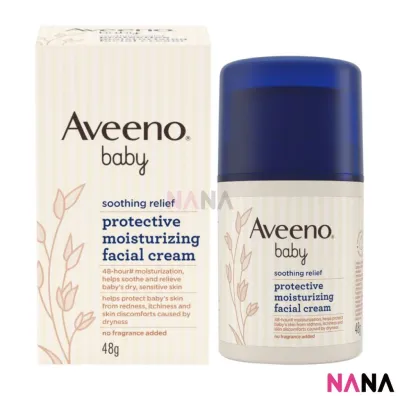
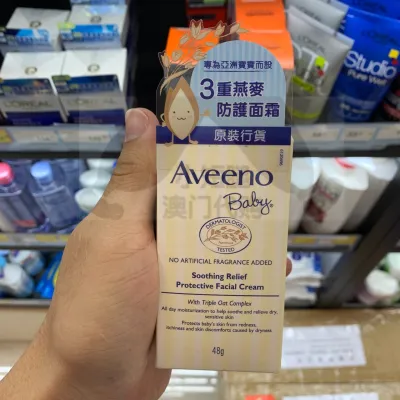
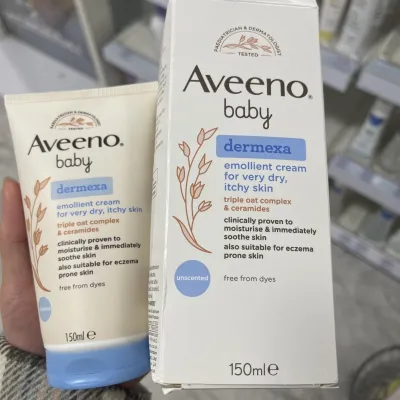
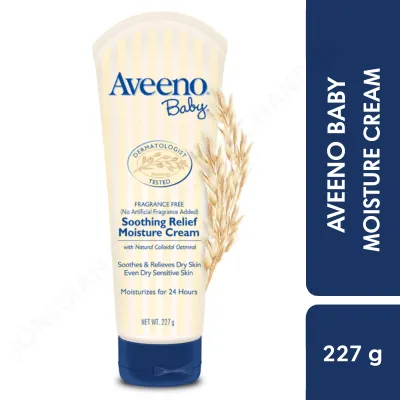
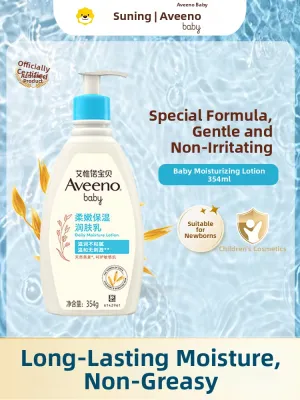
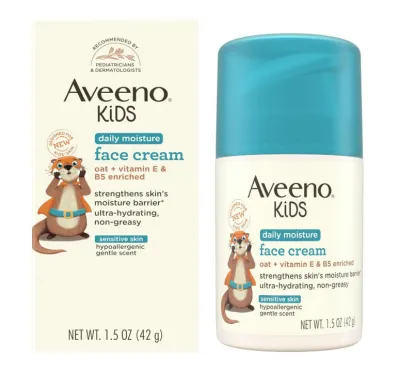
Prices are valid at publication and may change. Please refer to the product page for the latest price.
Understanding the Key Ingredients and Their Roles
To determine if a facial cream is appropriate for your newborn, it helps to look closely at the science behind its primary components. Baby moisturizers are designed to mimic or support the skin’s natural lipid barrier, using a combination of plant-derived extracts, humectants, and protective sealants.

Colloidal Oatmeal and Oat Extracts
Colloidal oatmeal is the signature ingredient in many pediatric skincare lines, recognized widely in dermatology for its soothing properties. It consists of whole oat kernels that have been finely ground and suspended in a liquid or cream base. This preparation allows the oats to disperse evenly, creating a protective, breathable barrier on the surface of your newborn’s skin.
On a microscopic level, colloidal oatmeal contains a complex mix of proteins, lipids, and beta-glucans that help the skin retain moisture. It also contains natural antioxidants called avenanthramides, which help soothe temporary redness and minor irritation. While oat-based ingredients are highly tolerated by most infants, grain allergies can occasionally occur. Observing your baby’s skin during initial use is a simple but important safeguard.
Moisturizers, Emollients, and Protectants
Beyond oats, a functional baby cream relies on supporting ingredients to hydrate and seal the skin. Glycerin is a common humectant used in these formulations. It acts like a molecular sponge, drawing water from the surrounding air or the deeper layers of the skin into the outer stratum corneum to keep the face plump and hydrated.
To prevent this moisture from evaporating, the cream incorporates dimethicone, a silicone-based skin protectant. Dimethicone forms a lightweight, non-greasy seal over the skin, dramatically reducing transepidermal water loss. In tropical climates like the Philippines, where infants frequently transition from warm, humid outdoor air to dry, air-conditioned nurseries, this dual-action hydration is particularly helpful in preventing sudden dryness.
When reading the ingredient list, you may also notice ingredients like cetyl alcohol or stearyl alcohol. Parents sometimes worry when they see the word “alcohol,” fearing it will dry out their baby’s face. However, these are fatty alcohols, which function as emollients to soften the skin and stabilize the cream, unlike drying alcohols such as isopropyl or denatured alcohol. Always check your specific bottle’s label to confirm the exact emollients used in your local purchase.
Safety Considerations for Newborns and Eczema-Prone Skin
Newborn skin requires a minimalist approach to ingredients. The fewer components in a cream, the lower the likelihood of an adverse reaction. When selecting a facial product, verifying that the packaging explicitly states it is fragrance-free, paraben-free, and dye-free is a critical first step.
Many standard “baby” products on the market contain masking fragrances or botanical perfumes to give them a pleasant scent. While appealing to adults, these added fragrances are among the most common triggers for contact dermatitis in infants. Similarly, chemical dyes serve no functional purpose for the skin and only introduce unnecessary risks. Always scan the ingredient list for hidden perfumes or essential oils, which should ideally be entirely absent in a cream meant for newborn facial application.
For babies showing signs of eczema-prone skin, barrier-repairing creams can provide immense comfort. Eczema disrupts the outer layer of the skin, leading to dry, itchy patches that can cause significant distress. Daily application of a gentle, oat-based emollient helps soothe this dryness and reduces the urge to scratch. However, it is vital to remember that over-the-counter moisturizers are intended for daily management and comfort; they are cosmetic barrier supports, not medical cures for eczema.
Parents should also be vigilant about avoiding harsh preservatives or drying agents. Ingredients like parabens, formaldehyde releasers, or high concentrations of essential oils (such as lavender or tea tree oil) can easily sensitize a newborn’s facial skin. If you suspect your baby has highly sensitive skin, choosing a formula that prioritizes simple, recognizable barrier-supporting agents is the safest path forward.
How to Safely Test and Apply the Cream
Before introducing any new product to your baby’s facial skincare routine, practicing a cautious application protocol will help you identify potential sensitivities before they cover a wide area. Always read the manufacturer’s instructions on the packaging before your first application.
The Patch Test Protocol
- Step 1: Cleanse a small, discreet area of your baby's skin, such as the inner forearm or the space just behind the ear, using lukewarm water, and pat it dry.
- Step 2: Apply a tiny, pea-sized amount of the cream to this designated spot and rub it in gently.
- Step 3: Leave the area undisturbed and monitor it closely over the next 24 to 48 hours.
- Step 4: Watch for any localized signs of a reaction, including redness, small raised bumps, swelling, hives, or signs of physical discomfort, such as the baby repeatedly rubbing the test area.
Facial Application Tips
If the patch test yields no negative reactions after 48 hours, you can proceed to facial application. Start by washing your own hands thoroughly with soap and water to avoid transferring bacteria to your baby’s face. Apply a very thin, even layer of the cream to the dry areas of the baby’s cheeks and forehead. Be exceptionally careful to avoid the immediate eye area, the eyelids, and the mouth to prevent accidental ingestion or painful eye irritation.
When to Stop
If you notice any warmth, sudden redness, or swelling during or after application, discontinue use immediately. Gently wash the cream off your baby’s face using lukewarm water and a soft, clean cloth. If the packaging instructions conflict with your pediatrician’s advice, or if you are unsure how to manage a mild skin reaction, stop using the product and consult a healthcare professional.
When to Stop Use and Consult a Pediatrician
While daily moisturizers are excellent for maintaining soft, hydrated skin, they have clear therapeutic limits. Knowing when to transition from home care to professional medical advice is essential for your newborn’s health.
Over-the-counter creams are not suitable for treating active, severe skin conditions. If your baby’s skin exhibits severe eczema flare-ups, raw patches, weeping fluid, crusting, or bleeding, you must stop applying cosmetic creams immediately. Applying standard moisturizers to broken skin can trap bacteria or cause intense stinging and discomfort.
Furthermore, you should monitor your baby’s skin for any signs of secondary bacterial or fungal infections. Symptoms such as localized warmth, pus-filled blisters, spreading redness, or swelling require prompt medical evaluation. If your infant is under two months of age and develops an unexplained facial rash, or if any skin irritation is accompanied by a fever or lethargy, seek immediate advice from a pediatrician or pediatric dermatologist. Only a qualified medical professional can safely diagnose infant skin conditions and prescribe targeted, medicated treatments.
Frequently Asked Questions (FAQ)
Can I use Aveeno Baby Face Cream on my newborn's body?
Yes, you can generally use a baby face cream on your newborn’s body, as the ingredients are formulated to be highly gentle. However, because facial creams are typically sold in smaller, more expensive tubes, using them over large body areas may not be very cost-effective. For full-body application, a body-specific lotion from the same product line is usually more practical. Always review the specific product label to ensure the formulation is intended for body use.
Does this cream contain steroids or medicinal ingredients?
Standard daily baby moisturizers are cosmetic barrier products and do not contain topical steroids, hydrocortisone, or prescription active pharmaceutical ingredients. They are designed solely to hydrate and protect the outer skin layer. However, because brands often manufacture multiple specialized formulas—some of which may contain active medicated ingredients for severe eczema—you must carefully read the front and back of the packaging to confirm you are purchasing the daily cosmetic moisturizer rather than a medicated treatment.

Community discussion
Share your experience or ask a question. Comments are reviewed before publication.