
Quick Answer: Which Aveat Bottle Material Should You Choose?
When selecting Aveat feeding bottles, your choice primarily comes down to three materials: PPSU (polyphenylsulfone), borosilicate glass, and standard plastics like PP (polypropylene). Each material serves a distinct lifestyle need and developmental stage, making it essential to match the bottle to your daily routine.
PPSU is a highly durable, heat-resistant, and lightweight option, making it ideal for active families who travel frequently and sterilize bottles often. Glass offers a scratch-resistant, chemically inert alternative that is easy to clean but requires careful handling due to its weight and breakage risk. Standard PP plastic serves as a lightweight, budget-friendly backup, though it requires more frequent replacement.
Before making a final purchase on any online marketplace, always verify the specific product labels, age-appropriate nipple flow rates, and manufacturer warnings on the packaging to ensure the bottle matches your baby’s current developmental stage.
Products mentioned in this guide
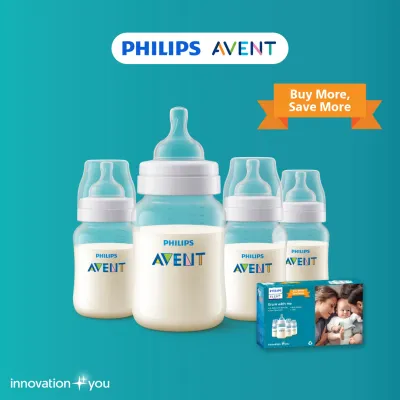
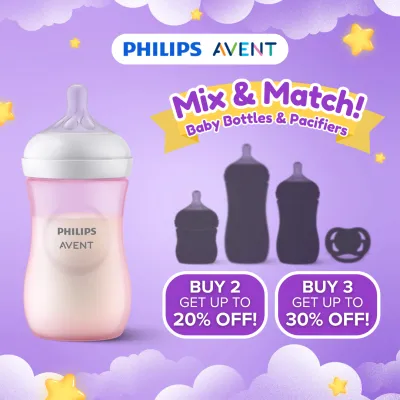
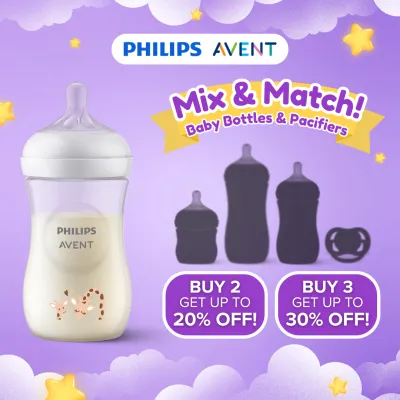
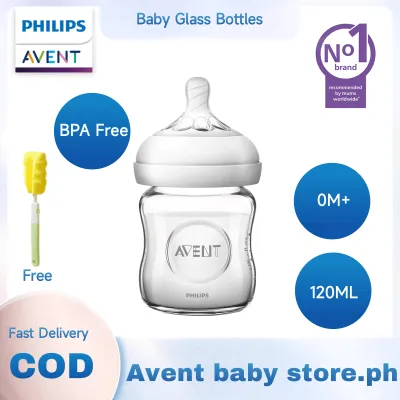
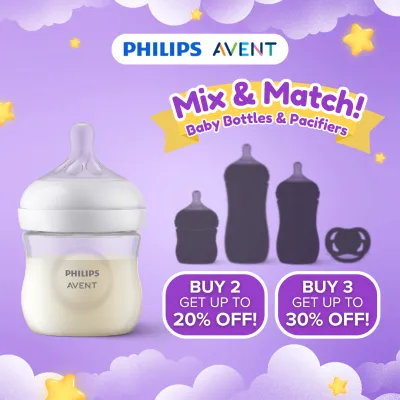
![Philips AVENT [Online Exclusive] 3m+ Anti-colic Medium Flow Nipple](https://img.lazcdn.com/g/p/5bfcb88eb374fa189c226eb8d2de7c51.jpg_400x400q80.jpg_.webp)
![Philips AVENT [Online Exclusive] 6m+ Anti-colic Thick Feed Flow Nipple](https://img.lazcdn.com/g/p/8cedbb14f5c7082834f6c6be39aa9f61.jpg_400x400q80.jpg_.webp)
Prices are valid at publication and may change. Please refer to the product page for the latest price.
Breaking Down Aveat Feeding Bottle Materials
Understanding the physical properties of different bottle materials helps you interpret product listings accurately and choose a safe option for your baby. Manufacturers utilize different polymers and glass types, each behaving differently under heat, impact, and daily wear.

PPSU, or polyphenylsulfone, is a medical-grade thermoplastic known for its distinct honey-colored or amber tint. This material is highly durable and can withstand repeated sterilization cycles without losing its structural integrity. It does not easily absorb odors or stains from milk fat, making it a popular premium choice for long-term use.
Glass bottles are typically manufactured from borosilicate glass, which resists thermal shock better than regular window glass. Glass is completely scratch-resistant, meaning bacteria have fewer places to hide, and it does not discolor over time. However, glass is heavy, making it difficult for older babies to hold independently, and it presents a clear breakage risk if dropped on hard tile floors.
Standard plastics, primarily polypropylene (PP), are lightweight and have a slightly cloudy or milky appearance. While PP is highly affordable and flexible, it has a lower heat tolerance compared to PPSU. Over time, repeated exposure to high temperatures during sterilization causes PP to develop micro-scratches, cloudiness, and a slightly sticky texture, indicating that the polymer is beginning to degrade.
When browsing online listings, look closely at the product specifications. Verify the exact material type listed by the manufacturer, the maximum temperature limit, and whether the bottle includes clear volume markings that will not fade after multiple washes.
Evaluating Aveat Against Other Bottle Brands on the Market
To determine if Aveat bottles offer the right value for your family, you must compare their material specifications against other brands using objective criteria. Upfront cost is only one part of the decision; durability and replacement frequency dictate the actual long-term expense.
When comparing PPSU bottles across different brands, examine the clarity and uniformity of the amber tint. High-grade PPSU should be free of air bubbles, cloudy patches, or uneven coloring. Some premium brands source their raw PPSU from specific certified chemical manufacturers, a detail you can often verify on the packaging or official brand website.
For glass bottles, compare the thickness of the glass walls and the overall shape. Ergonomic curves make the bottle easier for parents to hold during late-night feedings. Additionally, check if the brand offers compatible silicone sleeves, which provide a non-slip grip and add a layer of impact protection against accidental drops.
Standard plastic bottles (PP) generally perform similarly across most brands, but their replacement cycles differ based on how well they tolerate daily cleaning. While a PP bottle is inexpensive, it typically needs to be replaced every few months due to wear.
To calculate the long-term value of your purchase in ₱, use this simple decision formula:
- Total Cost = (Initial Bottle Price in ₱) + (Number of Replacements needed over 6 months × Cost of Replacement Bottle in ₱)
A single PPSU bottle might carry a higher initial price in ₱, but because it resists degradation, it can last through your baby’s entire bottle-feeding stage. Conversely, buying multiple cheaper PP bottles over the same period may result in a higher cumulative cost, making PPSU or glass a more economical choice in the long run.
Safety, Sterilization, and Daily Care Requirements
Proper maintenance is crucial to keep feeding bottles hygienic, especially in warm, humid tropical climates where mold and bacteria can multiply rapidly on damp surfaces. Each material requires specific care to prevent premature degradation.
Sterilization compatibility varies significantly by material. Glass and PPSU can easily withstand high-temperature methods, including boiling water and steam sterilizers. PP plastics have lower temperature thresholds, so you must check the specific product manual to avoid warping the bottle collar or body during heat exposure.
UV sterilization is highly convenient, but it affects materials differently. While glass is unaffected by UV rays, prolonged exposure to UV light can accelerate the degradation of certain plastics, causing them to discolor or become brittle. Always consult the manufacturer’s manual to confirm if your specific bottle material is rated for UV sterilizer use.
When cleaning your baby’s bottles, avoid using abrasive metal scrubbers or stiff plastic bristle brushes. These tools create micro-scratches on plastic surfaces, creating microscopic pockets where milk residue and bacteria can accumulate. Instead, use soft silicone brushes or sponge cleaners designed specifically for baby bottles.
Establish a routine to inspect your feeding equipment daily. Look for visual and tactile signs of wear, and stop using the bottle immediately if you observe any of the following conditions:
- Deep scratches or persistent cloudiness that does not wash away
- A sticky or tacky texture on plastic surfaces
- Any visible cracks, chips, or fractures, especially in glass bottles
- Cracks or tears in the silicone nipple, which can pose a choking hazard
Decision Framework: Choosing the Right Bottle for Your Family
To finalize your decision, evaluate your daily routine, budget, and sterilization setup against this practical selection framework.
- Choose PPSU if: You want a lightweight, virtually unbreakable bottle that can handle frequent travel, fits easily in a diaper bag, and tolerates daily steam or UV sterilization over many months.
- Choose Glass if: You primarily feed your baby at home, prefer a material that is highly scratch-resistant and easy to sanitize, and do not mind the extra weight and the necessity of constant caregiver supervision during feeding.
- Choose Standard Plastic (PP) if: You need a highly affordable backup bottle for occasional use, or require a lightweight option for a short transition period.
Before checking out, verify that the bottle’s neck size matches your existing breast pump if you plan to pump directly into the bottle. Additionally, ensure the bottle’s shape and weight are appropriate for your baby’s current age and physical development, and always prioritize manufacturer-specified safety guidelines over general online advice.
Frequently Asked Questions (FAQ)
Are Aveat PPSU bottles naturally BPA-free?
PPSU as a polymer is inherently free of Bisphenol A (BPA) because BPA is not used in its chemical synthesis. However, parents should always verify the specific product packaging or official manufacturer documentation to ensure the finished bottle has been certified BPA-free and BPS-free by relevant safety standards.
Can I use UV sterilizers on all Aveat bottle materials?
Glass bottles are highly compatible with UV sterilizers and will not degrade under UV light. Plastics, including PP and PPSU, can experience accelerated aging, discoloration, or structural weakening if exposed to UV radiation over extended periods. Always consult the specific product manual to verify UV compatibility and recommended exposure limits.
How do I know when it is time to replace the bottle?
You should replace any bottle immediately if you detect physical signs of degradation, such as persistent cloudiness, a sticky surface, deep scratches, or cracks. Keep in mind that silicone nipples and collar rings wear out much faster than the bottle body due to constant biting and stretching, and they should be inspected daily for tears.
Community discussion
Share your experience or ask a question. Comments are reviewed before publication.