
Selecting the right automatic baby swing involves balancing safety, comfort, and practical features that fit your daily routine. To find the ideal model, you must prioritize a secure harness system, appropriate weight and age limits, adaptable motion settings, and a power source that matches your living space. Focusing on these core specifications ensures your baby remains secure while giving you a reliable, hands-free soothing tool.
Weight and Age Limits: Matching the Swing to Your Baby's Growth
Every automatic baby swing comes with strict physical boundaries designed to protect your growing infant. When evaluating different models, look closely at the minimum weight requirement, which often dictates whether you can use the swing from day one. Many swings require a specialized newborn insert to safely support smaller infants, ensuring their head and neck remain in a secure, upright position.
Equally important is the maximum weight limit, which typically ranges from 20 to 30 pounds depending on the specific model. Exceeding this limit can strain the motor and compromise the structural integrity of the frame.
Products mentioned in this guide
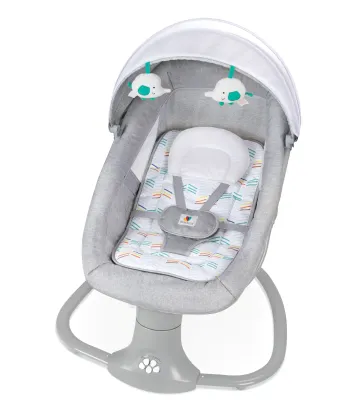
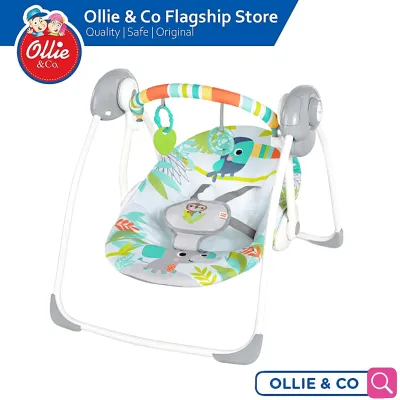
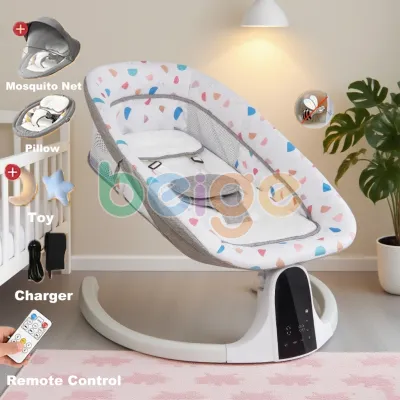
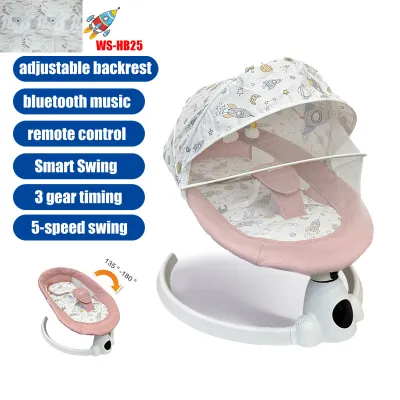
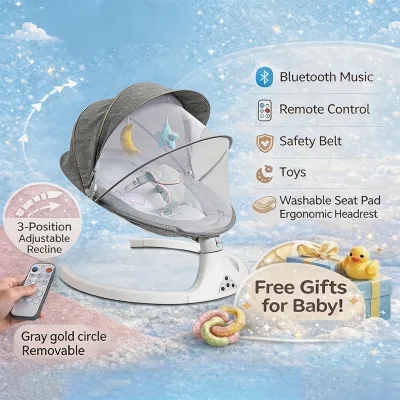
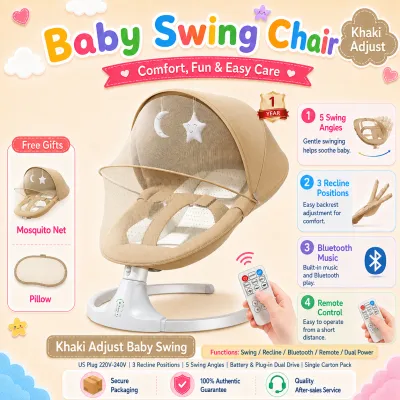
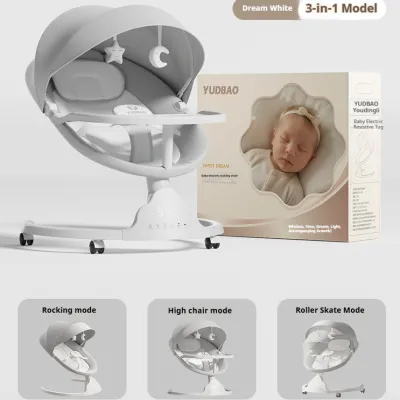
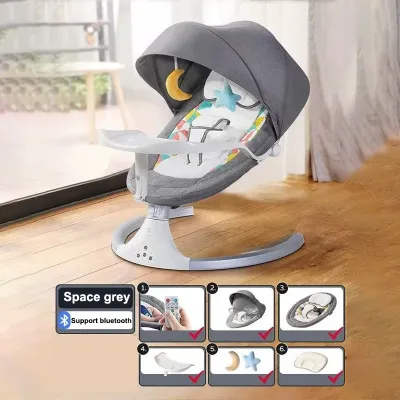
Prices are valid at publication and may change. Please refer to the product page for the latest price.
Beyond simple weight numbers, you must monitor your baby’s developmental milestones. Manufacturers generally advise stopping use as soon as your baby can sit up unassisted, roll over, or attempt to climb out of the seat.
To ensure safety, always verify these exact limits on the physical product label or the official user manual. Avoid relying on general online marketing descriptions, which can sometimes conflate different model specifications.
Motion and Speed Settings: Finding the Right Soothing Rhythm
Babies have distinct preferences when it comes to movement, making motion variety a key feature to consider. Some automatic swings move in a traditional front-to-back motion, while others sway side-to-side or glide in multi-directional patterns. These varied paths are designed to mimic the natural swaying and rocking motions of a caregiver’s arms.

Having multiple adjustable speed settings allows you to customize the experience based on your baby’s immediate needs. A slow, gentle sway might be perfect for a sleepy infant, while a slightly faster setting can help soothe a fussy baby during active periods.
As your baby grows, their preference for speed and motion style will likely change, so a swing with versatile settings offers longer-term utility.
Look for models equipped with built-in timers and auto-shutoff features. These functions allow you to set the swing to run for a specific duration, such as 15, 30, or 45 minutes, preventing the motor from running continuously and helping you manage usage without constant manual monitoring.
Power Options and Portability: Fitting Your Home and Lifestyle
Choosing between an AC adapter plug-in and battery power depends heavily on your home layout and lifestyle. Plug-in models offer consistent, uninterrupted power without the worry of fading batteries, making them ideal for a dedicated spot in your living room. However, they limit where you can place the swing based on the proximity of electrical outlets.
Battery-operated swings provide excellent portability, allowing you to move the unit easily. This is particularly useful in warm, tropical climates like the Philippines, where you might want to move the swing from a warm bedroom to a well-ventilated living area or a shaded veranda to catch a natural breeze. Keep in mind, though, that relying solely on batteries introduces ongoing replacement costs.
If you plan to move the swing frequently, evaluate the frame’s overall weight and foldability. A lightweight, folding frame makes it much easier to tuck the swing away when guests visit or to pack it for trips to a relative’s house.
Before purchasing, measure your intended floor space carefully. Multi-directional swings and those with wide, stable bases often require a surprisingly large footprint and significant clearance on all sides to swing freely without hitting walls or furniture.
Safety Harness and Frame Stability: Non-Negotiable Checks
Safety features are the most critical aspect of any baby gear purchase and should never be compromised. A secure harness system is essential to keep your baby safely positioned in the seat. While some basic models feature a 3-point harness that secures around the waist and crotch, a 5-point harness is highly recommended because it also secures over the shoulders, preventing active babies from leaning forward or slipping out.
The physical stability of the frame is another non-negotiable check. Look for a swing with a wide, low-profile base made of sturdy materials like steel or heavy-duty aluminum. A wide base prevents the swing from tipping over as your baby grows more active and begins to shift their weight.
When shopping, inspect the product packaging or the manufacturer’s official website for recognized safety standard certifications or compliance marks. These marks indicate that the swing has undergone physical testing to meet established safety guidelines.
Extra Features: What is Actually Useful vs. Gimmicks
While basic swings get the job done, many models come with extra features that can enhance the soothing experience. Built-in sound machines that play white noise, gentle lullabies, or nature tracks can provide helpful auditory stimulation and comfort. Overhead mobiles with plush toys can also keep your baby engaged and help develop their visual tracking skills.
Some modern swings offer smart features, such as Bluetooth connectivity or dedicated smartphone apps, allowing you to adjust speed and sound settings from across the room. While convenient, keep in mind that these features rely on stable wireless connections and can sometimes make operating the swing more complicated than a simple physical button.
One feature that is highly practical for daily convenience is a removable, machine-washable seat cover. Babies are prone to diaper leaks, spit-ups, and sweat, especially in humid environments. Being able to quickly strip off the fabric cover and toss it into the washing machine makes maintaining hygiene much easier.
Frequently Asked Questions (FAQ)
Can my newborn use an automatic baby swing right away?
Yes, many automatic swings are suitable for newborns, but you must verify the manufacturer’s specific minimum weight requirement first. Newborns lack head and neck control, so they require a swing that reclines fully and includes a supportive newborn insert to keep their airway clear. Always supervise your newborn closely while they are in the swing.
How long can a baby safely stay in an automatic swing?
Pediatric guidelines generally recommend limiting a baby’s time in stationary or swinging containers to no more than 30 minutes per session, and up to an hour total per day. Swings are designed solely for awake soothing and should never be used for unsupervised sleep. If your baby falls asleep in the swing, transfer them to a firm, flat sleep surface like a crib or bassinet, and ensure you balance swing time with plenty of active floor play and tummy time.
Community discussion
Share your experience or ask a question. Comments are reviewed before publication.