
Choosing the right formula milk is a significant decision during your child’s early development. In the Philippines, parents frequently compare prominent brands like Ascenda, Nido, NAN, and Enfagrow to find the ideal match for their child’s growing needs. When evaluating options like ascenda 1-3 alongside other leading brands, it is essential to understand that no single formula is universally superior. The best choice depends entirely on your child’s specific age, digestive tolerance, growth trajectory, and the guidance of your pediatrician.
Each brand offers distinct formulations designed to support different aspects of development, from cognitive milestones to digestive comfort. Rather than searching for a one-size-fits-all winner, parents should focus on understanding how to read product labels, evaluate stage-specific nutrient adjustments, and consult healthcare professionals. This guide provides a practical framework to help you compare these brands across stages 1, 2, and 3, ensuring you select a formula that aligns with your child’s health needs and your family’s practical considerations.
Understanding Formula Stages and the Direct Answer
Formula milk is systematically categorized into stages to mirror the shifting nutritional demands of a growing child. Stage 1 formulas are typically designed for infants from birth up to six months of age. During this initial phase, the infant’s digestive system is highly delicate, requiring easily digestible proteins and a precise balance of fats and carbohydrates. Because Stage 1 formula often serves as the sole source of nourishment for non-breastfed infants, its composition is highly regulated and focused on fundamental survival and growth needs.
Products mentioned in this guide
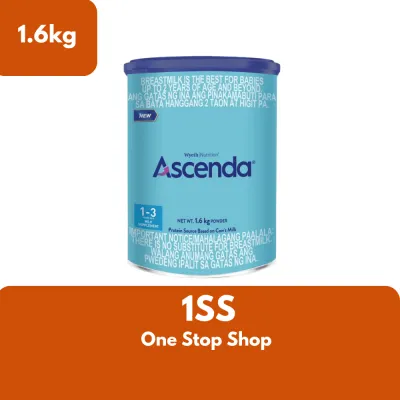
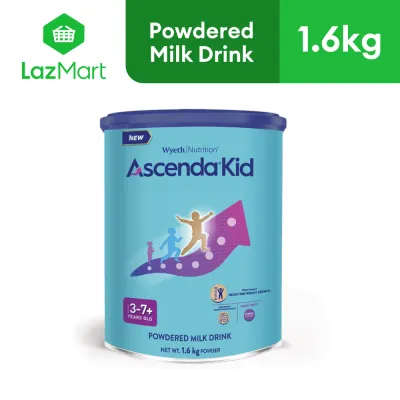
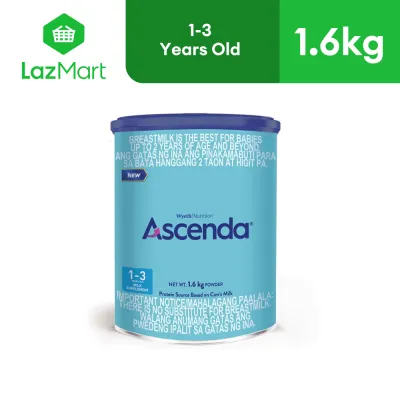
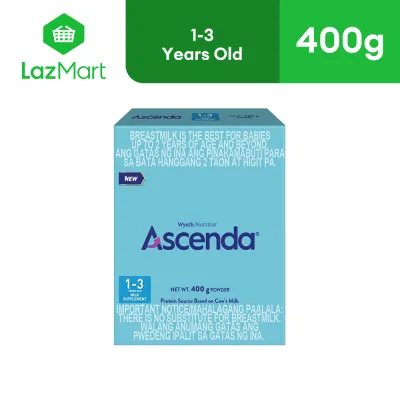
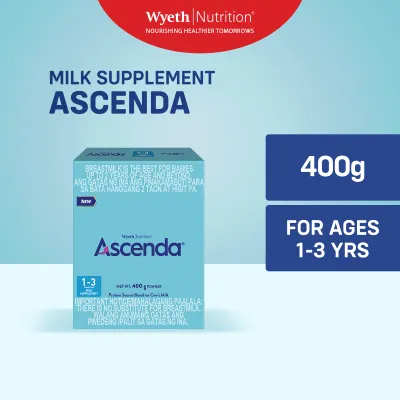
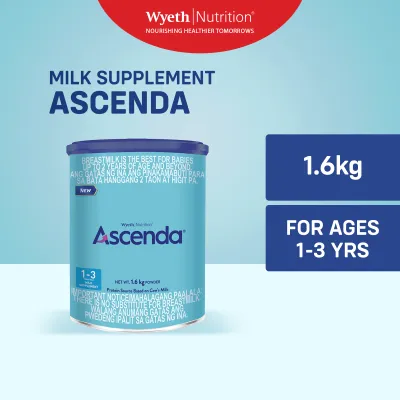
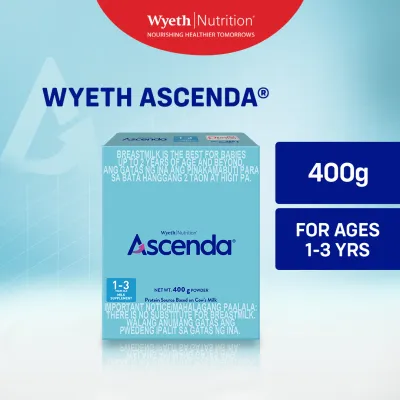
Prices are valid at publication and may change. Please refer to the product page for the latest price.
Stage 2 formulas are generally formulated for older infants aged six to twelve months. This stage coincides with the introduction of solid foods, meaning the formula transitions from being the primary source of nutrition to a supportive complement. The nutritional profile of Stage 2 formulas adjusts to account for the vitamins and minerals the infant begins to receive from purees and soft foods, with a particular emphasis on supporting increased physical activity.
Stage 3 formulas, often referred to as growing-up milks, are tailored for toddlers aged one to three years. At this stage, children are highly active, exploring their environments, and experiencing rapid cognitive development. Stage 3 formulas are designed to fill potential nutritional gaps in a toddler’s increasingly varied diet, often featuring adjustments in iron, calcium, and essential fatty acids.
While these stage classifications provide a helpful general guideline, parents must remember that age ranges are not absolute rules. Factors such as birth weight, developmental milestones, and overall health can influence when a child is ready to transition. It is crucial to verify the specific age and weight recommendations printed on the physical product label of each tin before making any purchase. Always consult your pediatrician to confirm that your child is developmentally ready for a stage transition.
Comparing Nutritional Profiles and Label Claims
When comparing the nutritional profiles of Ascenda, Nido, NAN, and Enfagrow, the physical product label is your most reliable tool. To make a meaningful comparison, start by examining the macronutrient breakdown, which includes proteins, fats, and carbohydrates. Different brands adjust these ratios across stages to support specific developmental goals. For instance, some formulas utilize partially hydrolyzed proteins, which are broken down into smaller pieces to make them easier on a sensitive tummy. You can verify this by looking for terms like “hydrolyzed whey protein” in the ingredient list.

Next, look closely at the fat and carbohydrate sources listed on the packaging. In the warm and humid climate of the Philippines, maintaining optimal digestive comfort and hydration is a priority for young children. Some brands may use specific vegetable oil blends or adjust the lactose content to support softer stools and reduce gas. Checking the ingredient list will help you identify whether a formula relies primarily on lactose or incorporates other carbohydrates like maltodextrin, which can affect how easily your child digests the milk.
Micronutrients and functional additives are another critical area of comparison. Parents often look for docosahexaenoic acid (DHA) and arachidonic acid (ARA), which are fatty acids associated with brain and visual development. Additionally, prebiotics such as galacto-oligosaccharides (GOS), fructo-oligosaccharides (FOS), or human milk oligosaccharides (HMOs like 2′-FL) are frequently added to support gut health. Iron levels are also vital to check, especially in Stage 2 and Stage 3 formulas, as natural iron stores begin to deplete after the first six months of life.
It is important to approach marketing claims on formula packaging with an analytical eye. Phrases such as “supports brain development,” “strengthens immunity,” or “promotes catch-up growth” are designed to highlight specific formulation goals, but they do not guarantee a specific health outcome. To truly understand what you are feeding your child, verify these claims by cross-referencing them with the actual ingredient list and the nutrition information panel. Because manufacturers frequently update their recipes, always check the physical packaging of the specific tin you are purchasing to ensure you have the most accurate and up-to-date information.
Evaluating Cost, Value, and Accessibility
Managing the household budget is a practical reality for families in the Philippines, making the cost and accessibility of formula milk a key decision factor. To determine the true cost of feeding, avoid comparing only the retail price of the tins. Instead, calculate the cost per serving or the daily feeding cost in ₱. You can do this by checking the net weight of the tin—typically ranging from 400 grams to 1.2 kilograms—and looking at the manufacturer’s feeding table on the back of the packaging.
To calculate the cost per serving, identify the weight of a single scoop of powder (usually measured in grams) and the recommended number of scoops per bottle. Divide the total net weight of the tin by the weight of a single scoop to find the total number of scoops per tin. From there, you can determine how many full bottles a single tin will yield. Dividing the retail price of the tin by the number of bottles gives you a highly accurate cost per serving, allowing you to compare the financial impact of each brand objectively.
Accessibility and purchasing channels also play a significant role in your decision. Ascenda, Nido, NAN, and Enfagrow are widely available across the Philippines, but their prices can fluctuate depending on where you shop. Purchasing from local supermarkets, official brand flagship stores, or authorized online e-commerce platforms can yield different price points. Look out for promotional bundles, bulk-buy discounts, or loyalty rewards, which can provide substantial savings over time.
When purchasing formula milk online, safety must be your top priority. Only buy from verified official stores or highly rated, reputable sellers to minimize the risk of purchasing counterfeit or improperly stored products. Extreme heat and humidity can degrade the quality of formula powder, so ensuring the product has been stored in a cool, dry environment is essential. Upon delivery, always inspect the physical tin for any signs of damage, such as deep dents, broken safety seals, or altered expiration dates. Additionally, keep in mind that once a tin is opened, it has a strict shelf life of three to four weeks. Consider your child’s actual consumption rate to prevent waste, especially if you are combining formula feeding with breastfeeding or solid foods.
Decision Framework: Which Brand Suits Your Child?
To help you navigate the choice between these prominent brands, it is helpful to establish a clear decision framework based on your child’s unique developmental needs and your family’s circumstances.
You might choose Ascenda if you are looking to evaluate its specific local market formulations, particularly if your pediatrician has recommended monitoring your child’s growth trajectory closely. Ascenda is often considered when parents want to verify stage-specific nutrient adjustments against their child’s growth chart, ensuring that active toddlers receive concentrated nutrition to support their daily energy requirements.
On the other hand, you might choose Nido, NAN, or Enfagrow if your pediatrician recommends their specific proprietary blends or protein structures. For instance, if your child has a sensitive digestive system, a formula with partially hydrolyzed proteins or specific prebiotic fibers might be recommended to ease digestion and support gut comfort. Alternatively, if the focus is on cognitive milestones, a formula emphasizing specific levels of DHA and ARA might be preferred.
It is vital to recognize that none of these standard formulas may be suitable if your child exhibits signs of a specialized dietary need. If your child shows symptoms of lactose intolerance, a cow’s milk protein allergy, or specific metabolic conditions, standard cow’s milk-based formulas can cause severe discomfort or health complications. In these situations, you must consult a pediatrician immediately to obtain a prescription for specialized formulas, such as hypoallergenic, extensively hydrolyzed, or amino acid-based options.
Before transitioning between stages or switching from one brand to another, always verify the correct preparation instructions. Different brands and stages require specific water-to-powder ratios, and using the wrong scoop or incorrect measurements can lead to undernutrition or digestive strain. Introduce any new formula gradually over several days, mixing it in increasing proportions with the current formula if advised by your doctor, and closely monitor your child for any changes in stool consistency, skin rashes, or overall behavior.
Frequently Asked Questions (FAQ)
Can I mix two different formula brands or stages in one bottle?
You should avoid mixing different formula brands or stages in the same bottle unless you are explicitly instructed to do so by your pediatrician. Each formula is scientifically designed with a specific balance of nutrients, osmolarity, and water-to-powder mixing ratios. Combining two different powders in one bottle can alter these precise concentrations, making the feed too diluted or too concentrated. This can place undue strain on your baby’s developing kidneys and digestive system, potentially causing constipation, dehydration, or nutritional imbalances. If you are transitioning your child, it is generally safer to finish one brand or stage completely before starting the next, or to offer separate bottles of the old and new formulas at different feeding times during the transition period.
How do I know if my child needs to switch to a different formula brand?
Recognizing when a formula is not agreeing with your child requires careful observation of physical and behavioral signs. Monitor your child for persistent fussiness or crying after feedings, excessive gas, frequent or forceful vomiting (which is distinct from mild, normal spit-up), and sudden changes in stool consistency, such as severe diarrhea or hard, painful stools. Poor weight gain or a flatlining growth curve are also critical indicators that the current formula may not be meeting their needs. While minor spit-up or brief digestive adjustments are common during stage transitions, persistent symptoms warrant attention. Always consult your pediatrician before switching brands to ensure you select a suitable alternative and rule out any underlying medical conditions or allergies.
Is it safe to buy formula milk from online e-commerce platforms?
Purchasing formula milk from online e-commerce platforms is safe, provided you take strict precautions to verify the source. Always buy directly from official brand flagship stores, authorized distributors, or well-known, reputable supermarket chains that operate online. Avoid purchasing from unverified third-party sellers, especially those offering prices that seem unusually low, as this significantly increases the risk of receiving counterfeit, expired, or improperly stored products. When your order arrives, thoroughly inspect the packaging before opening it. Check that the safety seal is completely intact, the tin has no deep dents or punctures, and the expiration date is clearly printed and has not been altered. If you notice any defects, do not feed the formula to your child and contact the seller or manufacturer immediately.
Community discussion
Share your experience or ask a question. Comments are reviewed before publication.