
Wooden bed rails can be a safe and highly effective tool for older toddlers transitioning from a crib to a standard bed, but they are strictly unsafe for infants and younger babies. Because infants lack the motor skills, neck strength, and body size to extricate themselves from tight spaces, placing a bed rail on an infant’s sleeping surface poses severe risks of suffocation and entrapment. For older toddlers who are developmentally ready, a wooden bed rail provides a sturdy, rigid physical barrier that prevents accidental falls during sleep. However, its safety is never absolute; it depends entirely on selecting a well-designed rail, installing it flush against the mattress, and performing daily safety checks.
When planning your child’s transition to a big bed, understanding the distinction between a protective barrier and a hazard is essential. Wooden bed rails offer excellent structural integrity compared to fabric or plastic alternatives, but they require careful evaluation. By focusing on developmental milestones, inspecting physical construction details, and eliminating dangerous gaps, you can create a secure sleeping environment that supports your child’s independence while keeping them safe from harm.
Age and Development Guidelines for Bed Rails
Before purchasing a wooden bed rail, you must determine if your child has reached the appropriate age and developmental stage to use one safely. Pediatric safety organizations and product safety standards generally advise that bed rails should never be used for children under two years of age. Before this milestone, children are highly vulnerable to entrapment hazards, as their heads and bodies can easily slip into small gaps between the rail and the mattress, leading to accidental wedging or suffocation.
Products mentioned in this guide
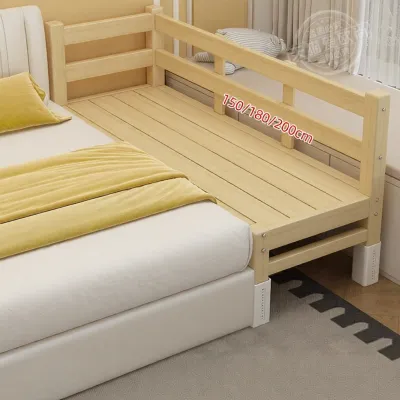
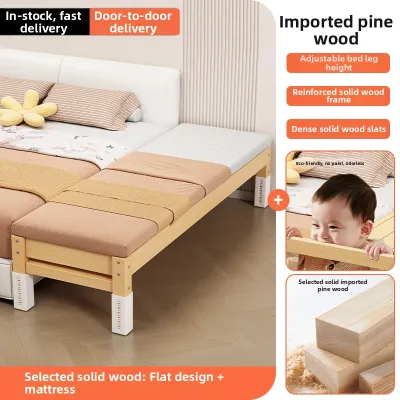
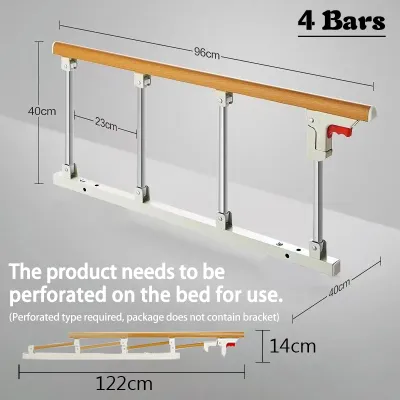
Prices are valid at publication and may change. Please refer to the product page for the latest price.
Readiness is defined by specific developmental milestones rather than age alone. Your child is ready for a bed rail when they can climb in and out of bed independently and safely without assistance. This physical capability ensures that if they do find themselves pressed against the rail or in an awkward position, they have the strength and coordination to adjust their body or exit the bed safely. If a child still relies on a caregiver to lift them in and out of bed, they are not yet ready for a bed rail.
Conversely, bed rails must never be installed on cribs or used for very young toddlers who cannot easily reposition themselves. Cribs are designed to function as self-contained, safe sleep environments with specific slat measurements and heights; adding an aftermarket wooden rail to a crib violates safety designs and can create lethal entrapment zones. For younger toddlers who still roll unpredictably and lack coordination, a low-to-the-ground floor bed or a traditional crib remains the safest sleeping arrangement until they meet all readiness milestones.
Critical Safety Features to Inspect on Wooden Bed Rails
When evaluating a wooden bed rail, the physical design and build quality must be inspected with a critical eye. Wood is a popular material choice because of its weight, rigidity, and aesthetic appeal, but not all wooden rails are manufactured to the same safety standards. Begin by examining the surface of the wood. It must be perfectly smooth to the touch, with no rough grain, splinters, or sharp edges that could scratch a child’s sensitive skin. In tropical climates like the Philippines, high humidity can cause wood to expand, warp, or degrade over time, making a high-quality, moisture-resistant finish essential.

Verify that the manufacturer has used non-toxic, lead-free paints, varnishes, or sealants on the wood. Toddlers often explore their environment with their mouths, and teething children may chew on the top edge of the rail. Look for clear product labeling indicating compliance with international safety standards for non-toxic finishes. Additionally, assess the structural sturdiness of the rail. The joints should be tightly joined with heavy-duty hardware, and any folding or locking mechanisms must operate smoothly and lock securely into place with a child-proof release system to prevent accidental collapse.
Another critical safety dimension is the spacing of the vertical slats or bars. If the wooden rail features a slatted design rather than a solid panel, you must verify that the gaps between the slats are narrow enough to prevent a child’s head, limbs, or torso from becoming trapped. A reliable rule of thumb is to ensure the distance between slats is small enough that a standard soda can or a small child’s fist cannot pass through. Always check the manufacturer’s specifications to confirm that the slat spacing complies with current juvenile product safety guidelines.
Identifying and Preventing Entrapment and Fall Hazards
The most significant hazard associated with any bed rail is entrapment, which occurs when a child rolls into a gap between the rail and the mattress and becomes stuck. To eliminate this risk, you must carefully measure and inspect the interface between the wooden bed rail and the mattress. When installed, the rail must fit completely flush against the side of the mattress, with absolutely no gap or pocket between them. Even a small gap of a few centimeters can widen under a child’s body weight, creating a dangerous trap.
To prevent these gaps, the mattress must fit tightly within the bed frame, and the bed rail’s anchoring system must pull the rail securely against the mattress edge. If you can easily push your hand between the mattress and the wooden rail, the setup is unsafe and must be adjusted immediately. Furthermore, consider the length of the rail. It should extend far enough along the side of the bed to prevent your child from rolling out during active sleep, but it should also leave a safe clearance at the headboard and footboard—typically at least 25 centimeters—so the child can exit the bed easily without getting wedged at either end.
Finally, survey the surrounding bedroom environment for secondary hazards. Ensure the bed is positioned away from windows where hanging blind cords or curtain strings could present a strangulation risk. There should be no heavy furniture, sharp-cornered nightstands, or wall gaps directly adjacent to the bed rail. If the bed is pushed against a wall, ensure the opposite side of the bed is either completely open or protected by a properly fitted rail, as children can easily become trapped between a mattress and a bare wall.
Safe Installation and Daily Maintenance Checks
Proper installation is the foundation of bed rail safety. Always follow the manufacturer’s printed instructions step-by-step, using all supplied hardware, straps, and anchoring devices. Many wooden bed rails utilize a long anchor strap or a heavy T-shaped bar that extends underneath the mattress to the opposite side of the bed frame, using the weight of the mattress to hold the rail tightly in place. Never skip installing these anchoring systems, and do not attempt to secure the rail using makeshift solutions like ropes, tape, or heavy books.
Because children toss, turn, and lean against the rail, the installation can shift over time. You must perform a quick physical check of the bed rail every single day before bedtime. Give the rail a firm tug to ensure it remains tightly anchored and flush against the mattress. Check that the mattress has not slid away from the rail, creating a new gap. This daily habit takes only a few seconds but is one of the most effective ways to prevent nighttime entrapment accidents.
In addition to daily checks, conduct a thorough weekly inspection of the wooden rail’s hardware and joints. Look for loose screws, worn hinges, or cracks in the wood that could compromise the rail’s structural integrity. In humid environments, metal screws and brackets can rust, and wooden joints can loosen due to seasonal moisture changes. If you find any missing hardware, cracks, or structural instability, discontinue use immediately and contact the manufacturer for approved replacement parts rather than attempting a temporary home repair.
When to Stop Using a Bed Rail
Bed rails are temporary safety aids, not permanent fixtures. As your child grows, their physical capabilities and sleep patterns will change, eventually making the bed rail unnecessary or even hazardous. You must adhere strictly to the maximum weight and height limits specified on the product label. Once your child exceeds these limits, their weight can easily overwhelm the rail’s anchoring system, leading to structural failure or tipping.
Watch for behavioral signs that indicate your child has outgrown the rail. If your child begins repeatedly climbing over the wooden rail to get out of bed, or if they use the top bar to pull themselves up into a standing position, the rail has become a fall hazard. A fall from the height of a bed rail onto a hard floor can cause far more serious injuries than rolling out of a low bed. If you observe these climbing behaviors, it is time to remove the rail immediately.
Transitioning to a rail-free bed should be planned once your child demonstrates consistent spatial awareness during sleep. You can prepare them for this transition by temporarily placing a soft rug, foam play mats, or large floor pillows beside the bed to cushion any accidental rolls. Many parents find that budgeting ₱1,500 to ₱3,500 for quality safety accessories, such as low-profile floor mats, provides excellent peace of mind during this final phase of baby-proofing.
Frequently Asked Questions (FAQ)
Can I use a wooden bed rail on a bunk bed or toddler bed?
Wooden bed rails designed for standard single or double beds should not be used on bunk beds or specialized toddler beds unless specifically approved by the manufacturer. Bunk beds require integrated, full-length guardrails that are built into the bed frame to prevent high-altitude falls, and aftermarket rails may not anchor securely to elevated frames. Toddler beds often have unique frame dimensions and mattress heights that are incompatible with standard adult-bed rails, creating severe entrapment risks if mismatched.
Are wooden bed rails safer than mesh or plastic alternatives?
No single material is universally safer; instead, safety depends on design, fit, and proper installation. Wooden bed rails offer superior rigidity and do not sag or stretch over time, which can help maintain a tight, gap-free fit against the mattress. However, mesh rails are highly breathable and flexible, which some parents prefer to reduce the impact if a child rolls into the barrier. Regardless of whether you choose wood, mesh, or plastic, the rail is only safe if it fits flush against the mattress without gaps.
What should I do if my child gets stuck between the rail and the mattress?
If your child becomes trapped, remain calm and immediately free them by lifting the mattress slightly to relieve pressure and sliding them out of the gap. Check your child thoroughly for any injuries, breathing difficulties, or bruising. Once you have ensured their physical well-being, remove the bed rail from the bed immediately. Do not reinstall or use the rail again until you have identified the cause of the gap and corrected the installation to ensure a completely flush, secure fit.
Community discussion
Share your experience or ask a question. Comments are reviewed before publication.