
Deciding between washable cotton cloth diapers and single-use disposables is a significant milestone for many modern parents. While the environmental benefits and long-term financial savings of reusable cotton are highly appealing, the daily reality of managing a cloth diapering system depends heavily on your household’s routine, laundry capacity, and lifestyle. There is no single correct choice; the right decision is the one that fits seamlessly into your family’s daily life without causing unnecessary stress. By evaluating your current household setup, budget, and baby’s unique needs, you can confidently determine if making the switch to cotton cloth diapers is a practical step for your family.
Assess Your Daily Routine and Laundry Capacity
Managing a cloth diapering routine requires a consistent commitment to laundry that not every household is equipped to handle. Cotton cloth diapers must be washed frequently to prevent odor buildup, staining, and the growth of bacteria or ammonia. Before committing, evaluate how often you are willing to run your washing machine. A typical cloth diapering family runs an extra load of laundry every one to two days, which significantly increases your weekly chore list.
Drying space is another critical factor, especially in a tropical climate where humidity levels fluctuate. During the rainy season, line-drying thick cotton inserts outdoors can take more than a full day, requiring you to have a larger inventory of diapers or a reliable indoor drying setup. If you rely solely on outdoor line-drying, a sudden downpour can disrupt your entire diapering schedule.
Products mentioned in this guide

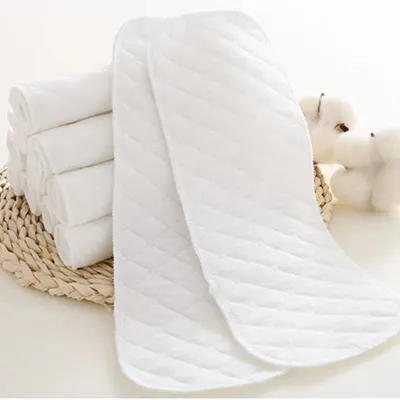
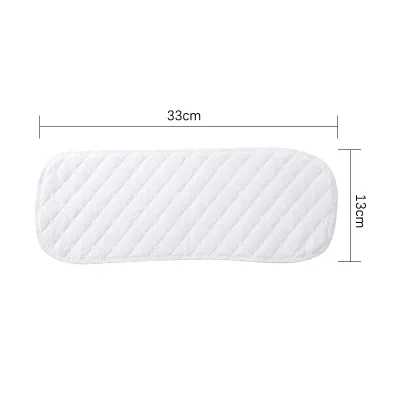
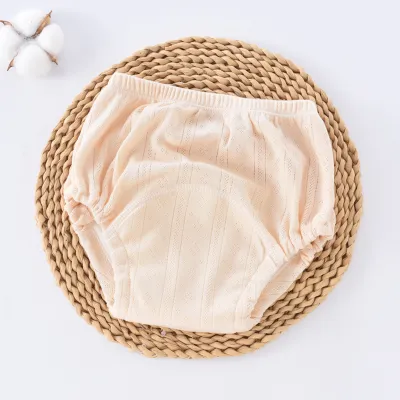


Prices are valid at publication and may change. Please refer to the product page for the latest price.
You must also assess your washing machine’s capabilities and your water supply. A reliable washing machine with customizable rinse cycles is highly beneficial for thoroughly cleaning soiled cotton fibers. Additionally, you will need to source a suitable detergent that is free from fabric softeners, optical brighteners, and heavy fragrances, as these additives can build up on cotton fibers and reduce their absorbency over time.
Finally, consider the daily hands-on time required for pre-rinsing, scraping or spraying solid waste into the toilet, and assembling the diapers once they are dry. Pocket diapers and covers with inserts require manual stuffing and folding before they can be used. If your daily schedule is already packed with work, cooking, and childcare, adding these preparation steps can quickly become overwhelming.
Evaluate Your Budget and Long-Term Costs
Transitioning to washable cotton cloth diapers involves a distinct financial trade-off: a high upfront investment in exchange for long-term savings. To determine if this makes financial sense for your household, you must first calculate the initial setup costs. A functional starter stash typically requires purchasing 15 to 24 cloth diapers, along with waterproof covers, highly absorbent cotton inserts, wet bags for storage, and diaper liners. Depending on the brands and styles you choose from local baby boutiques or online marketplaces, this initial purchase can range from a few thousand to several thousand pesos (₱).

Beyond the initial purchase, you must factor in the ongoing utility costs associated with frequent washing. Your monthly water and electricity bills will inevitably rise due to the extra washing machine cycles. You will also need to budget for specialized, cloth-safe laundry detergents, which can sometimes be more expensive than standard commercial detergents.
Despite these ongoing operational costs, the long-term savings can be substantial, particularly if you plan to use the same diaper stash for multiple children. Disposables require a continuous, recurring monthly expense that accumulates over several years until your child is fully potty trained. By contrast, high-quality cotton cloth diapers can be washed and reused hundreds of times, and then passed down to younger siblings, virtually eliminating diaper purchasing costs for your second or third child.
Consider Your Baby's Skin and Comfort Needs
Your baby’s skin sensitivity and physical comfort are paramount when choosing a diapering system. Natural cotton fibers are highly breathable, allowing air to circulate more freely than the synthetic materials and plastic barriers found in many disposable diapers. In hot and humid tropical weather, this enhanced breathability can help keep your baby’s skin cool and dry, reducing the likelihood of heat rash and general discomfort.
However, cotton cloth diapers are inherently bulkier than modern ultra-thin disposables. This extra bulk can affect how your baby’s clothes fit, often requiring you to size up in onesies and pants to accommodate the larger diaper area. While some parents worry that this bulkiness might hinder physical development, babies generally adapt quickly; however, you should observe your baby’s movements and ensure the diaper is fitted correctly according to the manufacturer’s guidelines to allow natural mobility.
While cotton is gentle, diaper rash can still occur in any diapering system if wetness is left against the skin for too long. Because cotton does not contain the chemical gelling agents that lock moisture away in disposables, your baby will feel wetness more quickly, requiring more frequent diaper changes. If your baby develops a persistent, bright red rash, or if the skin becomes cracked or blistered, stop using cloth diapers temporarily and consult a qualified pediatrician to rule out yeast infections or severe contact dermatitis.
Match Your Lifestyle: When Cloth Diapers Make Sense
Matching your diapering choice to your family’s lifestyle is essential for long-term success. Using cloth diapers is often highly manageable when you are at home, where you have immediate access to your changing table, running water, and laundry facilities. However, managing soiled cloth diapers while traveling, running errands, or visiting family requires carrying wet bags to store dirty diapers until you return home, which some parents find inconvenient.
If your baby attends a daycare center or is cared for by a nanny (yaya) or grandparents, you must evaluate their willingness to support a cloth diapering system. Caregivers must be trained on how to properly fit the diapers to prevent leaks, and they must be comfortable handling and storing soiled diapers without throwing them away. If your support network is hesitant or resistant, a hybrid approach—using cloth at home and disposables on the go or during childcare hours—may be the most realistic compromise.
For many families, the decision to use cloth is driven by environmental values and a desire to reduce household waste. Single-use diapers contribute significantly to local landfills, where they take hundreds of years to decompose. Choosing washable cotton diapers dramatically reduces your household’s daily waste output, aligning your parenting choices with a commitment to environmental sustainability.
Practical Next Steps if You Decide to Switch
If you decide that washable cotton cloth diapers are a good fit for your family, the transition does not have to be an all-or-nothing commitment. Start by purchasing a small trial stash of three to five diapers in different styles, such as pockets, all-in-ones, or prefolds with covers. This allows you to test the fit on your baby and experience the washing process firsthand without a major financial commitment.
Once you have your trial diapers, establish a dedicated washing, drying, and storage routine based strictly on the manufacturer’s care labels. Set up a dry pail or a breathable wet bag near your changing station to store soiled diapers before wash day. Always follow the manufacturer’s instructions regarding water temperature, detergent dosage, and drying methods to preserve the integrity of the waterproof covers and the absorbency of the cotton fibers.
Finally, give yourself permission to be flexible. If the laundry becomes unmanageable during busy work weeks, or if your baby goes through a phase of sensitive skin, it is perfectly acceptable to pause and switch back to disposables. A successful diapering journey is one that supports your family’s well-being, and finding a balance that works for you is far more important than adhering to a rigid set of rules.
Frequently Asked Questions (FAQ)
How many washable cotton cloth diapers do I need to start?
The number of diapers you need depends on your baby’s age, daily output, and how often you plan to wash them. Newborns typically require 10 to 12 diaper changes per day, while older babies may need 6 to 8 changes. If you plan to wash your diapers every two days, a starter stash of 20 to 24 diapers is recommended to ensure you have enough clean diapers available while a load is in the wash or drying on the line. Keep in mind that high humidity or rainy weather can prolong drying times, so you may need a slightly larger stash during the wet season if you do not use a clothes dryer.
Can I use regular laundry detergent for cotton cloth diapers?
You can use many standard laundry detergents, but you must avoid specific additives that can damage the diapers or irritate your baby’s skin. Do not use fabric softeners, as they coat the cotton fibers with a water-repellent layer that drastically reduces absorbency. Avoid detergents with heavy fragrances, dyes, or optical brighteners, which can leave residues that trap bacteria and cause ammonia buildup. Always inspect the diapers for a clean, fresh smell after washing; if you notice a strong ammonia or musty odor, check the manufacturer’s care instructions for troubleshooting residue buildup.

Community discussion
Share your experience or ask a question. Comments are reviewed before publication.