
Vitamin supplements can be safe for your one-year-old baby, provided they are formulated specifically for toddlers and administered under the direct guidance of a pediatrician. At this transitional age, a child’s body is highly sensitive to nutrient levels, meaning that both deficiencies and excesses can carry significant health consequences. While high-quality supplements are safe when used correctly, they are never a replacement for a wholesome, balanced diet.
In most cases, healthy toddlers do not require daily vitamin supplements because they can obtain all necessary nutrients from their daily meals. Pediatricians typically recommend supplementation only when an objective nutritional gap, restrictive diet, or specific medical condition is identified. Because every child’s physical development and nutritional needs are unique, you should always consult your pediatrician before introducing any new supplement to your toddler’s routine.
Does Your 1-Year-Old Actually Need a Vitamin Supplement?
As babies transition into their second year, their growth rate naturally slows down compared to infancy, which often leads to a temporary drop in appetite. This phase, frequently accompanied by picky eating, can make parents anxious about whether their child is getting enough nutrition. However, the general pediatric consensus is that most healthy one-year-olds who consume a varied diet of fruits, vegetables, whole grains, and dairy or fortified plant-based alternatives receive all the essential vitamins and minerals they need naturally.
Products mentioned in this guide
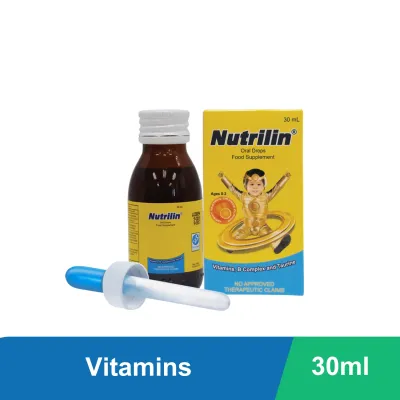
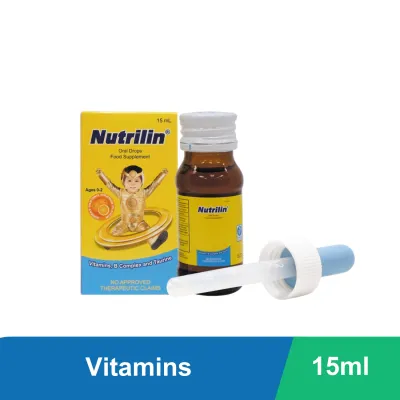
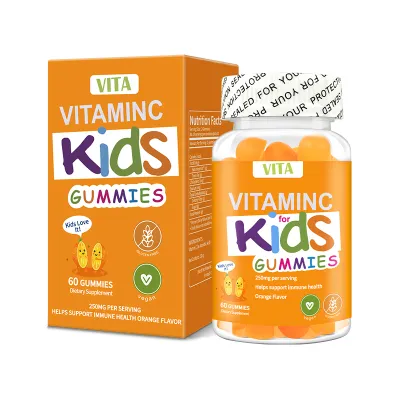
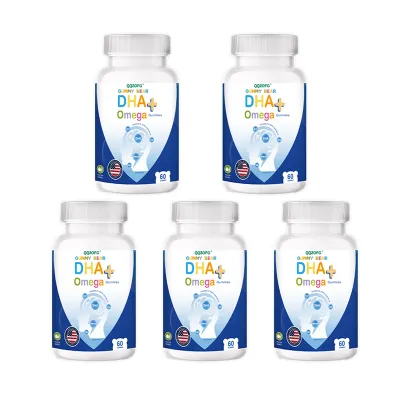
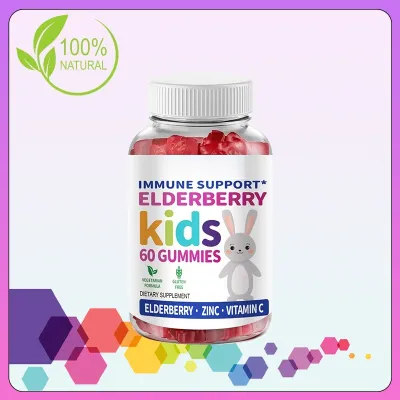
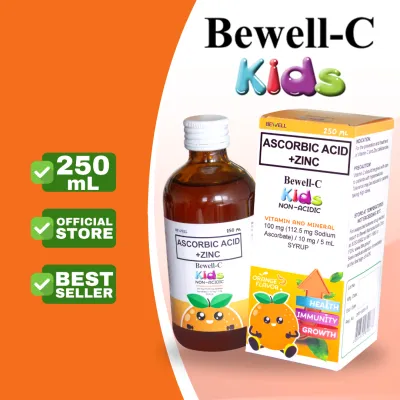

Prices are valid at publication and may change. Please refer to the product page for the latest price.
In the Philippines, many families transition their toddlers from breast milk or infant formula to local family foods like lugaw (rice porridge) enriched with minced vegetables, fish, and soft fruits like papaya or mango. If your toddler consistently eats a variety of these foods, their nutritional foundation is likely solid. Active toddlers who are growing along their expected curves and meeting their developmental milestones rarely need a daily multivitamin.
However, there are specific, clinically justified scenarios where a pediatrician might prescribe or recommend vitamin supplements for a one-year-old:
- Vitamin D Deficiencies: Although the Philippines is a tropical, sunny country, many urban families keep their babies indoors during the hottest hours of the day to avoid intense heat and humidity. If a toddler has limited sun exposure or is transitioning from exclusive breastfeeding without consuming fortified milk, a Vitamin D supplement may be recommended to support bone development.
- Iron-Deficiency Anemia: One-year-olds need adequate iron for rapid brain development and healthy red blood cells. Toddlers who are extremely picky eaters, consume large amounts of unfortified cow's milk (which can interfere with iron absorption), or follow a strict vegetarian or vegan diet are at a higher risk of iron deficiency.
- Restrictive Diets and Malabsorption: Children with diagnosed food allergies, chronic digestive issues, or developmental conditions that affect chewing and swallowing may require targeted supplementation to prevent long-term nutrient gaps.
Before scheduling a consultation with your pediatrician, it is highly beneficial to keep a detailed food diary for three to five days. Note down everything your child eats and drinks, including portion sizes and any instances of picky behavior or food refusal. Sharing this record, along with your observations of your child’s energy levels and bowel movements, will help your doctor make an informed decision about whether a supplement is truly necessary.
Understanding Dosage Guidelines for Toddler Vitamins
Administering vitamins to a one-year-old requires strict attention to dosage, as their developing organs cannot process excess nutrients the same way adult bodies do. When evaluating toddler vitamins, you will encounter two critical metrics: the Recommended Dietary Allowance (RDA) and the Tolerable Upper Intake Level (UL). The RDA is the daily intake level sufficient to meet the nutrient requirements of nearly all healthy individuals in a specific age group. The UL, on the other hand, is the maximum daily intake that is unlikely to cause adverse health effects; exceeding this limit can lead to toxicity and severe organ strain.

Reading the “Supplement Facts” label on any product is a vital safety step for parents. Always verify that the product is explicitly formulated for toddlers aged one to three years, rather than older children or adults. Formulations designed for older age groups often contain nutrient concentrations that easily exceed a one-year-old’s safe upper limits. If a label does not clearly specify the dosage for a twelve-month-old, do not guess the amount; consult your pediatrician or pharmacist for clarification.
For liquid vitamins, which are the most common form for this age group, always use the exact measuring device—such as the dropper, syringe, or dosing cup—packaged with that specific product. Household kitchen spoons are highly inaccurate and vary significantly in volume, which can easily lead to accidental under- or over-dosing. Even a minor discrepancy of one or two milliliters can represent a massive percentage increase in a toddler’s daily nutrient intake.
It is also vital to distinguish between fat-soluble and water-soluble vitamins when considering safety:
- Fat-Soluble Vitamins (A, D, E, and K): These vitamins are stored in the body's fatty tissues and liver. Because they do not dissolve in water, excess amounts cannot be easily flushed out through urine, making them highly prone to accumulating to toxic levels if over-administered.
- Water-Soluble Vitamins (B-complex and C): These vitamins dissolve in water and are generally excreted in urine when consumed in excess. While they carry a lower risk of acute toxicity, massive doses can still cause digestive discomfort and kidney strain in young children.
Potential Side Effects and Overdose Risks to Watch For
Even when administered in recommended doses, some toddlers may experience mild, temporary side effects when starting a new vitamin supplement. These minor reactions often include mild stomach upset, temporary diarrhea, or slight nausea as their digestive system adjusts to the concentrated nutrients. Additionally, water-soluble B vitamins can cause a harmless change in urine color, making it appear bright yellow, while iron supplements commonly turn stools a dark green or black color.
While mild digestive adjustments are common, parents must remain highly vigilant against the severe risks of vitamin toxicity, particularly iron overdose. Iron is one of the leading causes of accidental poisoning deaths in young children worldwide. Because toddlers are naturally curious and attracted to colorful liquids or sweet syrups, accidental ingestion can happen rapidly if bottles are left within reach.
The warning signs of an acute iron overdose are severe and require immediate medical intervention:
- Gastrointestinal Distress: Severe, persistent vomiting (which may contain blood) and watery or bloody diarrhea.
- Systemic Symptoms: Extreme lethargy, cold or clammy skin, rapid breathing, and severe abdominal pain.
- Neurological Signs: Confusion, drowsiness, or loss of consciousness.
Toxicity from fat-soluble vitamins like Vitamin A and Vitamin D also presents distinct, serious symptoms that develop over time or after a large single dose. Chronic Vitamin A toxicity can lead to increased pressure in the brain, resulting in irritability, vomiting, a bulging soft spot (fontanelle) on the head, and dry, peeling skin. Excess Vitamin D can cause hypercalcemia (high calcium levels in the blood), leading to poor appetite, persistent nausea, frequent urination, and excessive thirst. Understanding these differences allows you to quickly identify when a symptom is a minor adjustment versus a medical emergency.
Safety Precautions: Choosing, Storing, and Giving Vitamins
Ensuring the safety of your child’s vitamin routine involves careful choices at every step, from the initial purchase to daily storage and administration.
Choosing the Right Product When selecting a vitamin for your one-year-old, carefully read the ingredient list to identify potential allergens such as dairy, soy, gluten, or artificial dyes. Many pediatricians recommend avoiding products with high amounts of added sugars, artificial sweeteners, or chemical preservatives. Additionally, avoid giving gummy vitamins to a one-year-old; at this developmental stage, many toddlers do not have the molars required to chew gummies thoroughly, making them a significant choking hazard. Stick to liquid drops or soluble powders recommended by your doctor.
Safe Storage Practices Proper storage is critical to prevent accidental ingestion and maintain product quality. In hot and humid tropical climates like the Philippines, liquid vitamins and chewable tablets can spoil, melt, or lose their potency rapidly if exposed to heat and moisture. Always store vitamins in their original, child-resistant packaging in a cool, dry place, locked away in a high cabinet completely out of your toddler’s sight and reach. Never refer to vitamins as “candy” or “sweets” to coax your child into taking them, as this can encourage them to seek out the bottle on their own.
Proper Administration Techniques To maximize absorption and minimize the risk of stomach irritation, administer vitamins alongside a meal. Fat-soluble vitamins, in particular, are absorbed much more efficiently when consumed with foods containing healthy fats, such as avocado, eggs, or a small amount of coconut oil. Avoid mixing liquid vitamins into a full bottle of milk or a large bowl of food; if your toddler does not finish the entire portion, they will not receive the complete, intended dose, making it difficult to track their actual intake. Instead, administer the liquid directly into the side of their mouth using the provided syringe, or mix it into a single, small spoonful of puree that you know they will consume completely.
When to Stop Supplements and Contact a Pediatrician
As a parent, you should always trust your instincts and closely monitor your child’s physical reactions to any supplement. If your toddler exhibits any “stop and call” triggers, immediately halt the administration of the vitamins and contact your pediatrician. These triggers include the sudden appearance of an unexplained skin rash, hives, persistent vomiting, severe constipation, or behavioral changes such as unusual irritability or extreme sleepiness. Any sign of a severe allergic reaction, such as swelling of the lips, tongue, or throat, or difficulty breathing, requires immediate emergency medical care.
You should also pause supplementation if your child’s daily diet undergoes a significant positive shift. For instance, if your toddler starts consistently eating a highly varied diet or begins consuming fortified milk formulas and cereals regularly, their dietary intake might now meet or exceed their daily requirements. Continuing to give them a separate multivitamin alongside these fortified foods could inadvertently push their nutrient levels above the safe Tolerable Upper Intake Level.
If you ever suspect your child has accidentally ingested an overdose of vitamins, or if they experience a severe adverse reaction, do not wait for symptoms to worsen. Grab the exact vitamin bottle, note the approximate amount missing, and head immediately to the nearest hospital emergency room or contact your local medical emergency services. Having the original packaging allows medical professionals to quickly calculate the exact dosage of active ingredients consumed and administer the correct treatment without delay.
Frequently Asked Questions (FAQ)
Can I give my 1-year-old adult or older child vitamins if I adjust the dose?
No, you should never give your one-year-old vitamins formulated for adults or older children. These products contain nutrient concentrations that far exceed a toddler’s safe Tolerable Upper Intake Level, making them highly dangerous. Furthermore, attempting to split adult tablets or estimate partial liquid doses is highly inaccurate and carries a severe risk of accidental poisoning. Only use products specifically formulated and safety-tested for toddlers aged one to three years, under pediatric guidance.
What should I do if my toddler accidentally eats too many gummy vitamins?
If your toddler accidentally consumes multiple gummy vitamins, treat it as a medical emergency. Immediately contact your local poison control center or transport your child to the nearest emergency room. Do not attempt to induce vomiting unless explicitly instructed to do so by a medical professional, as this can cause further harm. Ensure you bring the exact vitamin bottle with you so doctors can analyze the ingredients—especially iron or Vitamin D levels—and respond effectively.
Community discussion
Share your experience or ask a question. Comments are reviewed before publication.