
Vitamin C is a vital nutrient that supports your child’s immune system, aids in iron absorption, and promotes healthy skin and tissues. As a parent, you want to ensure your little one gets enough of this essential vitamin, especially during cold and flu seasons. This has led many parents to consider dietary supplements, with gummy vitamins becoming an incredibly popular choice. But are vitamin C gummies, such as Scoot vitamin C gummies, actually safe for your children?
The short answer is yes: vitamin C gummies are generally safe for children, provided they are used strictly in accordance with the manufacturer’s label instructions and age guidelines. However, these chewable supplements are not entirely free of risks. Before adding them to your daily routine, you must understand the potential hazards they present, which include physical choking risks for younger children, the danger of accidental overconsumption due to their candy-like taste, and the dental impact of added sugars.
While these gummies can help fill nutritional gaps, they should never serve as a replacement for a balanced, whole-food diet. Because every child’s nutritional needs and physical development are unique, it is vital to consult your pediatrician before introducing any new supplement to your child’s daily regimen.
Products mentioned in this guide
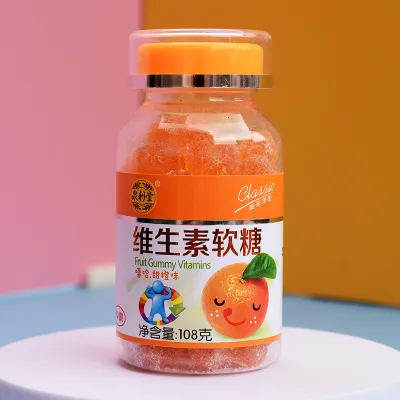
Prices are valid at publication and may change. Please refer to the product page for the latest price.
Understanding the Safety Profile of Vitamin C Gummies
To evaluate whether gummy supplements are right for your family, it is helpful to look at why they have become so popular and how their physical format affects their safety profile. Gummy vitamins are explicitly designed to appeal to children. With their bright colors, sweet fruit flavors, and chewy textures, they look and taste almost identical to regular gummy candies. While this design makes it much easier for parents to convince picky eaters to take their daily vitamins, it also introduces a significant psychological challenge: children cannot easily distinguish between a health supplement and a sweet treat.
When children view these supplements as candy, the risk of unsupervised consumption rises dramatically. A child who finds an unsecured bottle of Scoot vitamin C gummies may consume multiple servings in a single sitting, unaware that they are ingesting concentrated doses of vitamins rather than a harmless snack. This candy-like appeal requires parents to maintain strict control over how these products are stored and administered.
To make an informed choice, you must learn to critically evaluate the supplement facts panel on any product you purchase. When looking at options like Scoot vitamin C gummies, turn the bottle over and inspect the exact nutritional breakdown. Pay close attention to the following key details:
- Vitamin C Content per Serving: Compare the amount of vitamin C in a single serving to the recommended daily intake for your child's specific age group.
- Sugar Content: Many gummy vitamins contain added sugars, such as glucose syrup or sucrose, to mask the natural tartness of vitamin C. Check the label to see how many grams of sugar are added per serving, as high sugar intake can contribute to dental decay and unnecessary caloric consumption.
- Inactive Ingredients: Look for artificial dyes, preservatives, or common allergens. If your child has specific dietary restrictions, check whether the gelling agent is gelatin (derived from animals) or pectin (plant-based).
It is also important to remember the medical consensus regarding childhood nutrition: the vast majority of healthy children do not require vitamin C supplements at all. A diet that regularly includes fresh fruits and vegetables easily provides all the vitamin C a growing body needs. In the Philippines, local fruits such as calamansi, dalandan, ripe mangoes, papayas, and guavas are incredibly rich in natural vitamin C. Supplementation is typically only necessary if a pediatrician identifies a specific dietary gap, a chronic absorption issue, or if your child is an extremely selective eater who avoids fresh produce entirely.
Age Guidelines and Choking Hazard Risks
One of the most critical physical safety concerns associated with gummy vitamins is the risk of choking. The chewy, rubbery, and sticky texture of gummies makes them highly difficult for infants and toddlers to break down safely. Young children are still developing their chewing coordination and may attempt to swallow a gummy whole, especially if they are distracted or eating while playing.

Because of this hazard, manufacturers place explicit age warnings on their packaging. For most gummy supplements, including Scoot vitamin C gummies, the recommended minimum age is typically three or four years old. Parents must strictly adhere to these age guidelines and never assume a child is ready just because they enjoy other soft foods.
Before introducing any gummy supplement, assess your child’s individual developmental readiness by asking the following questions:
- Can they thoroughly chew solid foods? Your child should be highly proficient at chewing raw vegetables or dense meats before attempting to consume a gummy.
- Do they sit still while eating? Children who run, jump, or play while consuming food are at a much higher risk of choking on a sticky gummy.
- Do they understand instructions? Your child must be old enough to understand that they need to chew the gummy completely before swallowing, rather than trying to gulp it down quickly.
If your pediatrician has recommended vitamin C supplementation for a child who is under the age of three, or who is not yet developmentally ready for gummies, do not attempt to cut or modify a gummy to make it smaller. Cutting a gummy can still leave sticky, hard-to-swallow pieces that pose a risk. Instead, ask your healthcare provider about safer alternative formats. Liquid drops, soluble powders that dissolve completely in water, or chewable tablets that crush easily are far safer options for younger age groups.
Potential Side Effects and Signs of Overconsumption
Vitamin C, also known as ascorbic acid, is a water-soluble vitamin. This means that the human body does not store it in large quantities; instead, it absorbs what it needs and excretes the excess through urine. Because of this mechanism, acute toxicity from vitamin C is rare, and accidental overconsumption is generally less dangerous than overdosing on fat-soluble vitamins (such as vitamins A, D, E, and K) or metals like iron, which can accumulate to toxic levels in organs.
But this does not mean that megadoses of vitamin C are entirely harmless. If a child consistently consumes amounts that far exceed the recommended daily limit, their digestive system can become overwhelmed. This can lead to several uncomfortable gastrointestinal side effects, including:
- Diarrhea: Excess unabsorbed vitamin C in the intestines draws water into the bowel, leading to loose, watery stools.
- Abdominal Cramps and Bloating: The fermentation of unabsorbed vitamin C by gut bacteria can cause painful gas and stomach spasms.
- Nausea and Vomiting: High concentrations of ascorbic acid can irritate the sensitive lining of a child's stomach.
Beyond the direct effects of the active vitamin, the gummy format itself carries secondary risks. The sticky nature of gelatin- or pectin-based gummies means that small pieces of sugary residue can easily become trapped in the deep grooves of your child’s teeth. When sugar clings to dental enamel for extended periods, it feeds oral bacteria, leading to plaque buildup and an increased risk of dental cavities. Additionally, if a child is consuming multiple gummies a day as if they were candy, they are taking in unnecessary empty calories and sugar that can disrupt their natural appetite for nutritious meals.
As a parent, you should actively monitor your child for any signs that they may have consumed too much vitamin C or are reacting poorly to a supplement. Watch for sudden stomach upset, complaints of abdominal pain, changes in their bowel movements, or unusual irritability after taking the supplement. If you observe any of these symptoms, or if you discover that your child has ingested a large quantity of gummies at once, stop using the product immediately and contact your pediatrician or a local poison control center for guidance.
Essential Precautions Before Starting Supplementation
If you and your pediatrician decide that vitamin C supplementation is appropriate for your child, establishing a secure and highly controlled routine at home is the best way to prevent accidents. By implementing a few practical safety habits, you can enjoy the benefits of supplementation while minimizing the risks of choking, dental decay, or accidental overconsumption.
1. Always Consult Your Pediatrician First Never start your child on a new supplement based solely on marketing claims, online trends, or recommendations from friends. Schedule a consultation with your pediatrician to verify whether your child actually needs extra vitamin C. The doctor can assess your child’s current diet, weight, and overall health to determine the exact daily dosage that is safe and effective for them.
2. Store Supplements in a Secure, Locked Cabinet Treat vitamin C gummies with the same level of caution you would use for prescription medications. Do not leave the bottle on the kitchen counter, dining table, or bedside drawer, even if the bottle features a child-resistant cap. Children can be surprisingly resourceful at opening these caps. Store the bottle on a high shelf or inside a locked cabinet that is completely out of your child’s sight and physical reach.
3. Maintain Complete Control Over Administration Establish a strict household rule: only an adult is allowed to handle the vitamin bottle. Never let your child self-serve, and do not allow older siblings to hand vitamins to younger children. When it is time for the daily dose, physically take the gummy out of the bottle, hand it to your child, and supervise them closely until they have completely chewed and swallowed it. To protect their teeth, encourage them to brush their teeth or rinse their mouth thoroughly with water afterward to remove any sticky, sugary residue.
4. Perform Regular Environmental and Quality Checks Living in a tropical climate like the Philippines presents unique challenges for storing gummy vitamins. High temperatures and intense humidity can cause gummies to melt, stick together, or degrade rapidly. When gummies melt into a single mass, it becomes impossible to measure an accurate dose, and the nutritional potency of the active ingredients may decline.
- Always store the bottle in a cool, dry place away from direct sunlight.
- Avoid storing them in hot areas like the kitchen near the stove, or in humid bathrooms.
- If your home gets exceptionally warm during the dry season, check the product label to see if refrigeration is recommended after opening.
- Regularly inspect the gummies for changes in color, texture, or smell, and discard any products that have expired or show signs of melting.
Frequently Asked Questions (FAQ)
Can my toddler take Scoot Vitamin C gummies?
You should check the specific age warnings and instructions printed on the Scoot vitamin C gummies packaging. In general, gummy vitamins are not recommended for toddlers under the age of three or four due to the high risk of choking. If your toddler’s pediatrician has identified a medical need for vitamin C supplementation, ask them to recommend a safer, age-appropriate alternative, such as liquid drops or soluble powders that can be easily mixed into food or drinks.
What should I do if my child eats too many vitamin C gummies?
First, remain calm and locate the product bottle immediately. Check the ingredient list to determine if the product contains only vitamin C or if it is a multivitamin containing other ingredients like iron, calcium, or fat-soluble vitamins (such as vitamins A and D), which can be highly toxic in large amounts. Monitor your child closely for signs of stomach discomfort, nausea, or diarrhea. Contact your pediatrician or a local poison control center immediately, providing them with your child’s weight, the exact ingredients on the label, and an estimate of how many gummies were consumed.
Community discussion
Share your experience or ask a question. Comments are reviewed before publication.