
Protecting your baby from mosquito bites is a top priority, especially during the rainy season in the Philippines when dengue cases tend to rise. Mosquito repellent patches, including popular options like the tiger mosquito patch, have become a go-to choice for many parents seeking a convenient, hands-off alternative to sticky sprays and lotions. However, determining whether these patches are truly safe for your infant requires a closer look at how they work, what ingredients they contain, and how they are applied.
While many mosquito patches are marketed as natural and safe for all ages, their safety depends heavily on proper usage and the specific developmental stage of your child. Because an infant’s skin is incredibly thin and their respiratory system is still developing, products that are perfectly safe for older children can pose unexpected risks to a baby. Understanding the boundaries of these protective tools is essential for keeping your little one safe from both mosquito-borne illnesses and adverse product reactions.
Understanding Mosquito Patch Ingredients and Baby Safety
Most mosquito patches rely on essential oils to create a scent barrier that masks the human odors mosquitoes use to find their targets. Common plant-based ingredients include citronella, eucalyptus, lemongrass, and peppermint oils. While these natural extracts are generally considered lower-risk alternatives to synthetic chemical repellents like DEET for young infants, “natural” does not automatically mean free of risk. In concentrated forms, these volatile oils can emit strong vapors that may irritate a baby’s sensitive airways or trigger allergic reactions if they come into direct contact with the skin.
Products mentioned in this guide
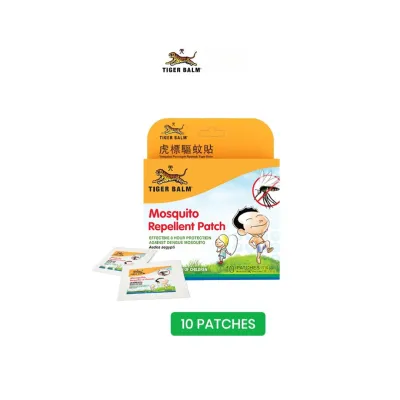
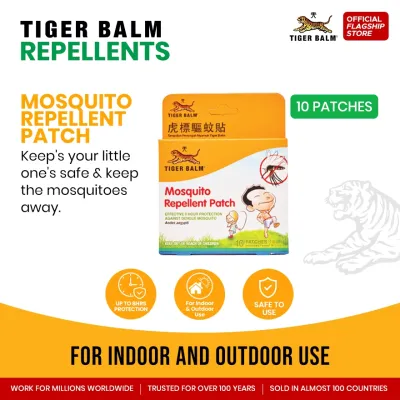
Prices are valid at publication and may change. Please refer to the product page for the latest price.
When evaluating ingredients, parents must exercise extreme caution with patches containing high concentrations of essential oils or synthetic additives. For instance, oil of lemon eucalyptus (OLE) or PMD (para-menthane-3,8-diol) is a highly effective natural repellent, but major health organizations advise against using it on children under three years of age due to a lack of safety data for this specific age group. Similarly, synthetic chemical repellents should never be present in patches designed for direct skin application on infants under two months old.
The primary safety advantage of mosquito patches lies in how they are designed to be used. Unlike lotions or sprays that must be rubbed directly onto the skin, patches are intended to be stuck onto clothing or nearby gear. This application method significantly reduces the risk of transdermal absorption, where the baby’s thin skin absorbs the active ingredients into their bloodstream. However, this safety benefit only holds true if the patch remains strictly on the outer layers of clothing or equipment, completely isolated from direct skin contact.
How to Check if a Mosquito Patch is Safe for Your Infant
Before purchasing any repellent product, including a tiger mosquito patch, caregivers must carefully inspect the packaging for manufacturer age recommendations and warning labels. Many commercial patches are labeled as safe for “all ages,” but a closer reading of the fine print often reveals warnings advising against use on infants under six months or newborns. If a product lacks clear age guidelines or uses vague marketing language, it is best to err on the side of caution and choose a brand that explicitly outlines its safety parameters for infants.

In the Philippines, parents should verify whether a mosquito patch has been registered or evaluated by local regulatory bodies, such as the Food and Drug Administration (FDA). While cosmetic and household hazardous substances are regulated, many imported patches sold on online marketplaces may bypass these safety checks. Look for official registration numbers on the packaging and cross-reference them with public government databases to ensure the product has undergone basic quality and safety assessments. Pediatric testing claims should also be viewed with a healthy dose of skepticism unless backed by verifiable certification from recognized dermatological or pediatric associations.
Another critical factor to evaluate is the adhesive material used on the back of the patch. Even though the patch is meant for clothing, babies frequently twist, roll, and press their bodies against their garments, which can cause the adhesive to touch their skin or leave a sticky residue. Low-quality adhesives can cause contact dermatitis, leading to localized redness, itching, or mild rashes on sensitive baby skin. Opt for patches that use medical-grade, hypoallergenic adhesives, and always test a single patch on an old piece of clothing first to see if the adhesive degrades or transfers easily when exposed to tropical heat and humidity.
Safe Application and Usage Boundaries for Babies
To minimize the risks of skin irritation and inhalation of concentrated vapors, mosquito patches must be applied using strict, low-risk guidelines. The golden rule of infant patch safety is to never apply the patch directly to the baby’s skin. Instead, place the patch on the outer layers of their clothing, preferably in a location they cannot easily see or reach. The upper back or the outer shoulder area of a shirt is often the most secure spot, as it keeps the patch away from the baby’s hands and face while still allowing the scent to disperse effectively.
In addition to clothing, patches can be strategically placed on baby gear such as strollers, infant car seats, or the outer frame of a crib. When applying patches to gear, ensure they are positioned well out of the baby’s reach to prevent choking hazards or accidental ingestion. A curious infant who manages to peel off a patch might easily put it in their mouth, leading to a risk of choking or swallowing concentrated essential oils. Caregivers must maintain constant supervision whenever a patch is active on a baby’s clothing or nearby equipment.
The duration of patch use should also be carefully managed, especially in enclosed spaces. While patches are highly convenient for outdoor strolls, using them in a small, unventilated nursery during naptime can cause essential oil vapors to accumulate to uncomfortable levels. Ensure the sleeping area remains well-ventilated with natural airflow or a fan, and remove the patches once the baby is back indoors or away from mosquito-prone areas. Do not leave patches on clothing overnight while the baby is sleeping unsupervised.
Recognizing Adverse Reactions and When to Stop Use
Even when you follow all safety precautions, babies can still experience adverse reactions to the ingredients or materials in a mosquito patch. Caregivers should regularly monitor the baby’s skin near the application site for visual signs of irritation. If the adhesive or the vapor has penetrated the fabric, you may notice localized redness, a raised rash, or small bumps indicative of allergic contact dermatitis. If any skin changes occur, remove the patch immediately and wash the affected skin gently with mild baby soap and cool water.
Respiratory sensitivity is another common concern when using scented products around infants. Because their airways are highly sensitive, the strong aroma of citronella or eucalyptus can sometimes trigger respiratory distress. Watch for warning signs such as sudden coughing, wheezing, watery eyes, sneezing, or unusual fussiness and irritability after a patch is applied. If your baby exhibits any of these symptoms, immediately move them to a fresh-air environment, remove the patch, and dispose of it safely out of their reach.
If a skin rash does not improve within a day, or if your baby shows persistent signs of respiratory discomfort, consult a pediatrician or visit a local health clinic in your community. Never apply over-the-counter steroid creams or antihistamine lotions to an infant’s skin without direct medical supervision. Keeping a clear record of the product’s ingredient list can help your healthcare provider quickly identify the trigger and recommend the safest course of treatment.
Alternative Dengue Protection Strategies for Infants
Because mosquito patches offer localized protection and can sometimes cause sensitivities, they should never be relied upon as a sole defense against dengue. Implementing physical barriers is one of the safest and most effective ways to protect infants without exposing them to chemical or botanical vapors. A properly fitted, fine-mesh mosquito net designed for cribs, playpens, and strollers is highly effective at keeping mosquitoes away, especially during peak biting hours in the early morning and late afternoon.
Dressing your baby in appropriate clothing provides another layer of reliable, non-chemical protection. Opt for lightweight, long-sleeved shirts and long pants made from breathable fabrics like cotton, which keep the baby cool in the humid tropical climate of the Philippines while minimizing exposed skin. Light-colored clothing is highly recommended, as dark colors tend to attract mosquitoes and make it harder to spot any insects that land on your child’s garments.
Environmental control is crucial for reducing the local mosquito population around your home. Dengue-carrying mosquitoes breed in clean, stagnant water, which can easily accumulate in flower pots, buckets, clogged gutters, and discarded containers during the rainy season. Regularly inspecting your surroundings and emptying any standing water breaks the mosquito breeding cycle, significantly lowering the risk of exposure for your entire household. Combining these physical and environmental strategies with the cautious use of patches ensures a comprehensive, multi-layered approach to baby safety.
Frequently Asked Questions (FAQ)
Can I use a tiger mosquito patch on a newborn?
It is generally not recommended to use a tiger mosquito patch on a newborn baby. Newborns have exceptionally delicate skin and highly sensitive respiratory systems that can easily be overwhelmed by the concentrated essential oils used in these products. Most pediatric guidelines suggest avoiding any scented repellents, even those applied to clothing, during the first few weeks of life. Instead, rely entirely on physical barriers like fine-mesh mosquito nets and protective clothing to keep newborns safe from mosquito bites.
Do mosquito patches actually prevent dengue fever?
Mosquito patches do not directly prevent dengue fever; rather, they help reduce the likelihood of mosquito bites by masking the scents that attract insects. Because patches only provide localized protection and their efficacy can vary based on wind, humidity, and the concentration of active ingredients, they cannot guarantee complete protection against the Aedes mosquito that transmits dengue. To effectively protect your baby, patches should only be used as a supplementary tool alongside physical nets, protective clothing, and environmental mosquito control.
What should I do if my baby puts a mosquito patch in their mouth?
If your baby puts a mosquito patch in their mouth, act quickly but remain calm. Immediately remove the patch from their mouth to prevent choking, and gently wipe the inside of their mouth with a clean, damp cloth to remove any residual adhesive or essential oils. Do not induce vomiting. Monitor your baby closely for signs of choking, difficulty breathing, excessive drooling, or unusual lethargy, and contact a medical professional or a local poison control center immediately for guidance, keeping the product packaging handy so you can read the exact ingredients to the doctor.
Community discussion
Share your experience or ask a question. Comments are reviewed before publication.