
Are Stair Gates Actually Safe for Dogs?
Stair gates, commonly referred to as a pang harang sa hagdan for dog in local households, are highly effective tools for managing your pet’s access to multi-story areas. Whether you live in a modern townhouse in Metro Manila or a traditional family home, keeping your dog off steep steps is crucial for preventing accidental falls and keeping restricted zones secure. However, the safety of these barriers is not automatic; it depends entirely on how well the gate’s design matches your dog’s physical size, strength, and behavioral tendencies.
When correctly selected and installed, a stair gate provides a reliable boundary that protects both your pet and your home. However, using the wrong type of gate can introduce serious hazards. Many homeowners mistakenly assume that any standard baby gate will work for a dog, but pets have different physical capabilities, such as jumping, climbing, and chewing, which can easily compromise a standard infant barrier.
Before purchasing any gate, it is essential to check the manufacturer’s specifications for weight limits, height recommendations, and breed suitability. A gate designed for a small, lightweight puppy will quickly fail if used to contain an energetic, heavy adult dog. Understanding these distinctions is the first step in ensuring your pet’s safety.
Products mentioned in this guide

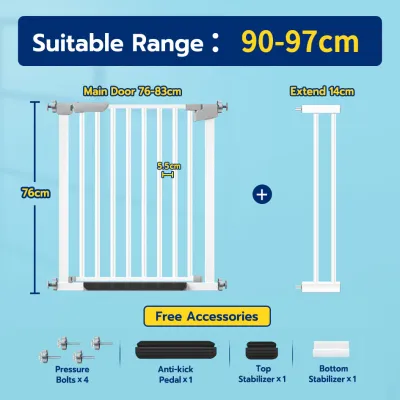

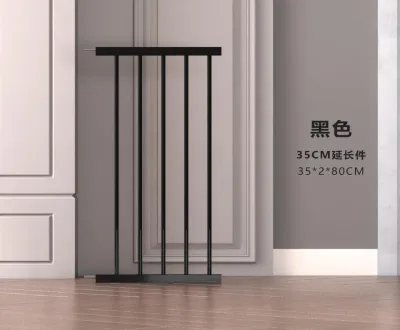
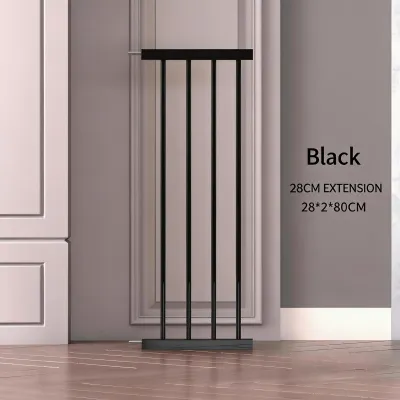
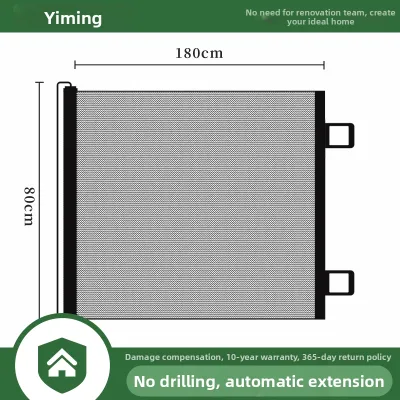
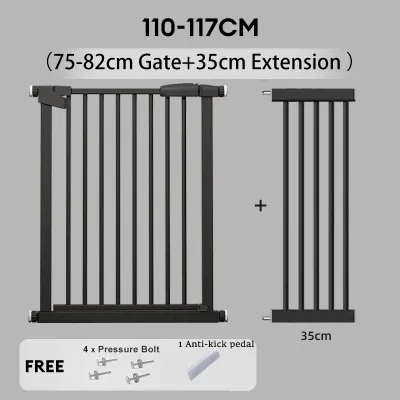
Prices are valid at publication and may change. Please refer to the product page for the latest price.
Potential Safety Risks and Hazards to Monitor
While stair gates are designed to keep your dog safe, improper use or poor design can lead to unexpected injuries. One of the most common hazards is entrapment. Dogs, especially curious puppies or small toy breeds, can easily get their paws, snouts, or even their collars caught in vertical slats, wide mesh gaps, or the clearance space at the bottom of the gate. If a dog panics while trapped, they can suffer severe sprains, fractures, or strangulation.

Structural failure is another major risk, particularly with pressure-mounted gates. These barriers rely on friction against the walls or door frames to stay in place. If a heavy or high-energy dog charges, pushes, or leaps against a pressure-mounted gate, the entire structure can slip, tip over, or collapse. This can cause the dog to fall down the stairs, potentially leading to joint injuries, concussions, or broken bones.
Climbing and jumping hazards are also prevalent among active breeds. Some gates feature horizontal bars or cross-bracing that dogs can use as footholds to climb over. Attempting to scale a gate often results in awkward landings on hard tiled or concrete floors, which are common in many local homes. These falls can cause long-term joint damage or immediate trauma.
Finally, chewing and ingestion hazards must not be overlooked. Dogs often explore their environment with their mouths, and a bored or anxious pet may chew on the gate’s frame. If the gate is made of cheap plastic, treated wood, or low-quality metal with toxic coatings, your dog could swallow sharp fragments or harmful chemicals, leading to severe gastrointestinal blockages or poisoning.
Essential Safety Features to Look for in a Dog Stair Gate
To minimize these risks, you must evaluate specific safety features when choosing a gate. Slat spacing and mesh density are critical for preventing entrapment. For small dogs, the gaps between the vertical slats should be narrow enough that their head cannot pass through. If you have a toy breed, look for gates with solid panels or fine, heavy-duty mesh that prevents paws and noses from getting caught.
The locking mechanism is another vital feature to inspect. Dogs are highly observant and can quickly learn how to open simple latches by nudging them with their noses or pawing at the release buttons. Look for gates that feature dual-action or multi-step locking systems. These require a combination of actions—such as sliding a button while lifting the gate—that are easy for humans to operate but impossible for dogs to replicate.
Base stability and mounting type are crucial for structural integrity, especially depending on where you plan to install the gate. For the top of a staircase, you must always use a hardware-mounted gate that is screwed directly into the wall studs or wooden banisters. Pressure-mounted gates are never safe for the top of the stairs, as they can slip under sudden impact. Save pressure-mounted options for the bottom of the stairs or for separating flat, level rooms.
Material durability is the final pillar of a safe gate. Heavy-duty metal, such as steel or powder-coated aluminum, is the most durable option for large breeds and persistent chewers. If you prefer wood, ensure it is solid hardwood rather than composite material, and verify that any paint or varnish used is non-toxic and lead-free. Avoid lightweight plastic gates, as they lack the structural strength to withstand a dog’s weight and are easily destroyed by chewing.
Matching the Gate to Your Dog's Size and Behavior
Selecting the right gate requires a clear understanding of your dog’s physical traits and daily habits. Height requirements are the first physical dimension to calculate. The gate should be tall enough to discourage any jumping attempts. As a general guideline, the top of the gate should stand significantly higher than your dog’s shoulder height when they are standing on all fours. For high-jumping breeds like Jack Russell Terriers or Border Collies, extra-tall gates are a necessity.
Behavioral adjustments are equally important. If your dog is a known climber, avoid gates with horizontal bars or decorative scrollwork that can serve as ladders. Instead, opt for smooth, vertical slats or solid, smooth-faced panels. For dogs that tend to charge the door or push against barriers when excited, a reinforced metal frame with secure hardware mounting is essential to absorb the impact without shifting.
Width and extension panels must be carefully managed to ensure a secure fit. Measure the width of your staircase opening at both the top and bottom, as walls are often uneven. If your staircase is wide, you may need to purchase extension panels. Always use official extensions from the same manufacturer to ensure a seamless fit. Avoid DIY modifications or mixing brands, as this can create weak points or uneven gaps at the edges where a dog’s paw could get trapped.
Transitioning to gate-free access is a natural part of your dog’s life cycle. As dogs age, they may develop arthritis, hip dysplasia, or vision loss. A stair gate that once kept them safe can become a dangerous obstacle if they try to navigate around it or trip over the bottom threshold bar. Monitor your senior dog’s mobility closely; if they can no longer safely climb stairs, it may be time to restrict access to the ground floor entirely or install a dedicated pet ramp.
Installation and Ongoing Maintenance Checks
Even the highest-quality gate can fail if it is poorly installed or neglected. Before beginning the installation, read the manufacturer’s instructions thoroughly. Verify that your walls or banisters are structurally sound. In tropical climates like the Philippines, high humidity can cause wooden door frames or drywall to swell, warp, or soften over time. This environmental factor can loosen the grip of pressure mounts or cause mounting screws to strip.
Routine stability testing is essential for long-term safety. At least once a week, perform a quick “shake test” by grabbing the gate and giving it a firm push and pull. Check if the pressure pads have slipped on smooth tiled walls or if the mounting screws in the drywall have started to wiggle. If you notice any movement, adjust the tension or tighten the hardware immediately.
Inspecting for wear and tear should be part of your regular home maintenance. Look closely for bent metal slats, rust spots (which can develop quickly in humid coastal areas), cracked plastic connectors, or weakened locking springs. Rust can weaken the metal structure and pose a health hazard if your dog licks or chews on the affected areas.
Knowing when to stop using the gate is critical for your pet’s well-being. If you observe structural compromises that cannot be repaired, such as a cracked frame or a malfunctioning lock, stop using the gate immediately and replace it. Additionally, if your dog’s behavior changes—such as developing a sudden panic around the gate or successfully jumping over it—the current setup is no longer safe, and you must seek an alternative containment solution.
Frequently Asked Questions (FAQ)
Can small dogs get stuck in pressure-mounted stair gates?
Yes, small dogs and toy breeds face a high risk of getting stuck in standard gates. The gaps between vertical slats on many standard baby gates are designed for human infants and can easily accommodate a small dog’s head or body. If a dog attempts to squeeze through, they can get their head trapped, leading to panic and injury. Always measure your dog’s head and chest width before purchasing, and opt for gates with narrow slat spacing (less than 2 inches) or solid mesh panels to ensure they cannot slip through.
Should I use a baby gate or a pet-specific gate for large dogs?
For large or powerful dogs, you should always choose a heavy-duty, pet-specific gate over a standard baby gate. Standard baby gates are typically designed for lower impact forces and may not withstand the weight of a large dog leaning or jumping against them. Pet-specific gates are often constructed with reinforced steel frames, stronger locking mechanisms, and higher weight tolerances. Always check the product packaging for explicit pet weight ratings and structural certifications to ensure the gate can handle your dog’s size and strength.
Community discussion
Share your experience or ask a question. Comments are reviewed before publication.