
When baby-proofing a home, parents often look to a silicone corner guard to soften the sharp edges of coffee tables, TV consoles, and low shelving. High-quality, certified food-grade or medical-grade silicone corner guards are chemically safe and non-toxic for babies who may mouth or chew on them. However, safety is not merely a matter of chemical composition; physical risks present the most significant hazards.
While the raw material itself may be safe, a silicone corner guard can quickly become a hazard if it detaches, tears, or is bitten into small pieces. The primary safety concerns are physical: choking risks from loose parts and the sudden exposure of sharp furniture edges if the adhesive fails. Ensuring your child’s safety requires selecting the correct material grade, executing a flawless installation, and committing to regular maintenance checks.
Material Safety: Is Silicone Non-Toxic When Chewed?
During the teething phase, infants naturally explore their surroundings by mouthing objects to soothe their sensitive gums. This behavior makes the chemical composition of baby-proofing products a top priority for parents. Pure, high-quality silicone is an ideal material for this purpose because it is a highly stable, non-porous polymer. Unlike many plastics, pure silicone does not require chemical plasticizers to remain soft and flexible, meaning it is naturally free from bisphenol A (BPA), phthalates, PVC, and heavy metals such as lead.
Products mentioned in this guide
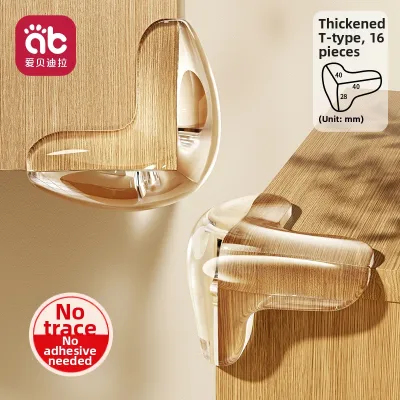

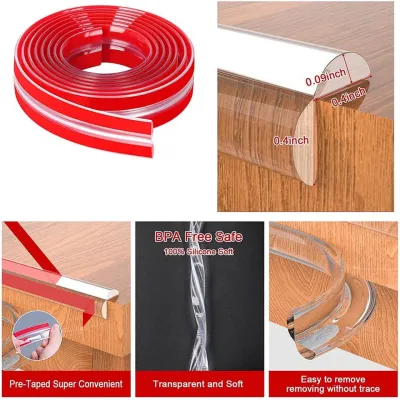
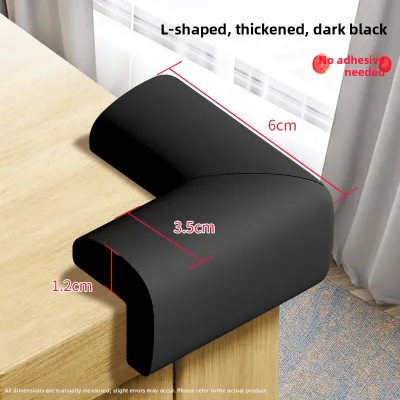
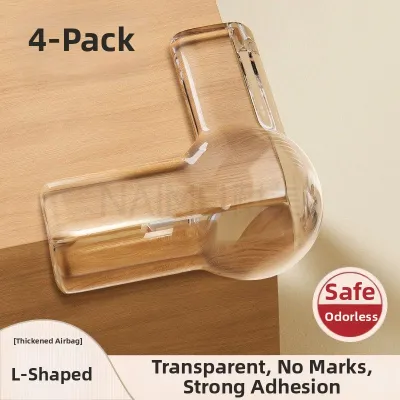
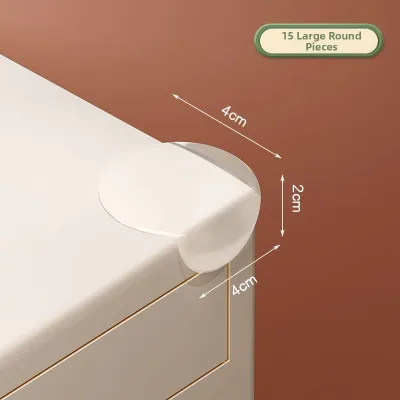
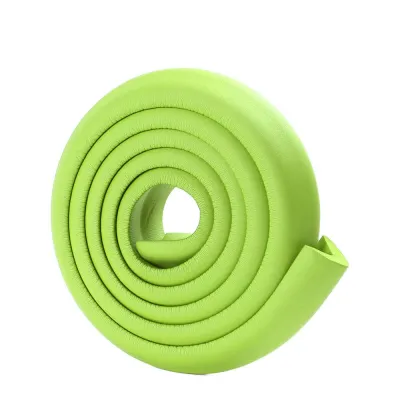
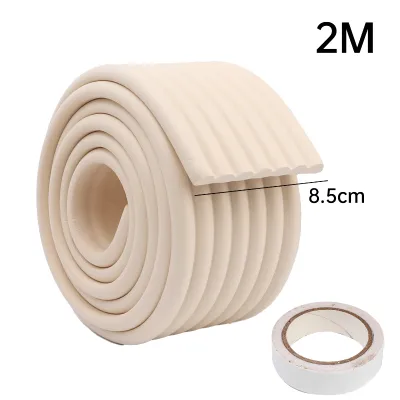
Prices are valid at publication and may change. Please refer to the product page for the latest price.
However, not all silicone products on the market share this level of purity. There is a vast difference between certified food-grade or medical-grade silicone and lower-quality industrial or unverified silicone blends. Industrial-grade silicone or cheap plastic imitations may contain chemical fillers, synthetic dyes, or volatile organic compounds (VOCs) that can leach out when subjected to warm saliva and constant chewing. These low-quality alternatives can pose chemical exposure risks to a developing child.
To protect your baby, you must verify the safety credentials of any corner guard before purchasing. Look closely at the product packaging and the manufacturer’s official specifications for explicit “100% food-grade” or “medical-grade” claims. Reputable brands will often cite compliance with recognized international safety standards, such as those established by the US Food and Drug Administration (FDA) or the European LFGB. Because certifications and safety standards can change, treat these claims as items you must verify directly through the manufacturer’s documentation rather than taking retail listings at face value.
Parents should remain cautious of unbranded or exceptionally cheap products found on online marketplaces. The word “silicone” printed on a product listing or box is not a legal guarantee of purity. If a manufacturer cannot provide clear documentation of their material testing or if the product has a strong chemical odor, it is best to avoid it entirely. Relying on verified, branded safety products is the most reliable way to ensure your baby is not exposed to hidden toxins.
Choking Hazards and Physical Risks to Monitor
While chemical toxicity is a common parental concern, physical dangers represent the more immediate risk when using a silicone corner guard. Teething infants possess surprisingly strong gums and rapidly developing incisors. Over time, persistent chewing can degrade even durable silicone, allowing a baby to tear off small chunks. If a baby manages to bite off a piece of the guard, it poses an immediate choking hazard or a risk of gastrointestinal blockage if swallowed.

Adhesive failure represents another significant physical risk, particularly in tropical climates like the Philippines where high humidity and warmth can accelerate the breakdown of standard glues. If the adhesive backing fails, a baby can easily pull the entire corner guard off the furniture. A detached guard is small enough to be stuffed into a child’s mouth, creating a severe choking hazard. Furthermore, the moment the guard falls off unnoticed, the sharp, hard corner of the furniture is left completely exposed, reintroducing the risk of serious head injuries or lacerations.
Parents must also examine the design of the corner guard for potential small parts. Some products feature multi-piece construction, utilizing hard plastic mounting brackets, separate decorative caps, or small adhesive tabs. If the silicone outer shell separates from these inner components, these small, rigid parts can easily be swallowed. Choosing a simple, unified design minimizes the number of failure points that could endanger your child.
If you suspect your baby has bitten off and swallowed a piece of a silicone corner guard or its adhesive backing, you must act quickly and responsibly. Monitor your child closely for signs of distress, such as coughing, wheezing, difficulty breathing, or unusual drooling. Seek immediate professional medical help or visit the nearest emergency room. Never attempt to induce vomiting or blindly reach into the child’s throat to retrieve the object, as this can push the material further down the airway or cause additional trauma.
How to Choose and Install Guards Securely
Minimizing the physical risks of baby-proofing starts with selecting a high-quality product and installing it with precision. When shopping, prioritize a solid, one-piece silicone corner guard design. Avoid hollow or highly detailed shapes that provide easy handholds or teeth-grips for an inquisitive baby. Ensure the product comes with a high-quality, double-sided adhesive that is specifically formulated for baby-proofing applications and is rated to withstand warm, humid conditions.
Before beginning the installation, proper surface preparation is absolutely essential. Dust, grease, skin oils, and residual furniture polish will severely compromise the adhesive bond, leading to premature failure. Thoroughly clean the furniture corner using a mild soap solution or rubbing alcohol. Always check your furniture manufacturer’s care guidelines first to ensure the cleaning agent will not damage or strip the wood finish, lacquer, or glass. Allow the surface to dry completely before proceeding.
Once the surface is dry, apply the adhesive backing to the silicone guard according to the manufacturer’s instructions. Position the guard precisely over the corner and press down firmly. Apply continuous, heavy pressure across all sides of the guard for at least 30 seconds to activate the pressure-sensitive adhesive. After application, allow the adhesive to cure completely. Most manufacturers specify a curing time of 24 hours, during which you must keep the baby away from the area to prevent any early pulling or wiggling that could ruin the bond.
After the recommended curing period has passed, perform a manual pull-test. Give the corner guard a firm tug from several angles to verify that it is securely bonded to the furniture. If the guard moves, lifts, or peels away easily, the installation has failed. In such cases, remove the guard, clean off the adhesive residue, and reapply using a fresh adhesive strip, or consult the manufacturer for alternative mounting solutions. Never leave a partially bonded guard in place, as a baby will quickly exploit the loose edge.
Maintenance: When to Inspect and Replace Guards
Baby-proofing is an ongoing process that requires regular maintenance to remain effective. Establish a weekly inspection routine to examine every silicone corner guard in your home. Physical wear, environmental factors, and curious hands will inevitably take a toll on the materials over time, making routine checks your best defense against unexpected failures.
During your weekly checks, look for specific, observable signs of material degradation. Replace the corner guard immediately if you notice any of the following issues:
- Discoloration or cloudiness: This can indicate that the silicone is breaking down due to UV exposure or chemical contact.
- Stickiness or tackiness: A sticky texture on the silicone surface suggests polymer degradation, often accelerated by tropical humidity.
- Bite marks or punctures: Visible indentations from teeth indicate the material's structural integrity is compromised.
- Tears, cracks, or thinning: Any physical split can quickly expand into a loose piece that a baby can tear off.
- Lifting or peeling edges: If the guard is pulling away from the furniture, the adhesive has failed and the guard must be re-secured or replaced.
When it is time to replace a damaged guard or remove them permanently, take care to protect your furniture. Check the furniture manufacturer’s guidelines for adhesive removal to avoid damaging delicate wood veneers, paint, or glass finishes. Gently warming the adhesive with a hair dryer on a low, warm setting can help soften the glue for easier peeling, provided the furniture material can safely tolerate mild heat. Clean any remaining sticky residue thoroughly with a safe, mild cleaner so it does not attract dirt or entice your baby to chew on the spot.
As your child grows, their physical capabilities and spatial awareness will naturally improve. Around the age of two to three years, most toddlers develop better balance, coordination, and an understanding of physical boundaries, which gradually reduces the need for sharp-edge barriers. Observe your child’s developmental milestones and consult with your pediatrician if you have questions about when it is safe to transition away from physical home baby-proofing measures.
Frequently Asked Questions (FAQ)
Can babies get sick from chewing on silicone corner guards?
If the corner guard is made from verified, high-quality food-grade silicone, the material itself is biologically inert and will not leach toxic chemicals or cause illness when chewed. However, health risks can quickly arise if the product is a low-quality imitation containing unverified plasticizers, heavy metals, or chemical dyes. Additionally, if a baby swallows a torn piece of silicone, it can cause a physical gastrointestinal blockage, which is a serious medical emergency.
What should I do if my baby swallows a piece of a silicone corner guard?
If you suspect or witness your baby swallowing a piece of silicone or adhesive, remain calm and immediately assess their airway. If the child is coughing, choking, or having difficulty breathing, seek emergency medical services right away. If the child seems fine, contact your pediatrician immediately for professional advice. Do not attempt to induce vomiting or insert your fingers into the child’s throat, as this can accidentally push the object further down and block the airway.
Are clear silicone guards safer than colored ones?
Safety is determined by the purity of the material grade and its certifications, not its color. Clear silicone guards do not contain color pigments, which eliminates the risk of low-quality dyes, but they can turn yellow or cloudy over time, sometimes making physical degradation harder to spot. Colored guards are perfectly safe as long as the manufacturer explicitly certifies the use of non-toxic, food-safe pigments. Always prioritize verified material certifications over aesthetic choices.
Community discussion
Share your experience or ask a question. Comments are reviewed before publication.