
When babies reach the teething stage, they explore their environment primarily with their mouths. If you have recently installed corner protectors to cushion sharp furniture edges, you might quickly find your little one leaning down to chew on them. Whether these rubber corner protectors are safe for a mouthing baby depends entirely on their material composition, manufacturing standards, and the absence of toxic chemical plasticizers.
Many products marketed broadly as “rubber” are actually made of polyvinyl chloride (PVC) or synthetic rubber blends that may contain harmful chemical additives. Conversely, high-quality protectors made from food-grade silicone offer a much safer alternative for curious babies. Before allowing your child near any baby-proofing installation, it is crucial to verify the product’s material labels, avoid unbranded items from unverified online marketplaces, and establish a routine to inspect the physical integrity of the guards daily.
Material Differences: Silicone vs. Standard Rubber and PVC
To make informed decisions, parents must understand that “rubber” is often used as a generic marketing term covering several distinct materials. Food-grade silicone is widely considered the preferred choice for items that babies might put in their mouths. This material is highly stable, resistant to temperature fluctuations, and does not require chemical plasticizers to remain soft and flexible. Because of these properties, food-grade silicone is the standard material used in baby pacifiers, bottle nipples, and teething toys.
Products mentioned in this guide
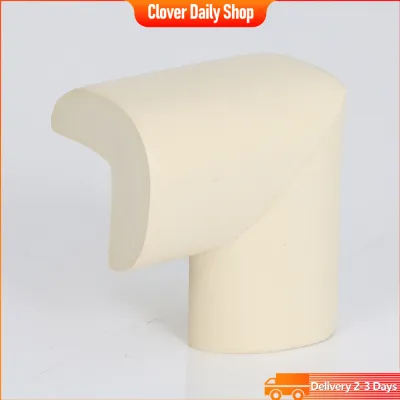
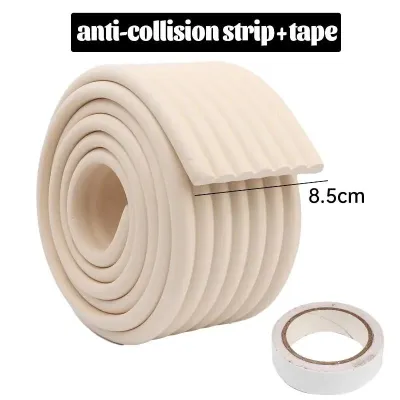
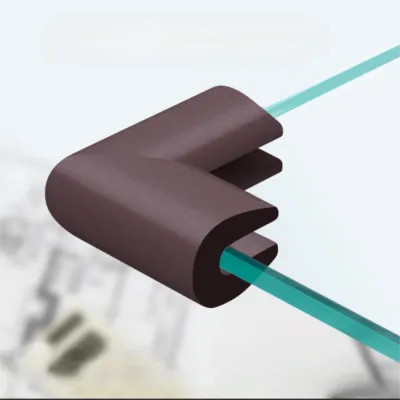
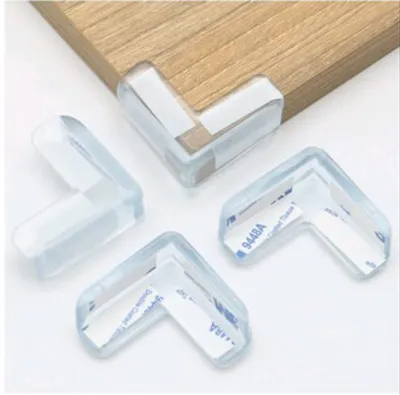
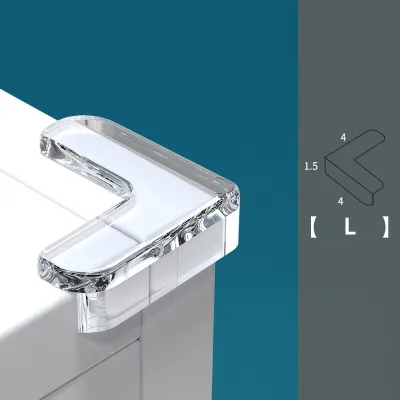
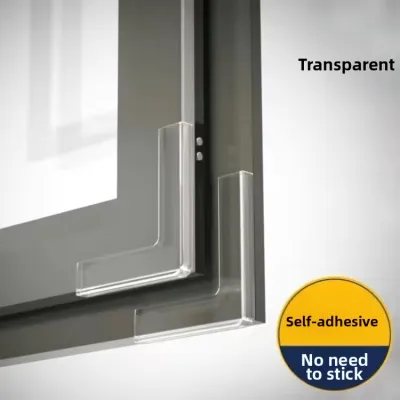
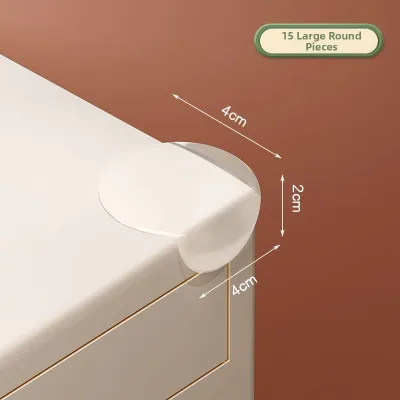
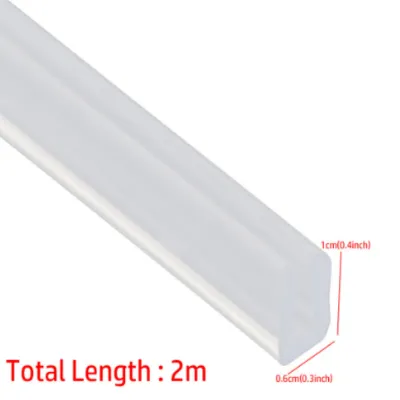
Prices are valid at publication and may change. Please refer to the product page for the latest price.
In contrast, standard synthetic rubber and PVC (polyvinyl chloride) are frequently used in budget-friendly corner guards. PVC is naturally rigid and requires the addition of chemical softeners, such as phthalates, to make it pliable and cushioning. Synthetic rubbers may also contain volatile organic compounds (VOCs) and chemical residues from the manufacturing process. In a warm, humid tropical climate, these chemical additives can sometimes migrate to the surface of the material more rapidly, presenting a direct ingestion risk if a baby chews on them.
Parents can perform several simple visual and tactile checks at home to help differentiate these materials:
- The Odor Test: Unpack the corner protectors and smell them. A strong, sweet, gasoline-like, or highly chemical odor is a common indicator of low-grade PVC or synthetic rubber. Food-grade silicone is typically odorless.
- The Stress Test: Bend or pinch the material firmly. If the bent portion turns white or shows discoloration under tension, it often indicates the presence of plastic fillers or low-quality PVC. Pure silicone generally retains its color when stretched or bent.
- The Surface Feel: Touch the surface of the protector. Low-quality synthetic rubbers can sometimes feel greasy, sticky, or leave a powdery residue on your fingers, especially when exposed to indoor humidity. High-quality silicone feels smooth, dry, and consistent.
Key Safety Certifications and Labels to Verify
Because you cannot determine chemical safety through sight and touch alone, verifying official product certifications is a vital step in baby-proofing. When shopping for corner protectors, look closely at the packaging for explicit chemical-free claims. Safe products should clearly state that they are free from bisphenol A (BPA), phthalates, lead, and heavy metals. These toxic substances are known to pose developmental risks to infants, making their absence a non-negotiable requirement for any item placed within a baby’s reach.

Beyond basic marketing claims, look for recognized toy safety and food-contact standards on the packaging. These include ASTM F963 (the standard consumer safety specification for toy safety in the United States), EN71 (the European safety standard for toys), or compliance with FDA food-contact regulations. Because certifications and safety standards can change, treat these labels as items you must actively verify. You can do this by checking the manufacturer’s official website or contacting their customer support to request copies of their third-party laboratory test reports.
Be highly cautious when browsing online marketplaces or e-commerce platforms. Unbranded, suspiciously cheap corner protectors—often sold in bulk packages for under ₱100—frequently bypass rigorous safety testing. These products rarely carry genuine certification labels and may use industrial-grade adhesives and plastics that are unsafe for oral contact. Investing in reputable, transparent brands that openly publish their material safety data sheets is a necessary step to protect your teething child.
Choking Hazards and Physical Safety Risks
While chemical toxicity is a major concern, physical hazards are often more immediate when a baby begins chewing on furniture guards. The primary physical risk is choking. If a baby has developing teeth, they can exert surprising biting pressure. Over time, aggressive chewing can tear or puncture soft rubber or foam protectors, allowing small pieces to break off. If a baby swallows these detached fragments, it can lead to airway obstruction or internal digestive blockages.
Another significant physical hazard is adhesive failure. Baby saliva contains enzymes and moisture that can rapidly break down standard double-sided tapes. As a baby drools and chews on the corner guard, saliva seeps underneath the material, weakening the bond. Once the adhesive fails, the baby can easily pull the entire protector off the furniture. This not only exposes the sharp wooden or glass corner underneath but also turns the loose protector itself into a severe choking hazard.
To mitigate these physical risks, caregivers must implement a strict daily inspection routine:
- Inspect for Tears: Run your fingers over each corner protector daily to check for bite marks, punctures, or small tears in the material.
- Test the Adhesive Bond: Give each guard a firm, gentle tug to ensure it remains securely anchored to the furniture surface.
- Clean Saliva Buildup: Wipe down the protectors with a clean, damp cloth daily to remove dried saliva, sweat, and dust, which can degrade both the material and the adhesive over time.
- Supervise Playtime: Remember that corner protectors are passive safety aids and are never a substitute for active adult supervision. If you notice a protector starting to peel or tear, remove it immediately.
How to Choose and Install Safe Corner Protectors
Selecting the right corner protectors involves matching the product to your specific furniture, your baby’s developmental stage, and your home environment. Always consult the manufacturer’s product documentation to verify the recommended age range, weight limits (if applicable to safety gates or heavy guards), and specific installation instructions. Reputable manufacturers will clearly state whether their products are suitable for teething infants and will provide detailed warnings regarding potential misuse.
Proper installation is critical to preventing the physical hazards of loose guards. To ensure a long-lasting, saliva-resistant bond, follow these steps:
- Clean the Surface: Thoroughly clean the furniture corner using mild soap and water or rubbing alcohol. This removes dust, household oils, and furniture wax that prevent adhesives from sticking. Avoid using heavy chemical cleaners that could leave toxic residues behind.
- Dry Completely: Ensure the surface is entirely dry before applying the adhesive. In warm, humid tropical climates, moisture can easily trap itself under the tape, severely compromising the initial bond.
- Apply Firm Pressure: Press the corner protector firmly onto the clean surface for at least 30 seconds to activate the pressure-sensitive adhesive.
- Allow to Cure: Keep your baby away from the newly installed protectors and allow the adhesive to cure for the full duration recommended by the manufacturer—typically 24 hours. Allowing the bond to fully cure before it is subjected to pulling or saliva is the best way to prevent premature failure.
When to Replace or Remove Corner Protectors
Corner protectors are not permanent fixtures and must be replaced or removed as conditions change. You should replace the guards immediately if you observe any signs of material degradation. In humid environments, low-quality plastics and rubbers can break down faster, becoming sticky, discolored, brittle, or emitting a renewed chemical odor. Any sign of tearing, cracking, or peeling adhesive is an immediate cue to discard the product.
Your baby’s developmental stage also dictates when to remove these safety aids. As babies transition from crawling to standing, and eventually to climbing, their physical strength increases. A toddler who can stand or climb may use corner protectors as footholds or pull on them with enough force to rip them off, regardless of the adhesive strength. At this stage, the protectors may pose a greater hazard than the furniture corners themselves.
When it is time to remove the protectors, you must do so safely without leaving toxic residues within your child’s reach. To remove stubborn adhesive:
- Apply Gentle Heat: Use a hair dryer on a low, warm setting to soften the adhesive backing before gently peeling the protector away.
- Use Safe Solvents: Avoid harsh industrial chemical adhesive removers. Instead, apply a small amount of baby oil, coconut oil, or vegetable oil to the remaining residue and let it sit for a few minutes.
- Scrape and Clean: Gently scrape the softened residue away using a plastic card or a soft cloth. Once clean, wash the area with mild soapy water to remove any oily residue, ensuring the furniture is safe if your baby decides to touch or lick it.
Frequently Asked Questions (FAQ)
Can I use regular household rubber bands or DIY materials as corner protectors?
No, you should never use household rubber bands, industrial foam, or DIY craft materials as corner protectors. Standard household rubber bands are made of vulcanized rubber, which often contains chemical accelerators, sulfur, and artificial colorants that are highly toxic if placed in a baby’s mouth. Furthermore, these materials degrade rapidly, brittle easily, and present an extreme choking hazard. Only use products specifically designed, tested, and certified for baby safety in your home.
What should I do if my baby bites off and swallows a piece of a corner protector?
If you suspect your baby has bitten off and swallowed a piece of a corner protector, act immediately. First, check your baby’s mouth and airway for any visible blockages or remaining loose pieces. If your baby is coughing, gasping, wheezing, or showing any signs of breathing difficulty, perform infant first aid for choking if trained, and seek emergency medical care immediately. If the baby swallowed the piece without choking, contact your pediatrician or a medical professional for guidance. Keep the remaining portion of the corner protector so you can show the medical team exactly what material and size your baby ingested.
Community discussion
Share your experience or ask a question. Comments are reviewed before publication.