
Postpartum recovery is a deeply personal and physically demanding journey, during which comfort becomes a top priority. For many new mothers, postpartum cooling pads offer a welcome sense of relief from the soreness, swelling, and overall discomfort that follow childbirth. However, if you have sensitive skin, introducing any new topical product to highly delicate areas requires careful consideration. While these cooling pads are generally well-tolerated by most individuals, their safety is not universal. It depends heavily on your unique skin reactivity, the specific ingredients used in the product formulation, and the current state of your skin barrier.
During the postpartum period, your body undergoes rapid hormonal shifts, including a dramatic drop in estrogen levels. This hormonal transition can temporarily compromise your skin’s natural moisture barrier, making it far more susceptible to dryness, irritation, and localized inflammation. Furthermore, the physical trauma of childbirth—whether from stretching, micro-tears, or surgical interventions—leaves the perineal and abdominal tissues highly sensitive and easily compromised. In a warm and humid tropical climate, such as in the Philippines, managing this recovery requires extra vigilance, as persistent moisture and heat can exacerbate skin friction and increase the likelihood of irritation.
To protect your healing body, it is essential to distinguish between standard cooling pads and those specifically formulated for sensitive skin. Standard options may contain active cooling agents or botanical extracts that, while refreshing for some, can trigger intense stinging or allergic contact dermatitis in others. By understanding how these products interact with your skin barrier and learning how to identify potential irritants, you can safely navigate your postpartum recovery with confidence and comfort.
Products mentioned in this guide
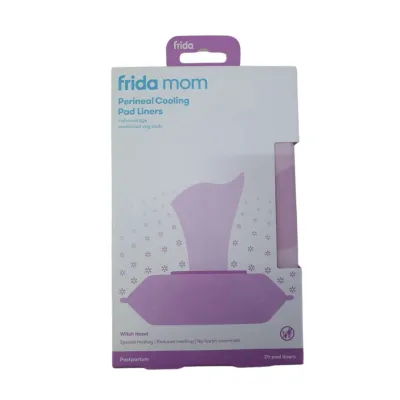
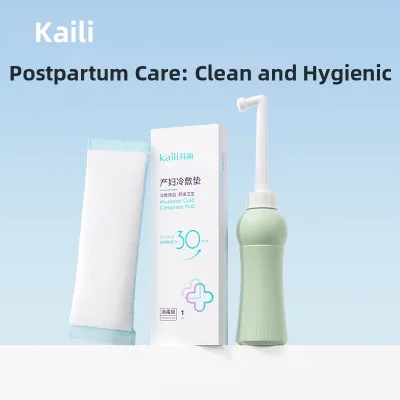
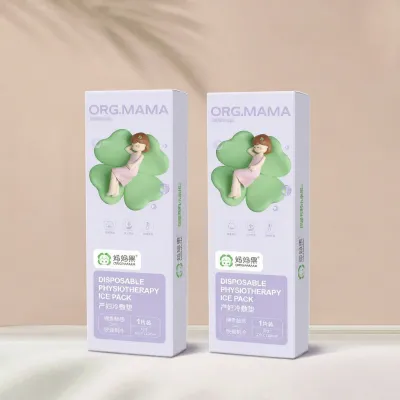
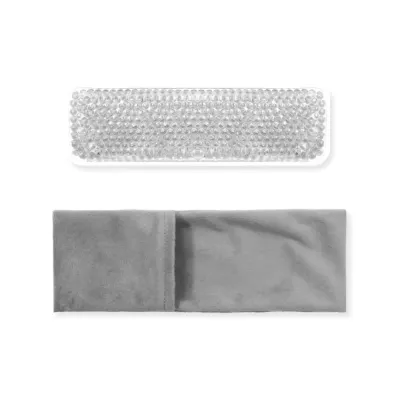
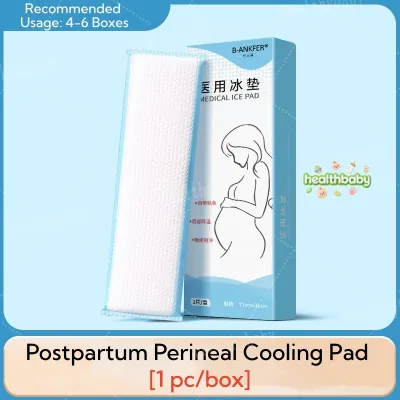
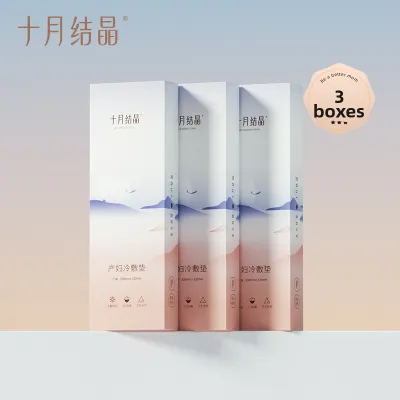
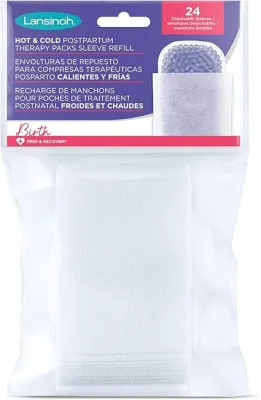
Prices are valid at publication and may change. Please refer to the product page for the latest price.
Understanding Postpartum Cooling Pads and Sensitive Skin
Postpartum cooling pads are designed to deliver targeted, localized relief to tissues that have experienced intense physical stress during labor and delivery. These pads typically work through chemical cooling agents, pre-moistened herbal solutions, or gel-based structures that retain cold temperatures. While the primary goal is to soothe discomfort, the physiological state of your postpartum body means that your skin is uniquely vulnerable to external substances. The skin barrier in the perineal and pelvic regions is naturally thin, and the physical trauma of childbirth further reduces its ability to act as a protective shield.
When the skin barrier is compromised, topically applied ingredients can penetrate deeper and more rapidly than they would under normal circumstances. This heightened permeability is why a product that caused no issues on your skin before pregnancy might suddenly trigger a reaction during your postpartum recovery. Additionally, the fluctuating hormones that facilitate your body’s transition after birth can alter your skin’s pH levels and sebum production, leading to unexpected sensitivity even if you have never previously identified as having sensitive skin.
Choosing the right type of cooling pad involves looking beyond attractive packaging and focusing on the formulation. Standard cooling pads often prioritize immediate, intense cooling sensations, sometimes utilizing strong synthetic cooling agents or high concentrations of essential oils. For sensitive skin, these intense formulations can easily overwhelm the compromised tissue, leading to a painful burning sensation rather than the intended relief. Conversely, pads formulated specifically for sensitive skin tend to utilize minimalist ingredient profiles, avoiding common sensitizers and focusing on maintaining a balanced pH that supports the skin’s natural healing processes.
Identifying Irritants and Potential Skin Reactions
To safeguard your sensitive skin during postpartum recovery, becoming an active reader of product ingredient labels is one of the most effective steps you can take. Many cooling pads rely on active ingredients to create a refreshing sensation, but some of these components are notorious for causing adverse skin reactions. Menthol and camphor, for example, are frequently used for their rapid cooling effects, yet in high concentrations, they can cause severe stinging, redness, and even chemical irritation on broken or highly sensitive skin. Similarly, drying alcohols, often added to help formulations dry quickly or act as solubilizers, can strip away the skin’s remaining moisture, leading to painful cracking and delayed healing.

Artificial fragrances and synthetic dyes are other common culprits that serve no therapeutic purpose but carry a high risk of triggering allergic contact dermatitis. Even certain preservatives, which are necessary to prevent bacterial growth in pre-moistened pads, can be highly irritating to sensitive individuals. When evaluating products on online marketplaces or at local pharmacies, look for clear labels indicating that the product is hypoallergenic, fragrance-free, or dermatologist-tested. However, remember that these marketing terms are not universally standardized, making it vital to cross-reference these claims with the actual ingredient list to ensure they do not contain any substances you know you are sensitive to.
An adverse reaction to a postpartum cooling pad can manifest in several ways, and recognizing these signs early is crucial for preventing further tissue damage. You might experience localized redness, persistent itching, swelling, or a distinct stinging sensation that does not subside after a few minutes. In more severe cases, contact dermatitis can present as small bumps, hives, or even localized blistering. Because the perineal area is already tender and healing, distinguishing between normal postpartum soreness and a product-induced skin reaction requires paying close attention to how your skin feels immediately after application and in the hours that follow.
Essential Precautions for Safe Usage
Implementing a few practical precautions can significantly reduce the risk of skin irritation and ensure that your use of postpartum cooling pads remains safe and hygienic. Before applying any new cooling pad to your highly sensitive perineal or abdominal areas, performing a patch test is a highly recommended safety measure. Since you cannot easily test the target area directly, apply a small amount of the pad’s liquid formulation, or cut a tiny portion of the pad itself, and place it on a less sensitive area of skin, such as your inner thigh or inner arm. Leave it in place for a short period and monitor the spot over the next twenty-four hours for any signs of redness, itching, or swelling. If your skin remains clear, the product is much more likely to be tolerated.
Paying close attention to usage duration and frequency is equally critical for maintaining skin integrity, especially in warm and humid climates. Leaving a damp cooling pad in place for longer than the manufacturer recommends can trap excessive moisture against your skin. This prolonged exposure to wetness can lead to skin maceration, a condition where the skin softens, turns white, and breaks down, making it highly susceptible to friction, tearing, and opportunistic bacterial or fungal infections. Always adhere strictly to the manufacturer’s guidelines regarding how long to wear each pad and how often to replace them throughout the day.
Hygiene and application boundaries are the final pillars of safe usage. Before applying a cooling pad, ensure the target area is thoroughly clean and gently patted dry with a soft, clean towel or a dedicated squeeze bottle filled with clean water. Avoid rubbing the area, as friction can worsen micro-tears and drive irritants deeper into the skin. Crucially, do not apply cooling pads directly to open wounds, severe tears, or surgical incisions unless you have received explicit approval from your healthcare provider. If you are budgeting for these recovery essentials, comparing the cost per pack (measured in ₱) across reputable local pharmacies and e-commerce platforms can help you find a high-quality, sensitive-skin-friendly option that fits your budget without compromising on safety.
When to Stop Use and Seek Professional Help
While postpartum cooling pads are intended to provide comfort, knowing when to stop using them is vital for your health and safety. You should immediately discontinue use if you experience worsening pain, severe burning, blistering, or significant swelling after application. These symptoms are clear indicators that the product is either too harsh for your skin barrier or has triggered an allergic reaction. Additionally, keep a close watch for signs of infection, which can include unusual or foul-smelling discharge, localized warmth, extreme tenderness, or a fever. These symptoms require prompt medical evaluation rather than continued self-treatment.
It is important to distinguish between the expected, temporary cooling sensation of a pad and the painful warning signs of a compromised skin barrier or chemical burn. A safe cooling sensation should feel soothing, mild, and gradually fade without leaving behind a lingering ache or throbbing pain. If, instead, the application causes an intense, sharp sting that makes you want to remove the pad immediately, trust your body’s signals and take it off right away. Wash the area gently with clean, lukewarm water to remove any remaining product residue.
If you have a history of severe contact dermatitis, eczema, or complex postpartum healing, consult your obstetrician, midwife, or dermatologist before introducing any cooling pads into your recovery routine. Your healthcare team can provide personalized guidance based on the specific details of your delivery and your skin history. Never hesitate to reach out to a professional if a skin reaction persists or worsens after you have stopped using the product, as timely medical advice can prevent complications and ensure your postpartum recovery remains on a safe, healthy track.
Frequently Asked Questions (FAQ)
Can I use postpartum cooling pads if I had an episiotomy or perineal tearing?
You must obtain explicit medical clearance from your obstetrician or midwife before applying any topical product or cooling pad near sutures, significant tears, or surgical sites. Stitches require a clean, dry, and undisturbed environment to heal properly, and introducing external moisture or active ingredients prematurely can interfere with this process or increase the risk of infection. Additionally, understand the practical difference between applying a cooling pad directly to the skin versus placing it on top of your maternity pad or underwear. Using a barrier, such as a layer of breathable cotton underwear, can reduce direct contact and minimize the risk of irritation, but professional guidance remains essential for any compromised tissue.
Are witch hazel and aloe vera cooling pads safer for sensitive skin?
While plant extracts like witch hazel and aloe vera are widely marketed as natural and soothing, they are not guaranteed to be safe for everyone. Natural ingredients can still cause allergic reactions or contact dermatitis, particularly on sensitive or healing postpartum skin. When choosing these products, it is crucial to check the ingredient list for added alcohols, harsh astringents, or synthetic preservatives. Some commercial witch hazel formulations contain high percentages of isopropyl alcohol, which can counteract the soothing properties of the plant and severely dry out or irritate your skin. Opt for alcohol-free, minimalist formulations and perform a patch test to verify compatibility.
How should I store postpartum cooling pads to maintain their safety?
To maintain the safety and efficacy of your postpartum cooling pads, always follow the manufacturer’s specific storage instructions. Some products are designed to be stored at room temperature, while others can be refrigerated to enhance their cooling effect; however, you should never freeze them unless the packaging explicitly states it is safe to do so, as extreme cold can cause thermal injury to delicate skin. Always check the expiration date before use and inspect the individual packaging for any signs of damage, punctures, or leaks. Damaged packaging can compromise the sterility of the pads, making them unsafe for use on sensitive or healing tissues.
Community discussion
Share your experience or ask a question. Comments are reviewed before publication.