
Determining whether Poonsoft wipes are suitable for your baby’s sensitive skin requires a careful look at their specific product labels, ingredients, and how they perform in daily use. While these wipes are widely available on popular ecommerce platforms in the Philippines, no single wipe brand is universally perfect for every infant. Sensitive skin reacts uniquely to different materials, moisture levels, and chemical formulations, especially in warm and humid tropical climates. To make an informed purchase decision, you must know how to evaluate the packaging, identify potential irritants, and perform a safe home test before incorporating them into your daily diapering routine.
Key Criteria for Sensitive Skin Wipes
When evaluating any baby wipe for sensitive skin, the first line of defense is understanding what goes into the product. Sensitive skin has a compromised barrier that easily permits the entry of irritants, leading to redness, dryness, and discomfort. Therefore, the baseline criteria for a safe baby wipe must prioritize chemical simplicity and physical gentleness.
Look for explicit label indicators such as “fragrance-free,” “alcohol-free,” and “paraben-free.” Fragrances are among the most common triggers for allergic contact dermatitis in infants. Even natural fragrances or essential oils can cause adverse reactions on delicate skin. Alcohol, specifically simple alcohols like ethanol or isopropyl alcohol, can strip the skin of its natural oils, leading to severe dryness and irritation. Parabens, used as preservatives, are also widely avoided by parents seeking to minimize exposure to potentially sensitizing chemicals.
Products mentioned in this guide
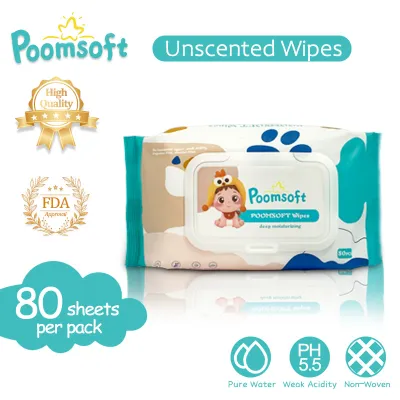
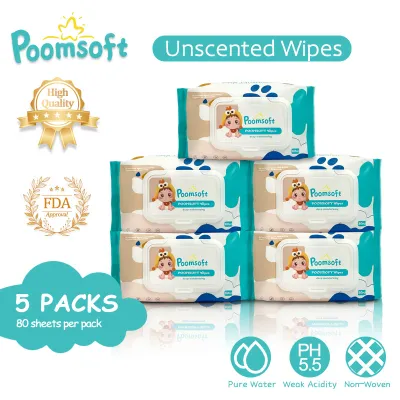
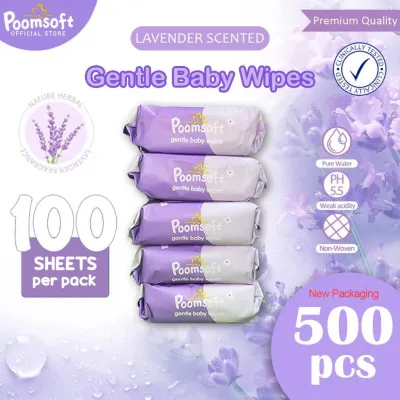
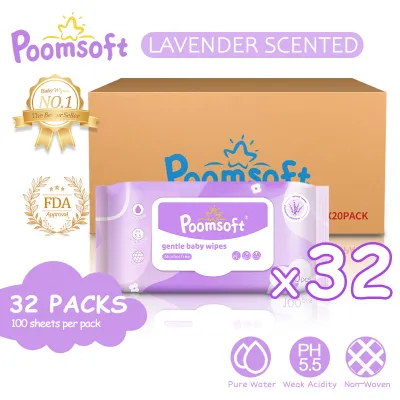
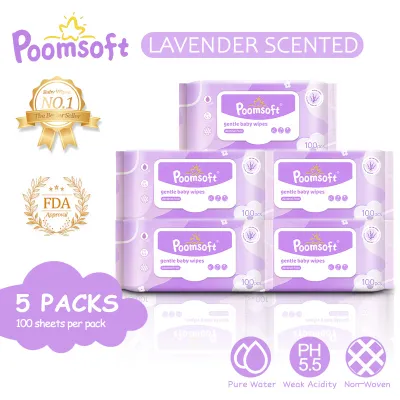
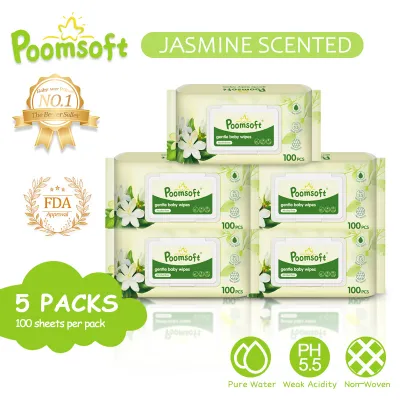
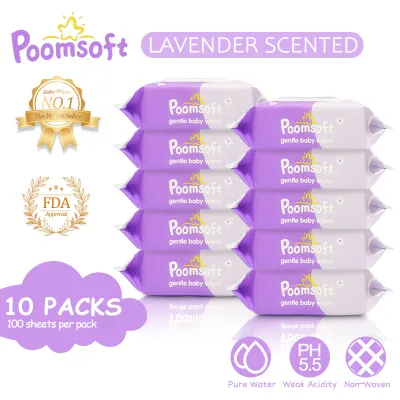
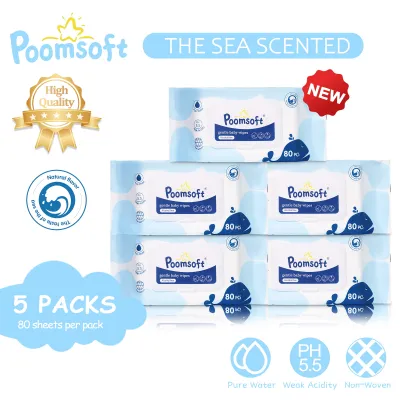
Prices are valid at publication and may change. Please refer to the product page for the latest price.
Beyond these common claims, you must scrutinize the preservative system used in the wipes. Because baby wipes are wet and stored in warm environments, they require preservatives to prevent the growth of harmful bacteria and mold. However, some preservatives are safer than others. Avoid wipes containing methylisothiazolinone (MI) or formaldehyde-releasing preservatives, as these are highly documented skin sensitizers. Instead, look for milder food-grade preservatives or organic acids, which serve the same protective function with a lower risk of skin irritation.
The physical characteristics of the wipe are just as important as the liquid formulation. In the Philippines, the tropical heat and high humidity can cause babies to sweat frequently, making their skin folds more susceptible to friction and chafing. A sensitive skin wipe should have a soft, non-abrasive texture that cleanses effectively without requiring harsh scrubbing. The thickness of the sheet determines how well it cushions the skin during wiping, while the moisture level must be balanced—too dry, and the friction increases; too wet, and excess moisture can trap sweat and urine against the skin, promoting fungal infections.
How to Check Poonsoft Wipe Labels and Ingredients
To determine if Poonsoft wipes are a safe choice for your baby, you must look past the front-of-pack marketing and conduct a thorough inspection of the actual ingredient list. Marketing terms like “hypoallergenic” or “gentle” are not strictly regulated, meaning they do not guarantee that a product will not cause a reaction. The true safety profile of the wipe lies in the fine print on the back of the packaging.

Start by locating the ingredient list on your Poonsoft wipe package. If you are purchasing online through local ecommerce platforms, do not rely solely on the product description or promotional images. Sellers often use generic descriptions that may not reflect the exact formulation of the batch you receive. Request a clear photo of the back of the pack from the seller, or check the official brand store listings for a complete, transcribed ingredient list.
Once you have the list, cross-reference the front-of-pack claims with the actual ingredients. For example, if the packaging claims the wipes are “99% pure water,” verify what constitutes the remaining 1% of the formulation. This remaining fraction typically contains the preservatives, surfactants, and conditioning agents. Ensure that these ingredients do not include harsh chemicals, synthetic fragrances, or drying alcohols.
It is also crucial to check for specific variant differences within the Poonsoft product line. Brands often manufacture multiple versions of their wipes, such as a “pure water” variant, an “aloe vera” variant, or a scented option. A variant containing botanical extracts like chamomile or aloe vera might sound beneficial, but these natural additives can occasionally trigger allergic reactions in babies with extremely sensitive skin or eczema. If your baby has a history of skin allergies, opting for the simplest pure water variant is generally the safest approach.
Additionally, pay attention to the manufacturing and expiration dates printed on the packaging. In warm, humid climates, the shelf life of opened baby wipes can be shorter than expected. If a package has been sitting in a hot warehouse or delivery truck for an extended period, the preservative system may degrade, increasing the risk of bacterial contamination. Always check that the packaging is completely sealed and shows no signs of bloating or leakage before purchase.
Safe Testing and Monitoring for Irritation
Even if a pack of Poonsoft wipes passes your ingredient inspection, you should never use them immediately for full-body or diaper-area cleaning. Introducing any new skincare product to a baby with sensitive skin requires a cautious, step-by-step testing protocol to prevent widespread irritation or allergic reactions.
Begin by conducting a preliminary patch test on a small, discreet area of your baby’s skin. The inner forearm or the upper thigh are ideal locations for this test, as these areas are easily monitored and less prone to immediate friction. Gently wipe a small patch of skin with a single Poonsoft wipe and allow the liquid to dry naturally. Do not wash the area immediately.
Monitor the test site closely over the next 24 to 48 hours. Look for visual signs of irritation, such as localized redness, tiny raised bumps, dry or flaky patches, or swelling. Pay attention to your baby’s behavior as well; if they scratch, rub, or show signs of discomfort in that specific area, it may indicate itching or burning that is not yet visually prominent.
If you observe any adverse reaction during this monitoring period, stop using the wipes immediately. Wash the affected area gently with cool, plain water to remove any remaining residue, and do not apply any other new products. Discard the remaining wipes or repurpose them for non-skin cleaning tasks around the house. If the redness or irritation persists, spreads, or is accompanied by blisters or broken skin, consult your pediatrician or a pediatric dermatologist immediately, bringing the wipe packaging with you so the doctor can review the ingredient list.
Remember that skin sensitivity can develop over time. A product that seems fine during the first few days of use can eventually trigger a reaction after repeated exposure. Continue to observe your baby’s skin during the first two weeks of using any new wipe brand, paying close attention to the diaper area, skin folds, and any areas where sweat tends to accumulate.
Comparing Poonsoft with Alternative Wipe Options
When deciding whether to stick with Poonsoft wipes or choose another brand, a structured comparison can help you balance skin safety, physical performance, and your household budget. Evaluating these factors systematically ensures you do not compromise your baby’s comfort for convenience.
First, compare the ingredient simplicity of Poonsoft wipes against other sensitive-skin brands available in the Philippines. A shorter ingredient list generally translates to a lower risk of contact dermatitis. Next, assess the physical durability and moisture retention of the wipes. A high-quality wipe should remain moist from the first sheet to the last in the pack, even when stored in warm tropical conditions. It should also be strong enough not to tear or stretch excessively during use, which can lead to messy cleanups and increased skin contact with waste.
To evaluate the financial value, calculate the cost per wipe rather than comparing the overall pack prices. Take the total price of the pack in ₱ and divide it by the number of individual sheets inside. This calculation allows you to see the true cost of daily use. While some budget-friendly brands may seem highly economical at first glance, you may find yourself using twice as many sheets per diaper change if the wipes are thin or dry, ultimately costing you more over time than a slightly more expensive, thicker wipe.
Finally, recognize when it is advisable to bypass commercial wipes entirely. If your baby is experiencing an active diaper rash flare-up, even the gentlest sensitive-skin wipes can cause pain and delay healing due to the physical friction of wiping. During these times, switching to a traditional water-and-cotton method is highly recommended. Using cotton balls or a soft cotton washcloth dipped in lukewarm plain water allows you to cleanse the skin with minimal friction and zero chemical exposure, giving the skin barrier a chance to recover fully.
Frequently Asked Questions (FAQ)
Can Poonsoft wipes be used on a newborn's face and hands?
Before using Poonsoft wipes on your newborn’s face or hands, you must carefully inspect the product packaging for specific age recommendations and facial use clearance. A newborn’s skin barrier is exceptionally thin and highly permeable, making it far more sensitive than the skin of older infants. If the packaging does not explicitly state that the wipes are safe for facial use, it is best to avoid using them on these areas. Regardless of the brand, always avoid wiping near your baby’s eyes, nose, and mouth, as these mucous membranes are highly sensitive to even mild ingredients and can easily become irritated or inflamed.
What steps should I take if my baby develops a rash after using these wipes?
If your baby develops a rash after using Poonsoft wipes, stop using the product immediately. Cleanse the affected skin gently using plain, lukewarm water and a soft cloth, avoiding any rubbing or scrubbing. Pat the area completely dry with a clean towel and allow it to air out as much as possible before putting on a fresh diaper. Do not apply heavily fragranced creams or self-prescribed medicated ointments. If the rash does not improve within a few days, looks bright red and bumpy, or causes your baby significant distress, seek professional medical advice from a pediatrician. Be sure to bring the Poonsoft wipe packaging to your appointment so the healthcare provider can identify any potential allergens in the ingredient list.

Community discussion
Share your experience or ask a question. Comments are reviewed before publication.