
Protecting your little one from mosquito bites is a top priority, especially during the humid rainy months in the Philippines when dengue cases tend to rise. Among the many options available, the sticker mosquito killer—commonly referred to as a mosquito repellent patch—has become highly popular among parents looking for a convenient, hands-off solution. These colorful patches are often marketed as “natural” or “plant-based,” leading many to believe they are completely harmless. However, they are not universally safe for all infants and toddlers.
Whether these stickers are safe for your baby depends heavily on their age, the specific essential oils used in the product, and how and where you apply them. While they can be used with strict precautions on older babies, they are never safe to apply directly to a baby’s skin. For newborns and very young infants, these products carry notable respiratory and ingestion risks that require parents to exercise extreme caution. Understanding these nuances is essential before sticking one onto your child’s clothing or gear.
Is a Sticker Mosquito Killer Safe for Infants and Toddlers?
While mosquito patches seem like a simple, external barrier, they rely on evaporating active ingredients to create a small shield of scent. Because babies have developing immune systems, highly sensitive skin, and a natural instinct to explore their world by mouth, these products introduce several physical and chemical hazards. The primary risks associated with these stickers fall into three distinct categories: skin irritation, respiratory sensitivity, and physical choking or ingestion hazards.
Products mentioned in this guide
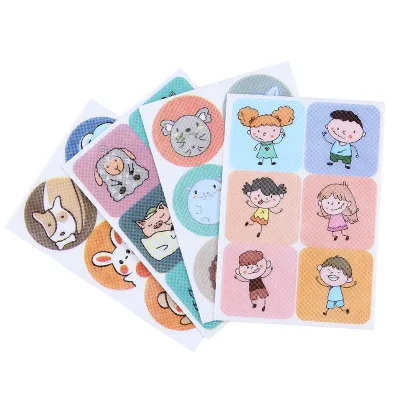
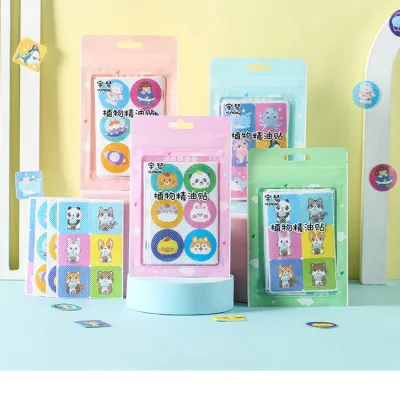
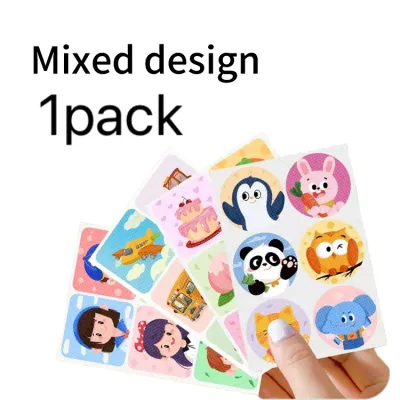
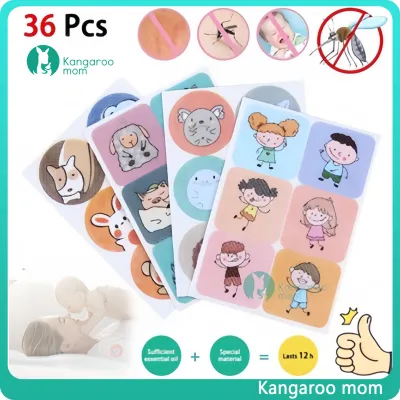
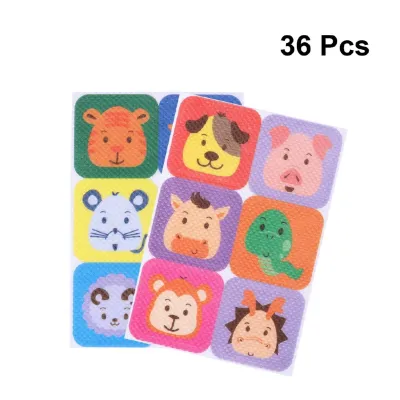
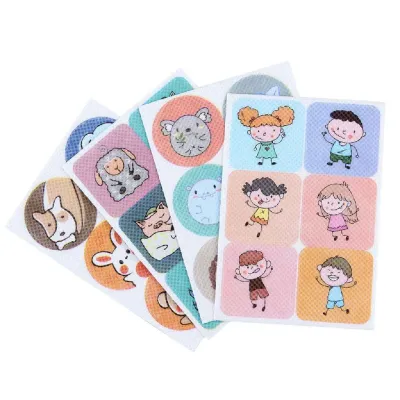
Prices are valid at publication and may change. Please refer to the product page for the latest price.
Skin Irritation and Allergic Reactions
Even though manufacturers design these patches to be applied to fabrics rather than skin, direct or indirect contact remains a common issue. Many stickers are infused with concentrated plant extracts, such as citronella, eucalyptus, or peppermint oil. If a sticker accidentally rubs against your baby’s delicate skin, or if you apply it to an inner layer of clothing where it can make contact, these concentrated oils can cause contact dermatitis, marked by redness, swelling, and itching.
Furthermore, infants frequently touch their surroundings, pull at their clothes, and then rub their eyes or face. If your baby touches a patch and transfers the concentrated residue to their eyes or mouth, it can trigger immediate irritation, burning sensations, and skin flare-ups. A baby’s skin barrier is significantly thinner and more permeable than an adult’s, making them highly susceptible to chemical sensitivities from botanical extracts.
Respiratory Sensitivity to Strong Scents
The mechanism that makes a sticker mosquito killer work is the continuous release of volatile organic compounds into the air. These strong, concentrated scents are designed to mask the human odors that attract mosquitoes. However, an infant’s respiratory tract is still developing and is highly sensitive to strong odors and airborne chemicals.
When these stickers are used in enclosed, poorly ventilated spaces—such as a small nursery, a closed bedroom, or inside a car—the concentration of essential oil vapors can build up quickly. This can lead to respiratory irritation, causing your baby to cough, sneeze, or experience watery eyes. For babies with underlying respiratory sensitivities or a family history of asthma, inhaling these concentrated vapors can trigger wheezing or more severe breathing difficulties.
Choking and Ingestion Hazards
Beyond the chemical formulation, the physical sticker itself poses a significant mechanical hazard. Babies are in an oral stage of development, meaning they naturally put objects into their mouths to explore them. A colorful, cartoon-themed patch is highly attractive to a curious older infant or toddler who has developed the fine motor skills to peel things off.
If a sticker peels off clothing, a stroller frame, or a crib bar, it instantly becomes a high-risk choking hazard. In addition to the physical danger of airway obstruction, if a baby successfully swallows or chews on a patch, they ingest a highly concentrated dose of essential oils. Many essential oils, when swallowed even in small quantities, are toxic to infants and can cause severe gastrointestinal distress or systemic poisoning.
How to Read Ingredients and Safety Labels
When shopping for mosquito protection in the Philippines, parents are faced with dozens of imported and local brands. To make an informed decision, you must look past the appealing packaging and carefully read the active ingredients list and safety warnings. Do not rely on generic claims like “100% natural,” “organic,” or “chemical-free.” In the world of toxicology, essential oils are active chemical compounds that require careful handling.

Check the label for the specific active ingredients used to repel insects. Common ingredients include citronella oil, oil of lemon eucalyptus (OLE), peppermint oil, lavender oil, and lemongrass oil. It is crucial to note that certain natural ingredients have specific age restrictions; for example, the use of oil of lemon eucalyptus (OLE) or para-menthane-diol (PMD) is generally not recommended for children under three years of age due to lack of safety data for this age group.
Always locate the manufacturer’s explicit minimum age recommendation on the packaging. If a product lacks a clear age guideline, or if the label is written in a language you cannot read, do not use it on your baby. Additionally, parents should verify if the product is registered with local health authorities, such as the Food and Drug Administration (FDA) of the Philippines, which helps ensure the product does not contain hidden synthetic chemicals or banned pesticides. Ultimately, following the manufacturer’s exact age limits and application instructions is your primary line of defense.
Harm Reduction: Best Practices if You Use Stickers
If you decide to use a sticker mosquito killer for your baby, implementing strict harm-reduction practices can significantly lower the associated risks. By controlling where the patch is placed and how your baby interacts with their environment, you can utilize the repellent benefits while keeping physical and chemical hazards to a minimum.
- Strategic Placement: Never apply a mosquito sticker directly to your baby's skin, and avoid placing it on the inner layers of their clothing. Instead, stick the patch on areas that are completely out of your baby's reach but still close enough to provide a scent barrier. Excellent placement options include the outer frame of a stroller, the underside of a diaper bag, or the high outer edge of a crib or playpen where your baby cannot reach or see it.
- Ensure Adequate Ventilation: Only use mosquito stickers in well-ventilated, open-air environments. If you are outdoors at a park or walking in your neighborhood, the natural airflow will prevent the scent from becoming overwhelming. Avoid using these patches in closed indoor rooms, small nurseries with closed windows, or inside vehicles where the concentrated vapors can accumulate and irritate your baby's lungs.
- Constant Supervision: Monitor your baby closely whenever a sticker is in use. Regularly check the patch to ensure it is still firmly adhered to the surface and has not started to peel, curl, or fall off. If you notice your baby showing an interest in the sticker, immediately move it to a more secure, hidden location out of their line of sight.
- Recognize Stop Conditions: Be prepared to act immediately if your baby shows any signs of discomfort. If your child begins to cough, sneeze, rub their eyes, develop red patches on their skin, or display unusual fussiness while a sticker is nearby, remove the sticker immediately. Move your baby to a fresh-air environment and wash any suspected contact areas on their skin with mild baby soap and water.
Safer Mosquito Protection Alternatives for Babies
Given the potential risks of chemical exposure and choking hazards, relying on non-chemical, physical barriers is often the safest and most effective way to protect infants from mosquito-borne illnesses. In tropical regions like the Philippines, where mosquitoes are a year-round concern, a multi-layered physical defense is highly recommended by pediatricians.
Using properly fitted mosquito nets is one of the most reliable ways to shield your baby. Ensure you have high-quality, fine-mesh nets designed specifically for cribs, bassinets, and strollers. When using a net over a stroller or playpen, make sure the mesh is pulled taut and does not drape closely enough for your baby to pull it into their mouth. Additionally, dressing your baby in lightweight, loose-fitting, long-sleeved tops and long pants provides an excellent physical shield while keeping them cool in hot, humid weather. Light-colored clothing is preferable, as dark colors tend to attract mosquitoes.
Managing your immediate environment is another powerful way to reduce mosquito exposure. Regularly inspect your home and yard to eliminate standing water in flower pots, buckets, and drains, which serve as breeding grounds for dengue-carrying mosquitoes. Ensure your window and door screens are intact and free of tears. Indoors, using air conditioning or keeping a standing fan running can help; the air current generated by a fan makes it difficult for weak-flying mosquitoes to land on your baby.
For older infants and toddlers, topical insect repellents may be appropriate, but they must be selected and applied with care. Pediatric guidelines in various regions outline specific age and concentration limits for active ingredients like DEET or Picaridin. Before applying any topical chemical repellent to your baby, consult your pediatrician to confirm if it is safe for their specific age and weight. When using approved topical repellents, always follow the exact application instructions, avoid applying them to your baby’s hands or face, and wash the product off once you return indoors.
Frequently Asked Questions (FAQ)
Can I put mosquito stickers on my newborn's clothes?
No, you should not place mosquito stickers directly on a newborn’s clothing. Newborns have highly sensitive, rapidly developing respiratory systems that can easily be overwhelmed by the concentrated volatile oils released by these patches. Additionally, newborns lack the ability to move away from strong scents if they experience discomfort. As babies grow, they also develop the motor skills to pull at their clothes, creating a high risk of them peeling the sticker off and putting it in their mouth. For newborns, physical barriers like fine-mesh mosquito nets and protective clothing are much safer and more effective.
Are plant-based mosquito stickers completely chemical-free?
No, plant-based mosquito stickers are not chemical-free. This is a common marketing misconception. Essential oils, such as citronella, eucalyptus, and peppermint, are complex mixtures of naturally occurring chemical compounds. Just because an ingredient is derived from a plant does not mean it is free of active chemicals or inherently safe for sensitive infants. These natural compounds can still cause skin allergies, respiratory irritation, and severe toxicity if ingested. Parents should treat plant-based repellents with the same safety precautions and respect as synthetic chemical alternatives.
What should I do if my baby puts a mosquito sticker in their mouth?
If your baby puts a mosquito sticker in their mouth, act quickly but remain calm. Immediately remove the sticker and any torn pieces from their mouth. Use a clean, damp cloth to gently wipe their tongue, gums, and the inside of their cheeks to remove any remaining oil residue. Do not induce vomiting, as this can cause the baby to inhale the toxic essential oils into their lungs. If your baby is conscious and old enough, you can offer a small sip of water or breastmilk to help rinse their mouth. Contact a pediatrician or your local poison control center immediately for guidance, and seek emergency medical care if your baby shows signs of choking, difficulty breathing, excessive drooling, or vomiting.
Community discussion
Share your experience or ask a question. Comments are reviewed before publication.