
Mosquito repellent bracelets have become a popular accessory for parents looking to protect their active boys from bites, especially during the high-risk dengue season. While these colorful bands offer a convenient, hands-free alternative to sticky sprays, using them every single day requires a careful balance of convenience and safety. The short answer is that while many high-quality bracelets are generally low-risk when used correctly, wearing them continuously can expose young boys to potential skin irritation, respiratory sensitivities, and physical hazards.
To make an informed decision for your family, it is essential to understand how these products interact with a child’s developing body and active lifestyle. Daily wear during hot, humid months can amplify certain risks, making proper product selection and usage guidelines critical. By learning what to look for on product labels and how to monitor your child for adverse reactions, you can help keep your little adventurer protected without compromising his health.
How Mosquito Repellent Bracelets Work and Their Limitations
Mosquito repellent bracelets are designed to emit a continuous scent that masks the natural attractants humans produce, such as carbon dioxide, warmth, and lactic acid. By disrupting a mosquito’s sensory receptors, these bands make it more difficult for the insects to locate a target. Most of these products rely on volatile active ingredients infused directly into a silicone, plastic, or fabric band, or contained within a replaceable pellet.
Products mentioned in this guide
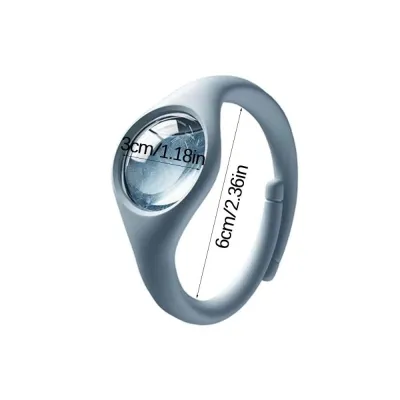
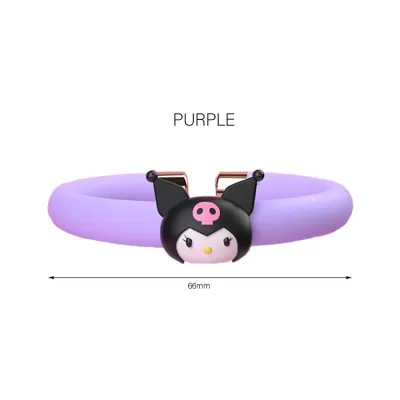
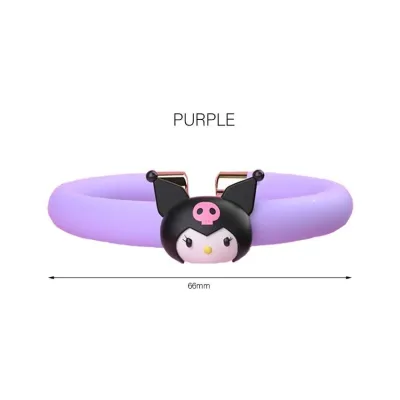
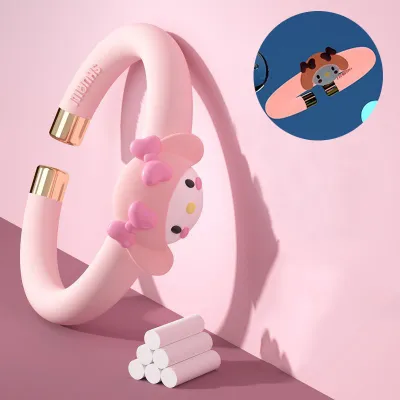
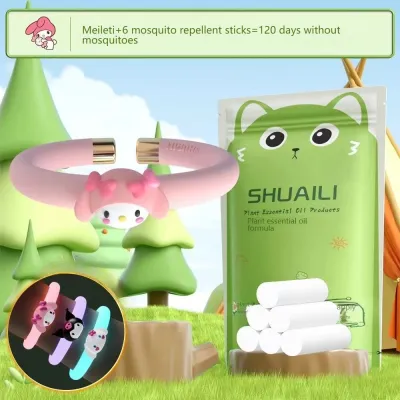
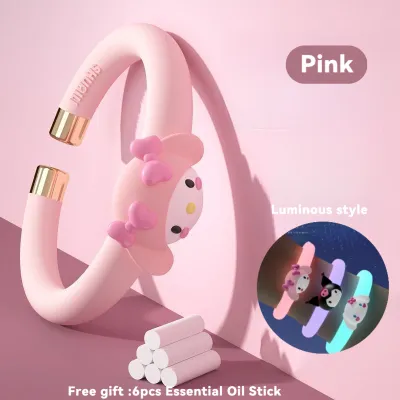
Prices are valid at publication and may change. Please refer to the product page for the latest price.
The active ingredients typically fall into two categories: plant-based essential oils and synthetic compounds. Common botanical options include citronella, lemongrass, peppermint, rosemary, and geraniol. While these natural oils are popular among parents seeking chemical-free alternatives, they are highly volatile and evaporate quickly when exposed to the elements.
In tropical environments where heat and humidity are high, the evaporation rate of these active compounds increases significantly. This means a bracelet may lose its potency much faster during outdoor play in the afternoon sun than it would in a cooler, indoor setting. Parents must keep this environmental factor in mind and avoid relying on a single band for extended outdoor excursions.
Furthermore, these accessories have a very limited spatial protection radius. A bracelet worn on the wrist primarily protects the immediate area around the hand and arm. It does not create an invisible, full-body shield. A boy running through the grass can easily get bitten on his ankles, legs, or neck, even if the bracelet on his wrist is emitting a strong scent. Understanding this limitation is crucial for preventing a false sense of security during peak mosquito hours.
Additionally, physical movement and wind can easily disrupt the small vapor barrier created by the bracelet. When a child is running, playing sports, or riding a bicycle, the air flowing past his body quickly disperses the active ingredients, rendering the localized protection even less effective. This makes relying solely on a bracelet highly risky in areas with high mosquito density.
Potential Health Risks and Side Effects for Children
While mosquito repellent bracelets are generally marketed as safe and non-toxic, daily wear introduces specific health hazards that parents must evaluate. Active boys who spend hours running, sweating, and playing outdoors are particularly susceptible to these risks. The hazards can be broadly categorized into contact reactions, inhalation sensitivities, and physical safety concerns.

There is a significant difference between occasional use during a weekend camping trip and continuous daily exposure throughout the long dengue season. Daily wear means the child’s skin and respiratory system are repeatedly exposed to concentrated volatile compounds over weeks or months. This cumulative exposure can break down the skin’s natural barrier or sensitize the airways, making adverse reactions more likely to develop over time.
Children’s skin is thinner and more permeable than adult skin, which increases the rate of absorption of any chemicals or oils that come into contact with it. Because young boys are highly active, they also experience more friction from the band, which can break the skin barrier and make it easier for irritants to penetrate. This physiological difference makes careful monitoring essential.
Skin Irritation and Allergic Reactions
Direct contact with concentrated essential oils or synthetic repellents can lead to localized skin issues, particularly for boys with sensitive skin or conditions like eczema. Contact dermatitis is a common reaction, characterized by redness, itching, localized swelling, or a mild burning sensation where the band touches the skin. Sweat and friction can exacerbate these symptoms, trapping the active ingredients against the skin and causing irritation.
The material of the band itself can also trigger allergic reactions or physical irritation. Many bracelets are made of silicone, synthetic rubber, or plastic. During hot and humid days, these non-breathable materials trap sweat, dirt, and bacteria underneath them. This trapped moisture can cause friction rashes, heat rash, or allergic contact dermatitis from the dyes and stabilizers used in the manufacturing of the band.
To minimize the risk of a widespread reaction, parents should always perform a supervised patch test before allowing a child to wear a new bracelet for a full day. Have your boy wear the band on his wrist or ankle for a short period, such as fifteen to thirty minutes, while under close supervision. Remove the band immediately and wash the area if you notice any signs of redness, itching, or discomfort. If no reaction occurs after a few hours, the product is generally safer for supervised, short-term use.
Inhalation Risks and Essential Oil Sensitivity
Because mosquito repellent bracelets rely on the continuous evaporation of volatile compounds, they emit a strong, localized scent. While these aromas are designed to deter insects, continuously inhaling highly concentrated botanical oils can have respiratory implications for young children. A scent that seems mild outdoors can quickly become overwhelming and irritating in enclosed spaces.
For boys with pre-existing respiratory conditions, such as asthma, seasonal allergies, or sensitive airways, strong botanical scents can act as immediate triggers. Inhaling these concentrated vapors can lead to coughing, wheezing, chest tightness, or a runny nose. Even children without diagnosed respiratory issues may experience headaches, dizziness, or mild throat irritation if they are exposed to highly concentrated scents for prolonged periods.
Age plays a significant role in how well a child tolerates these concentrated vapors. Younger children have smaller, more sensitive airways and developing respiratory systems that are more easily irritated by volatile organic compounds. When a boy wears a highly scented bracelet close to his face—such as when resting his head on his hands or rubbing his eyes—the concentration of inhaled vapors increases, raising the risk of respiratory discomfort.
Choking, Ingestion, and Strangulation Hazards
Beyond chemical sensitivities, physical safety is a major consideration for active boys who engage in rough-and-tumble play. Many mosquito repellent bracelets are designed with bright colors, cartoon characters, or decorative charms to make them appealing to kids. However, these design elements can introduce serious physical hazards if the product is not constructed with safety in mind.
Small detachable parts, adjustable clasps, or removable scent pellets pose a severe choking hazard, especially if a child has a habit of putting objects in his mouth. If a decorative charm or pellet breaks off during play, it can easily be swallowed or inhaled. Furthermore, if a boy chews on a band infused with concentrated essential oils, he risks ingesting these compounds, which can cause localized chemical burns in the mouth, nausea, vomiting, or more severe systemic toxicity.
Strangulation and snagging are also critical risks during active play. A loose, stretchy, or highly durable band can easily catch on playground equipment, tree branches, or bicycle handlebars. If the bracelet does not feature a breakaway clasp or a snap-fit design that releases under tension, it can trap the child’s hand or arm, leading to injury. Parents should always inspect the physical design of a bracelet to ensure it will snap open easily if caught on an object.
Safety Standards and Labels to Verify Before Purchase
Navigating the wide variety of mosquito repellent bracelets available on the market requires a critical eye. Parents should not rely solely on attractive packaging or vague claims of being “100% natural” or “safe for kids.” Instead, look for specific safety indicators and transparent labeling that demonstrate a manufacturer’s commitment to quality control.
When evaluating products, check the packaging for labels indicating the product has been pediatrician-tested, dermatologically-tested, or formulated to be hypoallergenic. While these labels do not guarantee a child will not have a reaction, they indicate the manufacturer has conducted basic safety testing on human skin. Additionally, ensure that all active and inactive ingredients are clearly and fully disclosed on the product label, allowing you to avoid known allergens or irritants.
It is highly advisable to avoid purchasing unregulated, unbranded products from unauthorized online marketplaces or informal street vendors. These cheap alternatives often bypass safety regulations and may contain undisclosed synthetic chemicals, industrial dyes, or low-quality plastics that pose elevated health risks. Opting for reputable brands that provide transparent safety data sheets and clear manufacturing details helps ensure you are putting a reliable product on your child.
Furthermore, parents should check for batch numbers, manufacturing dates, and expiration dates on the packaging. Repellent bands have a limited shelf life, and expired products will not provide the intended level of protection. Look for products that comply with international safety standards for children’s accessories, ensuring they are free from harmful heavy metals, phthalates, and BPA.
Guidelines for Safe Daily Use and Supervision
If you decide to use mosquito repellent bracelets as part of your daily defense during dengue season, implementing strict safety guidelines can significantly reduce the associated risks. Proper usage is key to minimizing direct chemical exposure and physical hazards while maintaining a level of protection against bites.
One of the most effective strategies to reduce skin irritation is to avoid direct skin contact entirely. Instead of fastening the bracelet directly onto your boy’s wrist, try securing it over his clothing, such as around the cuff of a long-sleeved shirt or the hem of his pants. Alternatively, you can clip or loop the bracelet onto his backpack, belt loop, or stroller frame. If the band must be worn on the skin, alternate between the left and right wrists or ankles daily to give each area time to recover.
Establish strict time limits for continuous wear rather than keeping the bracelet on all day. The band should only be worn during active outdoor hours when mosquito activity is high, such as early morning or late afternoon. As soon as your child comes indoors, remove the bracelet and store it in its original resealable packaging to preserve its potency and limit unnecessary inhalation of the active ingredients.
Under no circumstances should a child wear a mosquito repellent bracelet while sleeping, bathing, or during unsupervised play. During sleep, a loose band can easily slip off and become a choking or strangulation hazard, or the child may rub the scented band against his eyes and face, causing severe irritation. Removing the band before baths also prevents water from trapping moisture beneath the material, which can lead to skin maceration and rashes.
Recognizing Adverse Reactions and When to Stop Use
Even with careful selection and proper usage, adverse reactions can still occur. Parents must remain vigilant and know how to recognize the early signs of physical or chemical distress in their children. Monitoring both visual cues and changes in behavior is essential for timely intervention.
Watch for visual signs of skin distress, such as localized redness, raised bumps, hives, or dry, peeling skin around the area where the bracelet was worn. Behavioral cues can also indicate discomfort; if your boy is constantly scratching his wrist, rubbing his eyes, or complaining of a burning sensation, remove the band immediately. Respiratory reactions may present as sudden sneezing, watery eyes, coughing, or a scratchy throat.
If you suspect an adverse reaction, take immediate action. For skin irritation, remove the bracelet and gently wash the affected area with mild soap and cool water to remove any remaining oils or chemicals. If the child has accidentally chewed on or swallowed a portion of the band or pellet, do not induce vomiting. Instead, rinse his mouth thoroughly with water and seek immediate medical attention or contact a local poison control center. If active ingredients come into contact with the eyes, flush them gently with clean, lukewarm water for several minutes.
Discontinue use of the product immediately if any signs of skin irritation, respiratory discomfort, or systemic allergic reactions occur. Do not attempt to reapply the bracelet once a reaction has been observed. If the skin irritation does not improve within a few days, or if your child exhibits signs of respiratory distress, such as persistent wheezing or difficulty breathing, consult a pediatrician or a qualified healthcare professional promptly.
Frequently Asked Questions (FAQ)
Can toddlers wear the same mosquito repellent bracelets as older boys?
It is highly recommended to check the manufacturer’s age guidelines and specific warnings on the packaging before placing any repellent bracelet on a toddler. Toddlers have significantly thinner, more delicate skin than older boys, which makes them more susceptible to absorbing active ingredients and developing contact dermatitis. Their metabolic systems are also less mature, making it harder for their bodies to process absorbed essential oils. Furthermore, toddlers are at a much higher risk of chewing on or swallowing the bracelet, making physical barriers like mosquito netting, long clothing, or specialized infant-safe formulations a much safer choice.
Do mosquito repellent bracelets provide enough protection against dengue-carrying mosquitoes?
No, mosquito repellent bracelets do not provide sufficient protection on their own, especially against dengue-carrying mosquitoes like Aedes aegypti. These mosquitoes are highly persistent daytime biters. Because bracelets only offer a limited spatial protection zone around the wrist or ankle, they leave large areas of the body, such as the legs, torso, and neck, completely vulnerable to bites. To ensure adequate protection during high-risk seasons, parents should combine bracelets with other proven preventive measures, such as wearing light-colored, long-sleeved clothing, installing window screens, and applying approved topical repellents to exposed skin.
Community discussion
Share your experience or ask a question. Comments are reviewed before publication.