
Protecting your little one from mosquito bites is a top priority, especially in tropical climates where these pests are a year-round nuisance. When looking for convenient solutions, mosquito repellent bracelets often stand out as an easy, mess-free alternative to sticky sprays and lotions. However, mosquito repellent bracelets are generally not considered safe for babies and toddlers to wear directly on their skin. While the active ingredients themselves are often marketed as natural, the physical design of the bracelets, combined with the developmental habits of young children, introduces several health and safety hazards.
For infants and toddlers, the risks of wearing these bands—ranging from skin irritation and chemical exposure to choking and accidental ingestion—frequently outweigh the limited protection they offer. Understanding how these products work and where they fall short is essential for keeping your child safe. By exploring the ingredients, physical risks, and pediatric guidelines, you can make an informed decision and choose safer, more effective ways to shield your family from bites.
Understanding Common Ingredients in Kids' Mosquito Bracelets
To evaluate the safety of mosquito repellent bracelets, it is important to understand what makes them repel insects in the first place. Most wearable bands designed for children rely on natural plant-based essential oils rather than synthetic chemical repellents like DEET. Common active ingredients include citronella oil, eucalyptus oil, peppermint oil, lemongrass oil, and lavender oil. These plants naturally produce volatile organic compounds that mask the carbon dioxide and lactic acid human bodies emit, making it harder for mosquitoes to find their targets.
Products mentioned in this guide
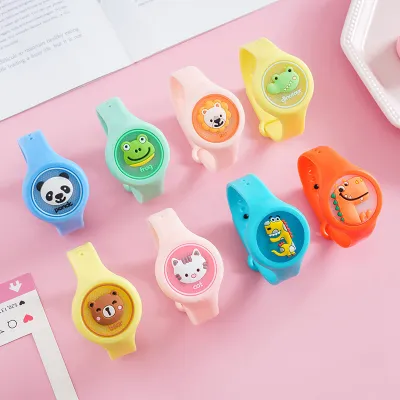
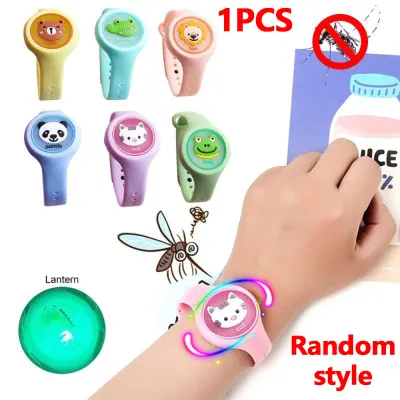
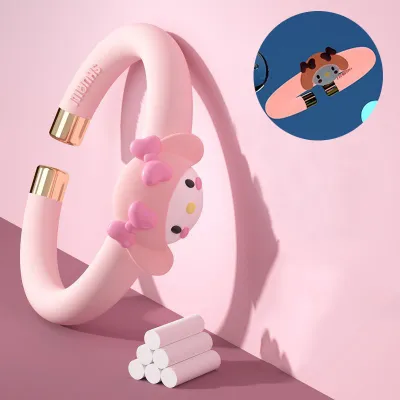
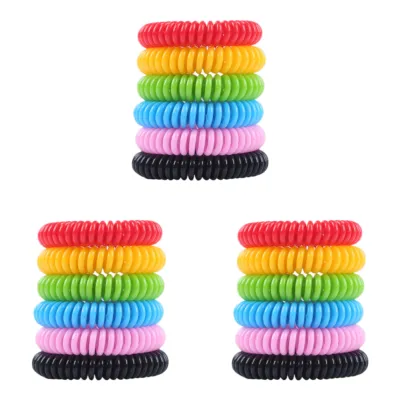
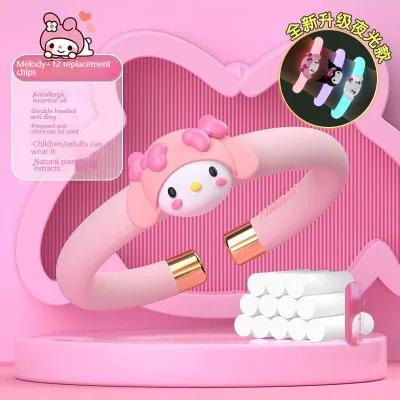
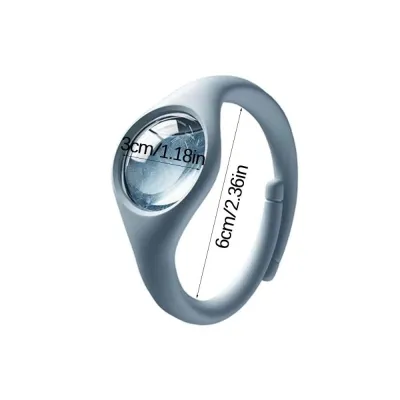
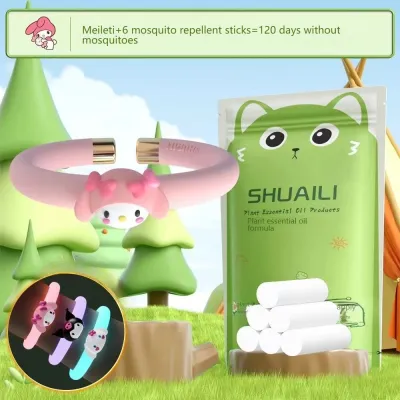
Prices are valid at publication and may change. Please refer to the product page for the latest price.
While these plant-based oils are often marketed as safe and natural, they are highly concentrated when used in repellent products. Essential oils contain complex chemical mixtures that can be highly irritating to a young child’s delicate respiratory system and sensitive skin. When these oils evaporate from the bracelet, they release strong vapors into the immediate air space around your child. Inhaling these concentrated volatile compounds in close proximity can trigger coughing, sneezing, or respiratory discomfort, particularly in babies with developing airways or underlying sensitivities.
Furthermore, synthetic chemical repellents are occasionally incorporated into adult bands, but they are rarely recommended for direct contact with young children. When shopping on online marketplaces or at local baby boutiques, parents must carefully inspect product labels. Many manufacturers do not fully disclose all inert ingredients or the exact concentrations of the essential oils used. Some products may also contain synthetic fragrances or preservatives that can trigger adverse reactions. Always look for brands that provide transparent ingredient lists and clearly state the botanical sources of their active oils.
Potential Health and Safety Risks for Infants and Toddlers
The primary concern with mosquito repellent bracelets for young children is not just the ingredients themselves, but how those ingredients interact with a child’s body and behavior. Infant skin is significantly thinner, more delicate, and more permeable than adult skin, making it highly susceptible to contact dermatitis. Direct contact with concentrated essential oils from a bracelet can quickly lead to localized skin reactions, including redness, itching, swelling, or even mild chemical burns. This risk is amplified in warm, humid tropical environments where sweat can cause the oils to run and spread across the skin.

Beyond skin sensitivity, physical hazards present a major safety concern for babies and toddlers. Young children are naturally curious and explore their world by putting objects in their mouths. A wearable band placed on a tiny wrist or ankle can easily be pulled off, chewed on, or swallowed. Many repellent bracelets feature small, colorful designs, cartoon characters, or detachable repellent pods and capsules. These small components pose a severe choking hazard if they become loose or if a toddler manages to pry them apart.
Accidental ingestion is another critical risk associated with the hand-to-mouth behavior of toddlers. If a child sucks or chews on a bracelet infused with essential oils, they can ingest the concentrated liquids. Even small amounts of ingested essential oils can cause gastrointestinal distress, nausea, vomiting, or more severe systemic reactions. Additionally, there is a risk of injury if an active toddler gets the band caught on a crib slat, playpen mesh, or outdoor foliage while playing.
Finally, relying solely on a wristband or ankle band can create a false sense of security. Mosquitoes do not respect a small zone of protection; a bracelet worn on the left wrist does nothing to protect a child’s right leg or face. In regions where mosquito-borne illnesses are prevalent, relying on an ineffective barrier leaves your child vulnerable to bites. This lack of comprehensive coverage is a significant safety loophole that parents must consider when planning outdoor activities.
Age Restrictions and Pediatric Guidelines
Pediatricians and global health organizations maintain strict guidelines regarding the use of repellents on young children. Most medical authorities advise against applying or exposing infants under two years of age to concentrated essential oils. The respiratory systems of babies are highly sensitive, and their skin barrier is not yet fully matured, making them vulnerable to rapid absorption of topical substances. Because of these physiological differences, products that are perfectly safe for older children or adults can pose significant health risks to infants.
When purchasing any pest protection product, it is vital to check the manufacturer’s minimum age recommendation printed on the packaging. Many commercial mosquito bracelets explicitly state they are not suitable for children under three years of age. These warnings are often put in place due to the choking hazards of small parts and the concentration of the active ingredients. Ignoring these age limits can expose your child to unnecessary physical and chemical dangers.
Developmental milestones also play a major role in these age restrictions. Toddlers between twelve and twenty-four months old are in a highly active phase of oral exploration. They lack the cognitive ability to understand that a brightly colored, sweet-smelling band is not a toy or a snack. Their skin permeability remains high, and their immune systems are still learning to process environmental allergens. Waiting until a child is older and past the constant hand-to-mouth stage is a much safer approach to using wearable repellent products.
How to Select and Use Repellent Bracelets Safely
If you decide to use mosquito repellent bracelets for an older toddler who has passed the oral exploration stage, taking specific precautions can help minimize the associated risks. Start by conducting thorough pre-purchase checks. Look for products that feature clear, age-appropriate labeling and transparent ingredient lists. Choose designs that are made from one continuous piece of food-grade silicone without any detachable parts, small buttons, or removable active pellets that could become choking hazards.
To eliminate the risk of skin irritation, practice safe wearing habits by avoiding direct skin contact entirely. Instead of placing the bracelet on your child’s wrist or ankle, attach it to their clothing, such as a belt loop, overall strap, or the back of their shirt where they cannot reach it. You can also secure the band to external gear, such as the frame of their stroller, the canopy of their infant carrier, or their diaper bag. This allows the volatile oils to create a localized barrier around the child without touching their sensitive skin or entering their mouth.
Before using a new repellent product for an extended period, it is wise to perform a controlled patch test. Place the bracelet near the child for a few minutes while closely monitoring them for any signs of discomfort. Watch for immediate respiratory reactions, such as sneezing or coughing, as well as behavioral changes. If you are attaching the band to clothing that touches the skin, check that specific area afterward for any signs of redness or warmth.
Always be alert for stop-use signals when using any repellent product. If your child develops a skin rash, hives, persistent coughing, watery eyes, or difficulty breathing, remove the bracelet immediately. Wash any affected skin thoroughly with mild soap and clean water to remove remaining oil residues. If the symptoms do not subside quickly, or if you suspect your child has swallowed any part of the repellent, seek professional medical advice or visit the nearest healthcare facility immediately.
Safer Mosquito Protection Alternatives for Young Children
Fortunately, there are several highly effective, pediatrician-approved alternatives to repellent bracelets that provide superior protection without the physical and chemical risks. Physical barriers are the safest and most reliable line of defense for babies and toddlers. When outdoors or in areas with open windows, dress your child in lightweight, tightly woven, long-sleeved shirts and long pants. Choosing light-colored clothing is also beneficial, as mosquitoes are naturally attracted to dark colors.
For infants in strollers, carriers, or cribs, physical netting is incredibly effective. Fine-mesh mosquito nets can be draped securely over strollers and playpens to keep insects out while maintaining excellent airflow in hot, humid weather. Ensuring your home has intact window and door screens is another simple way to create a safe indoor environment. You can also use a standard electric fan in the room where your baby plays or sleeps; the constant breeze physically disrupts a mosquito’s weak flight patterns, making it difficult for them to land and bite.
Environmental control is equally important for reducing the local mosquito population. Regularly inspect your yard and home for any standing water, which serves as a breeding ground for mosquitoes. Empty water from flower pots, buckets, pet bowls, and clogged gutters at least once a week. For indoor spaces, keeping doors closed during peak mosquito hours and utilizing safe, out-of-reach plug-in repellents can help maintain a pest-free home.
If topical repellents are necessary for outdoor excursions, consult your pediatrician to find an age-appropriate option. For babies over six months old, pediatricians often recommend specific formulations containing low concentrations of active ingredients like DEET or Picaridin, applied sparingly to exposed skin by an adult. Always apply the repellent to your own hands first, then gently rub it onto the child’s exposed skin, avoiding their hands, eyes, mouth, and any cuts or irritated areas.
Frequently Asked Questions (FAQ)
Can I put a mosquito bracelet on my baby’s ankle or wrist?
Direct skin contact with mosquito repellent bracelets is not recommended for babies. Their skin is thin and highly sensitive, making them prone to irritation, redness, and allergic reactions from the concentrated essential oils. Additionally, placing a band on their wrist or ankle makes it easy for them to pull it off, put it in their mouth, or get it caught on nearby objects. A safer alternative is to clip or strap the bracelet to the stroller frame, diaper bag, or clothing in a spot that is completely out of your baby’s reach.
Are citronella bracelets toxic if my toddler chews on them?
Yes, chewing on or swallowing parts of a citronella bracelet can be toxic to a toddler. Citronella and other essential oils are highly concentrated and can cause gastrointestinal irritation, nausea, vomiting, and abdominal pain if ingested. If the liquid oil is inhaled into the lungs while chewing, it can lead to more serious respiratory complications. If you suspect your toddler has chewed on or swallowed any part of a repellent band, rinse their mouth with water immediately, do not induce vomiting, and contact a doctor or your local poison control center right away.
Do mosquito bracelets actually protect babies from dengue-carrying mosquitoes?
Mosquito bracelets offer very limited protection against dengue-carrying mosquitoes, such as the Aedes aegypti species common in tropical regions. These bands only create a small, localized zone of protection around the bracelet itself, leaving the rest of your baby’s body completely exposed to bites. Because dengue is a serious health concern, relying solely on a wristband is highly risky. For reliable protection, you should combine physical barriers like mosquito nets and long clothing with pediatrician-approved topical repellents and environmental controls.
Community discussion
Share your experience or ask a question. Comments are reviewed before publication.