
Protecting an infant from mosquito bites is a top priority for parents, especially during warm, humid rainy seasons when mosquito populations surge. While mosquito patches have become a highly popular option due to their convenience and colorful designs, determining whether they are safe for your baby requires a close look at their ingredients, application methods, and physical design. Because an infant’s skin, respiratory system, and behavioral habits are vastly different from those of older children, these products cannot be assumed to be universally safe or risk-free.
In general, mosquito patches are not designed to be applied directly to a baby’s delicate skin. Instead, they are formulated to stick onto clothing, strollers, or crib bedding, relying on evaporating essential oils to create a temporary sensory barrier that deters insects. To ensure your baby remains safe, you must carefully evaluate the specific active ingredients, strictly adhere to manufacturer age limits, and actively monitor your child for potential skin, respiratory, or choking hazards during use.
Understanding Mosquito Patch Ingredients and Infant Sensitivities
Most commercial mosquito patches marketed for babies rely on plant-based essential oils rather than synthetic chemical repellents like DEET or picaridin. Citronella oil, eucalyptus oil, peppermint oil, and lemongrass oil are among the most common active ingredients found in these products. These oils work by releasing volatile organic compounds into the air, which mask the carbon dioxide and lactic acid scents naturally emitted by human skin, making it harder for mosquitoes to locate the baby.
Products mentioned in this guide
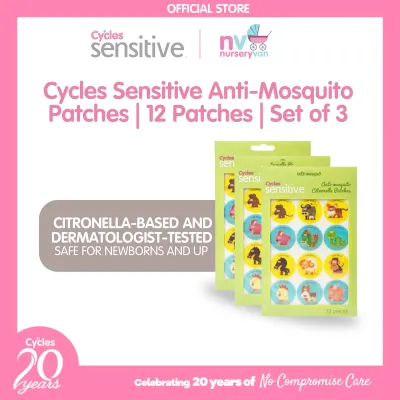
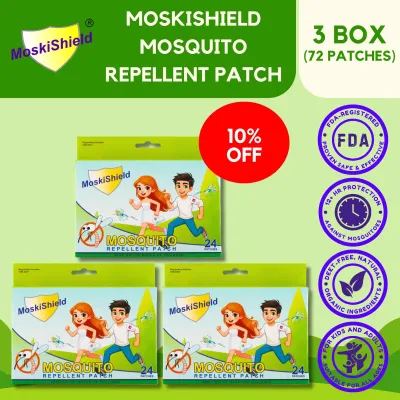
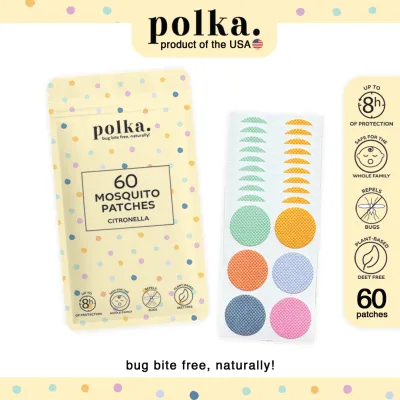
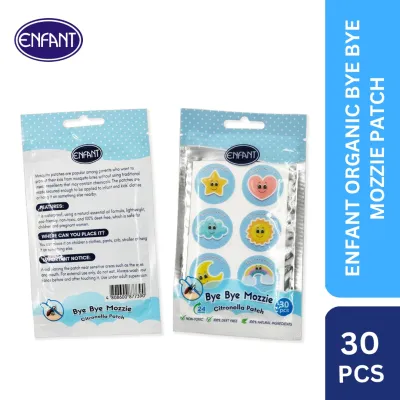
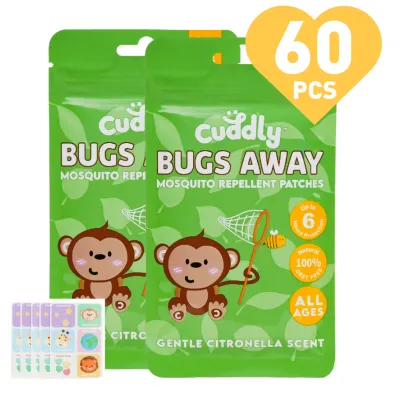
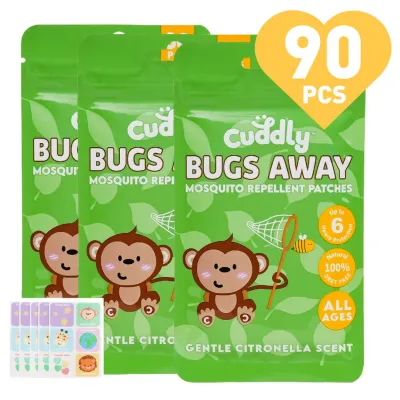
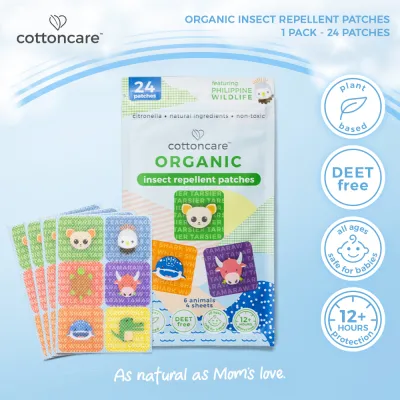
Prices are valid at publication and may change. Please refer to the product page for the latest price.
However, the word “natural” on a product label does not automatically guarantee safety for a newborn or infant. Essential oils are highly concentrated plant extracts that contain complex chemical mixtures. Because an infant’s skin barrier is significantly thinner and more permeable than an adult’s, direct exposure to these concentrated oils can easily cause irritation. Even when applied to clothing, the volatile compounds constantly evaporate into the air surrounding the baby, which can affect their sensitive, developing respiratory passages.
When choosing a product, parents should look past front-of-pack marketing claims and examine the detailed ingredient list on the back. Check the exact concentrations of the active oils and verify if the manufacturer specifies the botanical source. Some formulations may include synthetic fragrances or binders alongside the essential oils to make the scent last longer, which can introduce additional sources of potential irritation for a sensitive baby.
Potential Risks and Warning Signs to Monitor
While patches are designed to be a non-topical alternative to sprays, they still carry distinct physical and physiological risks that caregivers must actively monitor. Skin reactions are a primary concern, particularly if a patch is accidentally applied directly to the skin or if the baby manages to press their skin against a patch stuck to their clothing. The adhesives used to keep the patch in place, as well as any leaking or highly concentrated essential oils, can cause localized redness, swelling, dry patches, or contact dermatitis.

Respiratory irritation is another critical factor to consider, especially in tropical climates where high humidity and still air can trap vapors. If a patch is placed too close to a baby’s face, such as on their collar or upper chest, the strong, concentrated scent of citronella or eucalyptus can irritate their airways. This can lead to coughing, sneezing, watery eyes, or mild congestion. This risk increases significantly when patches are used in enclosed spaces, such as inside a covered stroller, a small nursery, or a car.
Perhaps the most immediate physical hazard associated with mosquito patches is the risk of choking or accidental ingestion. Infants explore their environment using their hands and mouths, and they quickly develop the fine motor skills required to peel stickers off surfaces. If a patch is placed within the baby’s line of sight or reach, they may easily pull it off their clothing or stroller and put it in their mouth. The adhesive backing, synthetic fabric of the patch, and concentrated oils present a severe choking hazard and a risk of chemical ingestion.
How to Evaluate Product Labels and Age Restrictions
Before purchasing any mosquito patch, parents must carefully read the packaging to locate the manufacturer’s official age recommendations. Many brands explicitly state that their patches are not suitable for infants under six months of age, while others may have even higher age thresholds. These age limits are established based on the concentration of the volatile oils and the typical developmental milestones of babies, such as their tendency to mouth objects.
In addition to age limits, look for specific warning labels regarding usage conditions. Safe product labels will clearly warn against placing the patch near the baby’s eyes, nose, or mouth, and will advise against application on broken, irritated, or sunburned skin. If your baby has a history of sensitive skin, eczema, or reactive airways, look for warnings that caution against use for children with pre-existing respiratory or skin conditions.
Finally, verify the application and disposal instructions provided by the manufacturer. Safe usage guidelines typically specify a maximum wear time, after which the patch should be removed and discarded. Ensure you understand the proper placement instructions—such as sticking the patch on the upper back of the baby’s clothing where they cannot see or reach it. When disposing of used patches, always place them in a secure, closed bin immediately to prevent your baby or pets from retrieving them.
Building a Comprehensive Mosquito Protection Plan for Babies
Because mosquito patches only provide localized, temporary protection, they should never be relied upon as the sole defense against insect bites. A comprehensive, multi-layered protection plan is the safest and most effective way to safeguard your baby. Prioritizing physical barriers is the gold standard for infant mosquito defense, as it completely eliminates the risk of chemical exposure or skin irritation.
Using a fine-mesh mosquito net over your baby’s crib, playpen, and stroller is highly effective, especially during outdoor walks or nap times in airy rooms. Dressing your baby in lightweight, breathable, light-colored clothing with long sleeves and long pants provides excellent physical protection while keeping them cool in warm weather. Light colors are particularly helpful because mosquitoes are naturally attracted to dark, heat-absorbing fabrics.
Environmental controls around your home are equally vital for reducing mosquito exposure. Regularly inspect your living spaces to ensure window and door screens are intact and free of tears. Eliminate any standing water in plant saucers, buckets, clogged gutters, or pet bowls, as these serve as breeding grounds for mosquitoes. If you are unsure about the safety of any repellent product, or if you want to introduce a new topical or volatile option to your baby’s routine, always consult your pediatrician for personalized, professional guidance.
Frequently Asked Questions (FAQ)
Can I stick a mosquito patch directly on my baby's skin or clothing?
No, you should never stick a mosquito patch directly on your baby’s skin. The concentrated essential oils and chemical adhesives are designed solely for application on fabrics and can cause severe skin irritation, redness, or contact dermatitis on an infant’s delicate skin. Always apply the patch to the outside of their clothing, preferably on their upper back or another area completely out of their reach and sight, or onto external gear like stroller frames.
What should I do if my baby develops a rash after using a mosquito patch?
If you notice any signs of a rash, redness, or skin irritation, immediately remove the patch and take off the clothing it was attached to. Gently wash the affected skin with mild, baby-safe soap and cool water to remove any residual oils or adhesive. Monitor the area closely and avoid applying any other patches or topical products. If the redness spreads, causes obvious discomfort, or does not improve after a couple of days, consult your pediatrician for professional medical advice.
Community discussion
Share your experience or ask a question. Comments are reviewed before publication.