
During the peak dengue season in the Philippines, protecting infants from mosquito bites is a top priority for every parent. Mosquito patches for baby have become a highly popular preventive tool, valued for their convenience and ease of use. Unlike topical insect repellents that require direct application to delicate skin, these adhesive patches release volatile scents designed to mask human odors and deter mosquitoes. However, while they are often marketed as natural and gentle, parents must carefully evaluate the potential skin and respiratory risks before introducing them to an infant’s daily routine.
Understanding how these patches interact with a baby’s developing body is essential for preventing accidental irritation. Because an infant’s skin barrier is thinner and their respiratory system is highly sensitive to strong scents, even plant-based ingredients can sometimes cause adverse reactions. By learning what to look for on product labels, recognizing early signs of sensitivity, and practicing safe application methods, you can make informed decisions to keep your little one comfortable and protected.
Evaluating Ingredients: What to Check on the Label
When shopping for mosquito patches, the ingredient list should be your very first stop. Many commercial patches rely on plant-derived essential oils, such as citronella, lemongrass, eucalyptus, or peppermint, to repel insects. While these ingredients are frequently labeled as natural, it is important to remember that natural substances are not automatically free from risk. Concentrated essential oils contain volatile organic compounds that can be highly irritating to a baby’s sensitive skin and respiratory tract if not properly formulated or diluted.
Products mentioned in this guide
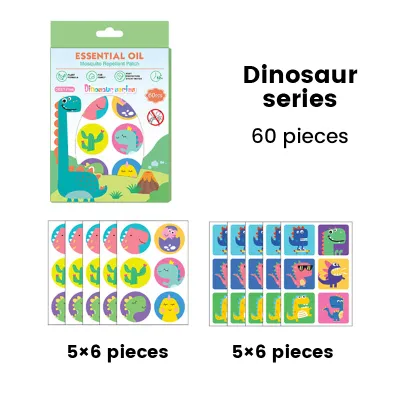
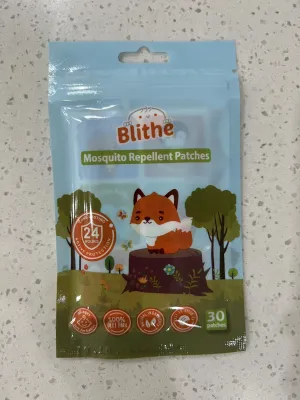
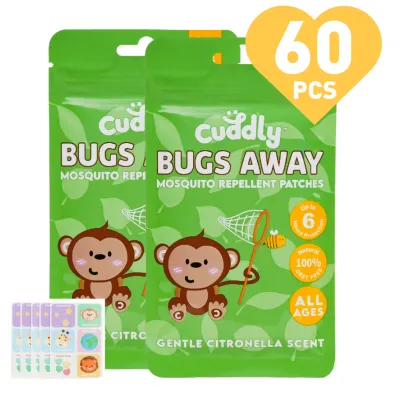
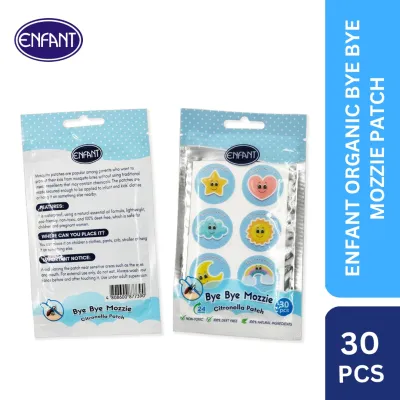
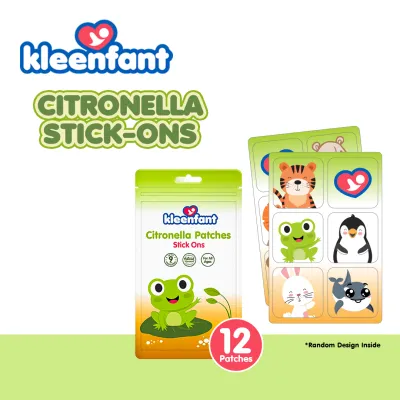
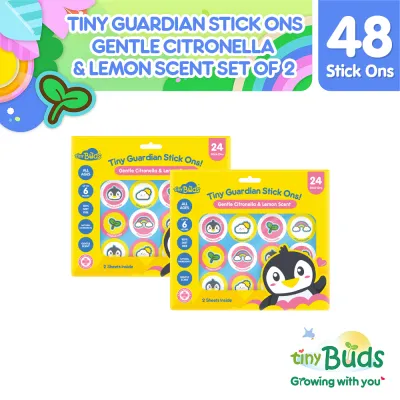
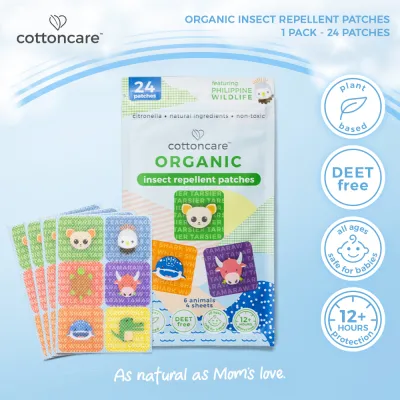
Prices are valid at publication and may change. Please refer to the product page for the latest price.
Before purchasing any patch, check the packaging for explicit age recommendations and manufacturer warnings. Some brands specify that their products are only suitable for babies over six months or even two years of age, while others may claim suitability from birth under strict conditions. Always defer to these age limits, as they are based on the concentration of active ingredients and the developmental stage of the child. If a product lacks clear age guidelines or does not list its active and inactive ingredients in full, it is best to avoid using it on or near your baby.
In addition to checking for age limits, look closely for synthetic additives, artificial fragrances, or unlisted chemical carriers. Some patches may contain synthetic perfumes to boost their scent or prolong their shelf life, which can significantly increase the risk of an allergic reaction. Parents should prioritize products that use simple, transparent ingredient lists and are specifically certified or labeled for infant use. Avoid any patches that contain high concentrations of synthetic chemicals unless they have been explicitly cleared by your pediatrician for your baby’s specific age group.
Recognizing Skin Irritation and Respiratory Side Effects
Even when applied correctly, mosquito patches can occasionally trigger adverse physical reactions in sensitive infants. Contact dermatitis is one of the most common skin issues associated with these products, especially if a patch accidentally comes into direct contact with the skin or if the baby rubs their face against an area where a patch is attached. Parents should regularly inspect the skin near the patch site for signs of localized redness, swelling, dry patches, or small bumps. If your baby becomes unusually fussy or attempts to scratch or rub a specific area, this discomfort may be an early sign of skin irritation.

Respiratory sensitivity is another critical factor to monitor, particularly when using patches formulated with highly aromatic essential oils. Because babies have small, developing airways, strong volatile scents can easily overwhelm their respiratory systems. Watch for immediate cues such as sudden coughing, sneezing, watery eyes, or runny noses shortly after a patch is introduced. In some cases, a baby might show signs of irritability, restlessness, or difficulty settling down simply because the concentrated scent is too strong or unpleasant for them.
It is vital to differentiate between a mild, temporary aversion to a scent and a more serious allergic or respiratory reaction. A baby who dislikes a smell may turn their head away or show mild fussiness, but their breathing will remain normal and their skin will be clear. Conversely, persistent coughing, wheezing, rapid breathing, or the sudden appearance of hives across the body indicate a systemic sensitivity that requires immediate intervention. Monitoring your baby closely during the first few hours of introducing a new patch brand is the best way to catch these reactions early.
Safe Application Practices to Minimize Risks
To minimize the risk of chemical exposure and skin irritation, mosquito patches should never be applied directly to a baby’s skin. Instead, secure the adhesive backing to the outside of your baby’s clothing, preferably in a location they cannot easily see or reach. Excellent placement options include the upper back of their shirt, the outer collar, or the lower hem of their pants. For babies who are not yet crawling or pulling themselves up, you can also apply the patches to external gear such as stroller frames, canopy hoods, or the outer rails of a playpen.
Using patches in well-ventilated environments is equally important for protecting your baby’s lungs. When essential oil vapors are allowed to accumulate in confined, unventilated spaces—such as a closed bedroom with the air conditioning running or a stroller covered with a heavy blanket—the concentration of volatile compounds can quickly reach irritating levels. Ensure there is always a steady flow of fresh air in the room, and avoid placing multiple patches close to your baby’s face or head. A single patch is typically sufficient to provide the localized scent barrier intended by the manufacturer.
Finally, parents must remain highly vigilant about the potential choking hazards associated with adhesive patches. As babies grow, they naturally explore their environment by putting objects into their mouths. A loose or peeling patch can easily be pulled off and swallowed, posing a severe choking risk or leading to accidental ingestion of concentrated essential oils. Always press the patch firmly onto fabric to ensure it adheres completely, inspect it regularly throughout the day, and remove it immediately if the edges begin to curl or lift.
Clear Stop Conditions and When to Consult a Pediatrician
Knowing when to stop using a product is just as important as knowing how to apply it safely. If you notice any signs of physical distress—such as localized redness, a developing rash, sudden coughing, wheezing, or unexplained crying—you must remove the mosquito patch immediately. Do not wait to see if the symptoms improve on their own; prompt removal is the most effective way to halt further exposure to the irritating compounds.
Once the patch is removed, take immediate, low-risk steps to soothe your baby’s skin and clear their airways. If the patch was in direct contact with the skin or if you suspect some of the active oils transferred to their hands, gently wash the affected area with lukewarm water and a mild, fragrance-free baby soap. This helps remove any lingering chemical residues that could continue to cause irritation. If the reaction was respiratory, move your baby to a well-ventilated room with fresh air or take them outdoors for a few minutes to help clear their nasal passages.
While minor skin redness or mild sneezing often resolves quickly once the patch is gone, certain situations require professional medical advice. You should consult a pediatrician if your baby’s skin irritation persists for more than twenty-four hours, if a rash begins to spread, or if they show any signs of respiratory distress, such as labored breathing or persistent wheezing. Additionally, if you have a newborn or a baby with a history of eczema, asthma, or highly sensitive skin, it is highly recommended to speak with your pediatrician before introducing any scented mosquito patches or other pest repellents to their daily routine.
Building a Comprehensive Dengue Defense for Babies
While mosquito patches can serve as a helpful supplementary tool, they should never be relied upon as a standalone shield against dengue-carrying mosquitoes. In the tropical climate of the Philippines, where dengue transmission can occur year-round and peaks during the rainy season, a multi-layered defense strategy is essential. Physical barriers remain the safest and most reliable primary defense for infants. Utilizing a properly fitted, fine-mesh mosquito net over your baby’s crib, stroller, or playpen physically blocks insects from reaching their skin without introducing any chemical or respiratory risks.
Dressing your baby in appropriate clothing is another highly effective way to reduce bite exposure. Opt for loose-fitting, light-colored, long-sleeved shirts and long pants made from breathable fabrics like cotton. Light colors are less attractive to mosquitoes, and the physical layer of fabric makes it much harder for insects to bite. When combined with a mosquito net, this simple clothing strategy provides robust protection during outdoor walks or nap times without relying heavily on scented products.
In addition to protecting your baby directly, managing the surrounding environment is crucial for reducing the local mosquito population. Regularly inspect your home and yard to eliminate any sources of stagnant water, which serve as breeding grounds for the Aedes mosquito. Empty and clean flowerpot saucers, pet water bowls, open buckets, and clogged gutters at least once a week. By combining environmental controls, physical barriers, and the cautious, well-monitored use of mosquito patches, you can create a comprehensive and highly effective dengue defense system that keeps your baby safe and comfortable.
Frequently Asked Questions (FAQ)
Can I use mosquito patches on a newborn under two months old?
You should always defer to the specific manufacturer’s age limits printed on the product packaging before using any mosquito patch on a newborn. Most pediatric guidelines advise against using scented or chemical-based deterrents on infants under two months old, as their skin barriers are exceptionally thin and their respiratory systems are highly sensitive to volatile organic compounds. If you need to protect a very young newborn from mosquitoes, it is best to rely entirely on physical barriers like fine-mesh mosquito nets and protective clothing. Always consult your pediatrician before introducing any pest-deterrent products to a newborn’s environment.
Do mosquito patches guarantee protection against dengue-carrying mosquitoes?
No, mosquito patches do not guarantee absolute protection against dengue-carrying mosquitoes. Patches work by releasing a localized scent that masks human odors, creating a limited barrier around the immediate area where they are attached. They do not provide full-body coverage, meaning exposed limbs or areas furthest from the patch remain vulnerable to bites. To ensure effective protection against dengue in the Philippines, mosquito patches should only be used as a supplementary measure alongside primary defenses, such as mosquito nets, protective clothing, and active environmental control of stagnant water.
Community discussion
Share your experience or ask a question. Comments are reviewed before publication.