
Parents in the Philippines face a recurring anxiety every rainy season: protecting their little ones from dengue fever. As cases rise during the wet months, colorful, cartoon-character mosquito patches for kids seem like the perfect, chemical-free solution. However, while these sticker-style repellents are generally low in toxicity compared to heavy chemical sprays, they are not entirely safe or risk-free for babies and toddlers.
Before relying on them, you must weigh three primary concerns: the risk of skin irritation from concentrated essential oils, the physical danger of choking or ingestion, and their highly localized, insufficient protection during high-risk dengue periods. “Natural” or “plant-based” labels do not automatically translate to infant safety. In high-stakes dengue environments, these patches should never replace proven, full-body preventive measures.
What Is Inside Mosquito Patches and How It Affects Young Skin
To understand the risks, it is essential to look at what makes these patches work. Most mosquito patches for kids are infused with plant-based essential oils, most commonly citronella, lemongrass, peppermint, and oil of lemon eucalyptus (OLE). These oils are highly volatile, meaning they evaporate quickly into the air. They do not kill mosquitoes; instead, they release a strong scent plume designed to mask the human carbon dioxide and lactic acid scents that attract biting insects.
Products mentioned in this guide
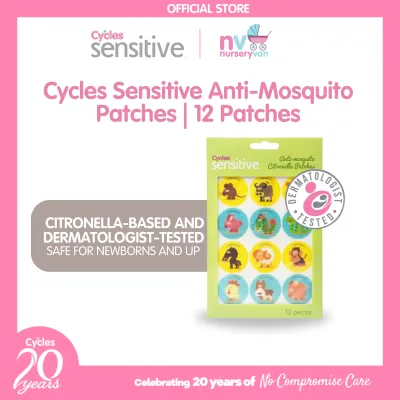
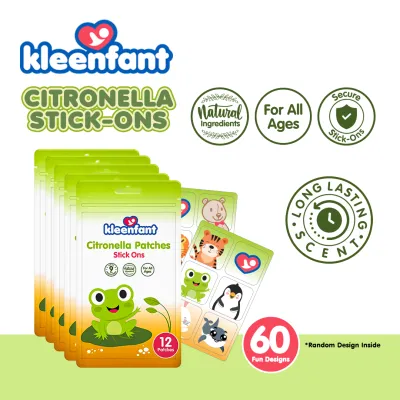
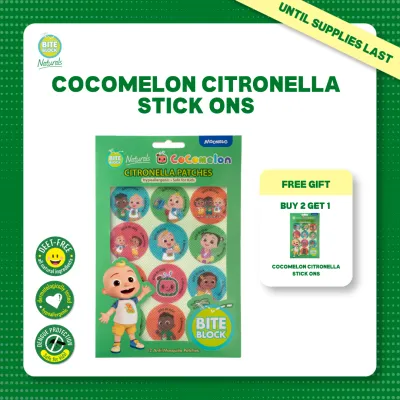
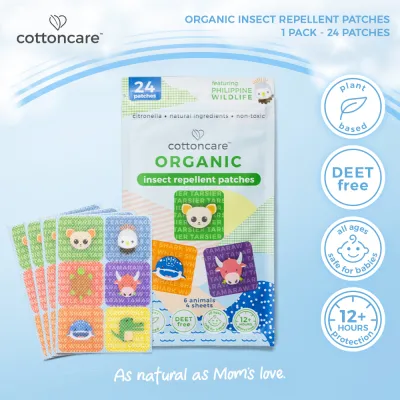
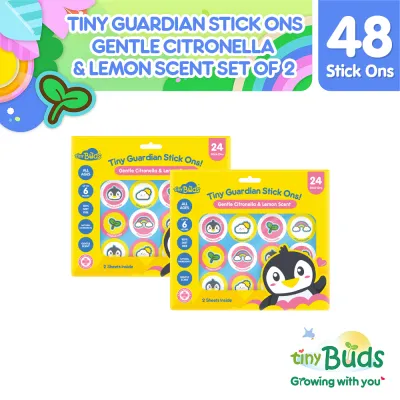
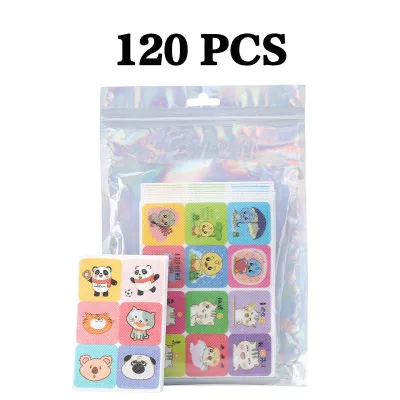
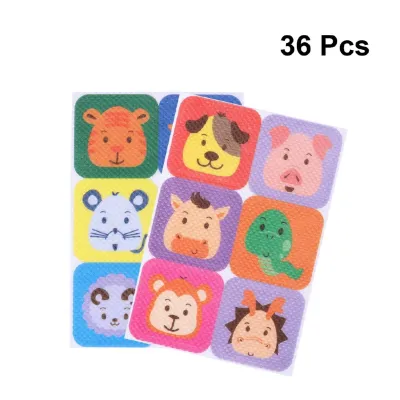
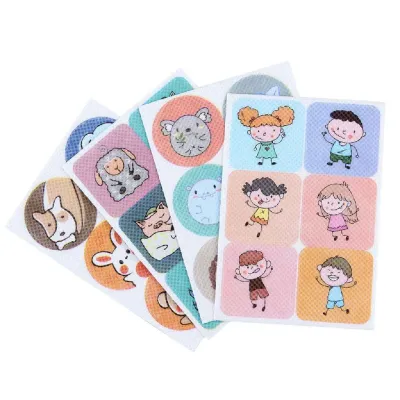
Prices are valid at publication and may change. Please refer to the product page for the latest price.
While these ingredients are marketed as gentle, natural alternatives, they present unique challenges for young children. An infant’s skin is significantly thinner, more delicate, and more permeable than adult skin, making it highly sensitive to concentrated botanical oils. Furthermore, a baby’s respiratory system is still developing. The intense, concentrated aromas released by these patches can easily cause sensory overload or irritate sensitive airways. Always read the packaging carefully to verify the exact active ingredients, and avoid products that list vague “fragrance blends” or fail to disclose their full ingredient profiles.
Key Health and Safety Risks to Watch For
While patches avoid the direct, widespread skin application of traditional sprays, they introduce a distinct set of physical and dermatological risks that caregivers must closely monitor.

Skin Irritation and Allergic Reactions
Even though patches are designed to be stuck on clothing rather than skin, contact dermatitis remains a significant risk. Concentrated essential oils can seep through the fabric backing of the patch, especially when warmed by a child’s body heat or subjected to tropical humidity. If the active oils or the adhesive backing make direct contact with your child’s skin, they can cause localized redness, painful rashes, or mild chemical burns. Toddlers who experience this discomfort will naturally scratch the irritated area, which breaks the skin barrier and increases the risk of secondary bacterial infections.
Choking and Ingestion Hazards
For babies and toddlers, the world is explored primarily through touch and taste. The bright colors and playful cartoon designs on mosquito patches make them highly attractive to curious little fingers. Toddlers can easily peel these stickers off their clothing, blankets, or strollers and place them directly into their mouths. This presents a dual emergency: the physical material of the patch poses an immediate choking hazard, while the concentrated essential oils can cause severe oral burns, gastrointestinal distress, or localized chemical poisoning if swallowed.
Respiratory Sensitivities
The strong, concentrated vapors that make essential oils effective repellents can also irritate a young child’s respiratory tract. When these patches are used in enclosed or poorly ventilated spaces—such as a small bedroom, an air-conditioned nursery, or underneath a covered stroller canopy—the scent can build up rapidly. For sensitive babies or toddlers with underlying respiratory conditions, this concentrated inhalation can trigger sudden coughing fits, wheezing, or asthma-like symptoms.
Why Mosquito Patches Fall Short During Dengue Season
During peak dengue months in the Philippines, the stakes are incredibly high. Dengue fever is transmitted by Aedes mosquitoes, primarily Aedes aegypti and Aedes albopictus. These are aggressive, daytime-biting insects that require highly reliable, full-body protection. This is where mosquito patches fall dangerously short.
The primary limitation of any mosquito patch is its extremely small protection radius. A patch only repels insects within a few inches of where it is stuck. If you place a patch on your toddler’s collar, their shoulders and face might have minor protection, but their exposed legs, ankles, and hands remain completely vulnerable. Aedes mosquitoes are notorious low-fliers that frequently target the lower extremities, meaning a patch on a shirt will do almost nothing to prevent bites on the ankles.
Relying solely on patches creates a false sense of security. Parents may feel they have protected their child and consequently skip more effective, proven measures, unknowingly leaving their little ones exposed to a life-threatening virus. In a tropical climate where dengue is endemic, mosquito patches should only ever be viewed as a minor, supplementary accessory—never your primary line of defense.
Safer, Proven Alternatives for Dengue Protection
Protecting your baby or toddler from dengue requires a multi-layered, proactive strategy that focuses on clinically proven methods and physical barriers rather than spot-treatment stickers.
Age-Appropriate Topical Repellents
When outdoor exposure is unavoidable, pediatricians recommend using registered topical repellents that have been thoroughly tested for safety and efficacy. For babies older than two months, formulations containing low concentrations of DEET (usually 10% to 30%) or Picaridin are widely accepted as safe and highly effective.
However, medical consensus is clear: never apply DEET or any chemical repellent to infants under two months of age. When applying repellent to older babies and toddlers, always follow these safety protocols:
- Read the product label carefully to verify the age limits and application instructions.
- Spray or squeeze the product onto your own hands first, then gently rub it onto the child's exposed skin.
- Avoid applying repellent to the child's hands, eyes, mouth, or any cut or irritated skin to prevent accidental ingestion or irritation.
- Wash the repellent off with mild soap and water once you return indoors.
- Consult your pediatrician to get a personalized recommendation based on your child's age and skin history.
Physical Barriers and Clothing
Physical barriers are the safest and most effective way to protect infants from mosquito bites without exposing them to chemicals or strong scents. Dress your baby in lightweight, loose-fitting, long-sleeved shirts and long pants. Mosquitoes can easily bite through tight fabrics, so a loose fit is essential. Additionally, choose light-colored clothing; Aedes mosquitoes are naturally attracted to dark, highly contrasting colors.
When your baby is resting or playing, make extensive use of fine-mesh mosquito netting. Drape nets securely over cribs, playpens, strollers, and infant carriers, ensuring there are no gaps where insects can slip through. Keep your child indoors in well-screened or air-conditioned rooms during peak mosquito biting hours, which typically occur during the early morning and late afternoon.
Environmental Control
The most sustainable way to protect your family is to eliminate mosquitoes at the source. Aedes mosquitoes breed in clean, stagnant water, which can accumulate rapidly in tropical households. Routinely inspect your home and yard to “search and destroy” these breeding sites.
Empty and scrub plant saucers, flower vases, buckets, pet water bowls, and any discarded tires or containers that collect rainwater. Ensure your roof gutters are clean and draining properly. If you use water storage drums, keep them tightly sealed with fine mesh or secure lids. Installing and maintaining tight-fitting screens on all windows and doors will also prevent mosquitoes from entering your living spaces.
When to Remove the Patch and Seek Medical Help
If you do choose to use mosquito patches as a secondary layer of protection, you must remain highly vigilant. Immediately remove the patch and wash the area if you observe any signs of physical or respiratory distress:
- Localized redness, hives, swelling, or a rash near the patch area.
- Persistent, unexplained crying or fussiness in infants.
- Sudden coughing, wheezing, or difficulty breathing.
If skin irritation occurs, gently wash the affected area with mild soap and cool water. Avoid applying harsh over-the-counter steroid creams or home remedies without consulting a healthcare professional first.
You must seek emergency medical care immediately if you notice signs of a severe allergic reaction (anaphylaxis), such as facial swelling, lip swelling, or extreme difficulty breathing. Emergency care is also required if your child swallows a patch or shows signs of accidental poisoning.
Finally, monitor your child closely for symptoms of dengue fever, especially during peak season. If your baby or toddler develops a sudden high fever, severe lethargy, extreme fussiness, persistent vomiting, or unusual bruising or bleeding (such as bleeding gums or small red spots on the skin), consult a pediatrician or visit the nearest medical facility immediately. This educational guide does not replace professional medical advice; always prioritize the guidance of a qualified healthcare provider.
Frequently Asked Questions (FAQ)
Can I stick mosquito patches directly on my baby’s skin?
No, you should never apply mosquito patches directly to your baby’s skin. The concentrated essential oils and strong adhesives used in these patches can easily cause contact dermatitis, allergic reactions, or mild chemical burns on delicate infant skin. Always apply them to the outside of your child’s clothing, stroller, or crib, ensuring they are placed out of the child’s reach. Keep in mind that doing so still does not overcome the patch’s extremely limited protection radius.
At what age can babies safely use mosquito patches?
Most manufacturers do not conduct rigorous pediatric clinical testing on mosquito patches, meaning there is no universally certified safe age. Because newborns and infants under six months of age have highly sensitive skin and developing respiratory systems, you should consult your pediatrician before exposing them to any essential oil-based products. For very young infants, physical barriers like mosquito nets and protective clothing are always the safest choice.
Do mosquito patches protect against dengue-carrying mosquitoes?
No, mosquito patches do not provide reliable protection against dengue-carrying mosquitoes. While the volatile oils in a patch may deter mosquitoes in the immediate vicinity of the sticker, they leave the rest of your child’s body completely exposed. Aedes mosquitoes are highly aggressive daytime biters that will easily target any unprotected skin, such as your child’s legs or arms. Relying on patches alone during peak dengue season puts your child at a high risk of contracting the virus.
Community discussion
Share your experience or ask a question. Comments are reviewed before publication.