
Protecting your little ones from mosquito bites is a top priority, especially during the humid rainy season when dengue cases tend to rise. While mosquito patches for kids have become a popular and convenient option, determining whether they are safe for your baby or toddler requires a careful look at their ingredients, age recommendations, and application methods.
Generally, mosquito patches can be a helpful tool in your pest-protection toolkit, but they are not universally safe for all ages. Their safety depends heavily on how they are used, where they are applied, and the specific developmental stage of your child.
Because infants have highly sensitive skin and developing respiratory systems, parents must exercise caution. Reading product labels meticulously and understanding the potential risks before sticking a patch onto a child’s clothing or gear is essential for their well-being.
Products mentioned in this guide
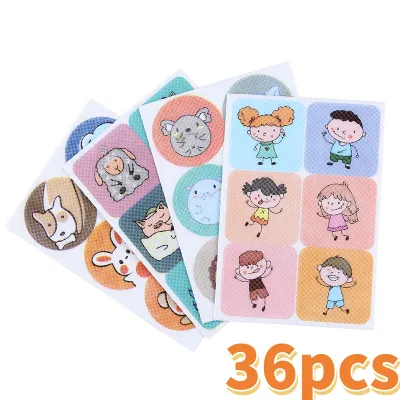
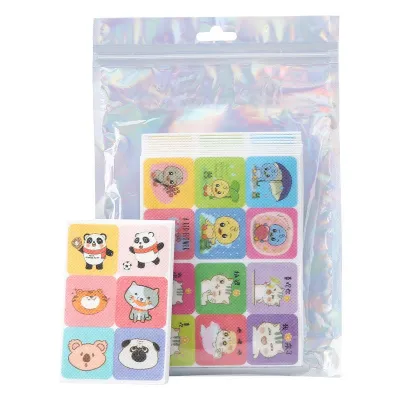
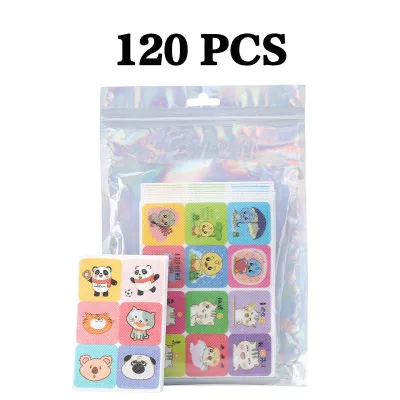
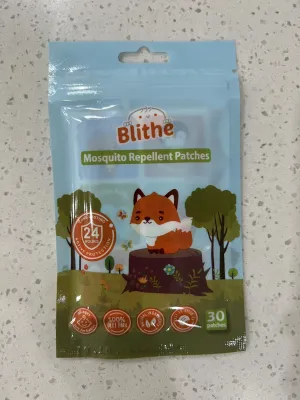
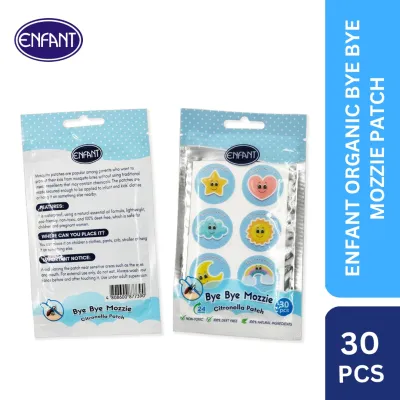
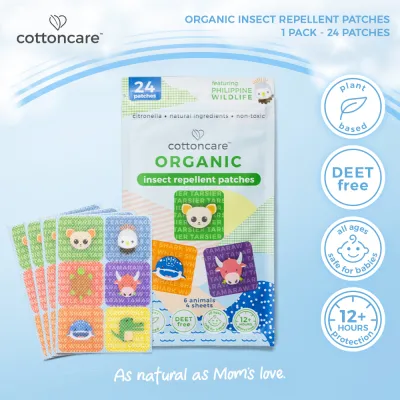
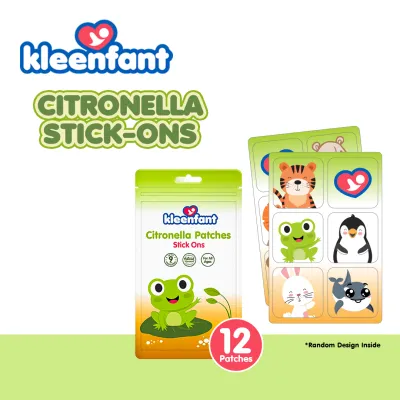
Prices are valid at publication and may change. Please refer to the product page for the latest price.
Understanding the Ingredients in Mosquito Patches for Kids
When browsing the shelves of local pharmacies or searching online marketplaces, you will find that most mosquito patches marketed for children rely on plant-based essential oils. The most common active ingredients include citronella oil, eucalyptus oil, peppermint oil, lemongrass oil, and lavender oil.
These natural oils work by releasing a scent that masks the carbon dioxide and lactic acid human bodies naturally emit, making it harder for mosquitoes to locate your child. Because these patches do not typically contain synthetic chemical repellents like DEET, many manufacturers market them as natural alternatives.
However, it is vital for parents to recognize that natural labels do not automatically translate to absolute safety for young children. Essential oils are highly concentrated plant extracts that evaporate into the immediate air space around your child.
An infant’s respiratory tract is incredibly delicate and still developing, meaning that strong, concentrated scents can easily trigger irritation, coughing, or airway sensitivity. Furthermore, some plant-based ingredients can cause allergic contact dermatitis if they accidentally touch the skin.
Before purchasing any brand of mosquito patches, make it a habit to flip the packaging over and thoroughly review the ingredient list. Look out for any added synthetic fragrances, preservatives, or carrier oils that might cause adverse reactions.
If a product does not clearly list its active and inactive ingredients, or if it uses vague terms like natural herb extracts without specifying the exact plants used, it is best to choose a more transparent brand. Knowing exactly what is in the patch allows you to monitor your child for specific sensitivities.
Age Restrictions and Safety Guidelines for Infants and Toddlers
One of the most critical steps in using mosquito patches safely is identifying and respecting the manufacturer’s minimum age guidelines. These age limits are established based on the concentration of active ingredients and the developmental vulnerabilities of children at different stages.

When you purchase a pack of patches, locate the age warning on the box or individual foil packaging. Many brands explicitly state that their products are not suitable for infants under six months of age, while others may set the limit at one year or even two years.
For newborns and young infants under six months, the general consensus among pediatric health experts is to avoid any product that relies on evaporating essential oils or chemical repellents. During these first few months of life, a baby’s skin barrier is exceptionally thin and permeable.
Additionally, young infants frequently put their hands, clothing, and nearby objects into their mouths. This creates a high risk of accidental ingestion or choking if a patch becomes loose or falls off within their reach.
As children grow into toddlers, their skin barrier matures, and their respiratory systems become more resilient. However, you must still adhere strictly to the age thresholds printed on the product packaging to prevent adverse reactions.
If you are ever unsure about the safety of a specific patch, or if the packaging lacks clear age-appropriate instructions, do not use the product. Instead, consult your pediatrician or a qualified healthcare professional who can provide personalized guidance based on your child’s health history.
Recognizing Skin Irritation and Essential Oil Toxicity
Even when you follow all packaging instructions, there is always a possibility that your child might experience an adverse reaction to a mosquito patch. As a caregiver, you must remain vigilant and know how to spot the early signs of skin irritation or essential oil sensitivity.
Localized skin reactions are the most common issue. If a patch is placed too close to the skin, or if the active ingredients seep through clothing, you may notice redness, swelling, small bumps, or a localized rash.
Your child might also show signs of discomfort, such as scratching at the area or becoming unusually fussy. These physical cues are often the first indicators that the ingredients are irritating their sensitive skin barrier.
Beyond skin irritation, parents must watch for signs of respiratory distress or systemic sensitivity caused by inhaling concentrated essential oil vapors. If the scent of the patch is too strong, or if the child is in an enclosed space, they may begin to cough, sneeze, or wheeze.
In rare cases of high exposure or sensitivity, a child might exhibit unusual lethargy, dizziness, or breathing difficulties. These symptoms indicate that the concentration of volatile oils is too high for your child’s system to tolerate comfortably.
If you observe any of these signs, take immediate action. Remove the patch from your child’s clothing or gear and discard it safely out of their reach to prevent further exposure.
If the active ingredients have made direct contact with the skin, gently wash the affected area with mild baby soap and cool water to remove any remaining oil residue. If the redness persists, if a rash spreads, or if your child experiences any respiratory symptoms, seek medical attention immediately.
Safe Application Practices to Minimize Risks
To minimize the risks associated with mosquito patches, proper application is key. The most important rule to remember is that mosquito patches should never be applied directly to a child’s skin.
Unlike topical lotions or sprays designed for skin application, patches are designed to adhere to fabrics and surfaces. Applying a patch directly to your baby’s delicate skin can cause severe contact irritation, and the adhesive backing can be painful to remove.
Instead, stick the patches onto your child’s clothing, preferably in areas they cannot easily see or reach. Excellent placement options include the upper back of their shirt, the outer collar, or the lower hem of their pants.
For infants who are riding in a stroller or resting in a playpen, you can apply the patches to the outer frame of the stroller, the canopy, or the fabric edges of the playpen. This keeps the patch close enough to provide a protective scent barrier while keeping it completely out of your child’s physical reach.
Keeping patches out of reach is also crucial for preventing choking hazards and accidental poisoning. Teething babies and curious toddlers explore their world by putting objects in their mouths, and a loose patch can easily be peeled off and swallowed.
Additionally, always ensure that the area where your child is resting or playing is well-ventilated. Avoid using multiple patches in small, enclosed spaces like a tightly zipped stroller cover or a small, unventilated bedroom, as the concentrated vapors can quickly become overwhelming.
Alternatives When Mosquito Patches Are Not Suitable
If your child has sensitive skin, respiratory allergies, or is simply too young for mosquito patches, there are several highly effective, non-chemical alternatives to keep them safe from mosquito bites. In tropical regions where mosquitoes are a year-round concern, physical barriers are often the safest and most reliable line of defense.
Installing a properly fitted mosquito net over your baby’s crib, stroller, or playpen provides an absolute physical barrier. This prevents insects from reaching your child without relying on any chemical scents or active ingredients.
Another practical strategy is dressing your child in protective clothing. When heading outdoors or during peak mosquito hours, dress your baby in lightweight, loose-fitting, long-sleeved shirts and long pants.
Opt for light-colored fabrics, as mosquitoes are naturally attracted to dark colors. Loose clothing not only keeps your child cool in warm, humid weather but also makes it difficult for mosquitoes to bite through the fabric to reach the skin.
Finally, managing your immediate environment is crucial for reducing mosquito populations around your home. Regularly inspect your living spaces and yard to eliminate any standing water, which serves as a breeding ground for mosquitoes.
Empty flowerpot saucers, clean out clogged gutters, and ensure water storage containers are tightly covered. Installing fine-mesh screens on windows and doors can also prevent mosquitoes from entering your home, creating a safer indoor environment for your entire family.
Frequently Asked Questions (FAQ)
Can I use adult mosquito patches on my toddler?
No, you should not use adult mosquito patches on a toddler. Adult patches often contain much higher concentrations of active ingredients or different chemical formulations that are unsafe for a young child’s sensitive skin and developing respiratory system. Always choose patches specifically labeled for kids, and carefully verify the age restrictions on the packaging before use.
How long can a baby wear a mosquito patch safely?
The safe duration for wearing a mosquito patch depends on the manufacturer’s instructions, which typically range from 4 to 12 hours. However, you should monitor the patch regularly to ensure it remains securely attached and does not peel off. Once you return indoors or the mosquito threat has passed, remove the patch promptly and discard it safely out of your child’s reach.
Community discussion
Share your experience or ask a question. Comments are reviewed before publication.