
Mosquito patches can be a convenient addition to your family’s insect defense strategy, but they are not universally safe for babies and toddlers. Their safety depends entirely on the specific active ingredients, the child’s developmental stage, and how carefully the patch is applied. Because infant skin is highly sensitive and young children naturally explore their world by putting objects in their mouths, these small adhesive stickers carry both chemical and physical risks. To protect your little one effectively, you must understand how these products work, read manufacturer labels with a critical eye, and prioritize physical barriers whenever possible.
How Mosquito Patches Work and Common Ingredients
These patches, often marketed as kids mosquito patches, are small adhesive stickers infused with volatile aromatic compounds. Instead of being absorbed into the body like topical lotions, they work by slowly releasing these scents into the air immediately surrounding the patch. This creates a localized scent barrier or masking zone that confuses the sensory receptors of mosquitoes, making it harder for them to locate human skin.
Most commercially available patches rely on plant-based essential oils rather than synthetic chemical repellents like DEET. Common active ingredients include citronella oil, eucalyptus oil, lemongrass extract, peppermint oil, and lavender. These natural extracts are highly concentrated within the adhesive matrix to ensure the scent lasts for several hours in warm, humid environments.
Products mentioned in this guide
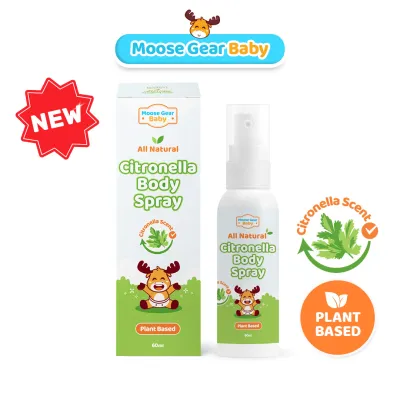
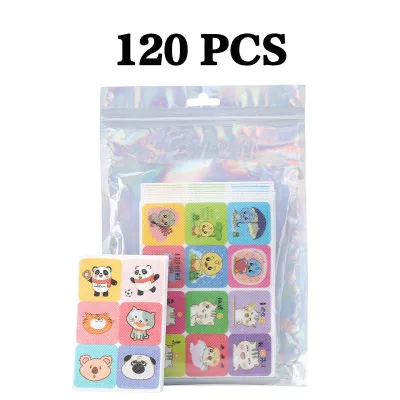
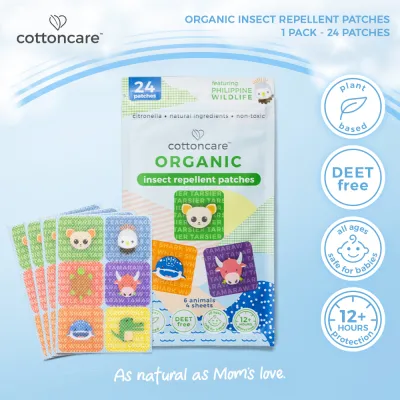
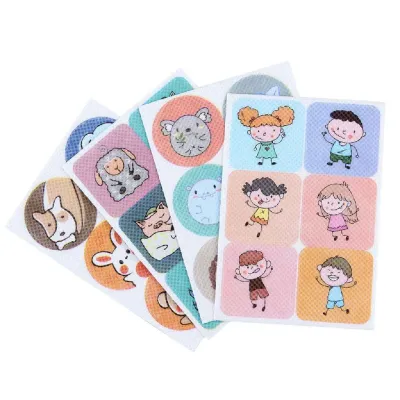
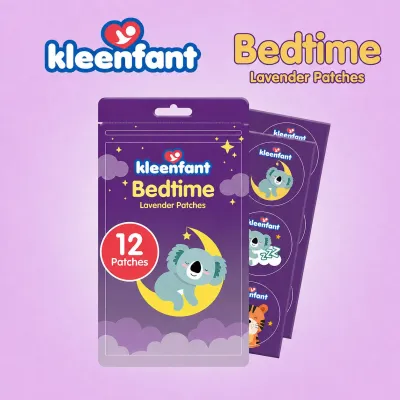
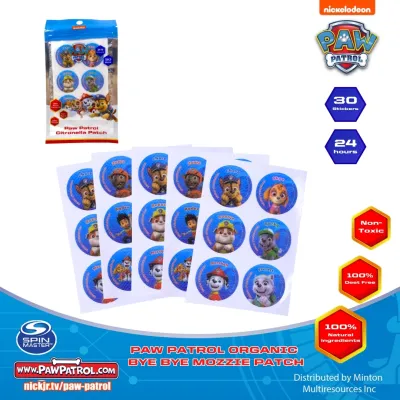
Prices are valid at publication and may change. Please refer to the product page for the latest price.
It is crucial to distinguish between patches designed for direct skin contact and those formulated strictly for external surfaces. Many products on the market are designed to be stuck only onto clothing, stroller frames, crib rails, or backpacks. Applying a clothing-only patch directly to a baby’s delicate skin can lead to severe irritation due to the high concentration of essential oils and the strength of the industrial adhesive used to keep the patch in place on fabric.
Key Safety Risks for Babies and Toddlers
While mosquito patches are often promoted as a natural and hassle-free alternative to sprays, they are not without hazards. Parents must evaluate two distinct categories of risk before introducing these products to a young child’s environment: chemical sensitivities and physical hazards. The chemical risks stem from the concentrated active ingredients that repel insects, while the physical risks are associated with the small, adhesive nature of the sticker itself.

Skin Irritation and Allergic Reactions
A baby’s skin is significantly thinner, more permeable, and far more sensitive than adult skin. This heightened permeability means that any chemical substance coming into direct contact with their skin is absorbed more rapidly and can trigger immediate adverse reactions. Highly concentrated plant extracts, such as citronella or eucalyptus, are known skin sensitizers that can easily cause contact dermatitis in infants and toddlers.
If a child experiences a reaction, the signs are usually localized to the area where the patch was applied or where the vapors gathered. Parents should watch for visual cues such as localized redness, swelling, small bumps, or a raised rash. Behavioral signs are equally important; a baby may become unusually fussy, cry persistently, or attempt to scratch and rub the area where the patch is located.
To prevent widespread irritation, always perform a localized patch test before using any new adhesive repellent product. Apply a single patch to a small, discreet area of clothing or a stroller accessory first to check for respiratory sensitivity, or follow the manufacturer’s specific instructions for a skin patch test if the product is explicitly labeled for skin application. Observe the child closely for several hours for any signs of discomfort, redness, or breathing changes before proceeding with full use.
Choking and Ingestion Hazards
Beyond chemical exposure, the physical design of mosquito patches presents a significant safety concern for babies and toddlers who are in the oral exploration phase of development. Infants and young toddlers naturally explore new textures and objects by placing them in their mouths. A colorful, cartoon-themed sticker stuck to their sleeve or pants is highly appealing and can easily be peeled off by curious little fingers.
If a child manages to remove a patch, it poses an immediate choking hazard. The adhesive backing can stick to the inside of the mouth or throat, blocking the airway. Furthermore, ingesting a patch means the child is swallowing concentrated essential oils and synthetic adhesives, which can lead to chemical poisoning, severe stomach upset, or chemical burns in the digestive tract.
To mitigate these physical risks, strategic placement is essential. If you choose to use patches, always place them completely out of your child’s direct reach and line of sight. Excellent placement options include the upper back of their shirt, the outer frame of a stroller, or the underside of a cap. Avoid placing patches on the front of shirts, sleeves, pants, or any area where a flexible toddler can easily reach and peel them off.
Checking Age Restrictions and Product Labels
Navigating the baby care aisle can be confusing, as many products feature playful designs and terms like baby-friendly or all-natural. However, parents must look past marketing claims and critically examine the manufacturer’s packaging. Product names and cute cartoon characters do not automatically guarantee that a mosquito patch is safe for newborns or young infants.
Always locate and strictly follow the manufacturer’s stated minimum age limits. Many plant-based patches are not recommended for infants under six months of age, and some specify a minimum age of two or three years due to the strength of the essential oils. Additionally, check the packaging for concentration warnings, safety certifications, and specific contraindications. If a product lacks clear age guidelines or ingredient lists, it is safest to avoid using it entirely.
Verify the intended application surface specified by the manufacturer. Some patches are formulated with milder adhesives and lower oil concentrations for direct skin contact, while others use heavy-duty adhesives meant only for fabrics or gear. Never assume a patch is safe for skin unless the label explicitly states so. If the instructions are ambiguous, conflicting, or difficult to read, err on the side of caution and apply the patch only to external gear like strollers, or choose a different protective method.
Best Practices for Safe Application
If you determine that a specific mosquito patch is age-appropriate and decide to use it, following strict application protocols will help minimize potential hazards. Whenever the product design allows, default to applying the patches to clothing, shoes, or stroller frames rather than directly on the child’s skin. This simple step creates a protective barrier of fabric between the concentrated essential oils and your child’s sensitive skin, significantly reducing the risk of contact dermatitis.
Pay close attention to the recommended duration of wear specified on the product label. While some patches claim to offer protection for up to twelve or twenty-four hours, leaving an adhesive patch on clothing for an extended period can cause the adhesive to melt into the fabric, leaving a stubborn residue that is difficult to wash out. More importantly, prolonged exposure to the volatile oils can increase the likelihood of respiratory irritation or skin sensitization over time. Remove and safely discard the patch as soon as you return indoors or when the specified protection window ends.
Continuous adult supervision is paramount when a child is wearing a mosquito patch. Check the patch frequently during the initial hours of use to ensure it remains securely attached and has not curled at the edges, which makes it easier for a toddler to peel off. When disposing of used patches, ensure they are placed in a secure, lidded trash bin immediately so that curious toddlers or pets cannot retrieve them from the floor or wastebasket.
When to Stop Use and Seek Medical Help
Even with careful application, adverse reactions can occur. Parents must be prepared to recognize the warning signs that indicate a patch must be removed immediately. Stop using the product if your child exhibits any signs of respiratory distress, such as coughing, wheezing, rapid breathing, or congestion, which can be triggered by strong essential oil vapors. Other immediate stop-conditions include excessive, unexplained crying, a widespread skin rash, hives, or blistering at the application site.
If you notice a mild localized skin reaction, perform basic, low-risk first aid immediately. Gently peel the patch off the clothing or skin. Wash the affected skin area thoroughly with mild baby soap and cool water to remove any lingering essential oil residue or adhesive. Pat the skin dry with a clean towel and allow it to breathe; do not apply heavy creams or self-prescribed medicated ointments unless advised by a healthcare professional.
You should bypass home care and seek immediate medical attention or consult a pediatrician if your child exhibits severe symptoms. Emergency care is necessary if you suspect the child has swallowed a patch, if they show signs of a severe allergic reaction (such as swelling of the face, lips, or tongue), or if respiratory difficulties persist after removing the patch. Always keep the product packaging handy so you can show the medical team the exact ingredient list.
Safer Alternatives for Infant Mosquito Protection
For parents of newborns, very young infants, or children with highly sensitive skin, physical barriers and environmental controls offer a highly effective, chemical-free alternative to mosquito patches. In tropical climates where mosquito-borne illnesses are a concern, physical barriers provide reliable protection without the risk of skin irritation or accidental ingestion.
Using fine-mesh mosquito nets is one of the safest and most effective ways to protect sleeping or resting infants. Ensure that cribs, playpens, and strollers are fitted with tightly woven, breathable netting that does not sag into the child’s reach. This creates a secure physical shield that keeps mosquitoes at bay while allowing optimal airflow, which is crucial in warm, humid weather.
Dressing your child in appropriate clothing is another simple yet powerful defense. Opt for lightweight, loose-fitting, long-sleeved shirts and long pants made from breathable fabrics like cotton. Light-colored clothing is preferable, as mosquitoes are naturally attracted to dark colors, and light fabrics make it easier to spot any insects that land on your child.
Finally, focus on environmental controls around your home to reduce the overall mosquito population. Regularly inspect your living spaces and yard to remove any standing water in flower pots, buckets, or drains, as these serve as breeding grounds for mosquitoes. Ensure that window and door screens are secure and free of tears to prevent insects from entering your home, creating a safer indoor environment for the entire family.
Frequently Asked Questions (FAQ)
Can I put a mosquito patch directly on my baby's skin?
Direct skin application depends entirely on the manufacturer’s explicit instructions. However, because infant skin is incredibly delicate and prone to absorbing concentrated substances, it is highly recommended to default to clothing or stroller application. Even if a product claims to be skin-safe, applying it to fabric minimizes the risk of adhesive irritation and chemical sensitization.
How long can a toddler wear a mosquito patch?
The safe wear time must strictly follow the specific product’s label instructions, which typically range from a few hours to a full day. You should remove the patch immediately if your toddler shows any signs of discomfort, skin redness, or respiratory irritation, or as soon as you return indoors where mosquito protection is no longer needed.
Are plant-based mosquito patches completely risk-free?
No, plant-based does not mean risk-free. Natural essential oils like citronella, eucalyptus, and lemongrass are highly concentrated and can still cause allergic reactions, skin sensitization, or respiratory irritation in babies and toddlers. They require the same careful label checking, strategic placement, and adult supervision as any other repellent product.
Community discussion
Share your experience or ask a question. Comments are reviewed before publication.