
Quick Answer: Safety and Age Guidelines for Mosquito Patches
Whether mosquito patches are safe for your baby depends entirely on the specific active ingredients, the product’s design, and the manufacturer’s designated age limits. There is no single universal age at which all patches become safe. While some natural, essential-oil-infused patches are marketed for infants, others containing synthetic chemicals or high concentrations of potent oils are strictly restricted to older children or adults.
Before using any product, including specialized options like a moskinto patch or generic repellent stickers, you must locate and read the manufacturer’s packaging for explicit age restrictions. It is also important to distinguish between repellent patches, which emit vapors to keep insects away, and mechanical itch-relief patches, which are applied post-bite. For babies with highly sensitive skin, respiratory conditions, or underlying health concerns, always consult a pediatrician before introducing any new patch to their environment.
How to Determine the Right Age for Your Baby
Determining when your baby can safely wear or be near a mosquito patch requires careful inspection of the product packaging. Manufacturers typically print age recommendations clearly on the outer box, the back of the pouch, or within the enclosed instruction leaflet. If the age limit is not immediately visible on the physical packaging, visit the brand’s official website or contact their customer support to verify the safety parameters before application.
Products mentioned in this guide
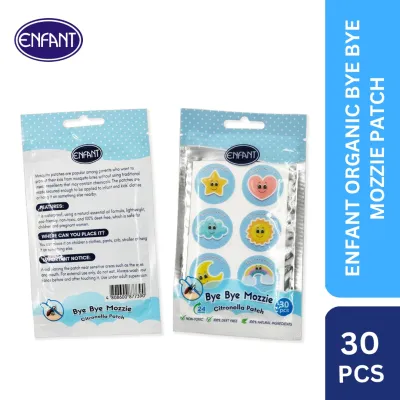
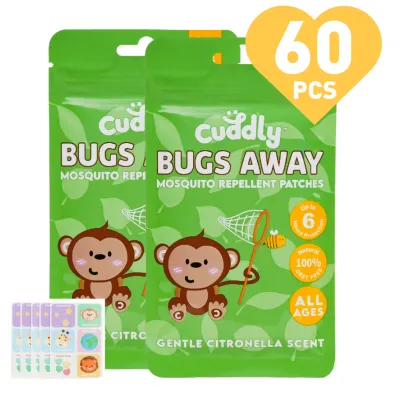
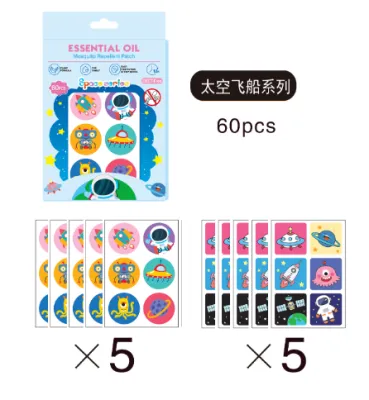
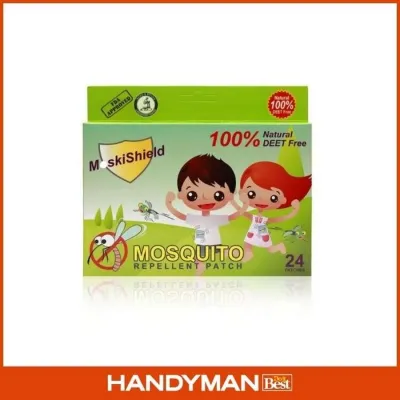
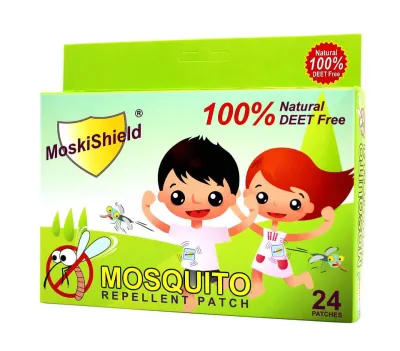
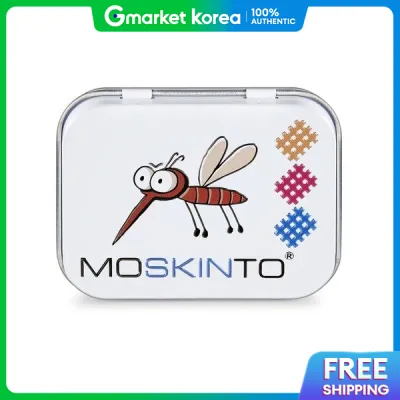
Prices are valid at publication and may change. Please refer to the product page for the latest price.

These age restrictions are established because an infant’s physiological systems are highly vulnerable. A baby’s skin is significantly thinner, more delicate, and more permeable than adult skin, making it highly susceptible to localized irritation or systemic absorption of topically applied substances. Furthermore, an infant’s respiratory system is still developing. Strong vapors from essential oils or chemical agents, which are designed to diffuse into the air to repel insects, can easily overwhelm or irritate a baby’s sensitive airways.
Because of these developmental vulnerabilities, parents must strictly avoid using adult-formulated or general household mosquito patches on infants. Products designed for older children or adults often contain much higher concentrations of active ingredients. What is perfectly safe for an adult can cause severe skin reactions or respiratory distress in a young baby. Always choose products that are explicitly labeled for infant use and match your child’s exact age bracket.
Reading the Label: Ingredients and Safety Warnings
When evaluating a mosquito patch, the ingredient list is your most critical tool for assessing safety. Turn the packaging over and locate the active ingredients along with their exact concentrations. Many baby-targeted patches utilize plant-based essential oils such as citronella, peppermint, lavender, or lemongrass. While these are often perceived as gentle, they are still active biochemical agents that require careful handling around developing infants.
Take the time to check the label for specific allergen warnings and contraindications. For instance, health authorities widely advise against using products containing oil of lemon eucalyptus (OLE) or PMD on children under three years of age. Even seemingly mild essential oils can trigger allergic contact dermatitis or respiratory sensitivity in vulnerable babies. If the packaging does not clearly list every ingredient and its concentration, treat the product with caution and consider alternative options.
Additionally, verify whether the product has been explicitly formulated and tested for babies rather than general family use. Reputable manufacturers of baby products subject their items to rigorous dermatological and safety evaluations to ensure they meet strict pediatric standards. Look for clear indications of these safety checks on the label, and avoid unbranded or cheaply imported patches that lack comprehensive ingredient disclosures and clear safety certifications.
Safe Application and Placement Rules
To minimize risks such as chemical irritation or accidental ingestion, you must follow precise application rules. The vast majority of baby-safe mosquito repellent patches are designed to be applied to clothing, strollers, cribs, or playpens rather than directly onto the baby’s skin. Applying a repellent patch directly to an infant’s delicate skin can cause rapid irritation, redness, or an allergic reaction due to the concentrated oils or adhesives.
When placing a patch on your baby’s clothing or gear, positioning is everything. Always apply the patch in a location that is completely out of your baby’s reach and sight, such as the upper back of their shirt or the outer canopy of their stroller. Babies naturally explore their environment by grabbing objects and putting them in their mouths. A loose or poorly placed patch poses a severe choking hazard and a risk of chemical ingestion if a baby manages to peel it off.
Once the patch is applied, monitor your baby closely for the first few hours. Watch for any physical signs of discomfort, such as localized skin redness beneath the clothing where the patch is attached, watering eyes, sneezing, or respiratory changes. If you notice any unusual behavior or physical symptoms, it is vital to act quickly to remove the source of irritation.
Signs to Remove the Patch and Seek Help
As a caregiver, you must remain vigilant and recognize the early warning signs of an adverse reaction to a mosquito patch. If your baby experiences skin sensitivity, you may notice localized redness, swelling, a raised rash, or hives near the area where the patch was placed. Respiratory reactions can manifest as sudden coughing, wheezing, sneezing, watery eyes, or unusual fussiness and irritability that suggests physical discomfort.
If you observe any of these signs, immediately peel the patch off and dispose of it safely out of the baby’s reach. If the patch was accidentally applied directly to the skin, or if the active ingredients have seeped through the clothing, gently wash the affected skin area with mild baby soap and lukewarm water. This helps remove any remaining chemical residues or oils that could continue to irritate the skin.
While minor skin redness often fades quickly once the trigger is removed, some situations require professional medical evaluation. Seek immediate medical attention if your baby exhibits persistent skin irritation, swelling around the face or neck, difficulty breathing, rapid breathing, or any signs of a systemic allergic reaction. It is always safest to let a qualified pediatrician evaluate the symptoms and recommend appropriate care.
Alternative Protection Methods for Young Infants
For newborns and young infants who are too young for mosquito patches or chemical repellents, physical barriers offer the safest and most reliable protection. A properly fitted, fine-mesh mosquito net is highly effective for safeguarding your baby. You can easily drape these nets over cribs, bassinets, playpens, and strollers, creating a secure, chemical-free barrier against flying insects during outdoor walks or afternoon naps.
Your choice of baby clothing also plays a major role in preventing insect bites. When spending time outdoors, dress your baby in lightweight, breathable, long-sleeved tops and long pants. Opt for light-colored fabrics, as mosquitoes are naturally attracted to dark colors. Ensuring that as much skin as possible is covered by loose-fitting clothing significantly reduces the surface area available for mosquitoes to target.
Finally, managing the immediate environment is crucial for keeping mosquito populations at bay, especially in tropical climates like the Philippines where high humidity and seasonal rains create ideal breeding conditions. Regularly inspect your home and yard to eliminate any standing water in flower pots, buckets, toy containers, or clogged gutters. Ensuring that all window and door screens are intact and free of holes will also help keep your indoor living spaces safe and comfortable for your family.
Frequently Asked Questions (FAQ)
Can I put a mosquito patch directly on my baby's skin?
Most baby-safe mosquito repellent patches are strictly designed to be applied to clothing, strollers, or nearby gear, and should never be placed directly on an infant’s skin. The concentrated essential oils and adhesives used in these patches can easily irritate a baby’s thin, sensitive skin. However, some mechanical, non-chemical itch-relief patches, such as a moskinto patch, are designed for direct skin application to soothe existing bites. Always read the specific product packaging carefully to confirm the intended placement and verify the manufacturer’s age limits before applying any patch directly to your baby.
Do mosquito patches protect against dengue-carrying mosquitoes?
While mosquito patches can help reduce general insect bites in the immediate area where they are placed, they do not provide a guaranteed shield against dengue-carrying mosquitoes. The Aedes aegypti mosquito, which transmits dengue, is highly active during daylight hours in tropical regions. Relying solely on a patch is not sufficient for complete protection. To safeguard your baby in dengue-prone areas, you must combine patches with comprehensive environmental controls, physical barriers like mosquito nets, protective clothing, and follow the latest health guidelines provided by local medical authorities.
Community discussion
Share your experience or ask a question. Comments are reviewed before publication.