
Protecting your little one from insect bites is a top priority, especially during the humid rainy season in the Philippines when dengue cases tend to spike. As you search for convenient ways to shield your child, you might wonder if a sticker-like mosquito patch is a safe and reliable option for your baby.
The short answer is that the safety of any mosquito patch depends heavily on your baby’s age, the specific active ingredients in the product, and how the patch is applied. While these colorful patches are highly popular and convenient, pediatricians and safety experts generally do not recommend them for newborns and very young infants.
The golden rule of using a mosquito patch is simple: it must never be applied directly to a baby’s skin. Because a baby’s skin barrier is incredibly thin and highly sensitive, placing adhesive chemicals or concentrated essential oils directly on their body can cause severe irritation or allergic reactions.
Products mentioned in this guide
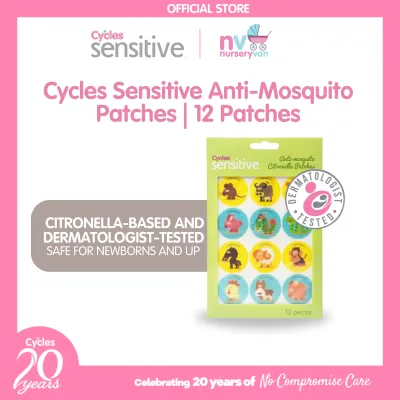
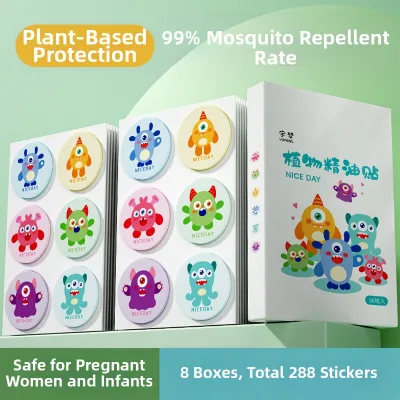
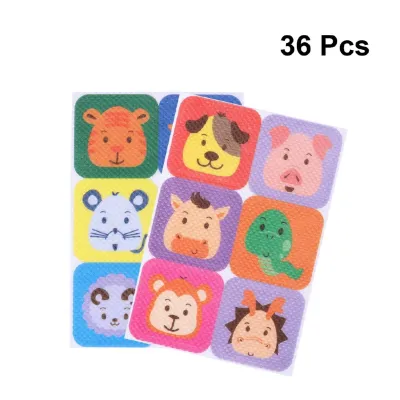
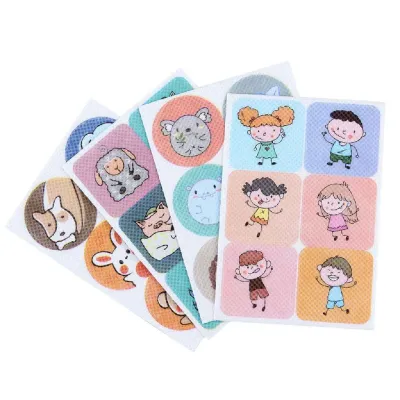
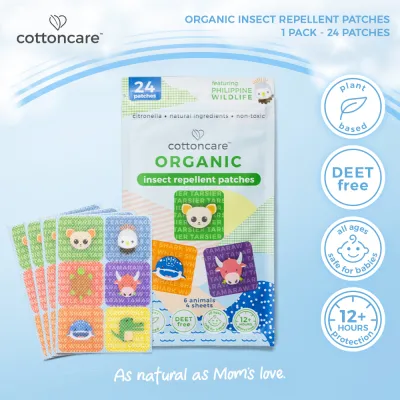
![[10 boxes + FREE 1 box] MoskiShield Mosquito Repellent Stick On Patch 10 Boxes Plus 1 FREE Box Dengue Protection](https://img.lazcdn.com/g/p/4c3d74e85da703f42633155990d096f0.png_400x400q80.png_.webp)
![[10 box + 10 pouch] MoskiShield Mosquito Repellent Stick On Patches Buy 10 Get 10 Anti Dengue](https://img.lazcdn.com/g/p/df25b2061bc9a830ec93ed64184549ac.png_400x400q80.png_.webp)
Prices are valid at publication and may change. Please refer to the product page for the latest price.
Before buying any repellent product, parents must carefully inspect the manufacturer’s packaging for specific age restrictions and consult a pediatrician if they have any doubts. Let’s explore the science behind these patches, the precise age limits you should follow, and the safest ways to keep your baby bite-free.
How a Mosquito Patch Works and Common Ingredients
To evaluate the safety of these products, it helps to understand how they function. Unlike topical lotions or sprays that coat the skin to mask human scents, a mosquito patch acts as a localized vapor diffuser.
These patches are typically made of a non-woven fabric infused with volatile oils. Once peeled and exposed to the air, the patch slowly releases aromatic vapors into the immediate surrounding space, creating a temporary sensory shield that makes it difficult for mosquitoes to locate the host.
Most patches marketed for babies contain plant-based active ingredients, such as citronella oil, eucalyptus oil, lemongrass oil, or peppermint oil. Manufacturers frequently label these products as “natural” or “organic” to appeal to safety-conscious parents who want to avoid synthetic chemicals like DEET.
However, it is a common misconception that “natural” automatically translates to “safe” for an infant. Plant-based essential oils are highly concentrated chemical compounds that can act as potent dermal and respiratory irritants.
In a tropical climate like the Philippines, high heat and humidity can accelerate the evaporation rate of these essential oils. This rapid release can cause the initial vapors to be highly concentrated, which can easily overwhelm a baby’s highly sensitive airway, especially in confined spaces like a car or a closed bedroom.
Age Guidelines: When Can Babies Start Using Mosquito Patches?
A baby’s physical systems undergo rapid development during the first year of life, making them uniquely vulnerable to environmental exposures. Newborns and young infants under six months of age should avoid mosquito patches entirely.

During these early months, an infant’s skin barrier is still developing, making it highly permeable to topically applied substances. Additionally, their respiratory passages are incredibly narrow and sensitive, meaning that inhaling highly concentrated essential oil vapors can trigger airway irritation or breathing distress.
For older babies, the safety of a mosquito patch depends heavily on the specific active ingredient used. For example, major pediatric authorities advise against using products containing oil of lemon eucalyptus (OLE) or its synthetic equivalent, para-menthane-3,8-diol (PMD), on children under three years of age.
Even for patches containing milder oils like citronella, formulations and concentrations vary widely across different brands. This is why parents must treat age guidelines on packaging as strict safety boundaries rather than mere suggestions.
Always read the manufacturer’s label to verify the minimum age requirement before purchasing. If a product lacks clear age guidelines, ingredient lists, or manufacturer contact details, it is best to avoid it entirely and opt for a more transparent brand.
Potential Side Effects and Safety Risks for Babies
While a mosquito patch might seem like a harmless sticker, it carries several physical and chemical risks that parents must actively manage.
- Skin Irritation and Allergic Reactions: If a patch is mistakenly applied directly to the skin, or if a baby manages to pull it off and stick it to their bare arm or leg, it can cause allergic contact dermatitis. This reaction often presents as redness, swelling, itching, or even mild chemical burns. The risk of irritation increases in hot, humid weather where sweat can dissolve the adhesive, causing the concentrated oils to run onto the skin.
- Respiratory Irritation: The strong, pungent scents of essential oils like citronella or eucalyptus are designed to repel insects, but they can easily irritate a baby's respiratory tract. Inhaling these concentrated vapors in poorly ventilated spaces can cause coughing, sneezing, watery eyes, or wheezing, particularly in babies with sensitive airways or a family history of asthma.
- Choking and Ingestion Hazards: This is perhaps the most immediate physical risk associated with patches. Babies love to explore their environment by putting objects in their mouths. If a patch is placed within the baby's reach, they can easily peel it off their clothing, stroller, or crib frame. Once in the mouth, the adhesive patch poses a severe choking hazard, and swallowing the concentrated essential oils can lead to chemical poisoning or severe gastrointestinal distress.
Essential Safety Precautions for Using a Mosquito Patch
If your baby meets the age requirements and you choose to use a mosquito patch, following strict safety precautions is vital to prevent accidental injury or adverse reactions.
- Proper Application: Never, under any circumstances, stick a patch directly onto your baby's skin. Instead, apply the patch only to the outer layers of their clothing, such as the back of a shirt where they cannot reach it. You can also attach it to external gear like the outer frame of a stroller, a baby carrier, or the outside of a playpen.
- Strategic Placement: Keep the patch entirely out of your baby's line of sight and reach. Avoid placing it on the front of their shirt, on their sleeves, or near their hands. Additionally, keep the patch away from their collar or hood to prevent the concentrated vapors from being directly inhaled into their nose and eyes.
- Ensure Good Ventilation: Only use mosquito patches in well-ventilated, open-air environments. If you are indoors, ensure there is active airflow, such as from an open window or a ceiling fan. Avoid using patches in enclosed, air-conditioned rooms or small vehicles where the vapor concentration can quickly build up to uncomfortable levels.
- Vigilant Monitoring: Whenever you apply a patch, monitor your baby closely for the first few hours. Watch for any subtle signs of discomfort, such as rubbing their eyes, unusual fussiness, coughing, or sneezing. If you notice any of these symptoms, remove the patch immediately, dispose of it safely, and move your baby to fresh air.
Safer Mosquito Protection Alternatives for Infants
In tropical regions like the Philippines, where protecting infants from mosquito bites is crucial to prevent diseases like dengue, relying solely on chemical repellents is rarely the best approach. Physical barriers remain the safest and most effective gold standard for infant pest protection.
Using a high-quality, properly fitted mosquito net over your baby’s crib, bassinet, or stroller provides complete, chemical-free protection. Ensure the net is pulled taut and does not sag into the sleeping area, where it could pose a suffocation hazard.
Dressing your baby in lightweight, breathable, long-sleeved shirts and long pants is another excellent way to minimize exposed skin. Opt for light-colored clothing, as mosquitoes are naturally attracted to dark colors, and light fabrics make it easier to spot any insects that land on your child.
Inside the home, simple environmental adjustments can dramatically reduce mosquito activity. Running an electric fan on a low or medium setting creates enough wind turbulence to disrupt a mosquito’s weak flight pattern, making it difficult for them to land on your baby.
Additionally, conduct regular sweeps of your living space to eliminate standing water in flower pots, pet bowls, or open containers, as these are prime breeding grounds for disease-carrying mosquitoes.
What to Do If Your Baby Has an Adverse Reaction
If your baby experiences an adverse reaction to a mosquito patch, taking prompt, calm action is essential to limit the discomfort and prevent further complications.
First, immediately peel off the patch and remove any clothing that may have come into contact with the adhesive or leaked oils. If the active ingredients touched your baby’s skin, wash the area gently with mild, baby-safe soap and lukewarm water to remove any chemical residue. Avoid scrubbing the skin, as this can worsen irritation and push the oils deeper into the pores.
Monitor your child closely after washing. Seek immediate medical attention or visit the nearest clinic if your baby exhibits any of the following warning signs:
- A persistent or spreading skin rash, hives, or swelling
- Difficulty breathing, shallow breathing, or rapid chest movements
- Wheezing, persistent coughing, or gasping for air
- Extreme lethargy, unusual drowsiness, or inconsolable crying
When seeking medical help, always bring the original product packaging with you so the healthcare provider can identify the exact ingredients and provide targeted treatment.
Frequently Asked Questions (FAQ)
Can I put a mosquito patch on my baby's crib or stroller?
Yes, attaching a patch to a crib or stroller is generally much safer than placing it on your baby’s clothing. However, you must ensure the patch is placed completely out of your baby’s reach and line of sight. For strollers, attach it to the outer fabric of the canopy or the lower chassis. For cribs, stick it to the outer side of a wooden slat or the underside of the frame where your baby cannot touch, peel, or mouth it.
Are citronella patches safe for babies?
While citronella is a popular plant-based repellent with low systemic toxicity, it is not entirely risk-free. The strong, distinct scent of citronella can cause sensory or respiratory irritation in newborns and young infants. Citronella patches should only be used on babies who meet the manufacturer’s minimum age guidelines, and they must always be applied to outer clothing or gear rather than directly on the skin.
Do mosquito patches provide enough protection against dengue?
No, mosquito patches do not provide sufficient protection against dengue on their own. Because patches only release vapors in a highly localized area, they leave other parts of your baby’s body exposed to bites. In dengue-endemic regions like the Philippines, patches should only be used as a secondary line of defense. For reliable protection, always combine them with physical barriers like mosquito nets, protective clothing, and environmental mosquito control.
Community discussion
Share your experience or ask a question. Comments are reviewed before publication.