
When protecting your baby from mosquito bites, especially during hot, humid seasons in the Philippines when dengue cases tend to rise, finding a safe and effective solution is a top priority for every parent. Mosquito patches have become a highly popular choice because they are convenient, easy to use, and do not require applying creams or sprays directly onto a baby’s delicate skin. However, determining whether mosquito patches are truly safe for your baby is not a simple yes-or-no question. The safety of these products depends heavily on their specific active ingredients, the baby’s age, and how carefully parents follow application guidelines. While many patches are marketed as natural and gentle, they rely on concentrated essential oils that can still pose risks of skin irritation or respiratory discomfort if misused.
To make an informed decision, parents must look beyond appealing packaging and understand the science behind these products. An infant’s skin barrier is significantly thinner and more permeable than an adult’s, meaning substances applied to or near their skin are absorbed much more rapidly. Additionally, a baby’s developing respiratory system can be highly sensitive to strong, volatile scents. By learning how to evaluate ingredients, recognize potential skin and respiratory risks, and implement safe application practices, you can protect your little one from insect bites while keeping their sensitive skin and airways completely safe.
How Mosquito Patches Work and Common Ingredients
Mosquito patches are small, adhesive stickers designed to be attached to clothing, strollers, or nearby surfaces. Unlike topical repellents that form a barrier directly on the skin, these patches work by releasing volatile plant-based essential oils into the surrounding air. As these oils evaporate, they create a localized scent bubble or barrier. This scent masks the carbon dioxide, lactic acid, and body heat that humans naturally emit, which are the primary cues mosquitoes use to locate their hosts. By disrupting the mosquito’s sensory receptors, the patch makes the baby effectively invisible to nearby insects within a limited radius.
Products mentioned in this guide
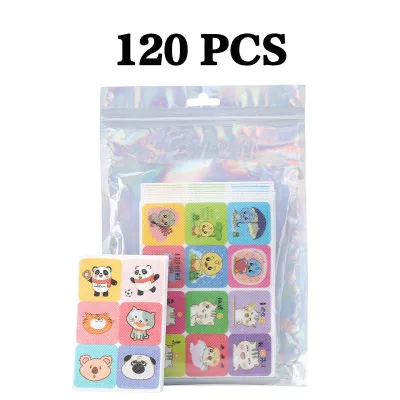
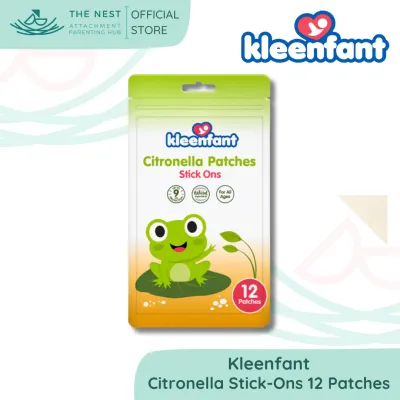
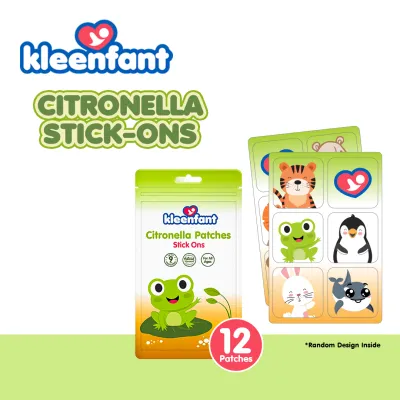
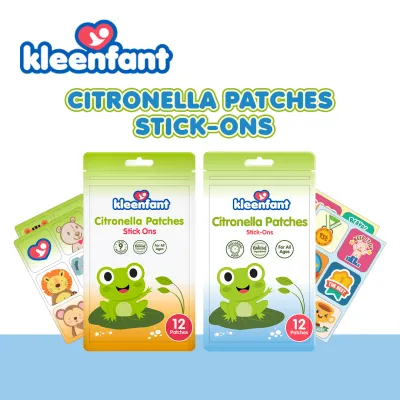
Prices are valid at publication and may change. Please refer to the product page for the latest price.
The active ingredients in these patches are almost exclusively plant-derived essential oils. The most common components include citronella oil, eucalyptus oil, peppermint oil, lemongrass oil, and lavender oil. Citronella is perhaps the most widely used natural repellent, known for its distinct citrusy aroma that mosquitoes find highly unappealing. Eucalyptus and lemongrass oils contain active compounds like citronellal and geraniol, which also provide moderate repellent properties. Because these ingredients come from plants, manufacturers frequently market these patches as natural, chemical-free, or organic.
However, a major misconception among parents is that natural or plant-based automatically translates to hypoallergenic or risk-free. In reality, essential oils are highly concentrated chemical mixtures. For example, pure citronella oil contains dozens of individual organic compounds, some of which are known allergens and skin sensitizers. When these oils evaporate, they release volatile organic compounds into the air. While these compounds are generally safe for older children and adults in moderate amounts, they can easily overwhelm a baby’s highly sensitive sensory and respiratory systems. Therefore, labeling a product as natural does not guarantee it will not cause an adverse reaction on your baby’s skin or in their lungs.
Age Restrictions and Skin Sensitivity Risks
When considering mosquito patches for your baby, age is one of the most critical factors to keep in mind. Pediatricians and dermatologists generally advise extreme caution when exposing newborns and young infants under six months of age to concentrated essential oils. During the first few months of life, a baby’s skin barrier is still developing, making it highly susceptible to irritation and rapid absorption of topical substances. Furthermore, their metabolic systems are not yet fully equipped to process certain compounds absorbed through the skin or inhaled in high concentrations. Parents must always verify the specific manufacturer’s age recommendations on the packaging, as many patches are explicitly labeled as unsuitable for infants under six months or even one year of age.

Direct or indirect contact with essential oils can lead to various skin sensitivity risks, most notably contact dermatitis. This condition manifests as localized redness, swelling, dry or flaky patches, or a raised, itchy rash where the active ingredients have touched the skin. Because babies frequently rub their faces, put their hands in their mouths, and touch their clothing, a patch placed within their reach poses a double risk. If a baby touches a patch and then rubs their eyes or mouth, they can transfer the concentrated oils directly to these highly sensitive mucosal membranes, causing severe stinging, watering eyes, and intense discomfort.
Respiratory considerations are equally important, particularly in tropical climates where indoor spaces may sometimes be closed or air-conditioned to beat the heat. Strong, volatile scents from essential oil patches can quickly accumulate in poorly ventilated areas, such as a small nursery, a closed car, or a stroller with a lowered canopy. Inhaling these concentrated vapors can irritate a baby’s sensitive, developing airways. This irritation can trigger sudden coughing fits, sneezing, nasal congestion, or watery eyes. For babies with a family history of asthma, allergies, or reactive airway disease, exposure to strong essential oil scents can even provoke mild wheezing or respiratory distress.
To ensure your baby’s safety, it is vital to recognize the early warning signs of an adverse reaction. Parents should immediately stop using any mosquito patch if they observe stop-use signals such as persistent coughing, sudden fussiness or unexplained crying, frequent sneezing, or rubbing of the eyes and nose. Additionally, any visible skin irritation, such as redness or hives on the skin beneath or near where the patch was applied, warrants immediate removal of the product and a thorough assessment of the baby’s comfort.
How to Evaluate Product Labels and Safety Claims
With numerous mosquito protection products available on the market, parents must learn how to critically evaluate product labels and safety claims rather than relying on attractive marketing designs. When shopping for patches, the first step is to carefully read the complete ingredient list. Look for clear, specific botanical names of the active oils rather than vague terms like natural plant extracts or essential oil blend. A transparent ingredient list allows you to identify potential allergens. Be particularly cautious of products that contain undisclosed synthetic fragrances, artificial colorants, or chemical preservatives, as these additives can significantly increase the risk of skin irritation.
Next, locate and strictly follow the manufacturer’s stated age restrictions, usage duration, and safety warnings. These are typically printed on the back of the box or on the individual foil packaging. If a product does not clearly state a minimum age for safe use, it is best to avoid using it on infants and look for a brand that provides explicit age guidelines. Pay close attention to the recommended usage duration as well; while some patches claim to provide protection for up to 12 or 24 hours, the concentration of volatile oils is highest immediately after opening, which is when the risk of respiratory irritation is also at its peak.
Parents should also learn how to verify dermatological testing claims and safety certifications. Many brands, including popular options like the Kleenfant patch, may feature labels indicating they are dermatologically tested or pediatrician approved. It is important to understand that these terms are not universally standardized. To verify these claims, check the manufacturer’s official website or product documentation for details on the testing protocols used, or look for recognized third-party certification seals on the packaging. Remember that certifications and safety standards are dynamic; a product’s formulation or certification status can change over time, so parents should make it a habit to inspect the packaging of each new batch they purchase to ensure the safety claims remain valid and up to date.
Safe Application Practices to Minimize Risks
If you decide to use mosquito patches, adopting safe application practices is essential to minimize any potential risks to your baby’s skin and respiratory system. The most important rule of thumb is to never apply a mosquito patch directly onto your baby’s skin. Even if a product claims to be gentle, the adhesive backing and the concentrated essential oils can cause severe contact dermatitis or localized allergic reactions on delicate infant skin. Instead, always adhere the patch to the outside of your baby’s clothing, ensuring it is placed in an area they cannot easily reach, see, or pull off—such as the upper back of their shirt, the collar, or the outer side of their footwear.
In addition to clothing, you can utilize nearby baby gear to create a protective scent barrier without direct physical contact. Stroller frames, canopy hoods, diaper bags, and the outer rails of playpens or cribs are excellent alternative placement sites. However, when applying patches to gear, you must maintain adequate airflow. Avoid using multiple patches simultaneously in enclosed or semi-enclosed spaces. For instance, if your baby is resting in a stroller with the canopy fully extended or a rain cover attached, using multiple highly concentrated patches can trap the volatile vapors inside, creating an overwhelming concentration of scent that can irritate their airways. One patch is generally sufficient to provide localized protection in outdoor settings.
Before using a new brand of mosquito patch for an extended period, it is highly recommended to conduct a preliminary patch test to monitor for any delayed sensitivity or respiratory reactions. To do this, open a single patch and adhere it to a piece of your baby’s clothing or a stroller accessory while keeping them under close supervision in a well-ventilated room. Observe your baby for at least 30 to 60 minutes, watching closely for any signs of respiratory discomfort, sneezing, coughing, or behavioral changes such as sudden fussiness. If your baby tolerates the scent without any issues, you can proceed with using the patch outdoors, but continue to monitor their skin and breathing regularly.
Finally, always practice prompt and safe disposal of used patches. Once you return indoors or the recommended usage time has expired, remove the patch immediately from your baby’s clothing or gear. Dispose of it in a secure, lidded trash bin where your baby or household pets cannot reach it. Used patches still contain residual essential oils and adhesive chemicals, which can pose a choking hazard or cause poisoning if a curious baby manages to peel them off and put them in their mouth.
Effective Non-Chemical Alternatives for Babies
For parents who prefer to avoid aromatic patches altogether, or for infants with extremely sensitive skin, eczema, or reactive airways, there are highly effective, zero-risk physical and environmental mosquito protection methods available. These non-chemical alternatives focus on preventing mosquitoes from reaching your baby in the first place, making them the safest and most reliable primary line of defense, especially for newborns under six months of age.
Physical barriers are incredibly effective at keeping mosquitoes at bay without introducing any chemical substances or strong scents. When taking your baby outdoors for an afternoon stroll, utilize a properly fitted stroller mosquito net. These lightweight, breathable mesh covers drape securely over the stroller, allowing fresh air to circulate while physically blocking mosquitoes and other insects from entering. Similarly, for indoor sleep, a well-installed crib mosquito net provides a secure, insect-free sleeping environment. Dressing your baby in long-sleeved, loose-fitting, and breathable clothing made of light-colored cotton is another excellent physical barrier. Light colors are less attractive to mosquitoes, and the loose fit prevents insects from easily biting through the fabric while keeping your baby cool in the warm, humid climate of the Philippines.
Environmental controls around your home are equally vital for long-term mosquito protection. Mosquitoes require stagnant water to breed, so regularly inspecting your surroundings and eliminating any standing water—such as in flower pot saucers, empty buckets, clogged gutters, or pet water bowls—can drastically reduce the local mosquito population. Installing high-quality window and door screens helps keep insects out of your living spaces. Additionally, maintaining steady indoor airflow by using standing fans or ceiling fans is a simple yet highly effective deterrent. Because mosquitoes are weak fliers, the physical breeze generated by a fan makes it incredibly difficult for them to fly, navigate, or land on your baby’s skin.
Frequently Asked Questions (FAQ)
Can I stick a mosquito patch directly on my baby's skin?
No, you should never stick a mosquito patch directly onto your baby’s skin. Infant skin is incredibly thin, delicate, and highly permeable, making it extremely vulnerable to localized irritation, redness, and contact dermatitis from both the strong adhesive chemicals and the highly concentrated essential oils infused in the patch. Direct skin contact also increases the rate at which these active ingredients are absorbed into your baby’s bloodstream. To ensure safety, always adhere the patch to the outside of your baby’s clothing—ideally on their upper back where they cannot reach or peel it off—or onto nearby baby gear like stroller frames and diaper bags, strictly following the specific product’s label instructions.
What should I do if my baby develops a rash from a patch?
If your baby develops a rash or skin irritation from a mosquito patch, act quickly by immediately removing the patch and taking off any clothing that was in direct contact with it to prevent further exposure. Gently wash the affected skin area with mild baby soap and lukewarm water to remove any residual essential oils or adhesive residue, taking care to pat the skin dry with a clean towel rather than scrubbing it. Monitor your baby closely for any signs of worsening irritation. You should stop home observation and consult a pediatrician immediately if the rash spreads, develops blisters, causes significant distress or pain, or is accompanied by any respiratory symptoms such as coughing, wheezing, or difficulty breathing.
Community discussion
Share your experience or ask a question. Comments are reviewed before publication.