
Mosquito killer stickers—often sold as adhesive mosquito repellent patches—can be a helpful tool to protect your little one from bites, but they are not universally safe for direct skin contact or for all age groups. Their safety depends entirely on the active ingredients, the child’s age, and how you apply them. For newborns and very young infants, physical barriers remain the safest choice, while older babies and toddlers can use certain stickers if they are applied strictly to clothing or gear rather than directly on the skin.
In tropical climates like the Philippines, where high humidity and seasonal rains bring a surge in mosquito activity, protecting babies from mosquito-borne illnesses is a top priority for parents. While looking for convenient solutions, many parents turn to adhesive mosquito repellent stickers. However, before sticking these colorful patches onto your child’s clothes or gear, it is essential to understand their ingredients, age limits, and proper application methods to keep your little one safe from skin irritation and respiratory discomfort.
Understanding Active Ingredients in Mosquito Killer Stickers
Many adhesive stickers marketed for babies rely on plant-based essential oils rather than synthetic chemical repellents. Common natural ingredients include citronella oil, lemongrass oil, eucalyptus oil, and peppermint oil. While these plant extracts are popular alternatives to synthetic chemicals like DEET, they are highly concentrated and volatile, meaning they release strong scents to mask the human odors that attract mosquitoes.
Products mentioned in this guide
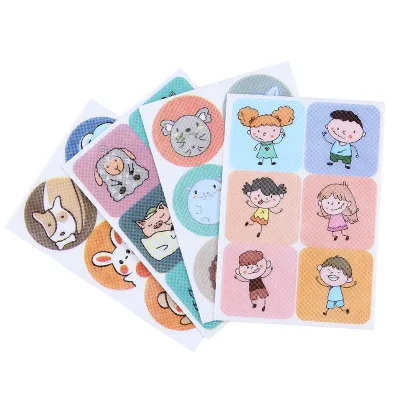
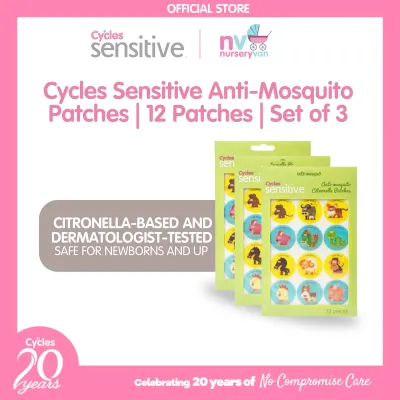
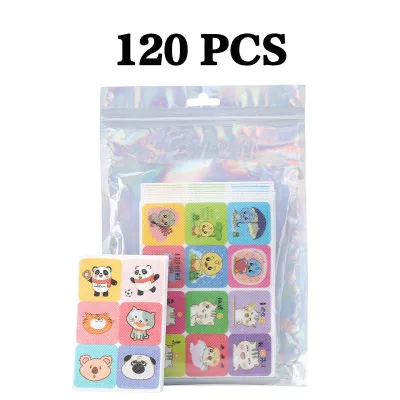
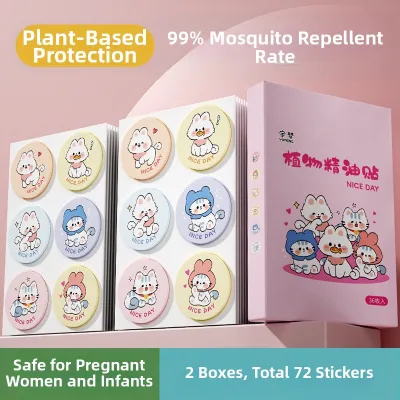
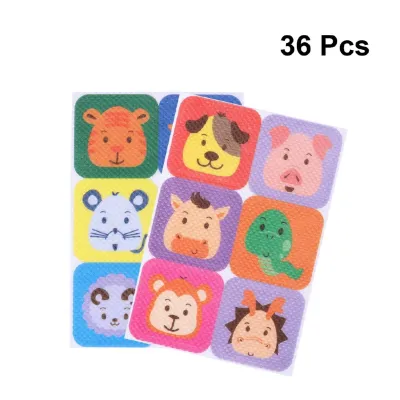
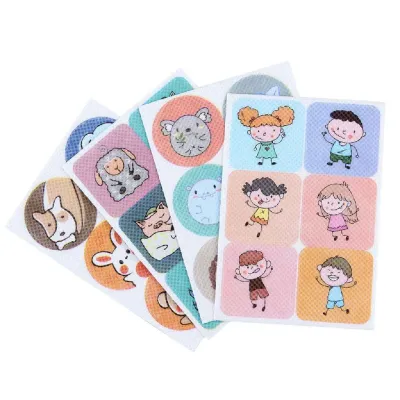
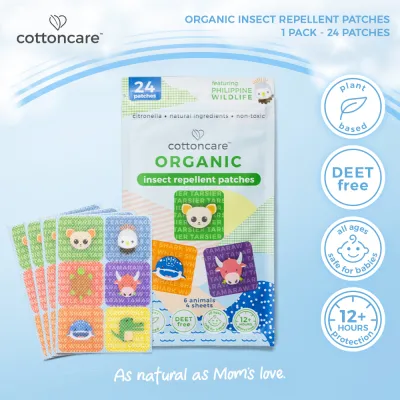
Prices are valid at publication and may change. Please refer to the product page for the latest price.
It is a common misconception that “natural” or “plant-based” labels automatically guarantee safety for sensitive infant skin or developing respiratory tracts. Highly concentrated essential oils can still cause adverse reactions. Some plant-derived extracts, such as oil of lemon eucalyptus (OLE) or PMD, are specifically not recommended by pediatric health organizations for children under three years old due to potential skin and eye irritation.
When shopping on an online marketplace or at a local pharmacy, you must carefully check the product packaging for a complete list of active and inactive ingredients. Look for specific age warnings and chemical concentrations. If a manufacturer does not clearly list its active ingredients or provides vague safety claims, it is best to avoid the product and choose a brand that offers full transparency.
Additionally, some stickers may contain synthetic fragrances or preservatives to extend their shelf life and scent duration. These chemical additives can increase the risk of skin sensitivity or respiratory irritation in young children. Understanding exactly what goes into each patch allows you to make an informed decision and avoid exposing your baby to unnecessary chemical compounds.
Age Restrictions and Safety Guidelines for Babies
General pediatric guidelines emphasize that newborns and young infants under six months of age require physical protection rather than chemical or essential oil repellents. A newborn’s skin is incredibly thin and highly permeable, making it much more susceptible to absorbing topically applied substances. Their respiratory systems are also highly sensitive to strong, concentrated vapors.

Before using any mosquito repellent sticker, you must read the manufacturer’s age recommendations and safety warnings on the packaging. Many brands specify a minimum age, often starting at six months or even older, depending on the concentration of the active ingredients. Never assume a product is safe for a newborn simply because it features cartoon characters or is labeled as “baby-friendly.”
As your child grows and meets the manufacturer’s minimum age requirements, you can gradually transition from relying solely on physical barriers to incorporating repellent stickers. However, this transition should still prioritize safety. Always verify the recommended usage limits, such as the maximum number of patches to use at one time and how long they should remain active, to prevent overexposure to volatile oils.
It is also important to consider the child’s developmental stage. Toddlers are naturally curious and love to peel off stickers, which can lead to accidental ingestion or choking. If your child is at an age where they put everything in their mouth, you must place the stickers strictly out of their reach, such as on the upper back of their clothing or on the outer frame of a stroller.
Skin Sensitivity, Respiratory Risks, and Side Effects
One of the primary risks associated with mosquito stickers is skin sensitivity. If a sticker is placed directly on a baby’s skin or left on for extended periods, the concentrated essential oils can seep through the adhesive, leading to contact dermatitis, redness, swelling, or localized rashes. Toddlers with eczema or naturally dry skin are particularly vulnerable to these localized reactions.
In addition to skin issues, the strong volatile scents emitted by these stickers can irritate a baby’s sensitive respiratory system, eyes, or mucous membranes. In enclosed spaces, such as a closed bedroom or a covered stroller, the buildup of essential oil vapors can trigger coughing, sneezing, watery eyes, or even mild breathing difficulties, especially in children with a family history of asthma or respiratory allergies.
To minimize these risks, you can perform a simple patch test before full use. Apply a single sticker to an item of clothing that your child will wear under close supervision for a short period. Monitor your child closely for any signs of sneezing, coughing, eye watering, or skin redness near the patch area. If you notice any discomfort, remove the sticker immediately and discontinue use.
If your child experiences an adverse reaction, take immediate action. Remove the sticker and wash any contacted skin thoroughly with mild baby soap and cool water to remove residual oils. Ensure the child is moved to a well-ventilated area with fresh air. If a rash spreads, blisters, or is accompanied by coughing, wheezing, or difficulty breathing, seek professional medical advice immediately.
Keep in mind that reactions can sometimes develop after several hours of exposure. Regularly inspect the skin underneath and around the area where the sticker is placed, even if it is attached to clothing. If you notice any lingering redness or if your child seems unusually fussy or uncomfortable, it is best to remove the sticker and stick to physical barrier methods.
Safe Application Practices and Physical Alternatives
To minimize risks while using mosquito killer stickers, you must follow safe application practices. Never apply these stickers directly to your baby’s skin. Instead, stick them to the outer layers of clothing, such as the back of a shirt, a collar, or a pant cuff, where the baby cannot easily reach, peel off, or chew on them. You can also apply them to external gear like stroller frames, canopy edges, or the outer fabric of a playpen.
Ensure your baby is always in a well-ventilated area when using these patches. Avoid using multiple stickers in small, enclosed spaces like a car with closed windows or a small, unventilated bedroom, as this can cause a high concentration of essential oil vapors to accumulate. If you move into an air-conditioned, screened indoor environment, remove the stickers to prevent unnecessary exposure.
While stickers can provide a helpful layer of defense, they should never be your sole method of protection. Combine sticker use with primary physical barriers, which are highly effective and carry zero chemical risk. Dress your baby in lightweight, long-sleeved shirts and long pants, and use fine-mesh mosquito nets over cribs, strollers, and playpens, especially during peak mosquito hours in the early morning and late afternoon.
Establish clear conditions for stopping use. If your baby shows any signs of discomfort, rubbing their eyes, coughing, or fussing near the sticker, remove it immediately. Always supervise your child while they are wearing a sticker to ensure they do not peel it off and put it in their mouth, which poses a severe choking and ingestion hazard.
Finally, remember that environmental factors like wind and humidity can affect how long a sticker remains effective. In breezy outdoor settings, the repellent vapors may disperse quickly, reducing their protective range. Rather than adding more stickers, rely on physical barriers like stroller netting to ensure your baby remains fully protected without increasing their exposure to concentrated essential oils.
Frequently Asked Questions (FAQ)
Can I put mosquito killer stickers directly on my baby's skin?
No, you should never apply mosquito killer stickers directly to your baby’s skin. The concentrated essential oils and adhesives can cause contact dermatitis, redness, and allergic reactions on sensitive infant skin. Additionally, direct skin contact increases the risk of chemical absorption. Always apply the stickers to outer clothing, stroller frames, or nearby gear where your baby cannot reach, peel, or ingest them.
Are plant-based mosquito stickers always safe for toddlers?
No, plant-based mosquito stickers are not automatically safe for all toddlers. Concentrated essential oils like citronella, lemongrass, and peppermint can still cause skin irritation or respiratory discomfort in young children. You must check the product packaging for specific age restrictions and ingredient lists. If your toddler has sensitive skin, eczema, or a history of asthma and allergies, consult a pediatrician before use.
What should I do if my baby gets a rash from a mosquito sticker?
If your baby develops a rash, immediately remove the sticker and wash the affected skin thoroughly with mild baby soap and cool water to remove any remaining oils. Keep the area clean and dry, and avoid applying other topical products without professional guidance. If the rash spreads, blisters, causes obvious pain, or is accompanied by respiratory symptoms like coughing or wheezing, consult a pediatrician immediately.
Community discussion
Share your experience or ask a question. Comments are reviewed before publication.