
Are Mosquito Bracelets Safe for Babies? The Short Answer
When protecting your little one from insect bites, you might wonder if a wearable mosquito bracelet is a safe and convenient option. The short answer is that mosquito bracelets are generally not safe for babies to wear directly on their skin or limbs. While many of these products are marketed as “natural,” “non-toxic,” or “chemical-free,” they introduce significant physical and chemical risks to infants. These hazards include severe skin irritation, choking, strangulation, and respiratory discomfort from concentrated volatile oils.
In tropical climates like the Philippines, where high humidity and seasonal rains make mosquito-borne illnesses like dengue a constant concern, finding effective pest protection is critical. However, protecting your infant must not come at the expense of their physical safety. Before introducing any wearable repellent to your baby, it is essential to understand the potential side effects and consult a pediatrician to evaluate your child’s specific developmental stage and health profile.
Potential Health and Physical Risks of a Mosquito Bracelet
Wearable mosquito repellents might seem like a simple, mess-free alternative to sticky sprays and lotions. However, infants possess unique anatomical and behavioral characteristics that transform these seemingly harmless bands into serious hazards. Because babies are constantly growing and exploring their environment, a product designed for an older child or adult can quickly become dangerous when placed on an infant.
Products mentioned in this guide
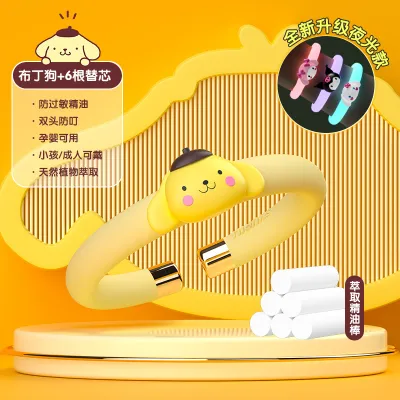
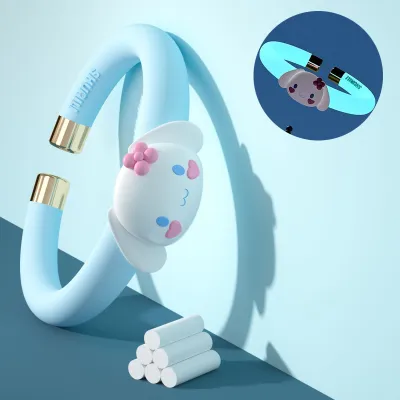
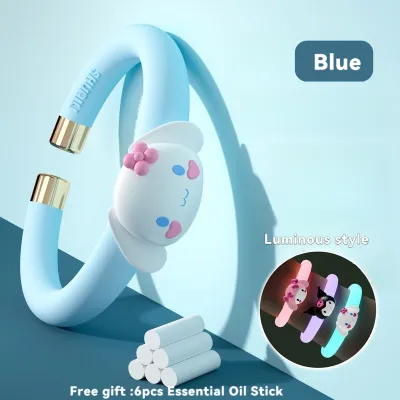
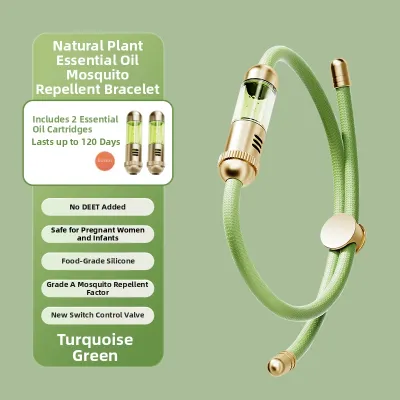
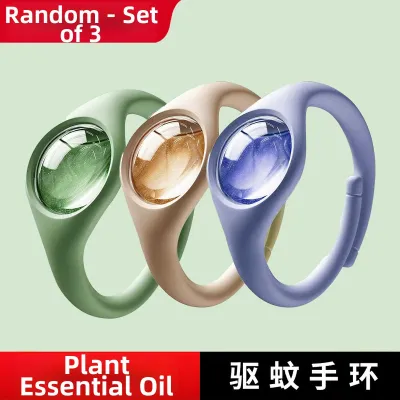
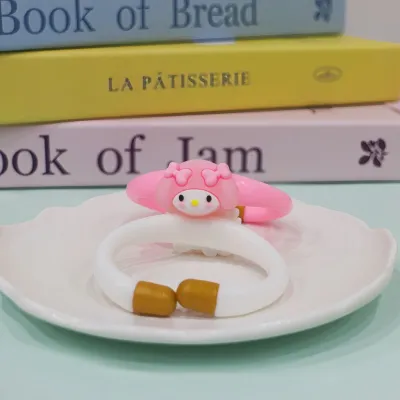
Prices are valid at publication and may change. Please refer to the product page for the latest price.

Skin Irritation and Allergic Reactions
An infant’s skin barrier is significantly thinner, more delicate, and more permeable than that of an adult. This high permeability means that any substances coming into direct contact with their skin are absorbed much more rapidly and deeply. Many mosquito bracelets rely on highly concentrated essential oils—such as citronella, eucalyptus, lemongrass, or peppermint—to create a scent barrier that deters insects.
When these concentrated oils leach from the band directly onto a baby’s skin, they can cause contact dermatitis, characterized by redness, swelling, itching, and painful rashes. Additionally, the physical band itself, which is often made of silicone, plastic, or synthetic fabric, can trap sweat and moisture against the baby’s skin. In warm, humid environments, this trapped moisture can cause severe chafing, heat rashes, or localized allergic reactions to the synthetic materials.
There is a widespread misconception among parents that “natural” or “plant-based” ingredients are automatically safe for infants. In reality, concentrated plant extracts are potent chemical compounds that can easily overwhelm a baby’s sensitive skin. Parents must always verify the complete ingredient list on the product packaging and consult a healthcare professional before allowing any repellent to touch their baby’s skin.
Choking and Strangulation Hazards
Infants explore their surroundings primarily through tactile interaction and oral exploration, meaning they naturally put hands, feet, and nearby objects directly into their mouths. If a baby wears a mosquito bracelet on their wrist or ankle, they can easily pull, tug, or chew on the band. This behavior creates an immediate choking hazard if the baby manages to tear the band or detach any of its parts.
Many wearable bands feature small plastic clasps, decorative elements, or replaceable active-ingredient cartridges. If these small components become loose or break off under tension, they can easily be swallowed or inhaled, leading to life-threatening airway obstructions. Caregivers must never underestimate a baby’s ability to manipulate and detach wearable accessories.
Furthermore, loose-fitting bands present a severe risk of strangulation or restricted circulation. A bracelet can easily snag on crib slats, stroller frames, loose clothing threads, or toys while the baby is sleeping or playing. If the band catches on an object while the baby moves, it can tighten around their wrist or ankle, cutting off blood flow, or wrap around their neck, posing an immediate strangulation hazard.
Inhalation and Ingestion Risks
The mechanism by which a mosquito bracelet works relies on the continuous release of volatile organic compounds into the surrounding air. Because an infant’s respiratory system and airways are still developing, breathing in these highly concentrated, strong scents in close proximity can easily irritate their sensitive lungs. This continuous inhalation can trigger coughing fits, sneezing, nasal congestion, or even asthma-like wheezing in susceptible babies.
Ingestion is another severe risk that occurs when a baby manages to chew on the repellent band. The concentrated essential oils embedded in the bracelet are not intended for internal consumption. If a baby ingests even a small amount of these oils, it can lead to acute gastrointestinal irritation, painful mouth sores, vomiting, and potential systemic toxicity.
Because the concentration and purity of essential oils vary widely across different brands, the severity of a toxic reaction can be unpredictable. Caregivers should treat any instance of a baby chewing on or ingesting a repellent band as a medical emergency. Always verify the manufacturer’s safety data and seek immediate professional medical assistance if ingestion occurs.
Age Limits and Pediatrician Guidelines for Wearable Repellents
Pediatricians and global health organizations generally advise against using any wearable mosquito repellents directly on newborns and young infants. During the first few months of life, a baby’s internal organs—including the liver, kidneys, and respiratory system—are still maturing. This means their bodies process, detoxify, and eliminate absorbed volatile compounds much less efficiently than older children or adults, making them highly vulnerable to chemical exposure.
When purchasing pest protection products, parents must carefully check the manufacturer’s age label, weight limits, and specific warnings on the product documentation. Many commercial mosquito bracelets carry warnings stating they are not suitable for children under three years of age, or require continuous adult supervision. However, marketing claims can sometimes minimize these risks, which is why product names or advertisements should never replace professional medical advice.
In the Philippines, where warm temperatures and high humidity persist year-round, protecting your baby from mosquito bites is a critical health priority. However, the methods used must match your child’s developmental stage. A pediatrician can provide personalized guidance, helping you weigh the risks of mosquito-borne illnesses against the potential side effects of various repellent products based on your baby’s age and health history.
How to Minimize Risks if You Use a Mosquito Bracelet
If, after consulting your pediatrician, you decide to use a mosquito bracelet, you must follow strict safety precautions to minimize the physical and chemical hazards to your baby. Implementing these practical steps can help keep your infant safe while still utilizing the product’s repellent properties.
Avoid Direct Skin Contact
The most crucial rule is to never place the mosquito bracelet directly on your baby’s wrist, ankle, or clothing. Instead, attach the band securely to external equipment that remains close to the baby but completely out of their physical reach. For example, you can loop the bracelet around a stroller handle, a car seat frame, or the outer strap of a diaper bag. This allows the scent to repel insects in the immediate vicinity without exposing your baby’s skin or allowing them to grab the item.
Constant Supervision
Only use wearable repellents when your baby is under direct, continuous adult supervision. Never leave a mosquito bracelet near your baby while they are sleeping, napping, or playing unsupervised in their crib or playpen. Once you return indoors or supervision ends, immediately remove the bracelet and store it securely out of reach.
Regular Inspection
Before each use, thoroughly inspect the bracelet for any signs of wear, tears, structural weakness, or leaking oils. Ensure that all clasps and cartridge compartments are completely secure and cannot be easily opened. If you notice any damage, oil leakage, or loose pieces, discard the product immediately and do not attempt to repair it.
When to Stop Use Immediately
You must remain vigilant for any adverse reactions while the repellent is in use. Stop using the product immediately and move your baby to a well-ventilated, fresh-air environment if you observe any warning signs. These signs include skin redness, localized rashes, persistent coughing, sneezing, wheezing, watery eyes, or unusual fussiness and irritability. If these symptoms do not resolve quickly after removing the product, or if your baby manages to bring the band to their mouth, consult a qualified healthcare professional immediately.
Safer Alternatives for Baby Mosquito Protection
Fortunately, you do not have to rely on wearable chemical bands to keep your baby safe from insect bites. There are several highly effective, low-risk, and pediatrician-approved alternatives that prioritize your baby’s safety while providing robust protection against mosquitoes.
Physical Barriers
Physical barriers are the gold standard for protecting infants, especially newborns and babies under six months old, as they involve zero chemical exposure. Always use a fine-mesh mosquito net over your baby’s crib, bassinet, playpen, and stroller. Ensure the net fits snugly and has no gaps or tears that could allow insects to enter, and check that the netting is kept taut and out of the baby’s reach to prevent entanglement.
Protective Clothing
Dressing your baby in protective clothing is another highly effective way to minimize exposed skin. Choose lightweight, breathable, long-sleeved shirts and long pants made from natural fibers like cotton to prevent overheating in tropical climates. Opt for light-colored clothing, as mosquitoes are naturally attracted to dark colors, and ensure the garments fit loosely to make it harder for insects to bite through the fabric.
Air Circulation
Using an electric fan in well-ventilated rooms is a simple yet highly effective method to keep mosquitoes away. Mosquitoes are weak fliers, and the draft created by a fan makes it incredibly difficult for them to navigate, land, and bite. Additionally, the airflow helps disperse the carbon dioxide and skin odors that naturally attract mosquitoes to your baby.
Topical Repellents for Older Infants
For older infants, typically those over six months of age, pediatricians may recommend specific, locally approved topical repellents containing safe concentrations of active ingredients like DEET or Picaridin. Before applying any topical product, you must verify the age suitability, concentration limits, and application instructions on the product label. Always consult your pediatrician first, apply the repellent sparingly to exposed skin (never on hands, face, or irritated skin), and wash it off thoroughly with soap and water once you return indoors.
Frequently Asked Questions (FAQ)
Can I put a mosquito bracelet on my newborn's ankle?
No, you should never place a mosquito bracelet on a newborn’s ankle or any other part of their body. Newborns have extremely thin, sensitive skin that easily absorbs chemicals, and they lack the physical ability to move away from overwhelming scents or irritating materials. Placing a band on their ankle also poses severe choking and strangulation risks if it slips off or snags on bedding. Instead, protect newborns exclusively with physical barriers like fine-mesh mosquito nets and lightweight protective clothing.
Are citronella bracelets toxic if my baby chews on them?
Yes, citronella bracelets can be highly toxic if a baby chews on or ingests them. Although citronella is a natural plant extract, the oils used in these bracelets are highly concentrated and can cause severe irritation to the mouth, throat, and digestive tract. Ingestion can lead to symptoms like nausea, vomiting, drooling, and respiratory distress. If you suspect your baby has chewed on or swallowed any part of a repellent bracelet, seek immediate medical attention or contact local emergency services.
Do ultrasonic mosquito repellent bracelets work for babies?
There is no robust scientific evidence proving that ultrasonic or electronic mosquito bracelets are effective at repelling insects. These devices claim to emit high-frequency sounds that deter mosquitoes, but multiple independent studies and health authorities have found them to be ineffective. Relying on unproven technology can put your baby at risk of mosquito bites and associated illnesses. It is always safer to use established, pediatrician-recommended methods such as physical netting, protective clothing, and proper air circulation.
Community discussion
Share your experience or ask a question. Comments are reviewed before publication.