
Quick Answer: Are Mosquito Badges Safe for Infants?
In the tropical climate of the Philippines, protecting infants from mosquito bites is a year-round priority for parents. Among the various protective options available on the market, wearable mosquito badges—often designed as colorful, cartoon-themed adhesive patches—have surged in popularity. However, determining whether these products are safe for babies requires a careful look at their ingredients, application methods, and the infant’s specific age.
While many manufacturers market these badges as natural, non-toxic, or chemical-free alternatives to traditional spray-on repellents, they are not universally safe for all infants. Their safety depends heavily on the specific active ingredients used, the child’s developmental stage, and how parents apply and monitor the product. Concentrated plant-based essential oils, which serve as the primary active ingredients in most badges, can still pose notable risks such as skin irritation, respiratory sensitivity, or physical choking hazards if used incorrectly. Before purchasing or using any insect repellent product, caregivers must carefully verify the manufacturer’s age recommendations and safety warnings printed on the packaging.
Key Ingredients to Check on Mosquito Badge Labels
To evaluate the safety of a mosquito badge, parents must first examine the active ingredients listed on the product label. Most wearable badges rely on concentrated essential oils to mask the human scents that attract mosquitoes. Citronella oil is the most common active ingredient in these patches, valued for its natural insect-repelling properties. Other frequently used plant extracts include lavender, peppermint, eucalyptus, and lemongrass oils. While these botanicals are often perceived as harmless because they are derived from plants, they are highly concentrated chemical compounds that can be remarkably harsh on an infant’s developing systems.
Products mentioned in this guide
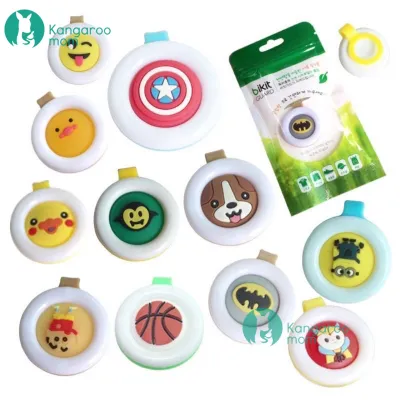
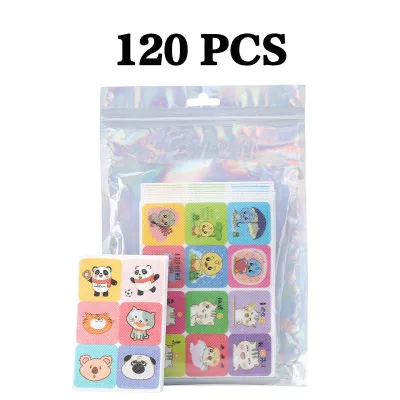
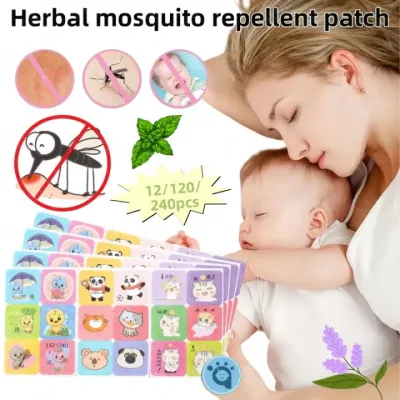
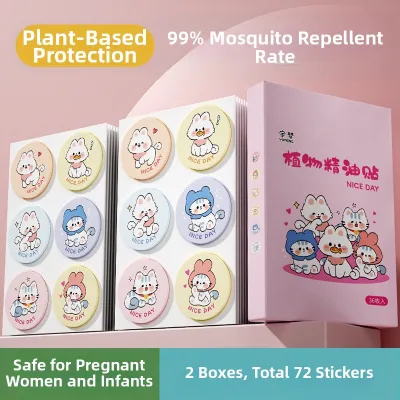
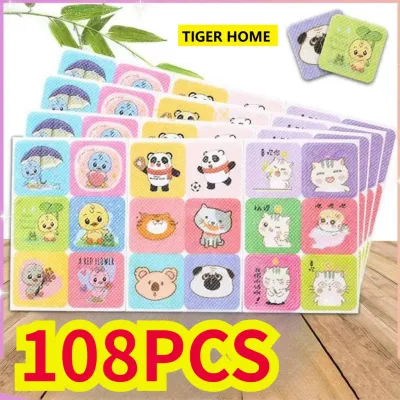
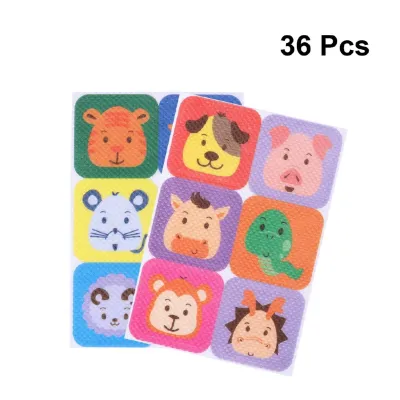
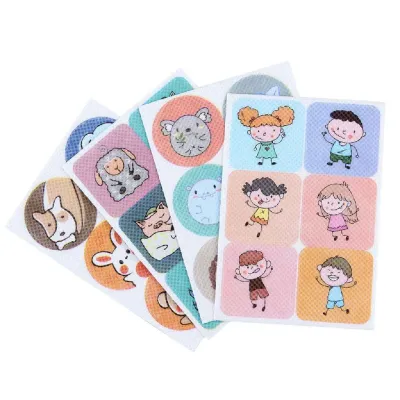
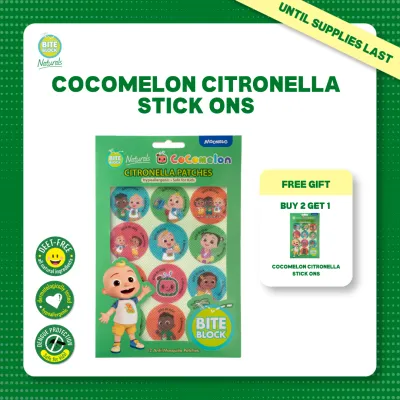
Prices are valid at publication and may change. Please refer to the product page for the latest price.

A common misconception among parents is that natural automatically equates to safe for babies. In reality, infant skin is significantly thinner, more delicate, and more permeable than adult skin, making it highly susceptible to absorbing concentrated substances. Furthermore, certain essential oils are associated with specific developmental risks. For example, peppermint oil contains menthol, which can trigger respiratory distress or throat spasms in very young infants when inhaled in high concentrations. Additionally, Oil of Lemon Eucalyptus (OLE)—not to be confused with lemon eucalyptus essential oil—is a potent repellent that pediatric health guidelines generally advise against using on children under three years of age.
When shopping for mosquito badges, parents should prioritize products that offer complete transparency regarding their ingredients. Avoid patches that list vague components such as “natural fragrance blends” or “proprietary botanical formulas,” as these terms can mask synthetic chemicals, preservatives, or potential allergens. Always check the packaging for explicit age restrictions; many reputable brands clearly state if their products are unsuitable for newborns, infants under six months, or toddlers. If a product lacks clear manufacturer safety guidelines, ingredient disclosures, or age limits, it is best to choose an alternative with verifiable labeling.
Potential Risks and Side Effects for Babies
Using mosquito badges on or near infants introduces several physical and physiological risks that parents must carefully weigh. The most immediate concern is skin irritation or contact dermatitis. If an adhesive patch is applied directly to a baby’s skin, or if the active ingredients seep through thin clothing, the concentrated essential oils can cause redness, itching, swelling, or localized rashes. Furthermore, babies frequently touch their clothing and surroundings; if an infant touches a badge and then rubs their eyes or mouth, they can transfer the concentrated oils directly to these highly sensitive areas, causing severe discomfort and irritation.
Respiratory sensitivity is another significant risk, particularly in enclosed or poorly ventilated spaces. Infants have highly sensitive airways that are still developing. The strong, pungent aromas emitted by concentrated essential oils like citronella or eucalyptus can easily overwhelm a baby’s respiratory system. This intense exposure can trigger immediate symptoms such as coughing, sneezing, watery eyes, or even breathing difficulties, especially in infants who may have underlying respiratory sensitivities or a family history of asthma.
Beyond chemical exposure, mosquito badges present a serious physical hazard: choking and accidental ingestion. Infants explore their environment primarily through touch and mouth-testing. A colorful, cartoon-designed badge is highly appealing to a curious baby. If the badge is placed within the baby’s reach, they may easily peel it off. Once detached, the small sticker becomes an immediate choking hazard. If swallowed, the concentrated essential oils within the patch can cause acute poisoning, chemical burns in the mouth or throat, and severe gastrointestinal distress. The risk of detachment is particularly high in hot, humid weather, where sweat and moisture can rapidly degrade the adhesive backing of the patch.
Best Practices for Using Mosquito Badges Safely
If you choose to use mosquito badges as part of your pest protection strategy, implementing strict safety precautions can significantly minimize these hazards. The golden rule of using adhesive repellent patches is to never apply them directly to a baby’s bare skin. Instead, always attach the badge to the outside of their clothing, shoes, or external baby gear. Suitable attachment points include the outer canopy or frame of a stroller, the exterior of a diaper bag, or the underside of a baby carrier, provided these locations remain completely out of the child’s reach.
Strategic placement is critical to preventing physical hazards. Ensure the badge is attached in a location that is entirely invisible and inaccessible to the baby. Placing the patch on the upper back of the baby’s shirt is a highly effective tactic, as they cannot see, reach, or peel it off. For younger infants who are not yet rolling or reaching, attaching the badge to the outer frame of their stroller during outdoor walks is an excellent way to create a localized barrier without placing the product on their person. However, never attach badges to crib slats, bedding, or any area inside a sleeping space where an unsupervised baby could access them during the night.
Environmental factors also play a major role in safety. Mosquito badges should be used primarily in well-ventilated, outdoor settings where air currents can naturally dilute the concentrated aromas. Avoid using multiple patches simultaneously, especially in small, enclosed spaces such as the interior of a car, a small bedroom, or under a tightly draped stroller cover. Over-applying badges in these environments can quickly lead to an overwhelming concentration of essential oil vapors, increasing the risk of respiratory irritation for your baby.
Finally, close observation is essential whenever you introduce a new product to your baby’s environment. During the first few hours of using a mosquito badge, monitor your infant closely for any subtle signs of discomfort, unusual fussiness, respiratory changes, or skin flushing. If you notice any changes in their behavior or physical appearance, remove the badge immediately and move the baby to a fresh-air environment.
When to Stop Use and Seek Professional Help
Caregivers must be prepared to discontinue the use of mosquito badges immediately if any adverse reactions occur. Red flags that demand the instant removal of the patch include localized skin redness, hives, persistent coughing, sneezing, wheezing, watery eyes, or any signs of labored breathing. If the baby exhibits severe respiratory distress, seek emergency medical care without delay.
For minor skin irritation resulting from accidental contact with the badge’s active ingredients, provide prompt, low-risk first aid. Gently wash the affected skin area with mild baby soap and cool water to remove any residual oils, then pat the skin dry with a clean towel. Monitor the area closely; if the redness or rash persists or worsens over the next 24 hours, consult your pediatrician.
In the event of accidental ingestion—such as if a baby swallows a peeled-off badge or places it in their mouth—immediate action is required. Do not attempt to induce vomiting, as this can cause the concentrated essential oils to enter the baby’s lungs, leading to severe chemical pneumonia. Instead, immediately wipe out the baby’s mouth with a damp cloth and contact a pediatrician, a hospital emergency department, or a local poison control center for professional guidance. Keep the product packaging on hand so you can provide medical professionals with the exact list of ingredients. Please note that this guide serves as an educational resource and should never replace professional medical advice or personalized recommendations from your pediatrician.
Frequently Asked Questions (FAQ)
Can I put a mosquito badge directly on my baby's skin?
No, you should never apply a mosquito badge directly to your baby’s skin. Infant skin is incredibly delicate and highly permeable, making it extremely vulnerable to contact dermatitis, allergic reactions, and rapid absorption of concentrated chemical compounds. The active ingredients in these badges are highly concentrated essential oils that are formulated to diffuse into the air, not to be absorbed by the skin. Always attach the badge to the outside of your baby’s clothing, stroller, or baby gear, ensuring it is placed in a spot where they cannot reach or see it.
Are mosquito badges effective in tropical climates?
In tropical climates, where high humidity, heat, and heavy airflow are common, the efficacy of mosquito badges is generally limited and localized. Because these patches rely on the passive evaporation of essential oils to create a small scent barrier, wind and humidity can rapidly disperse the active vapors, reducing their protective range. Consequently, mosquito badges should not be relied upon as a sole line of defense against disease-carrying mosquitoes. For robust protection, they should be combined with physical barriers such as fine-mesh mosquito nets over strollers and cribs, lightweight long-sleeved clothing, and active community measures to eliminate standing water where mosquitoes breed.
Community discussion
Share your experience or ask a question. Comments are reviewed before publication.